
美国优先主义

Search documents
从门罗主义的特朗普推论看美国外交
日经中文网· 2025-12-11 07:45
Core Viewpoint - The article discusses the implications of the new U.S. National Security Strategy (NSS) under the Trump administration, highlighting a focus on the Western Hemisphere and a critical stance towards Europe while seeking to rebuild strategic stability with Russia [1][6]. Group 1: U.S. National Security Strategy - The NSS emphasizes the "Trump Corollary" which aims to prevent foreign competitors from deploying military forces in the Western Hemisphere, asserting U.S. leadership in the region [3][4]. - The strategy reflects a historical precedent set by the Monroe Doctrine, which rejected European interference in the Americas, and is seen as a justification for U.S. intervention in its sphere of influence [4][5]. Group 2: Relations with Europe and Russia - The NSS expresses uncertainty about Europe's reliability as an ally, criticizing its immigration policies and suggesting a more adversarial stance towards European nations [6]. - In contrast, the strategy indicates a desire to rebuild strategic stability with Russia, despite minimal references to military threats from China [5][6]. Group 3: Broader Implications - The article suggests that the "Trump Corollary" is not merely a return to isolationism but a strategic redefinition of U.S. foreign policy aimed at national interests, exemplified by the use of tariffs in trade negotiations [5]. - The intertwining of U.S. security strategy with cultural wars reflects a deeper ideological divide, with significant implications for future U.S. foreign policy beyond the current administration [6].

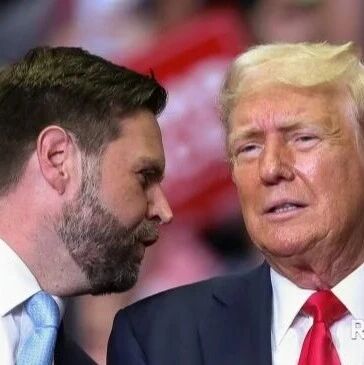
韩国芯片,紧急应对
半导体芯闻· 2025-08-21 10:26
Group 1 - The article discusses the increasing pressure from the U.S. on South Korea regarding semiconductor investments, particularly in light of the upcoming summit between the South Korean President and U.S. President [1][2] - The U.S. government is considering acquiring shares in South Korean semiconductor companies like Samsung and SK Hynix that receive subsidies for investments in the U.S. [1][2] - The potential for the U.S. to hold stakes in these companies could lead to increased influence over their investment decisions in the U.S. [1] Group 2 - South Korean officials are preparing for unexpected demands from President Trump during the summit, particularly concerning investment and security issues [2] - There is a recognition that the risks associated with the summit are higher than in previous meetings, necessitating careful risk management strategies [2] - Suggestions include providing tangible results to President Trump while maintaining strategic ambiguity on alliance modernization topics [2]

特朗普关税砸下,让马科斯认清了一个现实:替美国卖命没有好下场
Sou Hu Cai Jing· 2025-07-16 04:28
Core Viewpoint - The recent announcement of additional tariffs by President Trump has put the Philippines in a difficult position, revealing the harsh reality that serving U.S. interests may not yield favorable outcomes for the country [1][3][10] Group 1: Tariff Impact - The U.S. will impose a 20% additional tariff on the Philippines starting August 1, which is an increase from the previously proposed 17% [3] - The Philippines' exports to the U.S. accounted for nearly 16% of its total exports in the first five months of this year, indicating significant reliance on this market [5] - The imposition of these tariffs is expected to severely pressure the Philippines' export trade with the U.S. [5] Group 2: Diplomatic Response - In response to the tariff announcement, the Marcos government is sending a trade delegation to the U.S. to negotiate a bilateral agreement before the deadline [5] - There are concerns that the Philippines' willingness to negotiate may lead to more unfavorable conditions, such as increased purchases of U.S. agricultural products and market concessions [5][8] Group 3: Regional and Global Implications - The actions of the Trump administration may undermine U.S. credibility among its allies, as highlighted by former U.S. officials [7] - The Philippines' alignment with U.S. strategies in the South China Sea has led to increased tensions in the region, complicating its geopolitical standing [8][10] - The economic repercussions of the tariffs could destabilize the Marcos administration, raising questions about the long-term viability of its political position [9]
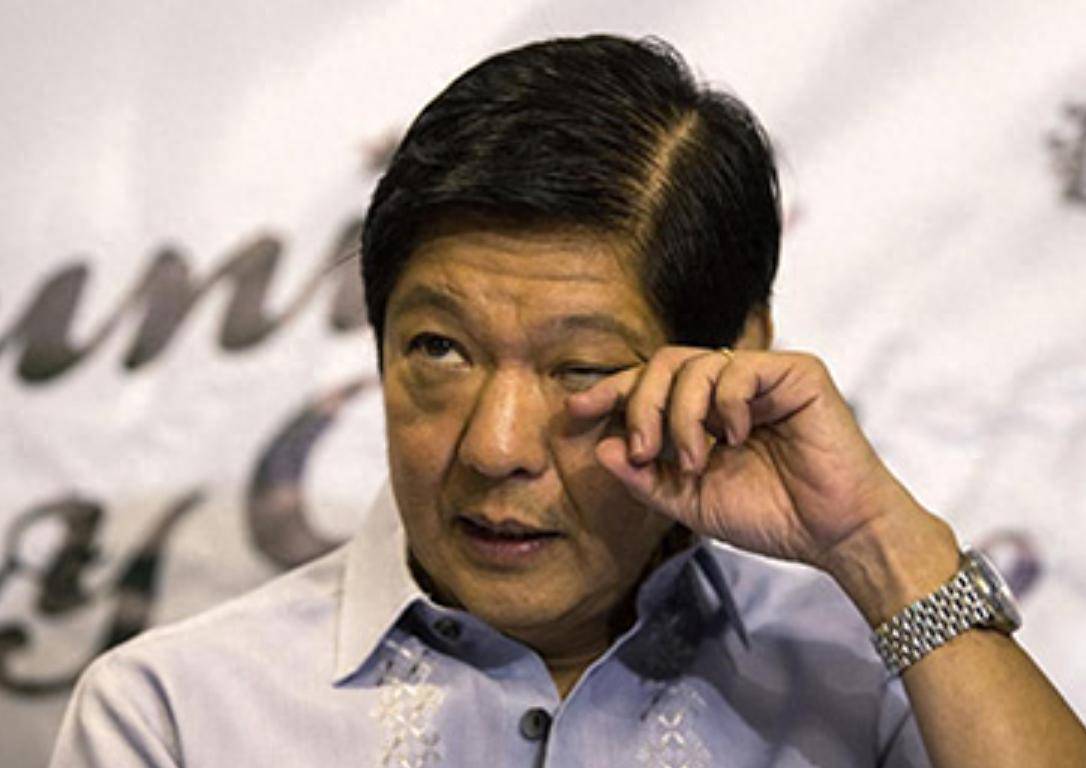
29国齐捅刀,特朗普紧急发声,日本前首相:中日韩团结的时刻到了
Sou Hu Cai Jing· 2025-07-08 09:45
Group 1 - The core issue is the impending end of the US's equal tariff suspension period, leading to a backlash from 29 countries against the US, highlighting a shift in international alliances [1][5][9] - The US's equal tariff policy, which imposes a 10% tariff on most countries, is seen as an attempt to adjust the global economic order in favor of US interests, disregarding the economic differences among nations [3][5] - The response from traditional allies, such as South Korea and Japan, indicates a growing discontent with US policies, with both countries expressing their unwillingness to accept the proposed tariff increases [7][9] Group 2 - The EU's 27 member states have collectively decided not to reach an agreement with the US before the deadline, further complicating the situation for the Trump administration [9] - Former Japanese Prime Minister Yukio Hatoyama emphasized the need for Japan to adjust its relationship with the US and strengthen cooperation with China and South Korea to gain more influence [11][12] - The combined GDP of China, Japan, and South Korea accounts for 23.4% of the global total, and their trade volume represents 18.7% of global trade, indicating the significant impact of their cooperation on the global economic landscape [11][12]
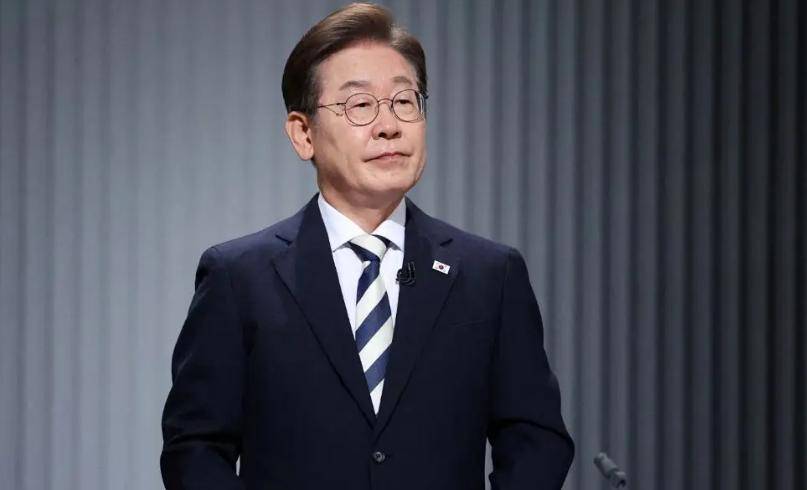
默克尔谈如何与特朗普打交道:不应畏惧
日经中文网· 2025-05-28 02:56
Core Viewpoint - The former German Chancellor Merkel emphasizes the importance of multilateralism in addressing international issues, particularly in the context of the Trump administration's "America First" policy and the ongoing conflict in Ukraine [1][2]. Group 1: U.S.-Germany Relations - Merkel asserts that achieving prosperity for Europe and Germany requires dialogue with the U.S., while cautioning against actions that might provoke Trump [1]. - She highlights the necessity for the U.S. and Trump to recognize that international cooperation leads to greater prosperity [2]. Group 2: European Union and NATO - Merkel stresses the indispensable unity of the European Union (EU) and the need to consider common interests among member states [2]. - She advocates for Germany to accelerate its defense spending in response to NATO's calls, emphasizing that the burden should not fall solely on the U.S. [2]. Group 3: Relations with Russia - Merkel reflects on the importance of dialogue with Russia, even amidst conflicts, citing the need for communication with President Putin [2]. - She mentions the Minsk Agreement, which was crucial in establishing a ceasefire and peace path for the eastern conflict, suggesting that the situation in Ukraine could be worse without it [2]. - Regarding the "Nord Stream 2" gas pipeline, Merkel explains that Germany's economic sector requires affordable energy to transition away from nuclear power [2].
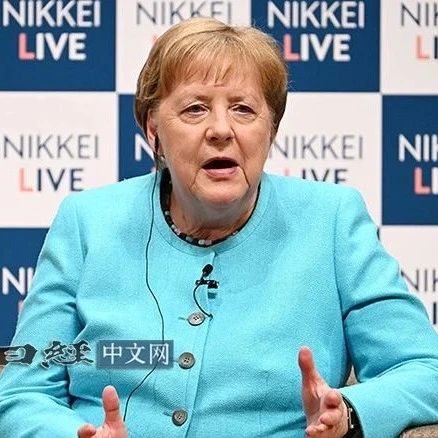
致特朗普总统的一封信
日经中文网· 2025-04-08 03:17
Core Viewpoint - The article discusses the implications of the U.S. administration's "America First" policy, particularly focusing on the impact of high tariffs and the potential for economic downturn and inflation, questioning whether current policies truly benefit the U.S. economy [1][2]. Group 1: Economic Policies and Trade - The U.S. has implemented the highest tariff rates since the 1930s, leading to a trade war with Europe and China, which may have adverse effects on the global economy [1][2]. - Concerns are raised about the potential for stagflation in the U.S. due to rising prices, economic recession, and inflation occurring simultaneously as a result of high tariffs [2]. - The article highlights the historical context of U.S. trade policies, noting that the abandonment of fixed exchange rates in the 1970s was a response to trade imbalances and that the U.S. has historically maintained a leadership role in the international economic system [2][4]. Group 2: Global Economic Standing - Despite concerns about trade deficits and manufacturing competitiveness, the U.S. remains the world's largest economy and ranks 12th in the 2024 World Competitiveness Ranking, outperforming other G7 countries and China [4]. - The article emphasizes that U.S. companies and universities consistently rank highly on global lists, indicating a strong economic foundation [4]. Group 3: Social and Domestic Policy Implications - The article argues that issues such as drug abuse and local economic decline should be addressed through domestic policies like income redistribution and healthcare, rather than through tariffs [4]. - It warns that high tariffs could exacerbate living conditions for low-income individuals and increase wealth disparity, with potential backlash against U.S. products in Canada and Europe [4]. Group 4: International Relations and Security - The article notes that the U.S.-Japan alliance has evolved into a key security partnership in the Asia-Pacific region, especially in light of China's military rise, and that economic attacks may weaken this alliance [5]. - It suggests that the U.S. should focus on strengthening alliances rather than undermining them through aggressive economic policies, as this could diminish U.S. soft power and the dollar's status as the world's reserve currency [5].
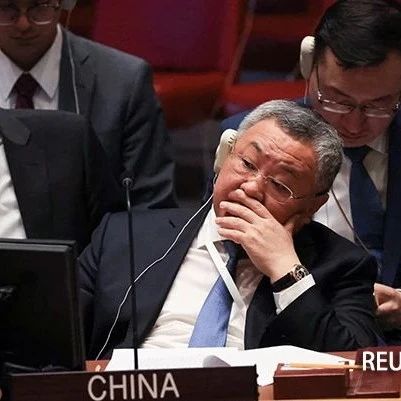
中国的联合国会费分摊比例超2成,逼近美国
日经中文网· 2025-03-07 08:00
Core Viewpoint - China's contribution ratio to the United Nations' budget will exceed 20% for the first time in 2025, approaching the United States' long-standing 22% share, indicating an increase in China's influence within the UN [1][2]. Group 1: Changes in Contribution Ratios - China's contribution ratio has increased by 8 percentage points compared to 2021, now standing at over 20%, while the U.S. remains at 22%, unchanged since 2001 [2]. - China has surpassed Japan in contribution ratios since 2019, becoming the second-largest contributor to the UN [2]. Group 2: U.S. Response and Concerns - U.S. Congress expresses concern over China's growing presence in the UN, with a Republican senator noting a 85% increase in China's positions within the UN from 2009 to 2021 [3]. - Elise Stefanik, the nominated U.S. ambassador to the UN, emphasizes the need to counter China's influence and align UN tasks with U.S. interests [1][3]. Group 3: China's Strategic Positioning - China is actively working to enhance its voice in international organizations, including holding key positions in agencies like the Food and Agriculture Organization (FAO) [2]. - The Chinese representative at the UN has advocated for a cooperative relationship with the U.S., focusing on mutual benefits rather than competition [4]. Group 4: Financial Challenges and Future Outlook - The UN faces long-term funding difficulties, exacerbated by the Trump administration's significant cuts to funding for the UN and NGOs [5]. - There are expectations from European diplomats that China's contribution will exceed 20%, reflecting a shift in financial dynamics within the UN [5].
日元急升后考验日本货币政策
淡水泉投资· 2025-02-23 10:32
上周有两大故事。第一个是美国联储公布上月联邦公开市场委员会(FOMC)会议纪要,表达了不急于重 回降息的立场,但同时暗示可能调整量化紧缩政策,暂缓乃至停止缩表。第二个故事是最新调查显示美 国消费者信心出现下滑,对长期通胀的担忧更达到1995年以来的新高。美股周五出现了今年以来最大的 单日下跌,而对政策利率敏感的两年期国债收益率上周从高位下滑10个基点,债市走强。 重要提示:本材料不构成任何形式的要约、承诺或其他法律文件,亦非任何投资、法律或财务等方面的专业建议。过往业绩不预示 未来表现。投资须谨慎。 特朗普入主白宫刚满一个月,这是火力全开、拳打四方的一个月。期间他签署了73份总统行政命令,比 奥巴马两任、特朗普第一任期和拜登执政最初一个月所签署的行政命令的总和还要多。拜登政府曾经标 榜最初一百日的雷厉风行,而他在第一个月也只签署到28份行政命令。特朗普行政命令中包括了建立政 府效率部、推出重大关税措施、打击非法移民等一系列具有深远意义的政策举措。 同时,特朗普政府在乌克兰停火、与欧盟关系、中东和平计划等地缘政治上也表达出强硬的立场,并在 加拿大、格陵兰岛和巴拿马运河问题上表现强势。他展示出的"美国优先主义"策 ...