香蕉共和国

Search documents
财政主导风险加大!耶伦警告低利率或让美国沦为“香蕉共和国”!
Sou Hu Cai Jing· 2026-01-08 06:56
Core Viewpoint - Janet Yellen warns of increasing risks associated with "fiscal dominance" in the U.S. economy, suggesting that the Federal Reserve's independence may be compromised, leading to potential capital flight, currency pressure, and rising long-term interest rates, which could result in the U.S. losing its dollar pricing power and becoming akin to a "banana republic" [1][10] Group 1: Fiscal Dominance Characteristics - Fiscal dominance occurs when fiscal policy overrides traditional boundaries, forcing monetary policy to serve fiscal objectives, which is a dangerous signal for Western economies but less problematic for Eastern models [1][3] - The U.S. is showing clear signs of fiscal dominance, with the government pressuring the Federal Reserve to lower interest rates to alleviate debt burdens, leading to a scenario where monetary policy is subordinated to fiscal needs [3][5] Group 2: Economic Implications of Fiscal Dominance - The formation of fiscal dominance relies on continuous fiscal deficits and debt expansion, which are often pursued without corresponding fiscal consolidation mechanisms, resulting in a growing debt burden [5][10] - The Congressional Budget Office projects that the federal deficit will reach $1.9 trillion by 2026, with total debt as a percentage of GDP rising to 100%, and potentially 118% over the next decade, which is a key driver forcing monetary policy to yield [3][5] Group 3: Monetary Policy and Inflation Risks - When central banks are compelled to finance fiscal deficits, it leads to increased money supply, which may mask inflation pressures in the short term but can result in long-term inflation spikes due to excessive money supply [7][8] - Yellen's warnings highlight the risk of rising inflation expectations as the Federal Reserve neglects its core responsibility to control inflation, with the IMF predicting global inflation to remain high at 4.2% in 2026, with the U.S. facing even greater inflation risks due to fiscal stimulus and compromised monetary policy independence [8][10] Group 4: Political Influence on Economic Policy - Fiscal dominance reflects a shift in economic logic driven by political demands, where short-term economic performance and public support take precedence over long-term debt sustainability [9][10] - The current U.S. situation exemplifies this trend, with political interference in monetary policy undermining the professional separation of macroeconomic management and leading to a closed loop of public demand, political action, and policy implementation [9][10]


韩笑鹏:这是对洪都拉斯的公开侮辱
Xin Lang Cai Jing· 2025-12-26 05:40
Core Viewpoint - The article discusses the recent presidential election in Honduras, highlighting the controversial election of Nasry Asfura, who won with a narrow margin of 0.74% over his opponent, Salvador Nasralla. The election is portrayed as heavily influenced by U.S. interests, particularly under the Trump administration, which is accused of manipulating the political landscape in Honduras for its own geopolitical gains [1][2][20]. Group 1: Election Results and Context - Nasry Asfura, representing the right-wing National Party, won the presidential election with a vote share of 40.27%, while his opponent Salvador Nasralla received 39.53%, a difference of approximately 28,000 votes [1]. - The election process was marred by significant delays and controversies, including accusations of U.S. interference and manipulation [1][2]. Group 2: U.S. Influence and Political Manipulation - The article emphasizes the role of the U.S. in Honduran politics, suggesting that Asfura's victory was largely due to American backing, particularly from Trump, who is depicted as using Honduras as a pawn in a larger geopolitical strategy [2][8][20]. - The release of former President Juan Hernández, who was convicted of drug trafficking, just before the election is highlighted as a strategic move to bolster Asfura's campaign [4][5][7]. Group 3: Broader Implications for Latin America - The situation in Honduras is presented as a microcosm of broader trends in Latin America, where U.S. influence is seen as undermining democratic processes and sovereignty [2][8][20]. - The article draws parallels between historical U.S. interventions in Latin America and current events, suggesting that the region remains under the thumb of American geopolitical interests [18][20]. Group 4: Taiwan's Position - The article notes that both Asfura and Nasralla promised to sever ties with China and restore relations with Taiwan, indicating Taiwan's role as a player in this geopolitical game [13][14]. - The relationship between Honduras and Taiwan is characterized as one of political maneuvering rather than genuine partnership, with Taiwan being used as a tool against China [15][16].

真该谢谢特朗普,美国这下搞不好要成“香蕉共和国”了
Sou Hu Cai Jing· 2025-12-01 08:31
Group 1 - The core concern is the potential transformation of the U.S. into a "banana republic," as warned by former Federal Reserve Chair Janet Yellen, indicating a shift towards a fear-based operational model that undermines capital trust [1][11][23] - Yellen highlights the alarming silence among influential U.S. CEOs, who express fear of repercussions for crossing invisible lines, which is detrimental to business and innovation [5][7][21] - The independence of the Federal Reserve is at risk, with Trump attempting to exert control over monetary policy, which could lead to a collapse of monetary credibility and hyperinflation [14][18][23] Group 2 - The U.S. capital market is showing signs of instability, with a notable decline in the dollar's value and a lack of buyers for U.S. Treasury bonds, reflecting diminishing investor confidence [16][18] - In contrast, China's stable investment environment, characterized by clear regulations and government non-interference, is attracting foreign capital, highlighting a significant competitive advantage [19][23] - Yellen's warnings serve as a wake-up call for the American elite, emphasizing the long-term implications of eroding democratic institutions and the potential loss of the U.S. as a global capital haven [21][23]
真该谢谢特朗普,美国这下搞不好要成香蕉共和国了
Sou Hu Cai Jing· 2025-12-01 02:13
Group 1 - The core concern is the potential transformation of the U.S. into a "banana republic," as highlighted by former Federal Reserve Chair Yellen, indicating a loss of institutional trust and stability in the economy [1][19][33] - Yellen emphasizes that the erosion of the political system, characterized by fear and intimidation, is detrimental to the business environment, leading to silence among business leaders who once held significant influence [5][11][30] - The fear among businesses and individuals stems from an invisible pressure that could lead to retaliation for perceived transgressions, affecting not only corporate America but also academic institutions and technological advancements [7][9][28] Group 2 - The U.S. political landscape is increasingly influenced by personal will over the rule of law, which has historically attracted global capital due to its stable political system [12][14][30] - The Trump administration's actions, including attempts to undermine the Federal Reserve's independence, pose a significant risk to economic stability, as they blur the lines between monetary and fiscal policy [18][19][21] - The response to new tariffs has seen a decline in the dollar's value and a shift in investor behavior towards multi-currency assets, indicating a growing lack of confidence in the U.S. economic system [22][25][30] Group 3 - The current environment presents a strategic opportunity for competitors like China, which maintains a stable regulatory framework and attracts foreign investment, contrasting with the uncertainty in the U.S. [24][30][31] - Yellen's warnings reflect a broader concern among the elite regarding the long-term implications of the current political climate on daily life and economic health [27][33] - The shift in investor sentiment and the potential for capital flight from the U.S. could redefine global investment dynamics, favoring countries with stable governance [21][30][31]
真搞不懂了,美国财长耶伦说中国得感谢特朗普,因为他正把美国搞成一个香蕉共和国
Sou Hu Cai Jing· 2025-11-24 17:18
Core Viewpoint - The article highlights concerns from U.S. Treasury Secretary Janet Yellen regarding the potential transformation of the U.S. economy into a "banana republic" due to the policies of former President Trump, particularly focusing on tariffs and the independence of the Federal Reserve [1][6]. Group 1: Tariff Policies - Trump's proposed tariffs, including a 10% basic tariff on nearly all imports and a shocking 125% tariff on Chinese goods, have raised significant market anxiety and are seen as reckless decisions [1]. - Former Treasury Secretary Lawrence Summers described these tariffs as the "largest self-inflicted wound" to the U.S. economy, estimating a loss of nearly $2,000 per year for the average American middle-class family [1]. - The increase in tariffs has led to rising costs for everyday items, exemplified by the term "hamburger inflation," which reflects the soaring prices of goods due to disrupted global supply chains [3]. Group 2: Economic Impact - Consumer confidence has plummeted, with the University of Michigan's consumer confidence index hitting a three-year low, as over 70% of Americans express unprecedented anxiety about their financial situations [3]. - The share of manufacturing value added in the U.S. economy has declined from 16.5% in the 1990s to 10.3% currently, contrasting sharply with other countries like China (26.2%) and South Korea (24.3%) [3]. Group 3: Federal Reserve Independence - Trump's public demands for the Federal Reserve to lower interest rates and threats to replace dissenting officials undermine the central bank's independence, which is crucial for maintaining the credibility of the U.S. dollar [6]. - Since the announcement of new tariffs in April, the U.S. dollar has depreciated by over 4% against a basket of major currencies, indicating market concerns about the dollar's credibility [6]. Group 4: Global Economic Positioning - While the U.S. adopts a more isolationist approach, China is actively engaging in trade agreements, such as its application to join the CPTPP and the implementation of the RCEP, promoting regional trade liberalization [7]. - The contrasting strategies of the U.S. and China signal a shift in global economic dynamics, with China being perceived as a "safe haven" amid rising uncertainties [7].
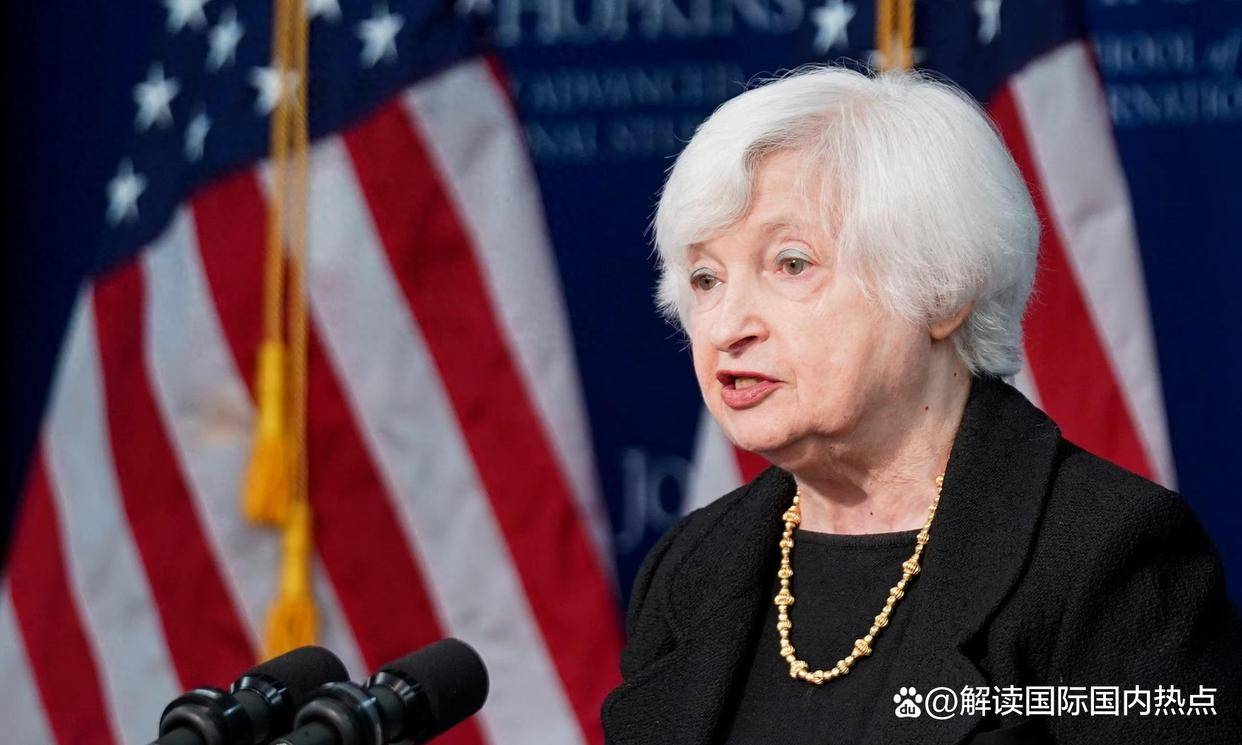
耶伦:中国真该谢谢特朗普,美国这下搞不好要成香蕉共和国了
Sou Hu Cai Jing· 2025-11-24 03:07
Core Viewpoint - Janet Yellen, former Federal Reserve Chair and U.S. Treasury Secretary, warns that the U.S. is becoming a "banana republic," indicating a severe alarm regarding national credit and economic stability [1][3]. Group 1: Economic Policy Concerns - Yellen expresses concern over the erosion of the Federal Reserve's independence, particularly due to Trump's demands for immediate interest rate cuts and threats to replace dissenting officials [5][7]. - The independence of the Federal Reserve is crucial for maintaining the credibility of the U.S. dollar, and any political interference could lead to a collapse of the firewall between monetary policy and fiscal discipline [7][10]. Group 2: Trade Policy and Economic Impact - Trump's imposition of tariffs has been described as reckless, with significant negative impacts on American households, potentially costing each middle-class family nearly $2,000 [8][10]. - The increase in tariffs has led to rising costs for various goods, contributing to inflation and a decline in consumer confidence, as evidenced by the Michigan Consumer Sentiment Index hitting a three-year low [8][11]. Group 3: Global Economic Standing - The U.S. manufacturing sector's share of the economy has decreased from 16.5% in the 1990s to 10.3%, while other countries like China maintain a higher percentage [11]. - The U.S. dollar has depreciated over 4% against a basket of major currencies since the announcement of new tariffs, reflecting market concerns about the dollar's credibility [15]. Group 4: Shift in Global Economic Dynamics - There is a noticeable trend of "de-dollarization," with global central banks reducing their dollar reserves and increasing holdings in gold or other currencies, driven by a natural response to the unpredictability of U.S. policies [16][17]. - In contrast to the U.S.'s retreat from international agreements, China is actively pursuing trade agreements, positioning itself as a stable economic partner amid global uncertainties [17][18].
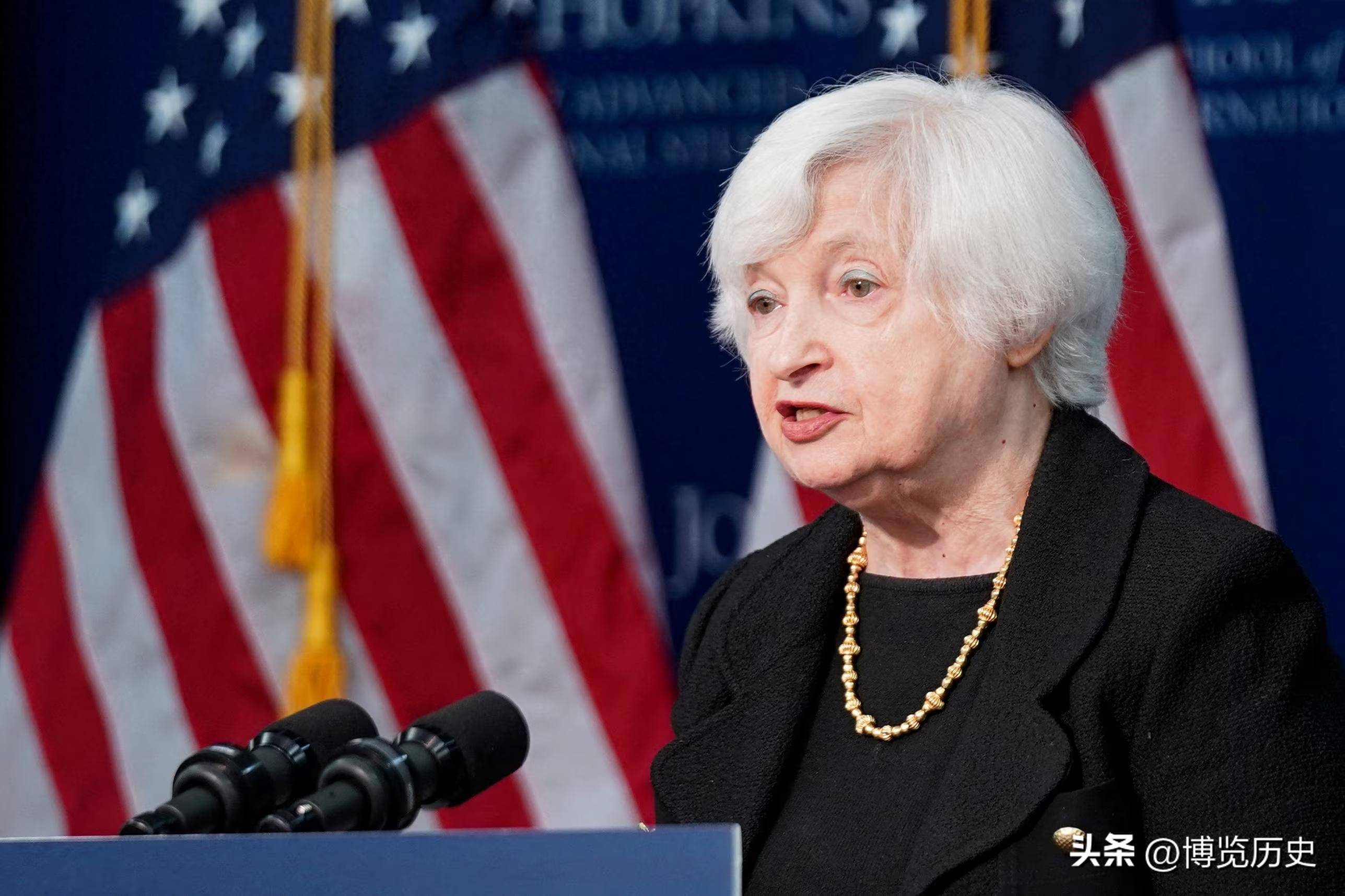
耶伦:中国真该谢谢特朗普,美国这下搞不好要成“香蕉共和国”了
Sou Hu Cai Jing· 2025-11-23 10:55
Core Viewpoint - Janet Yellen's statement likening the U.S. to a "banana republic" highlights concerns over the erosion of the Federal Reserve's independence and the potential consequences for the U.S. economy [5][11][39] Group 1: Economic Policy and Federal Reserve Independence - Yellen's use of the term "banana republic" reflects a serious warning about the state of U.S. economic governance and creditworthiness [5][9] - The independence of the Federal Reserve, which is crucial for maintaining the credibility of the U.S. dollar, is perceived to be under threat due to political pressures from former President Trump [9][11] - Trump's calls for immediate interest rate cuts and threats to dismiss Federal Reserve officials represent a significant departure from traditional norms of central bank independence [9][11] Group 2: Trade Policies and Economic Impact - Trump's imposition of tariffs, including a 10% basic tariff on nearly all imports and a staggering 125% on Chinese goods, has been criticized as reckless and damaging to the U.S. economy [15][17] - The tariffs are estimated to cost American middle-class families nearly $2,000 each, contributing to rising consumer prices and inflation [17][19] - The manufacturing sector's contribution to the U.S. economy has declined from 16.5% in the 1990s to 10.3% currently, indicating a failure to bring manufacturing back to the U.S. despite aggressive trade policies [21] Group 3: Global Economic Standing and Currency Valuation - Since the announcement of new tariffs in April, the U.S. dollar has depreciated by over 4% against a basket of major currencies, signaling market concerns about the dollar's credibility [27] - Central banks worldwide are reducing their dollar reserves, indicating a trend towards "de-dollarization" as a response to U.S. policy unpredictability [29] - The contrasting approaches of the U.S. and China in trade and economic policy are leading to a perception of China as a more stable and predictable economic partner [35][37]
耶伦发出吓人警告:特朗普正把美国变成香蕉共和国!中国该谢谢他
Sou Hu Cai Jing· 2025-11-23 05:52
Group 1 - Former Federal Reserve Chair Yellen expresses concern that the U.S. is at risk of becoming a "banana republic," characterized by economic reliance on a single crop, political corruption, and foreign capital control [1] - Yellen cites two main reasons for her concerns: the uncertainty of Trump's policies and the increasing social division and instability within the U.S. [3][9] - The example of Nvidia illustrates the impact of policy changes on companies, as the firm faced challenges due to U.S. export controls on high-end chips to China, leading to significant market losses [6] Group 2 - Trump's actions are perceived as undermining the independence of the Federal Reserve, which could lead to political interference in economic decision-making [8] - If the Federal Reserve loses its independence, traditional asset allocation strategies may fail, and the credibility of the U.S. dollar could be jeopardized, potentially resulting in severe economic consequences [9][13] - There is a growing sentiment that if these trends continue, the U.S. could be manipulated by external forces, furthering the risk of becoming a "banana republic" [13]
美媒说中国真得感谢特朗普,美国这回怕是要变成香蕉共和国了
Sou Hu Cai Jing· 2025-11-23 04:59
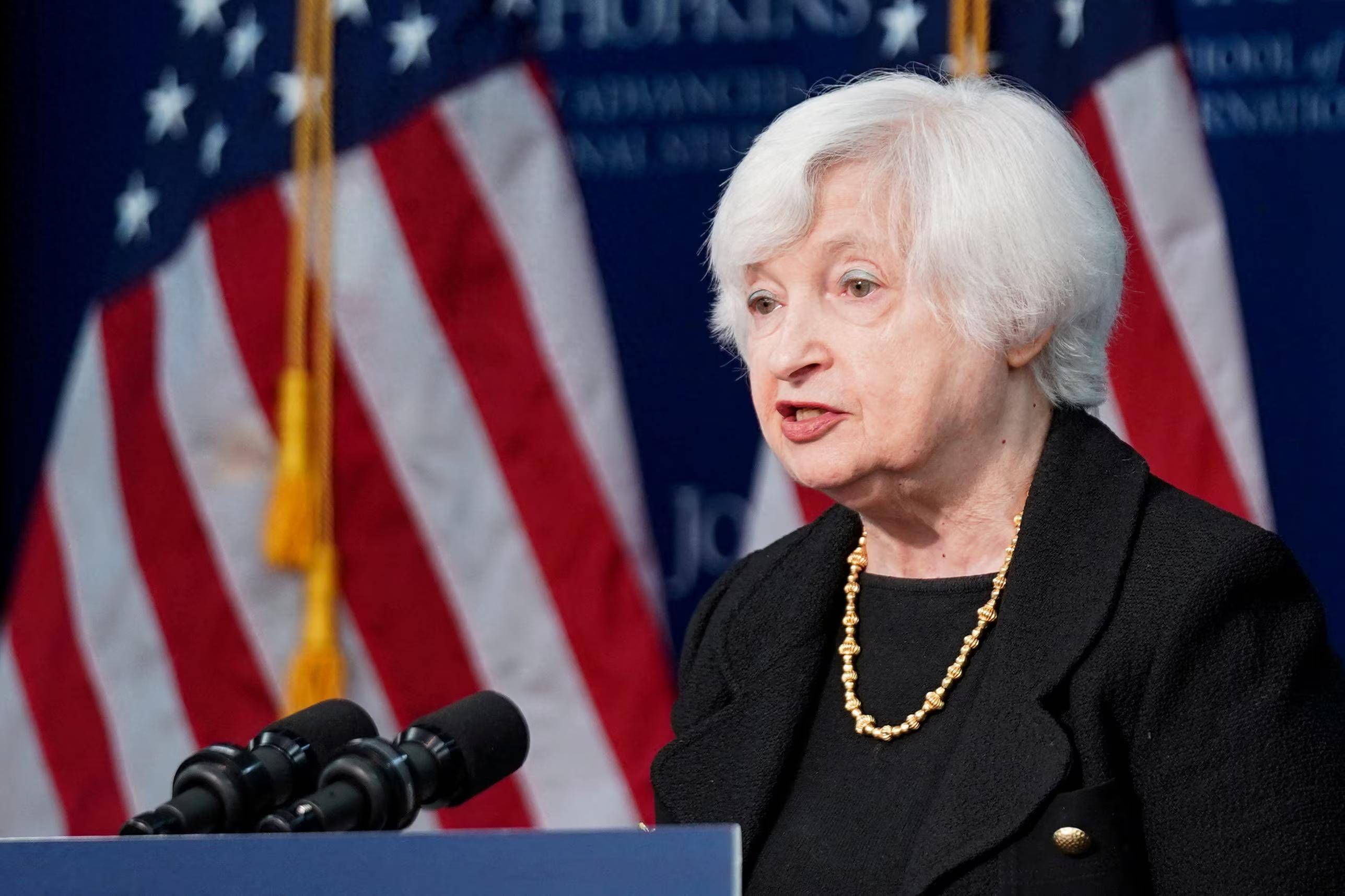
Core Points - Janet Yellen's use of the term "banana republic" signifies a serious warning about the current state of the U.S. economy and political environment, indicating a systemic crisis [2][3][30] - The independence of the Federal Reserve has been challenged, particularly during the Trump administration, which has implications for economic stability and governance [10][14][35] - The current economic policies lack coherence and are driven by political expediency rather than long-term growth strategies, resembling the economic logic of a "banana republic" [12][14][35] Federal Reserve and Monetary Policy - The Federal Reserve was designed to be insulated from political pressures, focusing solely on controlling inflation and stabilizing employment [5][7] - Political interference during the Trump administration has threatened the Fed's independence, with attempts to manipulate monetary policy for fiscal convenience [10][35] - The current political climate raises concerns about the Fed's ability to respond effectively to economic challenges, particularly regarding asset bubbles and debt management [17][35] Economic Conditions - The U.S. economy is experiencing structural imbalances, with significant investment concentrated in AI-related sectors while traditional industries stagnate [15][35] - Tariff policies have become erratic and inconsistent, leading to uncertainty for businesses and contributing to economic instability [12][14] - The rising number of business closures and unemployment rates reflects a deteriorating economic environment, exacerbated by ineffective government responses [14][19] Social and Political Climate - A "chilling effect" is noted, where individuals and businesses are hesitant to express dissent due to fear of political repercussions, undermining democratic principles [12][35] - The widening wealth gap and increasing poverty rates highlight systemic issues within the economy, with significant social consequences [19][35] - The erosion of trust in institutions and the rule of law is evident, with violence and social unrest becoming more prevalent [21][35] Global Implications - The U.S. dollar's status as a global reserve currency is under threat, as international investors seek alternatives amid rising political and economic instability [23][35] - The shift towards a multipolar currency system indicates a gradual decline in the dollar's dominance, which could have long-term repercussions for U.S. economic power [25][35] - Yellen's warnings reflect a broader concern about the U.S. losing its competitive edge due to internal political strife and economic mismanagement [28][35]
美媒说中国真得感谢特朗普,美国这下可能真要变香蕉共和国了,局势越来越不对劲
Sou Hu Cai Jing· 2025-11-23 00:22
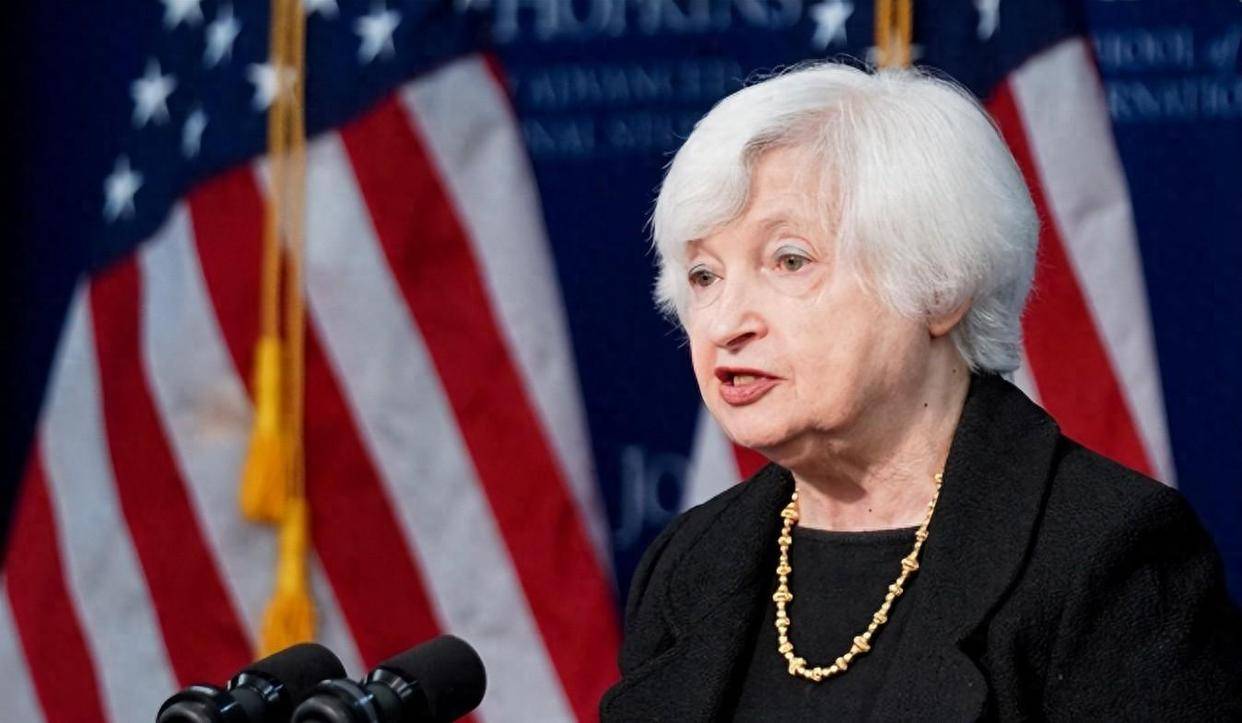
Core Viewpoint - Janet Yellen's statement about the U.S. resembling a "banana republic" serves as a structural warning about the degradation of the American political and economic system, highlighting the erosion of institutional integrity and predictability that once attracted global capital [1][12][25] Group 1: Institutional Degradation - The first sign of institutional decline is the arbitrary nature of rules, as seen during Trump's presidency where executive power was used to intervene in market operations, undermining the rule of law [3][5] - The independence of the Federal Reserve, crucial for the global credibility of the U.S. dollar, has been compromised by political pressures, transforming it into a political tool rather than a technical institution [7][12] - The erosion of institutional trust is gradual and insidious, manifesting in administrative interventions and the cancellation of research contracts due to political pressure, ultimately damaging the nation's credit assets [10][25] Group 2: Talent and Financial Systems - The U.S. talent system, once a magnet for top scientists and entrepreneurs, is suffering from ideological influences on research funding and increased barriers for skilled immigrants, leading to a brain drain [5][12] - The financial system's integrity is at risk as the Federal Reserve's decisions are increasingly influenced by political needs rather than economic data, jeopardizing long-term economic stability [7][12] Group 3: Global Capital Dynamics - The decline in the U.S. institutional trust is prompting global capital to seek more stable environments, with countries like China benefiting from perceived stability in their institutional frameworks [8][20] - The shift in global capital allocation is moving from a focus on strength to a focus on stability, where clear rules and predictable policies become paramount for attracting investment [20][23] Group 4: Historical Context and Future Implications - Historical examples illustrate that the decline of great powers often begins with internal institutional decay, emphasizing the importance of maintaining robust institutional frameworks [18][25] - The current trajectory suggests that the U.S. is at risk of becoming a cautionary tale for other nations, highlighting the need for countries to demonstrate their institutional reliability through consistent actions rather than rhetoric [20][25]