
否决政治

Search documents
美国政府开始漫长的重启
Bei Jing Shang Bao· 2025-11-13 14:33
Core Points - The U.S. government shutdown, lasting 43 days, has officially ended with President Trump signing a temporary funding bill, but it may face another shutdown risk in early 2024 [2][5][6] - The shutdown resulted in an estimated loss of $1.5 trillion to the economy, with significant impacts on federal programs and services [3][4] - The political divide between the two parties remains deep, with ongoing negotiations expected to continue, potentially leading to future funding crises [6][7] Economic Impact - The Congressional Budget Office predicts a decline of 1 to 2 percentage points in the annualized GDP growth rate by Q4 2025 due to the shutdown [2] - The shutdown disrupted food assistance programs affecting 42 million Americans, leading to increased demand at food banks [3] - The aviation industry experienced significant disruptions, with over 1,000 flights delayed or canceled daily during the shutdown [4] Future Outlook - The temporary funding bill only extends government operations until January 30, 2024, indicating a likelihood of renewed budgetary conflicts shortly thereafter [5][6] - The lack of resolution on key issues, such as healthcare subsidies, suggests that the underlying political tensions remain unresolved [6][7] - The absence of reliable economic data due to the shutdown may complicate the Federal Reserve's decision-making regarding interest rates in the coming months [8][9]

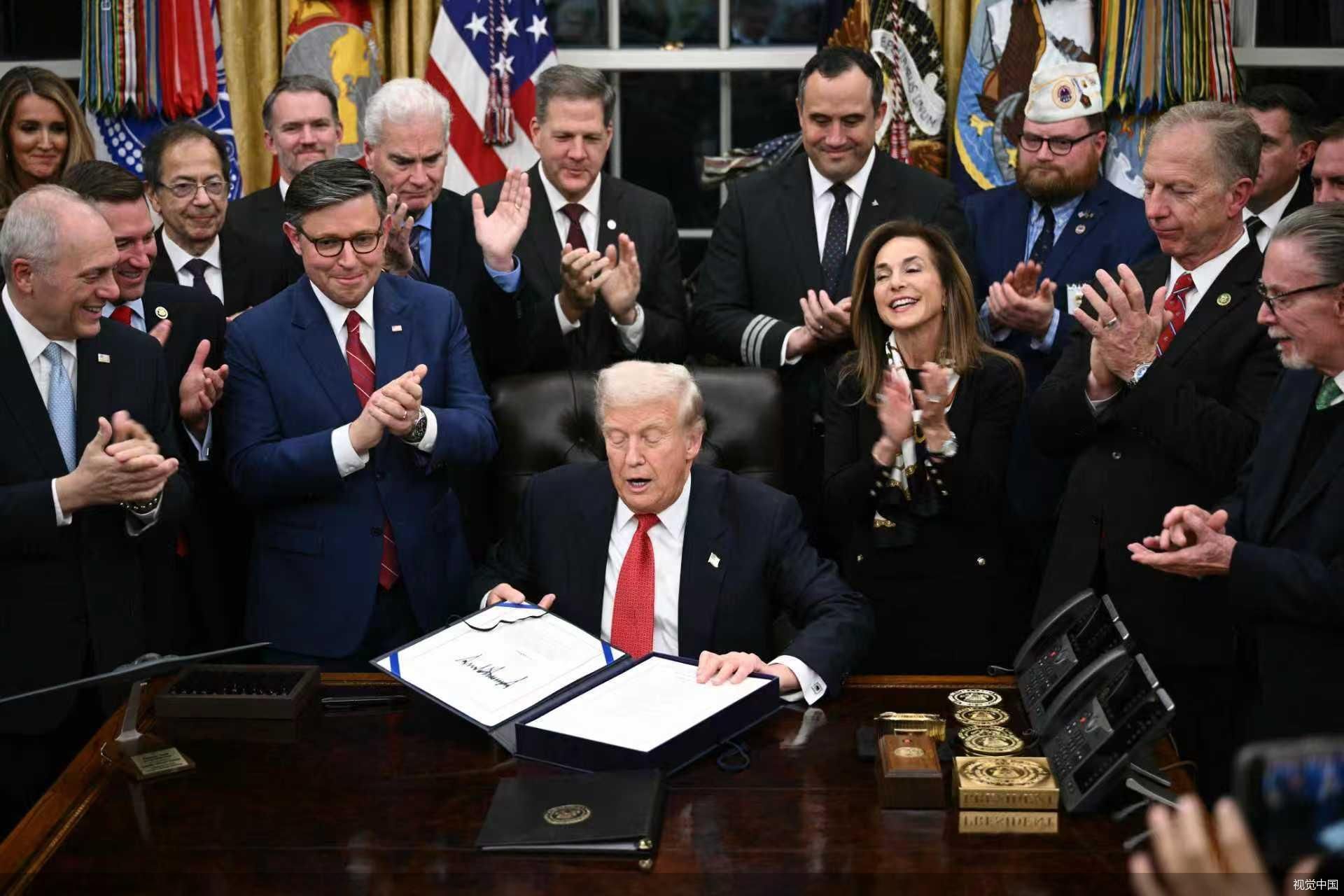
特稿丨盘点美政府“停摆”的经济民生“坏账”
Xin Hua Wang· 2025-11-13 05:36
Core Points - The U.S. government shutdown lasted for a record 43 days and has now ended with the passing of a temporary funding bill, but the economic and social impacts are significant and lasting [1][3] Economic Impact - The Congressional Budget Office estimates that the shutdown could lead to a $11 billion economic loss if it lasts for 6 weeks, and up to $14 billion if it extends to 8 weeks, with a potential decrease in GDP growth rate by 1 to 2 percentage points in Q4 [7] - The shutdown has exacerbated an already weak U.S. economy, with canceled flights and delayed consumer spending contributing to long-term economic repercussions [7] Social Impact - Approximately 42 million Americans are affected by disruptions in the Supplemental Nutrition Assistance Program due to the shutdown, leading to significant hardship for low-income families [2] - Federal employees have also faced wage delays, with some relying on food assistance programs during the shutdown [2] Transportation Sector Impact - The shutdown has caused significant disruptions in the aviation sector, with thousands of flights delayed or canceled, leading to operational chaos at airports [4][6] - The Federal Aviation Administration has reduced flight numbers at 40 major airports, with daily cancellations reaching nearly 3,000 and delays exceeding 10,000 flights on certain days [4][6] Political Context - The shutdown reflects deep political polarization in the U.S., with both parties blaming each other for the suffering of the public, particularly low-income individuals [2][3] - The political stalemate has made it increasingly difficult to reach compromises on critical issues such as government funding [7]
盘点美政府“停摆”的经济民生“坏账”
Xin Hua She· 2025-11-13 05:26
Economic Impact - The recent government shutdown lasted for 43 days, marking a record duration, and has left significant economic and social damages, referred to as "bad debts" [1][3] - The Congressional Budget Office estimates that if the shutdown lasts for 6 weeks, the economic loss could reach $11 billion, and if it extends to 8 weeks, losses could rise to $14 billion, with a potential decrease in GDP growth rate by 1 to 2 percentage points in Q4 [7] Social Consequences - The shutdown has severely impacted low-income groups, with 42 million Americans affected by disruptions in the Supplemental Nutrition Assistance Program, leading to emotional distress among recipients [2][3] - Federal employees have also faced wage delays, with some resorting to food banks, highlighting the human cost of political stalemate [2] Transportation Sector - The aviation sector experienced significant disruptions, with thousands of flights delayed or canceled, leading to chaos at airports and raising safety concerns due to air traffic controller shortages [4][5] - The American Airlines Association reported that approximately 5.2 million passengers were affected by flight delays or cancellations since the shutdown began [5] Long-term Economic Outlook - Analysts suggest that the recurring nature of government shutdowns, driven by increasing political polarization, complicates consensus on critical issues like government funding, potentially leading to long-term economic repercussions [7] - The inability to recover lost economic activities, such as canceled flights and missed dining reservations, further exacerbates the economic fallout from the shutdown [7]
美国政府长达43天的“停摆”结束 经济民生已遭巨大创伤
Zhong Guo Xin Wen Wang· 2025-11-13 05:24
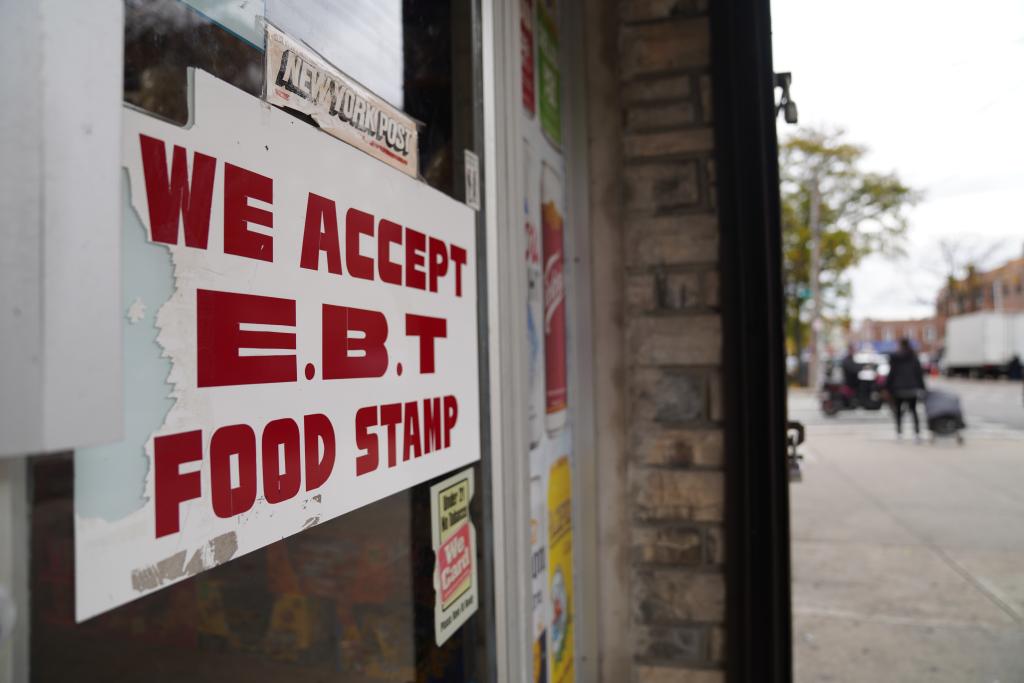
Core Points - The U.S. government shutdown lasted for 43 days, marking the longest in U.S. history, and has now ended with President Trump signing a temporary funding bill [1] Group 1: Impact on Public Welfare - The shutdown directly affected ordinary Americans, particularly low-income families, with the Supplemental Nutrition Assistance Program (SNAP) impacting around 42 million people [4] - Over 1 million federal employees faced unpaid leave, with some required to work without pay, raising concerns about whether they would receive back pay [4] - The political struggle was described as using the suffering of the public for political gain, with comments highlighting the cruelty of the situation for the poor [4] Group 2: Economic Consequences - The aviation industry was severely impacted, with the Federal Aviation Administration (FAA) forced to reduce flight volumes at 40 major airports by up to 10% due to staff shortages [6] - Daily flight cancellations exceeded 2,800, with delays surpassing 10,000, leading to significant disruptions in air travel [6] - The Congressional Budget Office projected a 1-2 percentage point decrease in the annualized growth rate of U.S. GDP by the fourth quarter of 2025 due to the shutdown, with permanent economic losses estimated between $7 billion and $14 billion [6] Group 3: Political Dynamics - The shutdown stemmed from increasing "veto politics" between the two major parties, with a lack of compromise on key issues such as government funding and healthcare subsidies [9] - Historical context shows that since 1976, there have been 20 funding gaps leading to 10 government shutdowns, indicating a pattern of political dysfunction [9] - The crisis has eroded consumer confidence, with the potential for government shutdowns becoming a normalized occurrence, undermining public trust and national cohesion [9]
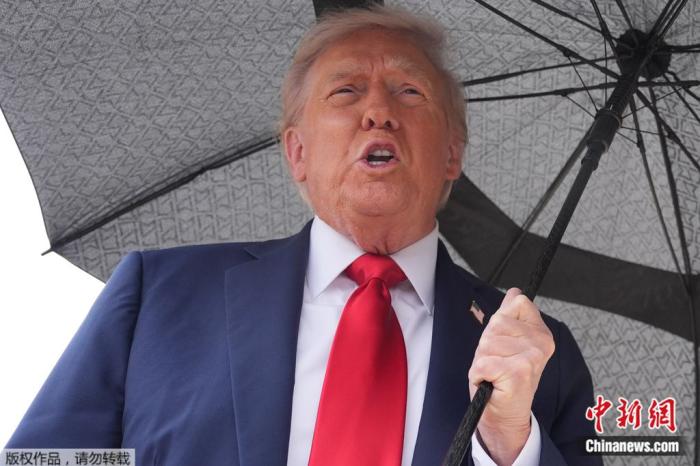
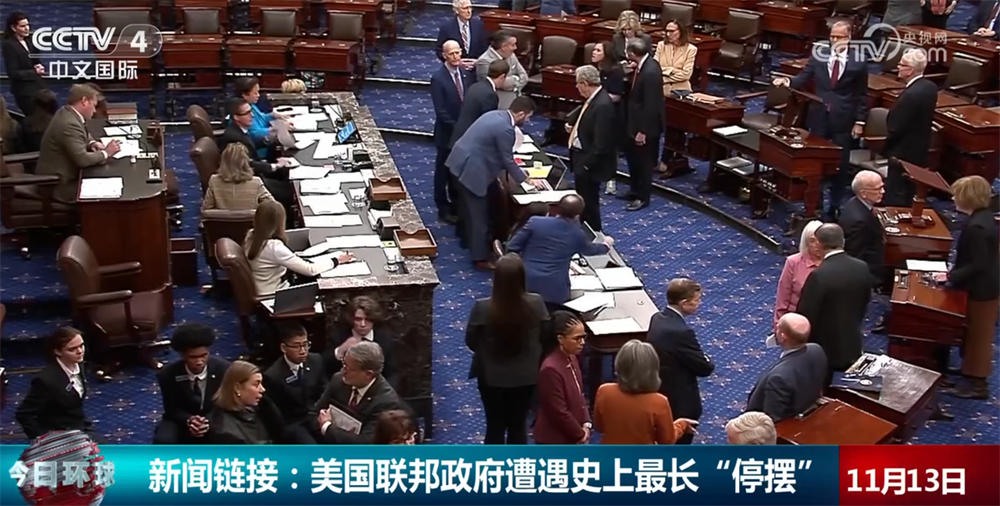
美国联邦政府遭遇史上最长“停摆” 民众不得不承担“否决政治”代价
Yang Shi Wang· 2025-11-13 03:51
Core Points - The current U.S. federal government shutdown has lasted over 6 weeks, breaking the previous record of 35 days [1] - The shutdown is a result of the inability of Congress to pass a new annual budget due to intense partisan conflicts, leading to attempts at temporary funding measures [1] - The House of Representatives, controlled by Republicans, passed a temporary funding bill, but it failed to pass in the Senate due to disagreements over healthcare provisions [3] - The Senate has held 14 votes on the temporary funding bill without success, leading to the government shutdown as of October 1 [5] - The shutdown has caused significant disruptions, including absenteeism among air traffic controllers and delays in food assistance programs affecting millions of Americans [7] - Only 3 out of the required 12 annual budget appropriations have been passed, indicating a potential for future shutdowns if negotiations do not progress [9]
特朗普签署临时拨款法案,美政府结束“停摆”
21世纪经济报道· 2025-11-13 03:46
Core Points - The article discusses the end of the longest federal government shutdown in U.S. history, which lasted for 43 days, following the signing of a temporary funding bill by President Trump [1][3][4]. Group 1: Government Shutdown Details - The temporary funding bill was passed by the House of Representatives with a vote of 222 in favor and 209 against, providing funding for government operations until January 30, 2026 [3]. - The shutdown broke the previous record of 35 days, highlighting the increasing difficulty in reaching bipartisan agreements in Congress [3][4]. - The government typically relies on annual budget appropriations, but partisan conflicts have led to the use of temporary funding measures to keep operations running [5]. Group 2: Impact of the Shutdown - The shutdown resulted in significant disruptions, including many air traffic controllers working without pay, leading to widespread absenteeism and chaos in the aviation sector, affecting millions of travelers [11]. - The federal food assistance program, which impacts 42 million Americans, faced payment suspensions, causing long lines at food distribution centers as demand surged [11]. Group 3: Future Implications - The current temporary funding bill only covers three of the twelve required appropriations, indicating that negotiations will continue, and there is a risk of another shutdown in two months [12].
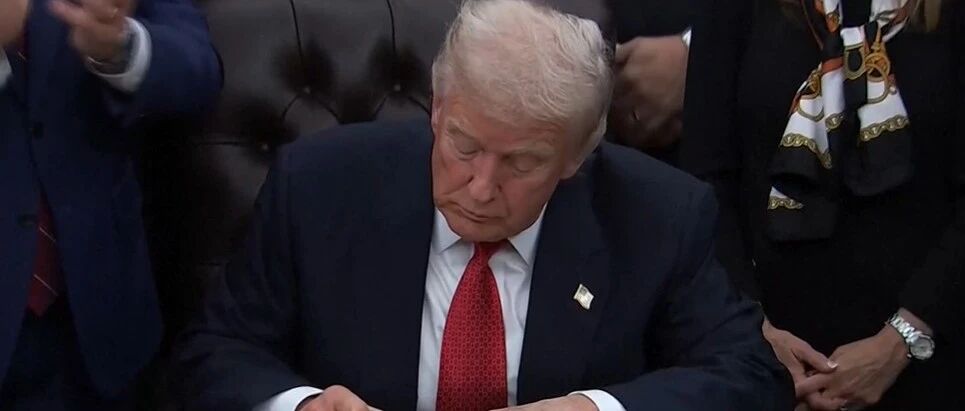
美国政府结束“停摆”
Xin Jing Bao· 2025-11-13 03:32
Group 1 - The U.S. federal government shutdown lasted for 43 days, marking the longest shutdown in history, which ended on November 12 when President Trump signed a temporary funding bill [1][2] - The temporary funding bill was passed by the House of Representatives with a vote of 222 in favor and 209 against, providing funding for most government agencies until January 30, 2026 [1][2] - The shutdown broke the previous record of 35 days, highlighting ongoing partisan conflicts in Congress that have hindered timely budget approvals [2] Group 2 - The core issue leading to the shutdown was the inability of the two parties to agree on a budget, particularly regarding healthcare funding, with Democrats criticizing the Republican proposal for neglecting healthcare priorities [2] - During the shutdown, significant disruptions occurred in the aviation sector, with air traffic controllers working without pay, leading to widespread absenteeism and chaos in air travel [3] - The shutdown also affected the Supplemental Nutrition Assistance Program (SNAP), impacting 42 million Americans and causing long lines at food assistance sites due to halted payments [3] Group 3 - The temporary funding bill only covers three of the twelve required annual appropriations, indicating that Congress will need to negotiate further, potentially leading to another shutdown in two months [4]
历史最长“停摆”将结束,美国“坏账”继续
Xin Hua Wang· 2025-11-13 01:57
Core Points - The U.S. Congress passed a temporary federal funding bill, ending a record 43-day government shutdown, which had significant negative impacts on the economy and public welfare [1] - The shutdown affected 42 million Americans relying on the Supplemental Nutrition Assistance Program, causing emotional distress among low-income families [2][3] - The aviation industry faced severe disruptions, with thousands of flights delayed or canceled, leading to economic losses estimated between $285 million to $580 million daily [7][8] Economic Impact - The government shutdown is expected to reduce the U.S. GDP growth rate by 1 to 2 percentage points in the fourth quarter, with an estimated economic loss of $11 billion if the shutdown lasts six weeks [8][10] - The prolonged shutdown has exacerbated existing economic weaknesses, with potential long-term effects on public welfare and travel sectors [10]
美联邦政府最长“停摆”折射治理之失(环球热点)
Ren Min Ri Bao Hai Wai Ban· 2025-11-10 22:57
Core Points - The U.S. federal government is experiencing its longest shutdown in history, now entering its 40th day, with a temporary funding bill only providing resources until January 2026 [2][3] - The shutdown has significant impacts on the economy and public welfare, with millions affected as political disputes overshadow the needs of ordinary citizens [2][9] Political Dynamics - The shutdown began on October 1, following a failure to pass a temporary funding bill in the Senate, with both parties blaming each other for the impasse [2][4] - The Republican Party is using the shutdown to push for cuts to government employment and programs supported by Democrats, while Democrats are trying to maintain their political stance ahead of upcoming elections [4][5] Legislative Challenges - The current political polarization has made it increasingly difficult for Congress to complete budgetary processes, with no fiscal year starting without a completed budget since the 21st century [6][8] - The Senate's "filibuster" rules complicate the passage of funding bills, requiring a supermajority for closure on debates, which has become a significant hurdle [7][8] Economic Impact - The shutdown is projected to reduce the U.S. GDP growth rate by 1-2 percentage points in Q4, with estimates suggesting a loss of approximately $15 billion for each week the shutdown continues [11] - Essential services and welfare programs are being severely affected, including food assistance for 42 million people and heating subsidies for low-income families [9][10] Public Sentiment - Polls indicate that a majority of Americans feel disconnected from both political parties, with nearly 80% expressing dissatisfaction with Congress's performance [11]

刚刚,美国会参议院就结束政府“停摆”达成一致
Jin Rong Shi Bao· 2025-11-10 04:30
Group 1 - The U.S. Senate has reached an agreement to end the federal government shutdown that has lasted for 40 days, with President Trump indicating that a resolution is near [1] - The Senate previously rejected two bipartisan funding bills, leading to the shutdown that affected hundreds of thousands of federal employees and various government services [1] - A new funding bill, which includes short-term funding measures until January 2026 and three annual appropriations bills, is expected to pass with sufficient Democratic support [1] Group 2 - The ongoing government shutdown has severely impacted multiple industries, with officials warning of economic downturns and disruptions to citizens' daily lives [1] - The Senate's inability to pass funding bills has resulted in a historic low in legislative efficiency, with 14 rejections of the same bill during the shutdown [2] - The aviation industry has been particularly affected, with over 2,000 flight cancellations and more than 7,000 delays reported, attributed to air traffic control staffing shortages [2]