联名经济

Search documents
“联名混战”时代,麻六记为什么能持续出圈?
新浪财经· 2026-03-06 09:29
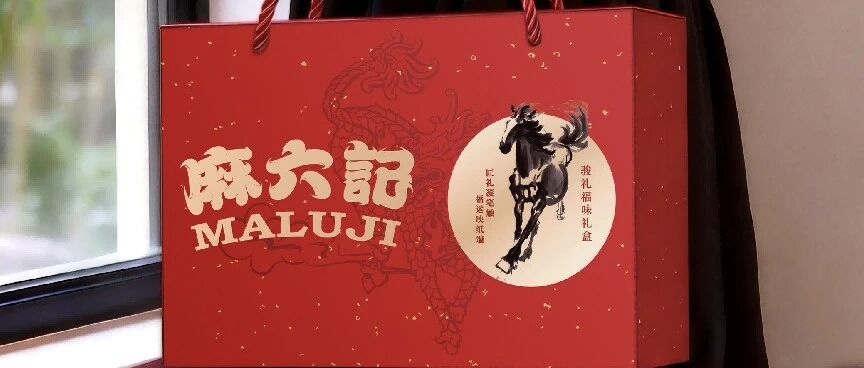
Core Insights - The restaurant industry is facing a significant challenge characterized by "difficulties in dish innovation and brand homogenization," leading to a fierce competition where brands struggle to establish differentiated advantages [2] - Data indicates that nearly three million restaurant outlets are expected to close in 2024, with the trend continuing into 2025, highlighting a severe industry shakeout [2] - The closure rates for small restaurants (fewer than 10 outlets) have increased from 27% to 34% within three months, with about 50% closing within six months, while larger chain brands see a closure rate of nearly 40% within six months [2] Differentiation Strategies - Malu Ji has successfully navigated the competitive landscape by adopting a differentiated approach through high-frequency and high-quality IP collaborations, transforming from a mere food provider to a cultural lifestyle symbol [2][12] - Collaborations with notable IPs such as Beibingyang and Zhu Bingren have allowed Malu Ji to create unique consumer experiences that resonate with cultural heritage and emotional value [12][15] - The partnership with Capybara "It It" has proven particularly effective, selling over 30,000 joint meal sets and generating significant online sales, demonstrating the potential of local IPs in driving consumer engagement [4][12] Cultural and Emotional Engagement - Malu Ji's strategy emphasizes the integration of cultural elements and emotional connections, as seen in their limited edition Spring Festival gift boxes in collaboration with the Xu Beihong Art Museum, which sold out quickly and showcased the conversion of cultural value into commercial success [8][12] - The brand's focus on local culture and intangible heritage has led to the establishment of a closed-loop growth model that enhances revenue through cultural empowerment and scene-breaking strategies [12][15] Brand Positioning and Market Trends - The rise of the "collaboration economy" in the consumer market is evident, with the market size expected to reach 300 billion yuan by 2025, indicating a growing trend in brand collaborations [27] - Malu Ji's approach to collaborations is not merely a marketing tactic but a strategic integration of various business operations, enhancing brand relevance across multiple consumer scenarios [30] - The brand prioritizes partnerships that align with its values, focusing on heritage and craftsmanship, which elevates both product quality and brand perception [30][31] Long-term Value Creation - The shift from attracting traffic to retaining customer loyalty is crucial, as consumers increasingly seek cultural experiences and lifestyle expressions rather than just dining [24] - Malu Ji's evolution reflects a broader industry trend where brands that prioritize value and long-term relationships with consumers are more likely to thrive amid market challenges [31]

荣耀联姻泡泡玛特:一部潮玩手机背后的商业突围战
Xin Lang Cai Jing· 2026-01-16 07:31
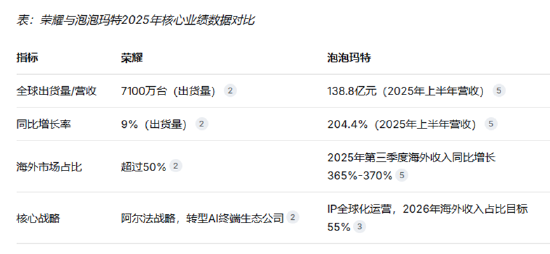
Core Insights - Honor will launch the industry's first trendy toy smartphone in collaboration with Pop Mart on January 19, 2026, reflecting both companies' ambitions for differentiation and new commercial strategies [1][9] - The global smartphone market has seen a decline in shipment volumes for several consecutive quarters, making collaborative partnerships a strategic choice rather than just a marketing gimmick [10][12] Group 1: Market Context - In Q3 2025, China's smartphone market shipped approximately 68.4 million units, a slight year-on-year decrease of 0.5%, with Honor and OPPO tied for fifth place with 9.9 million units each [12] - The smartphone industry's cost structure is rising, putting significant operational pressure on global manufacturers, while high-end market consumers remain less price-sensitive if products demonstrate sufficient technological innovation [12] - Honor's collaboration with Pop Mart aims to achieve product differentiation through trendy toy IPs, breaking through the homogenization of competition [12] Group 2: Company Performance - Honor's global shipment volume reached 71 million units in 2025, with a 9% year-on-year increase, and overseas sales grew by 47%, marking the first time overseas sales accounted for over half of total sales [10][13] - Pop Mart reported a revenue of 13.88 billion yuan in the first half of 2025, a year-on-year increase of 204.4%, with significant growth in both domestic and overseas markets [10][13] Group 3: IP Value and Business Logic - Pop Mart's IP empire is expanding rapidly, with the LABUBU series generating 4.81 billion yuan in revenue in the first half of 2025, a staggering year-on-year growth of 668% [14][16] - The collaboration with Honor allows Pop Mart to extend its IP value into the 3C digital field, reaching a broader audience beyond its core fan base [14] - Analysts categorize IP collaborations into lightweight partnerships focusing on branding and deep customizations that integrate IP culture throughout the product lifecycle [14][15] Group 4: Future Outlook - The collaboration between Honor and Pop Mart has the potential to create genuine value integration, moving beyond superficial marketing tactics [17] - Pop Mart's global strategy aims for overseas revenue to account for 55% by 2026, with significant growth in international markets already observed [17][18] - Recent trends in Pop Mart's blind box business show a divergence between online sales and secondary market performance, indicating a more rational development phase in the trendy toy market [18]

《鬼灭》撤档疑云,或将重创联名潮玩
3 6 Ke· 2025-11-19 04:10
Core Insights - The film "Demon Slayer: Infinity Castle Chapter 1 Akaza Strikes Again" has achieved a box office of over 400 million yuan and over 1.12 million viewers in mainland China, amidst rumors of its imminent withdrawal from theaters [1] - Despite the uncertainty surrounding its screening schedule, various brands have launched collaborative products with the "Demon Slayer" IP, indicating strong market interest and potential economic impact [4][5] Group 1: Brand Collaborations - Luckin Coffee has launched a series of collaborative products with "Demon Slayer," including a high-priced coffee set that has seen significant consumer interest, demonstrating the effectiveness of IP-driven marketing [3][4] - Other brands, such as Nestlé, Uniqlo, and Pizza Hut, have also engaged in collaborations, offering themed products that have resonated well with consumers, showcasing the broad appeal of the IP [3][4] - The collaboration has extended to the collectible market, with brands like Pop Mart releasing themed blind boxes, indicating a robust demand for merchandise associated with the IP [4][5] Group 2: Market Dynamics - The "Demon Slayer" phenomenon reflects a broader trend in the Chinese market where classic IPs are leveraged for consumer engagement, particularly in the rapidly growing "collaboration economy" [5][6] - The East Asian market has established a complementary relationship where Japan excels in IP creation while China focuses on consumerization, leading to mutual benefits [6][9] - The current market dynamics present an opportunity for Chinese IPs to emerge, as the reliance on foreign IPs poses risks related to high licensing costs and market volatility [10][11] Group 3: Future Directions - Industry experts suggest that Chinese IPs should focus on creating unique content that resonates with local cultural values, moving away from the perception that "two-dimensional" content is solely Japanese [11][12] - There is a call for a shift from merely importing and monetizing foreign IPs to developing and globally operating homegrown IPs, which could enhance the sustainability of the industry [13][14] - Companies like Tencent and Yu Wen Group are already exploring this direction by expanding their IP portfolios and engaging in international markets, indicating a shift towards a more integrated and self-sufficient industry structure [14][15]


年轻人过节新时尚:玩转“联名经济”
Xin Hua Wang· 2025-10-08 02:19
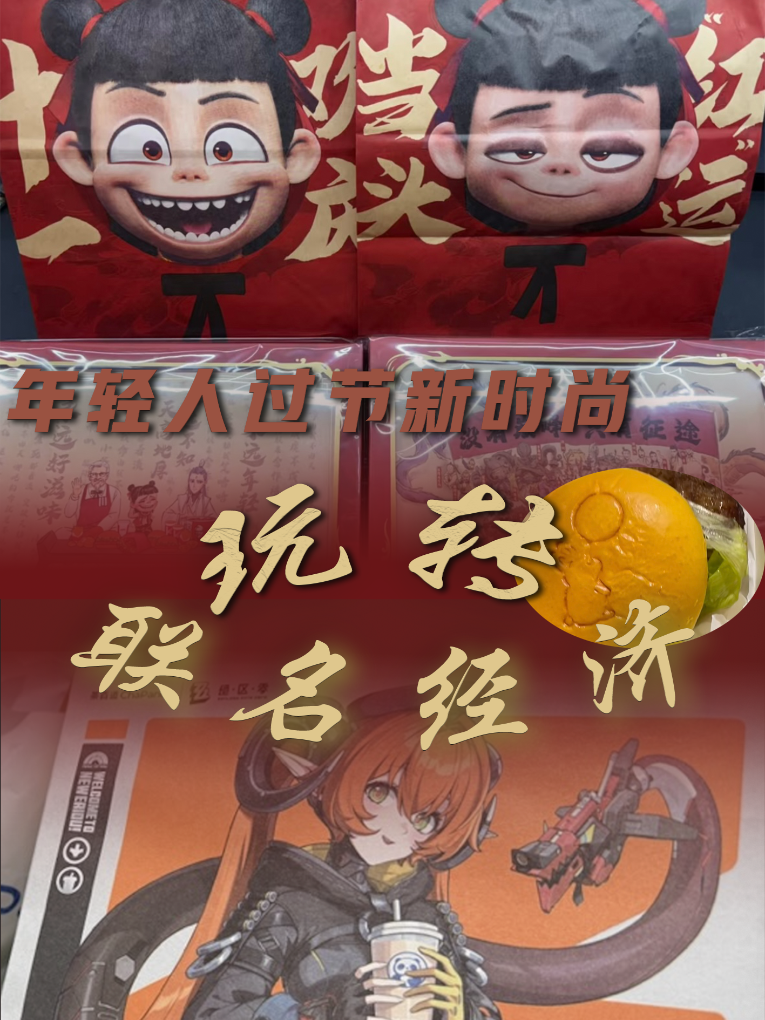
Core Insights - The collaboration between KFC and the movie "Ne Zha" has become a popular choice among consumers during the National Day and Mid-Autumn Festival, showcasing the effectiveness of co-branding in attracting younger audiences [2][4] - The IP derivative market in China is projected to grow from 174.2 billion yuan in 2024 to 335.7 billion yuan by 2029, indicating a significant trend towards cross-industry collaborations that infuse traditional festivals with youthful energy [2] - Co-branded products are bridging generational gaps, enhancing family interactions and redefining the concept of holiday gifts, as seen in various examples of thoughtful gift selections by consumers [4][6] Industry Trends - The rise of co-branded products is reshaping consumer behavior, with younger generations increasingly valuing emotional and experiential aspects over mere price considerations [6] - A report indicates that nearly 60% of young people are willing to pay for emotional value, a significant increase from the previous year, highlighting a shift in consumer priorities towards quality and experience [6] - Co-branded items serve as cultural carriers and emotional connections, reflecting a blend of traditional and modern influences in consumer products [6]
游戏场景现实落地吸引新用户 茶饮IP联名后续热度难维持
Nan Fang Du Shi Bao· 2025-08-11 23:16
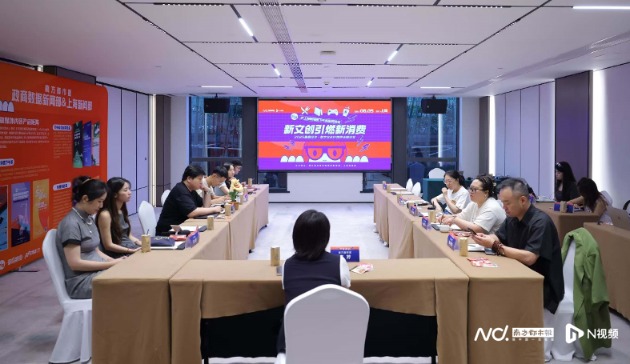
Core Insights - The event "New Cultural Creation Ignites New Consumption" held in Shanghai focused on the intersection of digital culture and consumer behavior, emphasizing the importance of IP cross-industry empowerment and innovation in the digital cultural industry [8][10][12]. Group 1: Industry Trends - Digital cultural IP is reshaping the consumption logic of young people, with local governments promoting ecological collaboration in the cultural industry [8][10]. - The integration of technologies like AIGC and business models such as "Guzi Economy" and "Co-branding Economy" is expected to break down industry barriers and drive high-quality economic development [8][10]. - The concept of "emotional embedding" and "social interaction empowerment" is crucial for brands to maintain consumer enthusiasm, as young consumers prioritize emotional connections with products [9][10]. Group 2: Brand Collaboration Strategies - Brands are increasingly focusing on "tone alignment" when selecting collaboration partners, ensuring that the IP's characteristics resonate with their own brand identity [10][11]. - Softstar Technology emphasizes the importance of cultural depth and innovation in collaborations, showcasing successful partnerships with various brands to enhance consumer engagement [10][11]. - Century Huatong has successfully collaborated with hotels and traditional brands, demonstrating that diverse partnerships can rejuvenate brand images and attract younger audiences [11][12]. Group 3: Challenges and Considerations - The tea beverage brand Lemon Right has observed a slowdown in collaboration frequency, highlighting the need for brands to focus on building their own identity while selectively engaging in IP collaborations [13][14]. - Concerns about the effectiveness of collaborations in delivering added value are prevalent, with brands emphasizing the importance of product quality before pursuing co-branding opportunities [14][15]. - The integration of AI in IP collaborations is gaining traction, but many companies remain cautious due to concerns about AI-generated content potentially harming brand reputation [15][16]. Group 4: Intellectual Property Protection - Intellectual property protection is essential for maintaining the value and scarcity of IP, with significant investments required to cultivate successful IPs [16][17]. - The rise of counterfeit products poses challenges for IP holders, necessitating proactive measures to protect brand reputation and market integrity [16][17]. - The industry is actively exploring various legal pathways for protecting intellectual property rights, indicating a collective effort to address infringement issues [16][17].



IP联名、谷子潮玩撬动情绪消费,这波风口还跟不跟?
Nan Fang Du Shi Bao· 2025-08-07 11:20
Group 1 - The core viewpoint of the articles highlights the transformation of consumer behavior among Generation Z, emphasizing emotional engagement and social empowerment as key drivers of consumption [1] - Digital cultural IPs are evolving into "super interfaces" that activate various industries such as cultural tourism, retail, and food and beverage [1] - Government policies are facilitating the development of a collaborative ecosystem in the cultural industry, promoting a model based on content creation, digital transformation, derivative development, and cross-industry empowerment [1] Group 2 - The "New Cultural Creation Ignites New Consumption" salon in Shanghai focused on discussions around innovation in the digital cultural industry and deep development of digital cultural IPs [2][4] - The concept of "tone alignment" emerged as a key consideration for brands when selecting IP partners, emphasizing the importance of compatibility in brand identity [5][7] - Companies like Softstar Technology and Century Huatong are exploring cross-industry collaborations to enhance brand visibility and consumer engagement [9][11] Group 3 - The tea beverage brand Lemon Right has observed a slowdown in the pace of IP collaborations, indicating a shift towards strengthening its own brand identity [12][14] - The importance of brand building is emphasized, with companies recognizing that successful collaborations should enhance their core offerings rather than solely relying on emotional value [14][15] - AI technology is being integrated into IP collaborations, providing interactive experiences and enhancing consumer engagement [17] Group 4 - Intellectual property protection is crucial for the value realization of IPs, with ongoing challenges related to infringement and the need for effective enforcement strategies [19] - The rise of counterfeit products, such as the imitation of the popular IP "Labubu," highlights the ongoing issues within the industry regarding brand reputation and market integrity [19]
新华全媒+|联名经济打开青年消费“新空间”
Xin Hua She· 2025-08-01 13:06
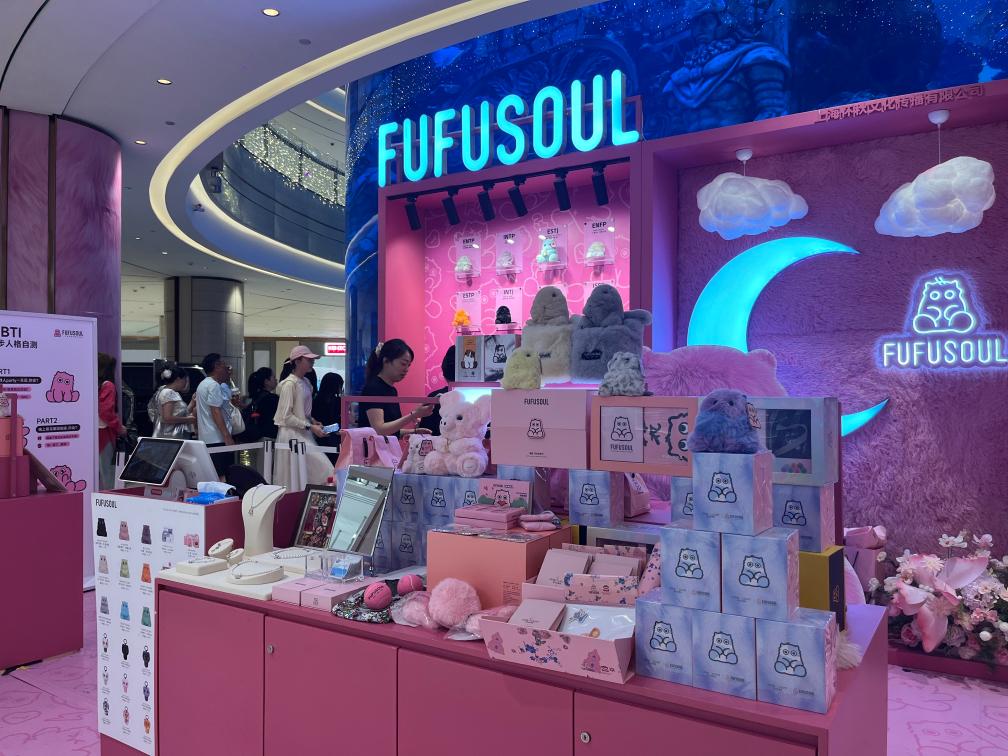
Group 1 - The pop-up event of the fragrance doll brand "FUFUSOUL" in Chongqing attracted over 60,000 visitors and increased mall foot traffic by nearly 40% [1] - The collaboration between the brand and the mall featured a limited edition doll inspired by Chongqing's city flower, the camellia, integrating local cultural elements into innovative design, leading to rising sales [1] - The rise of the co-branding economy is driven by the changing consumption patterns of the younger generation, focusing on emotional resonance and personalized experiences [2][4] Group 2 - The co-branding economy has gained momentum, with cultural IP collaborations becoming increasingly popular, as seen in partnerships like "Black Myth: Wukong" with Luckin Coffee and the Sanxingdui Museum [4] - The launch of the cultural derivative toy "MASK Xizai" by the Chongqing China Three Gorges Museum, based on a famous painting, attracted significant consumer interest on its first day of sale [4][7] - The integration of cultural experiences with consumer scenarios has led to a 20% increase in foot traffic during promotional events, showcasing the potential of cultural empowerment in commercial branding [4][5] Group 3 - The co-branding economy is seen as a key driver for consumption upgrades and industry integration, although there are risks of market homogenization and IP overexploitation [7] - Future strategies for museums will focus on extracting cultural connotations from artifacts to develop educational and practical co-branded products that resonate with younger audiences [7] - Companies are encouraged to shift from mere marketing tactics to long-term value creation strategies, emphasizing cultural empowerment, technological integration, and enhanced user experiences [7]

新华全媒+丨联名经济打开青年消费“新空间”
Xin Hua She· 2025-07-31 10:30
Core Insights - The recent pop-up event of the domestic fragrance doll brand "FUFUSOUL" in Chongqing attracted over 60,000 visitors, boosting mall foot traffic by nearly 40% [1] - The collaboration between the brand and the mall featured a limited edition doll inspired by Chongqing's city flower, the camellia, integrating local cultural elements into innovative design, leading to sustained sales growth [1] - The rise of the "co-branding economy" is driven by the changing consumption patterns of the younger generation, focusing on emotional resonance and personalized experiences, with the co-branding economy in China expected to approach 300 billion yuan in 2023 [1] Group 1 - The co-branding economy is gaining traction, with cultural IP and trendy brands collaborating, leading to increased visibility of co-branded products [3] - The Chongqing China Three Gorges Museum launched a cultural derivative building block doll "MASK Xizai" in collaboration with a commercial brand, which attracted many visitors on its first sale day [3] - The integration of cultural experiences with consumer scenarios has led to a 20% increase in foot traffic during promotional events at the museum [3] Group 2 - The "cultural empowerment" of commercial brands through co-branding is a reflection of cultural confidence in the consumer sector [4] - The co-branding strategy has successfully attracted young consumers to museums, enhancing their understanding of historical culture through gaming collaborations [4] - The co-branding economy is seen as a significant driver of consumption upgrades and industry integration, although there are risks of market homogenization and IP overexploitation [5] Group 3 - Future collaborations will focus on extracting cultural connotations from artifacts to develop educational and practical co-branded cultural products that resonate with young people's interests [5] - Companies are encouraged to return to the essence of their products, focusing on differentiated content co-creation and upgrading co-branding from a marketing tactic to a long-term value creation strategy [5]