航运安全

Search documents
封锁26日 他们在战火中穿过霍尔木兹
经济观察报· 2026-03-27 08:50
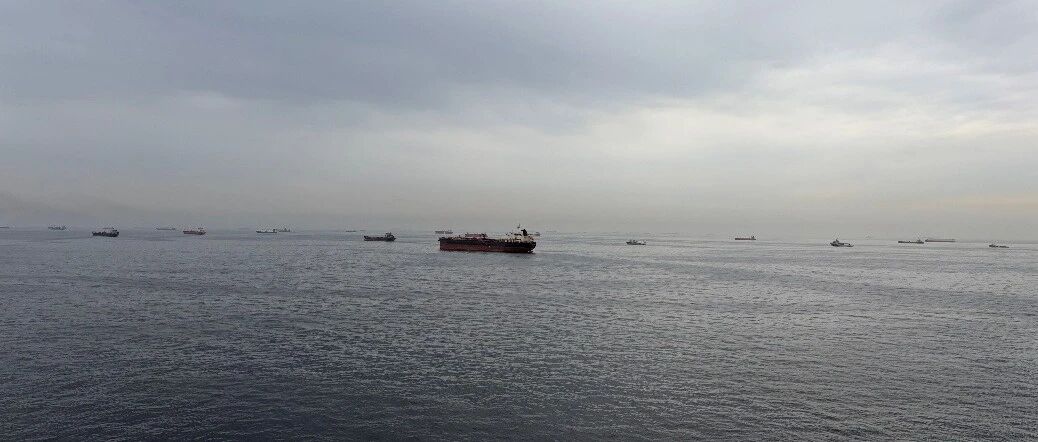
Core Viewpoint - The ongoing conflict in the region has severely impacted shipping through the Strait of Hormuz, leading to significant disruptions in oil and gas supply chains, with a notable increase in shipping risks and costs [1][7][21]. Group 1: Current Situation in the Strait of Hormuz - Approximately 2,000 vessels and 20,000 crew members have been trapped in the Strait of Hormuz for over 26 days, marking an unprecedented situation in maritime history [2]. - The Strait of Hormuz, known as the "world's oil valve," sees about 20 million barrels of oil pass through daily, accounting for 20% of global oil consumption [7]. - The conflict has led to a drastic reduction in vessel traffic, with only 5 to 4 ships passing through on March 23 and 24, compared to the pre-war daily average of 100 to 140 vessels [8]. Group 2: Shipping Risks and Navigation Challenges - The Iranian Revolutionary Guard has issued warnings to vessels attempting to navigate the Strait, increasing the perceived risks for shipping companies [12][18]. - Many crew members express reluctance to navigate the Strait unless the conflict is fully resolved, highlighting the psychological impact of the ongoing violence [9][34]. - The potential for attacks on vessels remains high, particularly for those carrying oil and liquefied natural gas from countries other than Iran [18]. Group 3: Economic Implications and Supply Chain Disruptions - The conflict has led to a near halt in port operations in the region, complicating food imports and increasing prices significantly; for instance, the price of bottled water has surged from $2.5 to $30 per box [21][23]. - Shipping costs have escalated, with current rates being over four times higher than pre-war levels due to the disruption of logistics and supply chains [21]. - The situation has forced shipping companies to consider alternative routes, which are often more expensive and logistically challenging, such as using land transport after reaching ports outside the Strait [24][26]. Group 4: Responses from Stakeholders - The U.S. has announced measures to ensure maritime security, including insurance guarantees and potential naval escorts, but these have not alleviated crew members' fears about navigating the Strait [31][32]. - Iranian officials have stated that non-hostile vessels can pass through the Strait with proper coordination, but this has not significantly reassured shipping companies [8][34]. - The uncertainty surrounding the conflict and its resolution continues to affect investor sentiment, with fluctuations in oil prices reflecting the ongoing geopolitical tensions [37][39].

霍尔木兹海峡3艘商船连遭“抛射物”击中,3人失踪
凤凰网财经· 2026-03-12 12:36
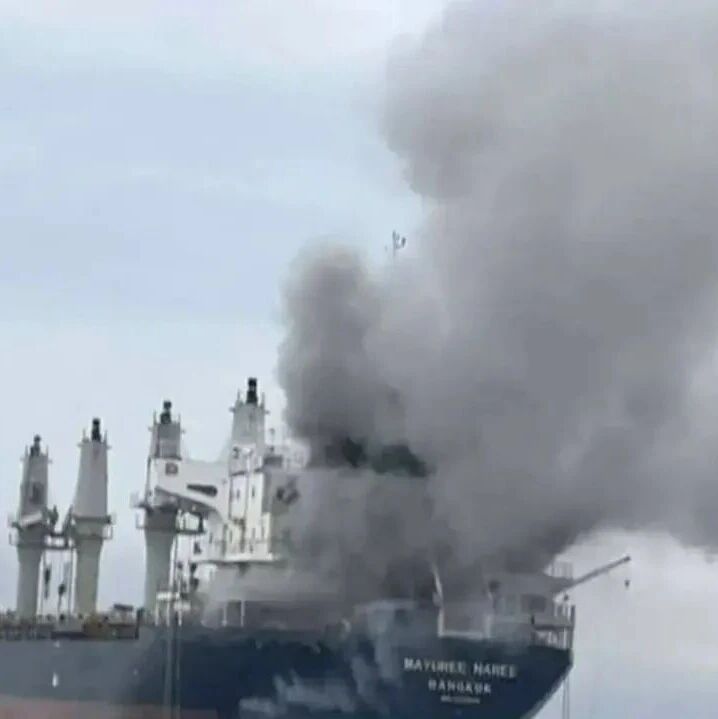
Core Viewpoint - The shipping security situation in the Strait of Hormuz has deteriorated sharply due to escalating regional conflicts, impacting both energy and general commodity transportation [1]. Group 1: Incident Overview - Three commercial vessels were attacked near the Strait of Hormuz, indicating a spread of shipping risks from energy transport to general goods [2]. - The attacked vessels included: - "Mayuree Naree": A Thai-flagged cargo ship hit by an "unknown projectile," resulting in severe damage to the engine room. 20 Thai crew members evacuated, with three still missing. Iran acknowledged firing at the ship, claiming it was illegally passing through the strait [3]. - "Star Gwyneth": A bulk carrier owned by Star Bulk Carriers, which sustained limited damage above the waterline, with no injuries reported among the 20 crew members [3]. - "One Majesty": A container ship owned by Mitsui O.S.K. Lines, which was hit while anchored about 60 miles from the Strait. Despite damage above the waterline, the ship remains operational and the crew is safe [3]. Group 2: Regional Impact - Since February 28, following U.S. and Israeli attacks on Iran, there have been 17 reported incidents affecting vessels in the region, including 13 attack reports according to the UK Maritime Trade Operations (UKMTO) [3].
炸怕了!土耳其油轮公司宣布:全面暂停俄罗斯相关业务,即刻生效
Sou Hu Cai Jing· 2025-12-04 07:20
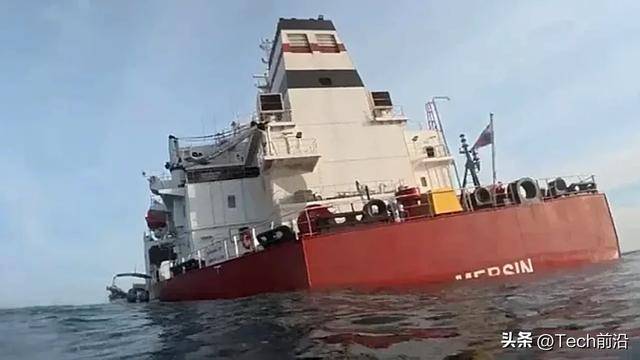
Core Viewpoint - The Turkish shipping company Besiktas has decided to cease all shipping operations involving Russian interests following a series of explosions that targeted its tanker, Mersin, off the coast of Senegal, marking a significant shift in its business strategy [1][3]. Group 1: Incident Overview - The Mersin tanker, which was anchored near Dakar, Senegal, was carrying approximately 39,000 tons of fuel when it experienced four external explosions [3][4]. - Fortunately, the crew managed to control the situation, preventing casualties and avoiding fuel leakage that could have led to marine pollution [4]. Group 2: Company Response - Besiktas has officially stated that it will no longer undertake any voyages related to Russian interests, a decision made in light of escalating safety risks [3][7]. - The company emphasized that it has been adhering to Western sanctions against Russia and has not violated international regulations [7]. Group 3: Broader Implications - The decision by Besiktas is seen as a reflection of the increasing security crisis surrounding Russian-related tankers, with reports of multiple attacks on such vessels in the Black Sea [5][6]. - Analysts suggest that the withdrawal of Besiktas could trigger a chain reaction, prompting other international shipping companies to reassess the risks associated with Russian-related operations, potentially exacerbating the transportation pressures on Russian oil exports [8].
也门胡塞武装:不听从我们呼吁的航运公司,无论其目的地如何,都将遭到袭击。
news flash· 2025-07-27 21:13
Group 1 - The Houthis have issued a warning that any shipping companies that do not heed their calls will face attacks, regardless of their destination [1]
外媒:通过霍尔木兹海峡,有商船强调与中俄“有关”
Huan Qiu Shi Bao· 2025-06-30 10:45
Group 1 - The core viewpoint of the articles highlights the escalating tensions in the Middle East due to Israeli attacks on Iranian targets, prompting international shipping vessels to publicly disclose their identities to avoid associations with Israel or the West [1][2] - Iranian officials have indicated that they may consider closing the Strait of Hormuz if the U.S. joins Israel in attacks against Iran, with the Iranian parliament concluding that such a closure should be considered [1] - Since the end of 2023, Houthi forces in Yemen have targeted maritime vessels believed to be linked to Israel or its allies, claiming these actions are in solidarity with the Palestinian people in Gaza [1] Group 2 - Between June 12 and June 24, 55 vessels in the Persian Gulf and Red Sea issued 101 identity disclosure messages, indicating ownership or lack of association with Israel, as a precaution against being misidentified [2] - Windward's CEO noted that despite a ceasefire between Israel and Iran, shipping companies remain skeptical about the security situation in the region, complicating the understanding of vessel ownership chains [2] - The increase in identity disclosure messages from vessels has expanded from the Red Sea to the Persian Gulf following Israeli attacks on Iran, indicating heightened concerns over maritime safety [2]
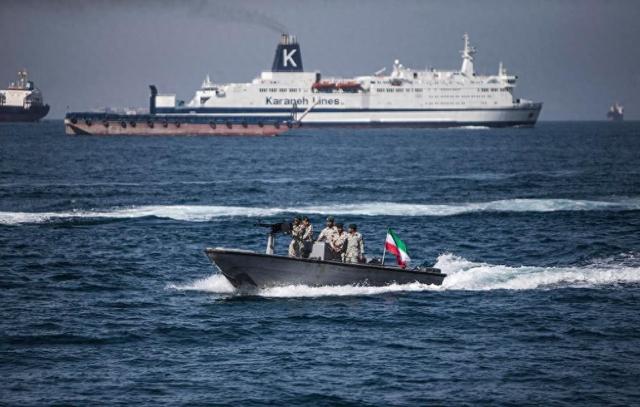
伊朗若关闭霍尔木兹海峡,地缘政治与石油供应将受何影响?
Sou Hu Cai Jing· 2025-06-23 11:45
Geopolitical Tensions - Closing the Strait of Hormuz would escalate tensions between Iran and the US along with its allies, potentially leading to military confrontations and conflicts [1] - Surrounding countries may find themselves caught in diplomatic struggles, requiring significant international efforts to mediate disputes [1] Oil Supply Disruption - Approximately one-third of global maritime oil transportation passes through the Strait, and its closure would severely restrict oil supply [1] - A significant reduction in oil supply could lead to a sharp increase in international oil prices, creating an energy crisis for oil-importing nations [1] Economic Impact - Rising oil prices could trigger a domino effect, adversely affecting the real economy by increasing production costs and overall prices, thereby raising living costs for the public [1] - There is a risk of a global economic recession due to disrupted international trade and increased transportation costs for goods reliant on oil shipping [1] Shipping Safety Concerns - The closure would pose risks to shipping safety, as vessels would need to take longer routes, increasing travel time and costs while facing higher security threats [3] - The likelihood of shipping accidents may rise due to factors such as piracy and adverse weather conditions [3] Regional Instability - Countries surrounding the Strait that depend on its trade would suffer economically, potentially leading to social unrest and protests among communities reliant on the Strait for their livelihoods [3] - The cumulative effect of internal instability could result in a broader state of turmoil in the region [3]
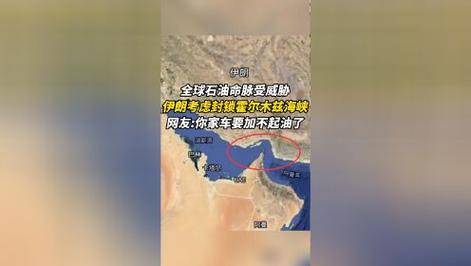
波斯湾船舶信号干扰加剧
news flash· 2025-06-16 11:14
Core Viewpoint - The ongoing conflict between Iran and Israel has led to significant disruptions in navigation signals for over 900 vessels in the Strait of Hormuz and the Persian Gulf, causing chaos in this critical shipping route [1] Group 1: Navigation Disruptions - Navigation signals from Iran's Abbas Port have experienced "extreme interference," as reported by the Joint Maritime Information Center (JMIC) [1] - Despite the disruptions, JMIC indicates that there are currently no signs of a blockade in the Strait of Hormuz [1]
以伊战火波及航运 波斯湾油轮运力“大撤退”
Zhi Tong Cai Jing· 2025-06-16 11:05
Core Insights - The ongoing risk assessment of the conflict between Israel and Iran has led some tanker owners and management companies to suspend vessel capacity for Middle Eastern routes, raising concerns about energy export flows in the region [1] - Oil producers and traders attempting to charter tankers for transporting crude and refined oil from the Persian Gulf are facing a shortage of capacity, with some temporary charter agreements not being finalized due to owners refusing to renew contracts [1] - The global oil market will closely monitor the shipping security situation in the Middle East and surrounding waters in the coming weeks, as the region accounts for about one-third of global crude production [1] Shipping Rates and Market Reactions - The benchmark shipping rate for very large crude carriers (VLCC) from the Middle East to China, TD3C, surged to 55-58 WS, a 20%-30% increase from the beginning of the week [2] - Although there were no public quotes on Monday, industry insiders reported that the TD3C rate further increased to around 65 WS [2] - The trading volume of forward freight agreements (FFA), used as a risk hedging tool in the industry, has significantly increased, indicating heightened market risk aversion, with TD3C FFA prices rising to $14 per ton from approximately $11 before the Israeli attacks on Iran [2]
载751辆电动汽车的货轮在北太平洋起火,更多细节曝光
Guan Cha Zhe Wang· 2025-06-06 06:31
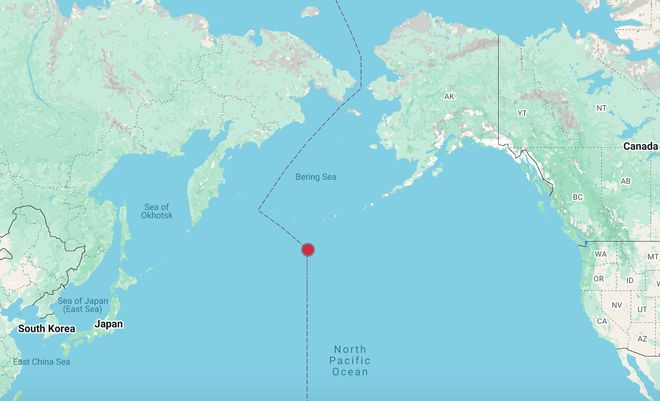
Core Points - Zodiac Maritime reported a fire on the cargo ship Morning Midas in the North Pacific near the Aleutian Islands, carrying 3,084 vehicles including 70 electric and 681 hybrid cars [1][2] - The ship was chartered by SAIC Motor's Anji Logistics and had departed from Yantai, China, on May 26, with a planned arrival in Mexico on June 15 [2][5] - The fire originated from a deck filled with electric vehicles, but the specific brands of the vehicles onboard remain unclear [2][5] Company and Industry Insights - The Morning Midas is flagged under Liberia and owned by Hawthorn Navigation Inc., with Zodiac Maritime as the managing company [5] - The crew attempted to extinguish the fire but were unsuccessful, leading to their evacuation with assistance from the U.S. Coast Guard and another cargo ship [5][7] - Fires on car carriers, especially those transporting electric vehicles, have raised concerns among insurers due to their complexity and risk [7][8] - Allianz Commercial reported that incidents of fires on car carriers reached a ten-year high in 2024, highlighting the significant risks associated with these vessels [8]

全球10%石油受阻,胡塞武装威胁航运,联合国呼吁紧急调停
Sou Hu Cai Jing· 2025-06-03 22:09
Group 1 - The global oil transportation market has been significantly impacted by the actions of the Houthi forces, with approximately 10% of oil transport disrupted since November 2023 [1] - The Red Sea is a critical trade route connecting Europe, Asia, and Africa, with the Suez Canal being a key hub for oil, gas, and other goods [3] - The attacks have led to ships rerouting around the Cape of Good Hope, increasing transportation time by about 9 days and raising costs by at least 15% [3] Group 2 - Following airstrikes by the US and UK against the Houthis, crude oil prices rose by approximately 4% [3] - The ongoing tensions in the Red Sea pose significant risks to oil and gas supply chains, with market sensitivity leading to potential price volatility that could affect global economic stability [3] - The international community, including the US and UK, has taken military action to protect shipping interests in the Red Sea, while the UN has called for restraint and adherence to international law [5]