规则博弈

Search documents
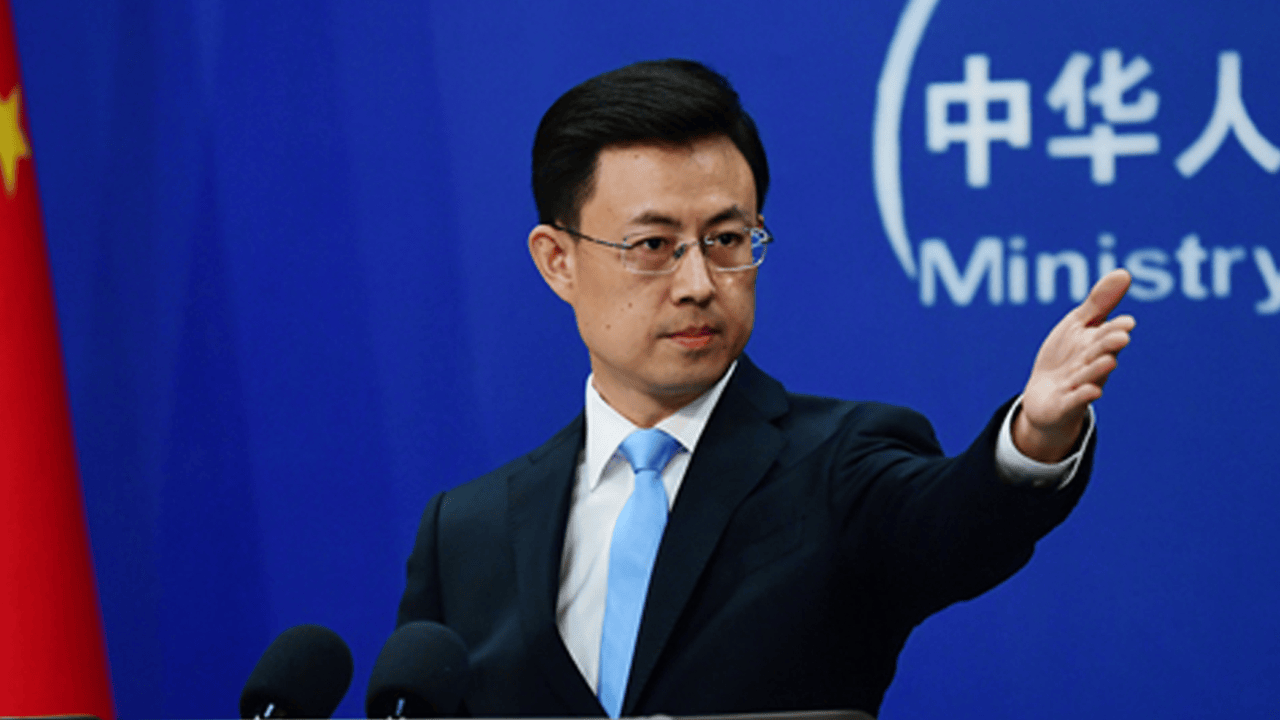
腾讯“内讧”?微信封杀元宝红包
3 6 Ke· 2026-02-05 23:22
Core Viewpoint - Tencent's Spring Festival "Yuanbao" red envelope activity faced unexpected challenges when WeChat restricted access to its links, raising questions about the implications of this internal conflict and the strict external link management policies of WeChat [3][14][19]. Group 1: Event Overview - The Yuanbao red envelope activity launched on February 1 with a cash pool of 1 billion yuan, generating significant user engagement and discussions about potential "induced sharing" practices [1][12]. - The excitement surrounding the event was short-lived, as WeChat implemented restrictions on the Yuanbao links just three days later, citing risks associated with "induced sharing" [2][14]. Group 2: WeChat's Link Management - WeChat is known for its stringent external link management, having previously restricted links from platforms like Douyin, Taobao, and Alipay [4][5]. - The platform's history of "link wars" with competitors highlights its commitment to maintaining control over its ecosystem, with notable actions taken against various external links over the years [5][8]. Group 3: Internal Dynamics and User Reactions - Despite being a Tencent product, the Yuanbao activity faced scrutiny for its similarity to practices WeChat typically opposes, leading to accusations of double standards [12][14]. - User feedback indicated dissatisfaction with the decreasing value of red envelopes over time, compounding the criticism of the activity's structure and WeChat's handling of it [13][24]. Group 4: Strategic Implications - WeChat's decision to restrict its own product's links may serve to uphold its reputation for fairness and could provide a basis for future actions against competitors' promotions [18][24]. - The timing of WeChat's restrictions coincided with Alibaba's launch of its own Spring Festival marketing initiatives, suggesting a strategic maneuver to limit competition [18][19]. Group 5: Market Response and Future Outlook - The Yuanbao activity's failure to replicate the success of previous red envelope campaigns indicates challenges in user engagement and acceptance of its promotional model [23][24]. - The incident reflects broader trends in the competitive landscape of the internet industry, where understanding user sentiment and adhering to established rules are crucial for success [24].


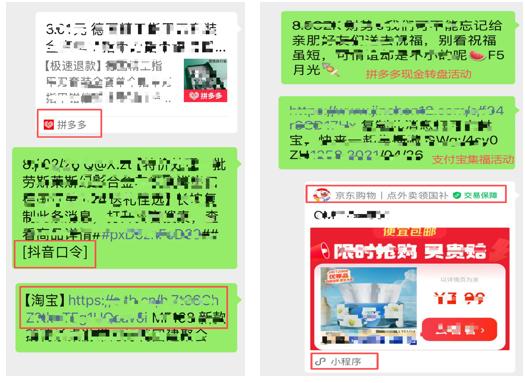
特朗普刚说完话,中方发布5号公告:对美国商品加税,执行期限5年
Sou Hu Cai Jing· 2026-01-15 20:05
Core Viewpoint - The article discusses the strategic implications of Trump's proposed tariffs on countries doing business with Iran, particularly targeting China, which has been Iran's largest trading partner for a decade. The response from China, through the continuation of anti-dumping duties on solar-grade polysilicon imports from the US and South Korea, reflects a long-term regulatory strategy rather than a knee-jerk reaction [1][3]. Group 1: Trade Dynamics - Trump's secondary sanctions aim to pressure third parties, particularly China, by increasing tariffs on US imports under the guise of sanctions against Iran [3]. - China's response, articulated through the fifth announcement, is a calculated regulatory move that aligns with WTO rules, demonstrating a methodical approach to trade disputes [3][14]. - The importance of solar-grade polysilicon is emphasized as it is essential for the photovoltaic industry, with over 70% of global solar power plants relying on components produced in China [3]. Group 2: Historical Context - A decade ago, Chinese polysilicon manufacturers faced severe challenges from US and South Korean companies that engaged in price dumping, leading to a significant market share loss for China [5]. - The article highlights the resilience of the Chinese industry, which has since developed advanced technologies and reduced energy consumption in polysilicon production, achieving a competitive edge [5][12]. Group 3: Current Market Position - The tax rates imposed by China on US companies, such as 53.3% on Hemlock and up to 57% on other US firms, have prompted a shift in attitudes among American companies reliant on the Chinese market [7]. - The market share of US and South Korean polysilicon companies in China has diminished significantly, forcing them to seek opportunities in Southeast Asia or India, which cannot absorb their production capacity [9][12]. - China's production costs are now 30% to 40% lower than those of US manufacturers, complicating the competitive landscape for American firms [9]. Group 4: Future Implications - The article suggests that the US's attempts to protect its domestic industries through tariffs have led to increased raw material prices, ultimately impacting American consumers [12]. - The future of US-China relations in the photovoltaic sector is likely to shift from price competition to a focus on technological advancements, with the potential for US and South Korean companies to explore parallel supply chains [12][14]. - China's strategy emphasizes the importance of maintaining core technologies and adhering to international rules, signaling a robust defense against external pressures [14].
2025,AI行业发生了什么?
Jing Ji Guan Cha Bao· 2026-01-10 09:01
Core Insights - The AI industry experienced significant milestones in 2025, marked by technological innovations, business model transformations, and global regulatory dynamics [2] Group 1: Multi-Modal Integration - AI models have advanced rapidly in text and reasoning but lagged in multi-modal capabilities, limiting their effectiveness [4] - Developers are shifting from "assembled" models to "native multi-modal" models that can process text, images, audio, and video simultaneously [5] - The development of multi-modal models is becoming a primary focus for leading AI companies, enhancing their ability to perform real-world tasks [5][6] Group 2: Embodied Intelligence - The focus of embodied AI has shifted from experimental demonstrations to market-ready solutions, with companies announcing mass production of robots [8] - The cost of humanoid robots has significantly decreased, making them more accessible for commercial use [9] - The rise of embodied intelligence is driven by advancements in multi-modal AI and increasing labor costs, leading to greater demand for robotic solutions [9] Group 3: Computing Power Competition - The competition for computing power has evolved from a focus on acquiring GPUs to a more complex, efficiency-driven battle [10] - Companies are now prioritizing how to effectively utilize limited computing resources rather than just increasing their total computing power [10] - Some developers are moving towards self-developed chips to reduce reliance on dominant suppliers like NVIDIA [10] Group 4: Paradigm Controversy - There is a growing debate in the theoretical community regarding the "scale law" that has traditionally guided AI development [12] - Some experts argue that simply increasing model size does not lead to general intelligence, suggesting a need for new training paradigms and reasoning mechanisms [13] - Despite differing opinions, both sides recognize the need for a reevaluation of existing paradigms to find better development paths [13] Group 5: Rise of Agents - The emergence of AI agents, capable of executing complex tasks autonomously, signifies a shift in human-computer interaction from function-driven to task-driven systems [14][15] - This transition is expected to reshape organizational structures and business models, focusing on task completion rather than capability provision [15] Group 6: Open Source Renaissance - Open-source models have become a foundational infrastructure for global innovation, increasingly rivaling closed-source systems in performance and adoption [16] - The rise of open-source is attributed to changing AI innovation logic, where community collaboration and rapid customization are prioritized [17] Group 7: Business Innovation - The AI industry is moving towards clearer business paths, with different players finding monetization strategies that align with their capabilities [18] - The concept of "Outcome-as-a-Service" is gaining traction, shifting the focus from selling functionalities to delivering task completion [19] Group 8: Regulatory Dynamics - AI governance has become a critical area of focus, balancing innovation with regulatory frameworks to avoid stifling technological development [20] - Different regions are adopting varied approaches to governance, reflecting their priorities and institutional frameworks [21][22] Group 9: International Competition - The competition in AI has escalated from corporate to national levels, with countries vying for leadership in defining technological paths and standards [23] - The U.S. maintains a strong position in core technologies, while China focuses on optimizing existing frameworks for scalable applications [23][24] Group 10: Youth Leadership - A trend of young scientists gaining significant influence in AI companies is emerging, reflecting a shift in the industry's leadership dynamics [25][26] - This generational change is seen as essential for navigating the evolving landscape of AI, where innovative problem definition and evaluation are crucial [26]
重磅!西方七国欲掀全球矿产市场牌桌,中国一句话点破真相,引国际社会广泛关注
Sou Hu Cai Jing· 2025-10-30 13:41
Group 1 - The core viewpoint emphasizes that the competition for critical minerals has evolved from traditional trade to a strategic battle over rules and regulations, with significant implications for national development rights [1][3]. - Critical minerals, such as lithium, cobalt, and rare earths, are essential for the digital age and are compared to "oil of the 21st century," highlighting their strategic value in the new energy era [3]. - China's comprehensive industrial chain in critical minerals, developed through years of technological accumulation and market expansion, contrasts with the G7's approach of forming exclusive alliances [3][6]. Group 2 - The G7's initiative to form a minerals alliance reflects a pragmatic attitude towards international rules, which may undermine market order and create a dual standard in global trade [5][6]. - China's advantage in the critical minerals sector is attributed to continuous innovation in extraction technology and environmental processes, rather than trade protectionism [6][8]. - The establishment of a global supply chain network by Chinese companies, from cobalt mines in the Democratic Republic of Congo to nickel mines in Indonesia, showcases a stark contrast to the G7's closed alliance model [8]. Group 3 - The potential negative impacts of the G7's minerals alliance include increased costs for global clean energy, disruption of existing supply chains, and risks of fragmentation in the international trade system [10]. - China's commitment to open cooperation in the face of geopolitical competition is underscored by its focus on maintaining legitimate rights while promoting collaborative efforts for mutual benefit [10][12]. - The future competition in the critical minerals sector will hinge on the ability to build inclusive and equitable global industrial chains, rather than forming exclusive clubs [12].