资产配置逻辑转变

Search documents
黄金“疯狂”行情背后推手:避险情绪共振、美元走弱、全球央行“入手”
Nan Fang Du Shi Bao· 2026-02-12 23:13
Core Viewpoint - The article discusses the significant factors driving the long-term bullish trend in the gold market over the past decade, highlighting geopolitical risks, changes in dollar credibility, collective central bank purchases, and shifts in asset allocation logic as the main drivers of gold's price surge. Group 1: Geopolitical and Economic Factors - The demand for gold as a safe-haven asset has surged due to increasing geopolitical and economic uncertainties, with events like Brexit, trade wars, and the Russia-Ukraine conflict contributing to gold price spikes [10][12][13] - The global macroeconomic risks and rising inflation expectations have acted as accelerators for gold prices, with significant price movements observed during key geopolitical events [13] Group 2: Dollar Weakness - The weakening of the US dollar has positively impacted gold prices, as a decline in dollar credibility makes gold more attractive to investors holding other currencies [14] - The total US national debt has ballooned from $18 trillion in 2015 to over $38 trillion, undermining confidence in the dollar and contributing to gold's price increase [14][15] Group 3: Central Bank Purchases - Central banks have significantly increased their gold reserves, with gold accounting for 20% of global central bank reserve assets by 2024, surpassing US Treasury bonds for the first time in 30 years by 2025 [16][17] - The annual gold purchases by central banks have exceeded 1,000 tons since 2022, indicating a strong and accelerating demand for gold as a reserve asset [17][18] Group 4: Changing Asset Allocation Logic - There has been a fundamental shift in global asset allocation, with gold emerging as a strategic investment asset rather than merely a decorative item, particularly in the Chinese market [19][20] - The younger demographic is increasingly investing in gold, with a notable rise in gold jewelry ownership among consumers aged 18 to 24, reflecting a shift towards more frequent and smaller-scale investments [20]


贵金属价格巨震!银行密集出手控风险
Zhong Guo Zheng Quan Bao - Zhong Zheng Wang· 2026-01-31 14:14
Core Viewpoint - The precious metals market has experienced significant volatility recently, with sharp declines in prices, yet it still holds medium to long-term investment value due to global risk aversion and changing asset allocation logic [1][4]. Group 1: Market Volatility and Risk Warnings - Since 2026, the precious metals market has shown strong performance but has recently faced increased volatility, exemplified by a "roller coaster" market on January 30, where COMEX gold fell by 8.35% and COMEX silver dropped by 25.50% [1]. - Several banks have issued risk warnings regarding precious metals, highlighting increased market uncertainty and advising clients to "reasonably control positions and prevent risks" [1][2]. - China Bank specifically warned clients engaged in gold accumulation and account precious metals to consider their financial status and risk tolerance when trading [1]. Group 2: Adjustments in Banking Operations - Industrial and Commercial Bank of China announced changes to its gold accumulation business and floating price physical gold product sales, limiting electronic trading hours and implementing daily limits on accumulation or redemption during non-trading days [2]. - Construction Bank raised the minimum amount for personal gold accumulation business to 1500 yuan starting February 2 [2]. - The "ICBC Gold Family" public account urged investors to maintain rationality and enhance risk awareness amid the volatile market [2]. Group 3: Long-term Outlook for Precious Metals - Analysts suggest that despite short-term volatility, precious metals like gold still have upward potential in the medium to long term, supported by ongoing demand for safe-haven assets and geopolitical tensions [4]. - The macroeconomic environment, including the restructuring of the global monetary credit system and rising geopolitical risks, is expected to drive precious metals prices higher in the future [4]. - Silver, while experiencing high volatility, is also projected to have medium-term support, although caution is advised due to its higher risk profile [5].
重磅!黄金突破5000美元
Wind万得· 2026-01-25 23:28
Core Viewpoint - The article highlights a historic breakthrough in gold prices, surpassing $5000 per ounce, indicating a significant shift in global asset allocation logic and a transition from traditional safe-haven trading to a focus on currency devaluation trades driven by systemic concerns over sovereign currency stability [2][4]. Group 1: Market Dynamics - As of January 26, gold prices reached a record high, with spot gold rising approximately 0.8% and silver increasing over 2% [2]. - The decline of the US dollar index below 97 has contributed to the rise in precious metal prices, reflecting a broader market sentiment [4]. - Analysts suggest that the current rise in gold prices is not merely speculative but represents a long-term change in asset allocation logic, with any price pullback likely viewed as a buying opportunity [6]. Group 2: Structural Changes in Asset Allocation - The attractiveness of traditional safe assets is diminishing as the interest rate environment shifts, with a move from "yield priority" to "credit safety priority," thereby reinstating gold's core allocation status [7]. - Goldman Sachs notes that gold's allocation in private financial assets remains low at approximately 0.17%, but even a slight increase in this allocation could significantly impact gold prices, potentially driving them up by about 1.4% for every 0.01% increase in allocation [7]. - Central bank purchases of gold are becoming a crucial factor supporting the long-term trend in gold prices, as these institutions increasingly view gold as a strategic reserve asset amid a trend of "de-dollarization" [8]. Group 3: Historical Trends and Future Projections - Historical data indicates that gold prices tend to continue rising after significant annual increases, with a notable probability of further gains following a 20% rise in a given year [8]. - Projections suggest that after a 27% increase in 2024, gold prices could rise by an additional 65% in 2025, underscoring the strong trend characteristics of the current gold market [8]. - The article concludes that the recent surge in gold prices is a result of multiple structural forces, including geopolitical uncertainty, global debt expansion, the initiation of a rate-cutting cycle, and ongoing central bank purchases [8].
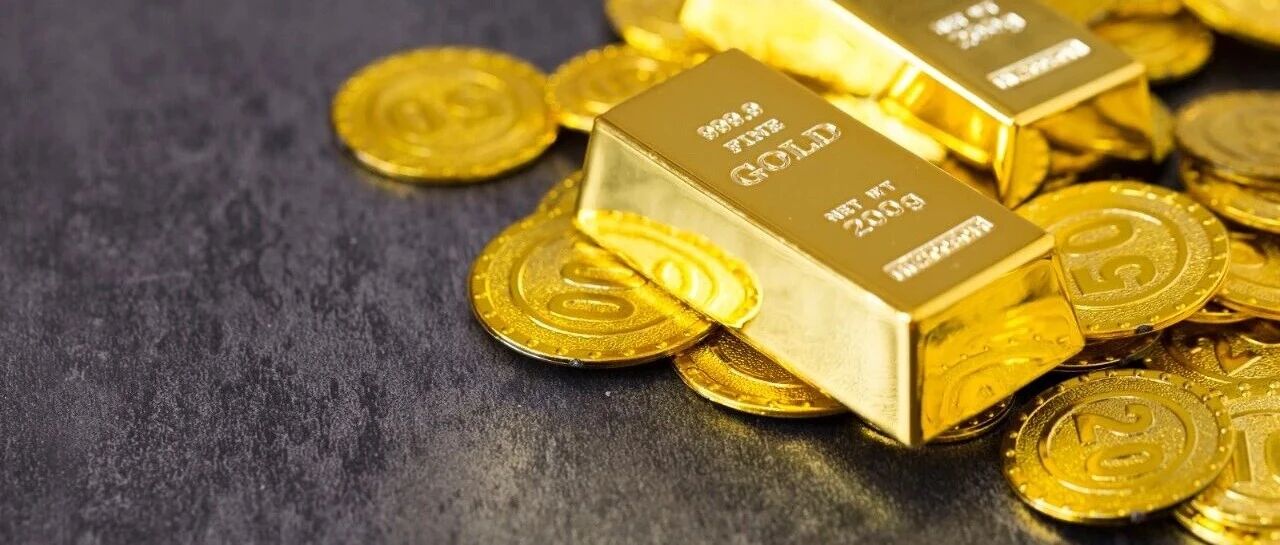
史无前例!9位央行行长联名力挺美联储主席!市场人士:新的资产配置逻辑正在形成
Qi Huo Ri Bao· 2026-01-13 23:37
Group 1 - The criminal investigation into Federal Reserve Chairman Powell is seen as a "stress test" for the independence of the Federal Reserve, rooted in Trump's dissatisfaction with the current high interest rate policy [2] - A joint statement from nine central bank governors emphasizes the importance of maintaining the independence of the Federal Reserve, expressing solidarity with Powell [1] - The investigation is perceived as an attempt to undermine the Federal Reserve's independence, which is crucial for the performance of the U.S. economy [1] Group 2 - The ongoing investigation has led to a structural shift in asset allocation, with traditional safe-haven assets like gold gaining prominence as the trust in the dollar declines [2] - The strong performance of gold indicates a shift from being a traditional interest-sensitive asset to a tool for hedging against global currency credit risks [3] - Investors are advised to either extend their investment horizons to capture long-term trends or shorten them to seize short-term trading opportunities, emphasizing the need for risk management [3]