
酒文化

Search documents
相聚欢饮行酒令
Xin Lang Cai Jing· 2026-02-21 06:56
Core Viewpoint - The article emphasizes the significance of traditional Chinese drinking culture, particularly through the practice of "划拳" (poker), which serves as a means of emotional communication and cultural expression during family gatherings, especially during the Spring Festival [2][3][4]. Summary by Sections Traditional Drinking Culture - Chinese drinking culture is not merely about consuming alcohol; it encompasses deeper emotional connections and cultural practices, such as "划拳" [2][3]. - The article highlights that traditional drinking often involves poetry and artistic expression, as seen in historical references like Li Bai's poetry and scenes from "Dream of the Red Chamber" [3]. The Practice of "划拳" - "划拳" is described as a lively and engaging game that adds to the festive atmosphere, with each number representing specific cultural meanings [3]. - The meanings behind the numbers in "划拳" reflect significant life events and aspirations, such as "四喜财" representing the four great joys in life [3]. Decline of Traditional Practices - There is a noted decline in the practice of "划拳," particularly in southern China, leading to a dilution of the richness of drinking culture [4]. - The article suggests that during festive occasions like the Spring Festival, engaging in "划拳" could serve as a way to preserve and pass on traditional drinking culture [4].
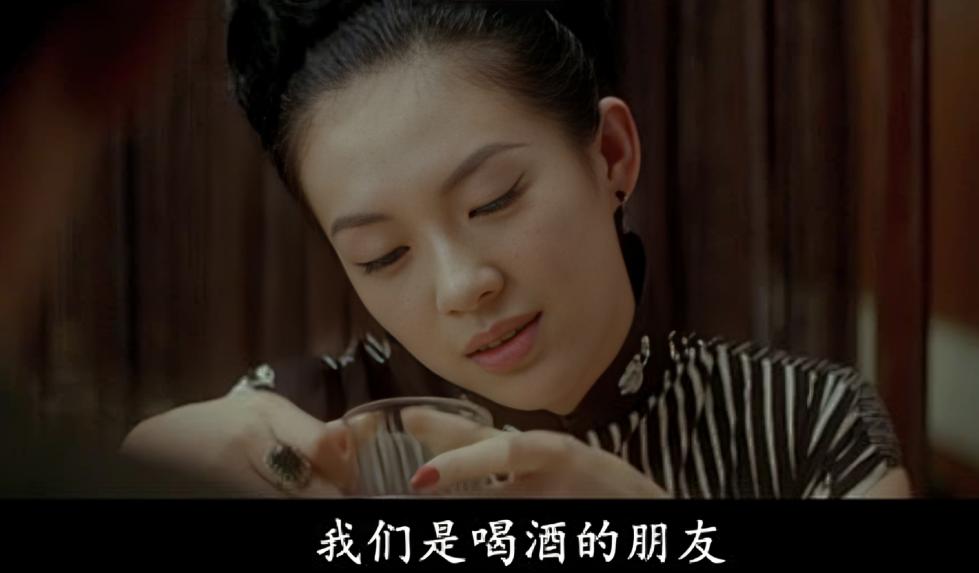
杯酒间的知己情
Xin Lang Cai Jing· 2026-01-29 16:41
Group 1 - The article highlights the launch of a new platform called "Wine Price Insider," which aims to provide accurate market prices for well-known liquor brands, particularly in the white liquor sector [1] - The platform is expected to enhance transparency in the liquor market, allowing consumers and investors to make informed decisions based on real-time pricing data [1] - The initiative reflects a growing trend in the industry towards digitalization and the use of technology to improve market access and consumer engagement [1] Group 2 - The narrative emphasizes the cultural significance of alcohol consumption in social settings, illustrating how it fosters connections and deep conversations among individuals [2] - It suggests that the appeal of alcohol is not solely in its taste but in the relationships and shared experiences it cultivates [2] - The article indirectly points to the potential market for social drinking experiences, which could be leveraged by companies in the liquor industry to enhance customer loyalty and engagement [2]
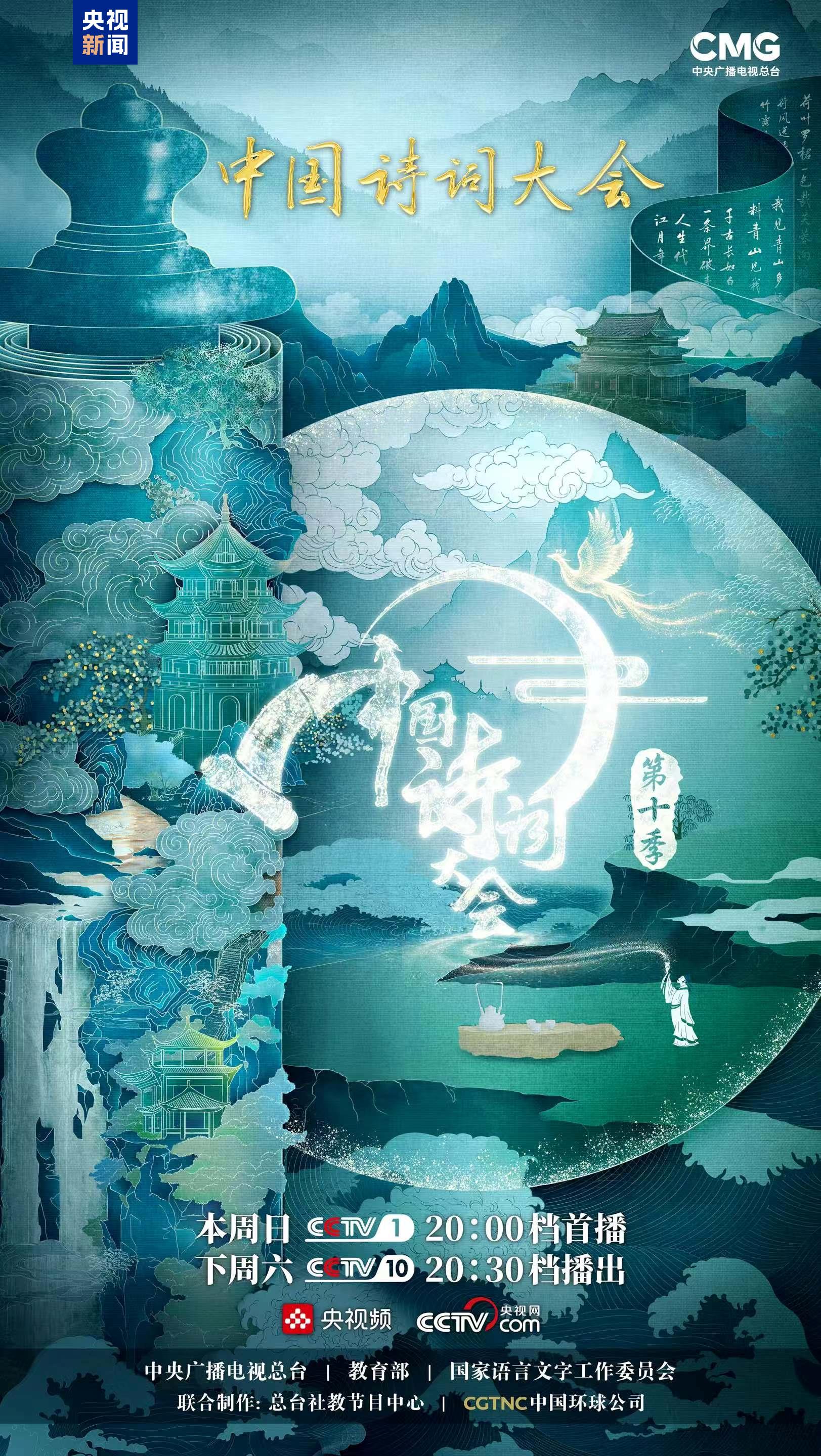
中国诗词大会丨聆听千年诗韵 共赴山水之约
Xin Lang Cai Jing· 2026-01-17 10:32
Core Viewpoint - The upcoming episode of "Chinese Poetry Conference (Season 10)" titled "Mountains and Rivers Have Clear Sounds" aims to explore the deep connection between nature, poetry, and human emotions, showcasing the cultural richness and spiritual heritage of Chinese poetry [3][11]. Group 1: Themes and Interpretations - The theme "Mountains and Rivers Have Clear Sounds" celebrates the beauty of nature while resonating with the inner voices of individuals throughout history, as highlighted by the interpretations of various poets [7]. - The program features a journey through the four seasons, illustrating how mountains and rivers serve as a spiritual homeland for the Chinese people, with references to famous poets like Du Fu and Li Bai [7][8]. - The segment "Great Waves Wash Away Sand" transforms ethereal poetic realms into tangible imagery, emphasizing the harmony between nature and the human spirit [7]. Group 2: Cultural Heritage and Transmission - Poetry serves as a bridge connecting ancient and modern times, with scenic explorations in places like Guizhou and Xinjiang, showcasing the cultural diversity and inclusivity of Chinese heritage [8]. - The participation of young poet Su Zhihao and his mother exemplifies the familial transmission of poetic education, while other contributors highlight the integration of traditional and modern perspectives [8]. - The program emphasizes that the love for poetry transcends time and age, flowing through the landscapes and shining in the lives of those who engage deeply with it [8]. Group 3: Artistic Expressions - The intersection of poetry and wine creates a cultural feast, where traditional brewing techniques are celebrated alongside poetic expressions, illustrating the profound connection between nature and craftsmanship [9]. - The segment "Thousand People, Thousand Questions" invites participants to reflect on the relationship between poetry and nature, showcasing the deep cultural introspection inherent in Chinese poetry [10]. - The visual artistry presented through paintings and the "Colorful Flying Flower Order" competition highlights the aesthetic beauty of Chinese poetry, allowing audiences to experience the vibrant interplay of colors and emotions [10].

闲言碎语酒文化
Xin Lang Cai Jing· 2026-01-10 06:08
Group 1 - The article highlights the deep-rooted significance of alcohol in Chinese culture, tracing its history back over 9,000 years, with evidence found at the Jiahu site [2] - Alcohol was initially used for medicinal purposes before becoming a part of social drinking customs, as reflected in ancient texts and poetry [2][10] - The cultural importance of alcohol is illustrated through various historical figures and literary references, showcasing its role in celebrations, rituals, and artistic expression [9][10] Group 2 - The article mentions the connection between alcohol and various forms of Chinese art, including poetry and opera, emphasizing its pervasive influence in cultural narratives [11] - Specific examples of famous poets and their works that reference alcohol are provided, demonstrating how alcohol has been a source of inspiration and a symbol of camaraderie [9][12] - The narrative also includes anecdotes of everyday life involving alcohol, portraying it as a medium for social interaction and personal reflection [12]
中产最爱的「装腔消费」,崩盘了?
3 6 Ke· 2025-11-26 01:36
Core Insights - The wine industry in China is experiencing a significant downturn, with both beer and white liquor facing challenges, but red wine is particularly struggling, leading to a mass sell-off of French vineyards by Chinese wealthy individuals [1][3][4]. Group 1: Industry Overview - The production of white liquor is declining annually, and brand prices are continuously falling, resulting in a shrinking A-share market for related sectors [1]. - Beer production in 2024 is projected to be less than 70% of the total output in 2013, despite some manufacturers finding success with high-end or craft beer [1]. - The overall wine market in China has seen a dramatic decline, with many wealthy Chinese selling off their French vineyards, particularly in Bordeaux [3][4]. Group 2: Market Dynamics - In the past decade, Chinese buyers have purchased over 130 Bordeaux vineyards, initially viewing them as status symbols and investment opportunities [9][11]. - The peak of red wine consumption in China occurred in 2013, when 1.865 billion bottles were consumed, making China the largest red wine market globally [14]. - The trend of purchasing vineyards was driven by the belief that red wine would become a staple for the new middle class, replacing traditional white liquor [23]. Group 3: Financial Implications - Many vineyards are now being sold at significantly lower prices than their purchase prices, with some starting bids as low as €150,000, compared to previous purchases that cost millions [4][6]. - Reports indicate that 90% of the vineyards owned by Chinese buyers are currently losing money, highlighting the financial risks associated with these investments [31]. - The total revenue of leading wine companies like Zhangyu has drastically decreased, falling from one-third of Moutai's revenue to just 3% [45]. Group 4: Cultural Shifts - The younger generation in China is moving away from the complex rituals associated with wine consumption, preferring simpler drinking experiences [36][41]. - The perception of red wine has shifted, with many young consumers finding it less appealing compared to other alcoholic beverages like beer and whiskey [41][43]. - The decline in red wine's popularity is reflected in its usage scenarios, which have dropped from 45% in 2019 to less than 15% in 2025 [45].


问泉千年何为酒,古井秋酿是答卷
Qi Lu Wan Bao· 2025-10-10 07:36
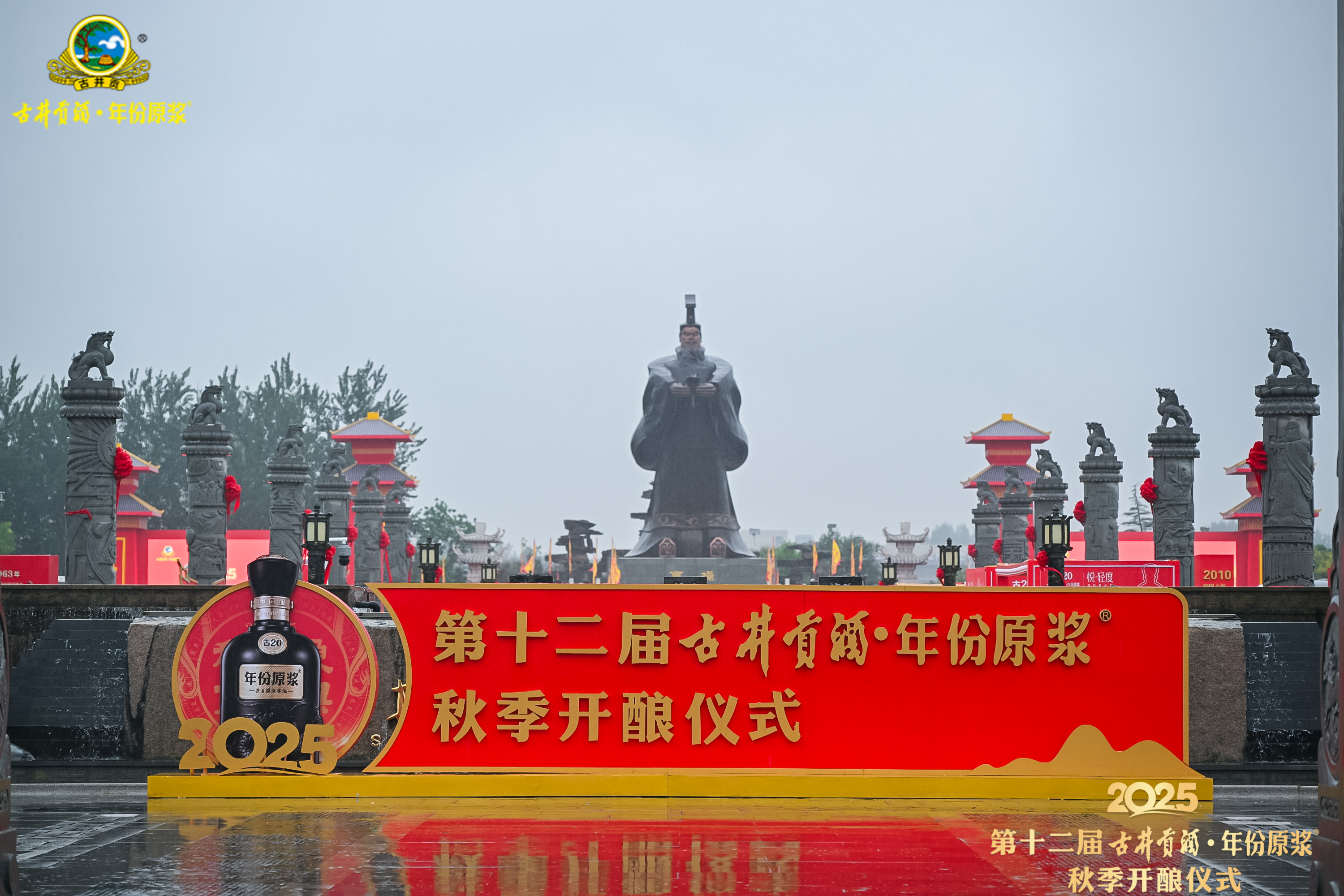
Core Viewpoint - The 2025 Autumn Brewing Ceremony of Gujinggongjiu marks the twelfth consecutive year of this tradition, emphasizing the brand's commitment to quality and cultural heritage in the liquor industry [1][4]. Group 1: Tradition and Cultural Significance - The ceremony includes a public worship of the "Wine God" Cao Cao, highlighting the historical significance of Gujinggongjiu as a tribute wine since the Han Dynasty [4][8]. - The event is not just about brewing but also about expressing gratitude towards nature, ancestors, and the adherence to traditional brewing methods [4][9]. Group 2: Innovation and Modernization - This year's ceremony has evolved into the "Autumn Brewing Cultural Week," extending the event to a week-long celebration that integrates with the World Manufacturing Conference in Hefei [5]. - The introduction of "Four Regions Brewing" signifies a strategic expansion, enhancing brand presence and market strategy through a diversified product matrix [9][10]. Group 3: Technological Integration - Gujinggongjiu is leveraging smart technology in its brewing process, combining traditional methods with modern automation to enhance efficiency and quality [10][14]. - The "1+1" production model emphasizes the balance between traditional craftsmanship and modern digital techniques, aiming for a seamless integration of both [10][14]. Group 4: Market Adaptation and Consumer Engagement - The brand is responding to evolving consumer trends by offering a diverse range of products that cater to contemporary preferences for health and personal expression [15][17]. - The focus on cultural innovation reflects Gujinggongjiu's understanding of the changing landscape of liquor consumption, moving beyond mere product offerings to creating immersive experiences [15][17]. Group 5: Strategic Vision for Future Growth - The ceremony encapsulates Gujinggongjiu's philosophy of "perseverance, transformation, and elevation," which is essential for achieving high-quality development in the liquor industry [18].

四川人的酒杯里,装的是整个江湖!这含金量,懂的都懂
Sou Hu Cai Jing· 2025-09-27 06:17
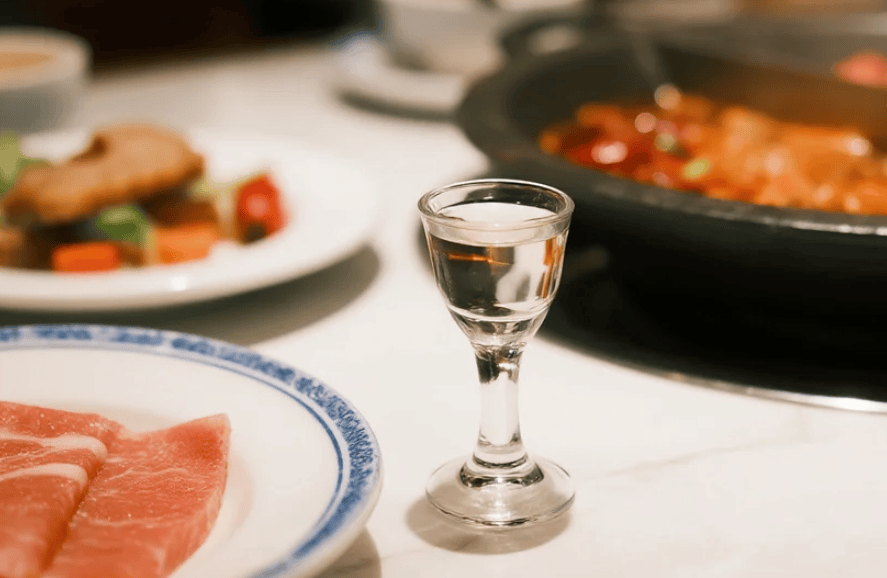
Core Insights - Sichuan people have a strong cultural connection to alcohol, with drinking being an integral part of their social life and traditions [1][3][19] - A study published in The Lancet reveals that Sichuan residents have the highest alcohol consumption in China, averaging over 400 grams of pure alcohol per week [3][22] Group 1: Drinking Culture - Sichuan drinking culture emphasizes a relaxed and leisurely approach, contrasting with the competitive drinking styles seen in other regions [5][6] - Social gatherings in Sichuan often revolve around drinking, with various occasions serving as reasons to celebrate with alcohol, such as birthdays, weddings, and even casual meet-ups [8][12] Group 2: Drinking Philosophy - The philosophy of drinking in Sichuan is about enjoyment and social connection rather than quantity, with a focus on savoring the experience [6][16] - Unique sayings and playful banter characterize the drinking rituals, highlighting the cultural significance of alcohol as a medium for social interaction [10][16] Group 3: Regional Variations - Different regions within Sichuan have their own distinct drinking customs, reflecting local identities and preferences [12][14] - For instance, people from Leshan prefer to drink by the box rather than by the cup, while those from Luzhou treat drinking as a casual activity akin to having soup [12][14] Group 4: Alcohol as a Social Connector - Alcohol serves as a bridge for building relationships and fostering camaraderie among Sichuan people, transforming drinking occasions into opportunities for bonding [16][18] - The presence of a well-stocked liquor cabinet is seen as a sign of hospitality and social standing in Sichuan households [14][22]
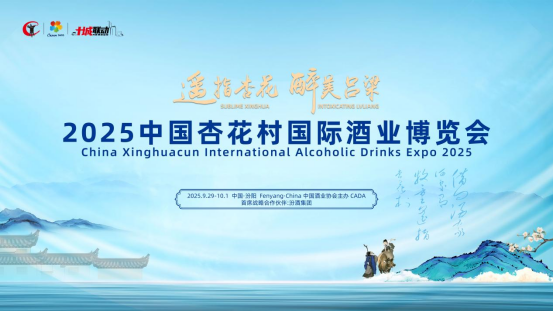
中国杏花村酒博会即将启幕,全球名酒齐聚助推产业发展
Qi Lu Wan Bao· 2025-09-26 01:05
Core Insights - The 2025 China Xinghua Village International Wine Expo will be held in Fenyang, showcasing nearly 500 domestic and international wine enterprises, emphasizing the integration of technology, culture, and consumption [1][3][4] - The expo serves as a key platform for Chinese wine culture to connect with the international market, highlighting the success of the Lüliang wine region as a model for innovation in the industry [3][4] - The event is expected to significantly boost local economic development, with Fenyang's GDP reaching 37.627 billion yuan in 2024, reflecting a 170.5% increase since 2016 [4] Industry Development - The expo aims to elevate industry standards and reshape the development landscape by promoting collaboration and technological innovation among global wine enterprises [5][6] - Over 30 specialized activities will take place during the expo, including high-level conferences and awards that provide authoritative product quality certification [6] - The integration of cultural and technological elements will be showcased through smart brewing technologies and blockchain traceability, enhancing the consumer experience [6] Economic Impact - The expo has a strong impact on local economic growth, with previous events generating sales in the millions of yuan, demonstrating its effectiveness in driving explosive marketing for wine products [4] - The event is positioned as a new urban brand for Fenyang, contributing to high-quality regional economic development [4][5]
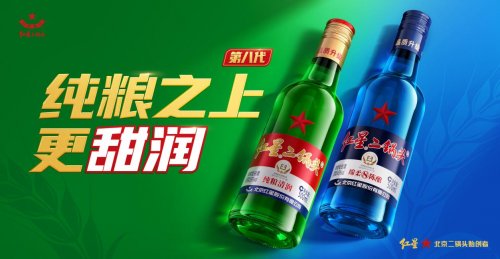
更甜润,第八代红星二锅头的新滋味
Sou Hu Wang· 2025-09-18 10:03
Core Viewpoint - The launch of the eighth generation of Hongxing Erguotou represents a significant upgrade, maintaining its traditional rich flavor while introducing a pleasantly sweet taste, appealing to modern consumers [1][3][10]. Group 1: Product Development - The eighth generation of Hongxing Erguotou emphasizes a "sweet and smooth" flavor profile, reflecting over 300 years of brewing tradition and innovation [3][5]. - The product's development is rooted in the historical techniques established in 1680, with significant milestones including its recognition as a national intangible cultural heritage in 2008 [3][9]. - The introduction of the "231 intelligent Daqu cultivation" method enhances the unique sweet flavor, focusing on natural ingredients and precise control during the brewing process [7][9]. Group 2: Market Positioning - The new flavor caters to changing consumer preferences towards a more comfortable drinking experience, aligning traditional tastes with contemporary trends [5][6]. - The brand aims to maintain high cost-performance, ensuring that consumers can enjoy quality comparable to premium spirits without excessive pricing [9][10]. - The commitment to producing affordable yet high-quality liquor reflects the brand's dedication to the local community and its historical roots [12].
第十四届中国(贵州)国际酒类博览会累计达成贸易额186.39亿元
Xin Hua Cai Jing· 2025-09-13 11:42
Group 1 - The 14th China (Guizhou) International Wine Expo concluded with a total trade volume of 18.639 billion yuan, representing a 72.29% increase compared to the previous edition [1] - The event attracted 279,800 visitors, marking a 101% increase from last year [1] - The theme of the expo was "Gather Global Fine Wines, Promote Open Cooperation," featuring over 1,000 enterprises from more than 40 countries and regions [1] Group 2 - The expo included over 30 activities, such as themed and special events, to enhance dialogue and cooperation within the wine industry [1] - The offline exhibition covered a total area of 92,000 square meters, with eight major exhibition areas showcasing over 20,000 wine products [1] - New features introduced at this year's expo included the "Wine Lifestyle Pavilion," "Intangible Cultural Heritage Wine Culture Exhibition," and "Old Wine Auction," promoting a shift from selling products to selling lifestyles [2] Group 3 - An online platform was established to facilitate virtual exhibitions, allowing products to reach a broader audience and create business opportunities [2] - Concurrent events included the International Fine Wine (Gourmet) Carnival and various cultural activities aimed at boosting consumer engagement [2]