金融中心建设

Search documents
Visa据悉将把欧洲总部迁至伦敦金丝雀码头
Xin Lang Cai Jing· 2025-12-05 06:47
Group 1 - Visa plans to relocate its European headquarters to Canary Wharf in London [1][2] - Visa will lease 300,000 square feet of office space at One Canada Square for a 15-year term, occupying 11 floors by 2028 [1][2] - Canary Wharf has been working to retain tenants post-COVID-19 pandemic, with a rebound as companies encourage employees to return to the office [1][2] Group 2 - JPMorgan announced plans to build a new headquarters in the Canary Wharf financial district, contributing £9.9 billion (approximately $13.2 billion) to the local economy over six years [1][2] - The JPMorgan project is expected to create 7,800 jobs in the area [1][2]


全球排名提升5位的背后,成都金融如何强支撑?|“十四五”对账本
Sou Hu Cai Jing· 2025-12-04 13:37
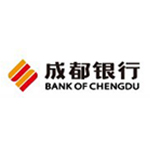
Core Insights - Chengdu's capital market has seen significant activity in November, with companies like Canopus Robotics and NobiKan AI filing for Hong Kong Stock Exchange listings, and WoFei ChangKong completing financing of several hundred million yuan [1] - The city aims to enhance its financial sector, targeting a financial industry value-added of over 280 billion yuan by 2025, while maintaining a top-tier position in the global financial center index [1] Financial Growth - By the end of 2024, Chengdu's banking assets and liabilities are projected to exceed 8 trillion yuan, marking over 56% growth since the beginning of the 14th Five-Year Plan [2] - The financial industry's value-added is expected to grow by 9.3% compared to the start of the 14th Five-Year Plan, with total deposits and loans reaching 6.27 trillion yuan and 6.66 trillion yuan respectively [2] Financial Ecosystem Development - Chengdu has seen a 68.42% increase in private equity fund management scale since the start of the 14th Five-Year Plan, with the establishment of a complete financial license system [5] - The city has implemented initiatives to connect financial resources directly to key enterprises and projects, providing substantial financial support for economic growth [5] Financing Initiatives - The "Huirong Loan" program has surpassed 200 billion yuan in loans, significantly alleviating financing pressures for local enterprises [6] - Chengdu Bank has launched the "Cheng Xiaowei" service brand to support small and micro enterprises with comprehensive financial services [6] Customized Financial Solutions - A "Financial Advisory Service Team" has been established to provide tailored solutions for businesses, completing over 950 projects related to supply chain financing and listing guidance [9] - Chengdu has launched a 100 billion yuan future industry fund to invest in emerging sectors, with the first batch of sub-funds totaling approximately 6.5 billion yuan already signed [9] Capital Market Performance - As of October 2025, Chengdu has 153 listed companies with a total market capitalization exceeding 2 trillion yuan, reflecting the city's growing capital strength [10] - The city has developed a comprehensive capital market service ecosystem, facilitating the listing process for local companies and hosting various promotional activities [10] Future Directions - Chengdu's financial authorities plan to continue enhancing support for key industries and small and micro enterprises, focusing on technological innovation and resource integration [11]

The paint is barely dry on JPMorgan's state-of-the-art New York HQ, but it's already planning a new tower in London
Yahoo Finance· 2025-11-27 21:58
Core Insights - JPMorgan Chase plans to build a new 3-million-square-foot headquarters in London's Canary Wharf, which will accommodate up to 12,000 employees and is expected to contribute £9.9 billion ($13 billion) to the local economy over six years [1][2][6] Group 1: Project Details - The new headquarters will be one of the largest and most sophisticated office towers in Europe, with construction expected to take six years pending necessary approvals [2] - The architectural firm Foster + Partners, which designed JPMorgan's new Park Avenue headquarters, will oversee the London project [2][3] - The building will feature amenities aimed at supporting employees' physical and emotional well-being, including terraces, wellness spaces, nursing rooms, restaurants, cafés, and bicycle parking [5] Group 2: Economic Impact - The project is projected to significantly boost the local economy, contributing £9.9 billion ($13 billion) over a six-year period [1][6] - Jamie Dimon, CEO of JPMorgan, emphasized London's historical significance as a financial hub, reinforcing the city's status on the global stage [7][6] Group 3: Company Culture - The new headquarters is designed to reflect JPMorgan's cultural expectations for its employees, promoting in-office work and collaboration [3][4] - The building will include exceptional collaboration spaces and state-of-the-art trading floors [5]
新加坡太平洋经济合作理事会主席TAN Khee Giap:从“偶然”到顶尖,新加坡如何成为金融中心?
Cai Jing Wang· 2025-11-13 23:31
Core Insights - Singapore's rise as an international financial center was not a result of meticulous planning but rather a series of opportunistic decisions made in response to unexpected circumstances [1][3][11] - The government and civil service in Singapore play a crucial role in balancing financial development with macroeconomic stability, showcasing a pragmatic approach to governance [2][6][11] Group 1: Key Factors in Singapore's Financial Success - Singapore's ability to seize opportunities, such as the suggestion from a U.S. bank to utilize time zone differences for foreign exchange trading, marked the beginning of its financial center status [2][5] - The unique division of the banking system into offshore and onshore segments allowed Singapore to open its market while safeguarding macroeconomic stability [2][6] - The government acts not only as a promoter of financial growth but also as a strict rule-maker and guardian, ensuring a stable financial ecosystem [2][11] Group 2: Challenges and Balancing Act - The challenge of balancing financial industry growth with macroeconomic safety is a persistent dilemma for Singapore's civil service [6][8] - New technologies and payment methods present both opportunities and risks, necessitating a careful approach to regulation that does not stifle innovation [7][8] - The influx of family offices from China has prompted Singapore to establish clear guidelines to manage growth while assessing associated risks [8] Group 3: Cultural and Structural Considerations - The cultural aspect of governance, including a strong adherence to rules and transparency, is vital for maintaining Singapore's status as a financial hub [9][11] - The need for a robust infrastructure, including efficient transportation and high-speed internet, is essential for attracting international financial activities [10][11] - The recruitment of international talent is critical, but it must be balanced with the development of local expertise to ensure sustainable growth in the financial sector [9][10]


财经观察:东盟国家推进金融中心建设,竞争区域话语权
Huan Qiu Shi Bao· 2025-10-14 22:58
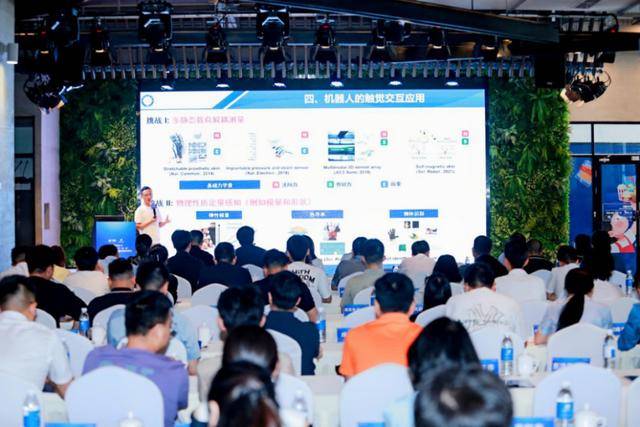
Core Viewpoint - Southeast Asian countries are competing to establish financial centers, aiming to attract international capital and enhance their economic positions in the global financial landscape [1][10]. Indonesia's Financial Center in Bali - Indonesia plans to develop Bali into a financial center to attract international banks, asset management firms, and private equity companies, although the government has not officially announced the plan yet [2][4]. - The initiative is supported by President Prabowo and is modeled after India's GIFT City and Dubai International Financial Centre, offering tax and regulatory exemptions and simplified approval processes [4][5]. - The Indonesian government aims to create a transparent financial center to support economic development, with expectations that it will connect global capital with local entities [5][6]. - The plan is seen as a catalyst for economic diversification and attracting larger international investments, especially in light of declining consumer confidence and investment [5][11]. - Indonesia's economic growth rate is projected to slow to 4.9% in 2025, with a goal of achieving 8% growth by 2029, necessitating $784 billion in direct investment over the next four years [5]. Vietnam's Dual-City Financial Center - Vietnam is working on creating a dual-city financial center in Da Nang and Ho Chi Minh City, inspired by Dubai's Palm Islands, to attract foreign investment and achieve double-digit growth [7][8]. - Ho Chi Minh City will focus on comprehensive financial services, while Da Nang will target green finance and offshore financial services [7][8]. - The goal is to improve the global ranking of the dual-city financial center from 95th in 2023 to 75th by 2035 and 20th by 2045 [8]. - Vietnam's efforts to establish an international financial center have faced challenges, including regulatory uncertainties and regional competition, but recent political will and clearer legal frameworks have accelerated progress [9][11]. Regional Competition and Development - Southeast Asian countries are intensifying their efforts to build attractive financial centers, with Singapore currently leading but facing challenges from emerging cities like Bangkok, Jakarta, and Kuala Lumpur [10]. - Bangkok's capital market expansion and Kuala Lumpur's focus on Islamic finance are enhancing their positions as regional financial hubs [10]. - The push for financial centers is driven by both domestic needs for upgraded financial services and international factors such as trade wars and the need for regional supply chain support [11].
印度金融心脏:千亿豪赌与魔幻现实
Hu Xiu· 2025-09-19 12:12
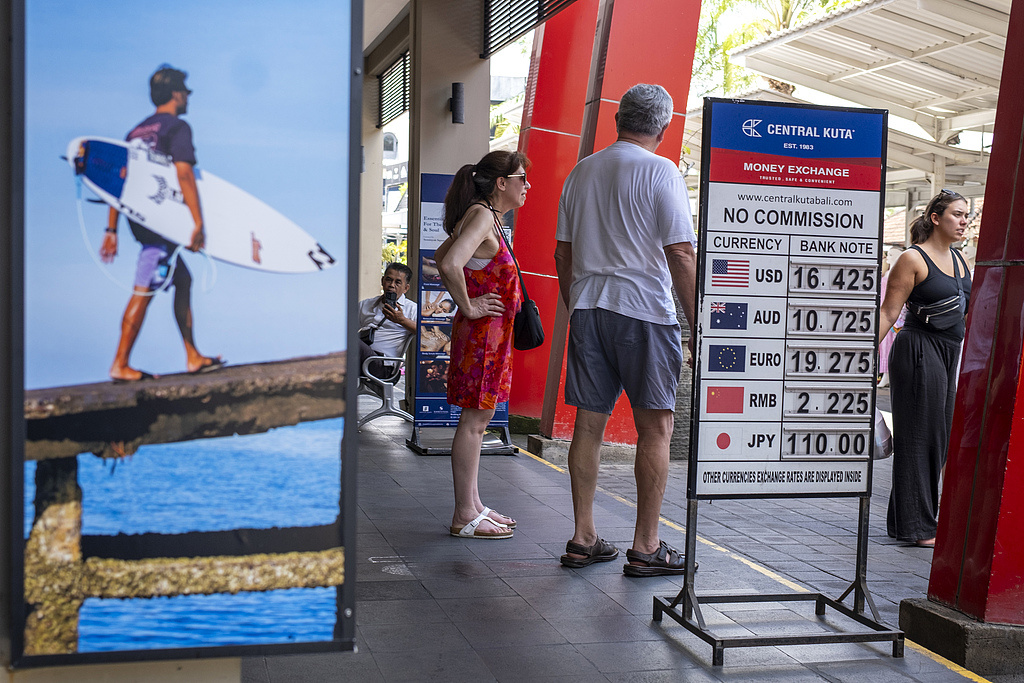
Core Insights - The article discusses the challenges faced by GIFT City in Gujarat, India, which aims to become a global financial hub but struggles with a lack of livability and community engagement [4][60]. Group 1: GIFT City Overview - GIFT City is a project initiated by Prime Minister Modi to create a "domestic offshore" financial center in India, aiming to retain capital that previously flowed to offshore centers like Singapore and Dubai [8][9]. - The city has seen significant investment, with over 550 entities committing more than $20 billion, and bank assets rising from over $40 billion to $90 billion in just two years [3][19]. - GIFT City offers a unique regulatory environment with a single regulatory authority and tax incentives, including a ten-year tax holiday for financial institutions [15][17]. Group 2: Challenges Faced - Despite its modern infrastructure, GIFT City suffers from a lack of social amenities, leading to a transient workforce that leaves the city after working hours [5][25]. - The city has only completed less than 20% of its planned residential units, resulting in a permanent population of fewer than 2,000 people [6][19]. - The absence of social infrastructure, such as restaurants and entertainment options, has made it difficult to attract and retain talent [30][35]. Group 3: Comparison with Other Financial Hubs - GIFT City's challenges reflect a broader issue faced by planned cities, where a disconnect between physical infrastructure and community needs can lead to a lack of vibrancy [41][46]. - Successful financial centers like Dubai and Singapore integrate work and lifestyle, providing a rich array of amenities that attract talent [48][51]. - The article suggests that GIFT City must address its cultural and social shortcomings to avoid becoming a hollow financial center [59][62]. Group 4: Future Directions - GIFT City is at a crossroads, with ongoing efforts to enhance its livability through the development of parks, schools, and cultural institutions [63][64]. - The city must consider more profound changes in social management and community building to create a sustainable environment for its residents [64][66]. - The experience of GIFT City serves as a valuable lesson for other rapidly urbanizing regions, emphasizing the importance of balancing infrastructure development with community needs [65][66].