铁人精神

Search documents
铁军战新春,戈壁传捷报!80013钻井队单日进尺刷新纪录
Xin Lang Cai Jing· 2026-02-21 13:08
Core Insights - Daqing Drilling Engineering Company achieved a significant milestone by drilling the Fuyuan 209-H1 well, reaching a daily drilling depth of 1968 meters, setting a new record for the Daqing Drilling in the Fuyuan 209 oil reservoir [1][2] - The well is designed to a depth of 7666 meters and has faced complex geological conditions, including a 6075-meter bare-eye section and high safety risks due to the presence of hydrogen sulfide [1] Group 1 - The drilling team utilized a three-tiered mechanism for risk assessment, integrating company, project department, and drilling team efforts to convert safety and speed pressures into motivation for self-improvement [2] - Advanced drilling technologies were employed, including high-torque screw and efficient PDC drill bits, achieving a rotation speed of 70-100 rpm and a pump pressure of 32 MPa, pushing equipment to its limits [2] - The team demonstrated dedication by continuing operations during the Spring Festival, embodying the spirit of Daqing and the "Iron Man" ethos, showcasing their capability to tackle tough challenges [2]
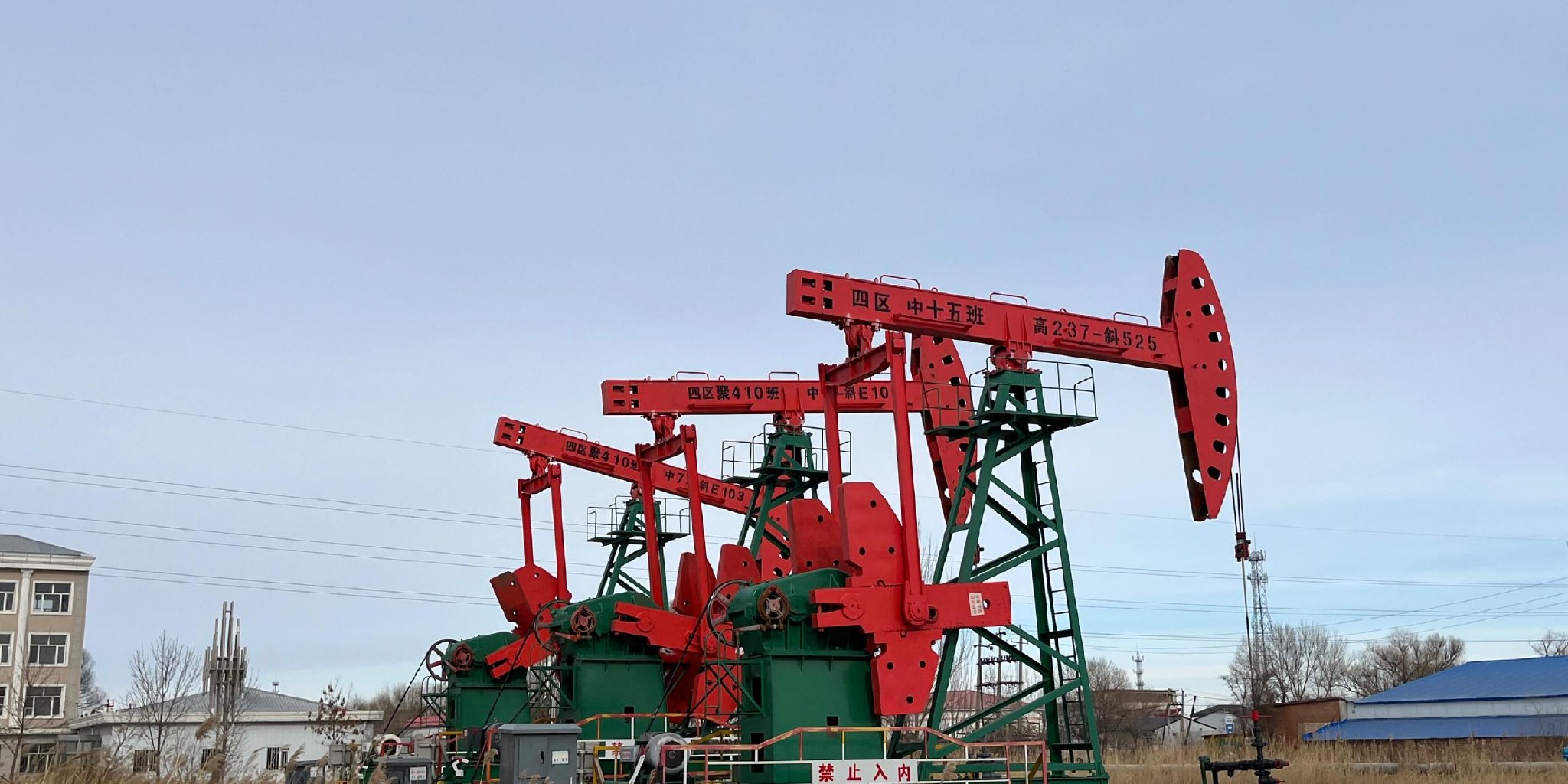
“磕头机”下的荒原与新城|故乡里的中国
Jing Ji Guan Cha Wang· 2026-02-19 10:53
Core Insights - Daqing, a city born from oil, continues to showcase its rich petroleum heritage through various cultural symbols and local traditions [2][8][11] Group 1: Historical Context - In 1960, thousands of soldiers and oil workers arrived in the Songliao Basin to initiate a significant oil battle, leading to the establishment of Daqing as a major oil-producing city [7] - Daqing has produced over 2.5 billion tons of crude oil, accounting for nearly 40% of China's total onshore oil production [11] Group 2: Cultural Significance - The city features numerous monuments and symbols related to its oil heritage, including streets, neighborhoods, and schools named after the "Iron Man" Wang Jinxi, a key figure in Daqing's oil history [9][8] - During the Spring Festival, Daqing's public spaces are adorned with oil-themed decorations, including lanterns shaped like oil pumps and pipelines, reflecting the city's identity [12][16] Group 3: Local Economy and Tourism - The "pit roast" culinary tradition, originating from the oil workers' makeshift cooking methods, has evolved into a popular dining experience, attracting both locals and tourists [23][21] - Daqing's unique food culture, particularly the pit roast, draws visitors from surrounding cities, contributing to the local economy during festive seasons [27][21]

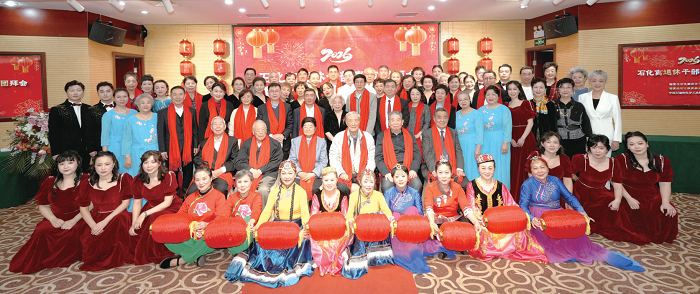
石化离退休干部春节团拜活动在京举行——新老化工人同叙情谊共商发展
Zhong Guo Hua Gong Bao· 2026-02-09 02:09
Group 1 - The event held on February 3, 2026, was organized by the State-owned Assets Supervision and Administration Commission (SASAC) and the China Petroleum and Chemical Industry Federation to celebrate the Spring Festival for retired petrochemical workers [1] - Notable attendees included former leaders from the Ministry of Chemical Industry and current officials from SASAC, highlighting the importance of the event in recognizing the contributions of retired workers to the industry [4] - The petrochemical industry is recognized as a crucial pillar of the economy, with over 20 products ranking first globally, and significant advancements in technology and production capabilities [5] Group 2 - The SASAC emphasized the importance of addressing internal and external challenges while enhancing the "five values" in 2025, attributing past successes to the foundational work of retired leaders [4] - The petrochemical sector aims to continue its development by fostering a spirit of collaboration between experienced and new workers, contributing to the goal of building a strong petrochemical nation [5] - The focus for 2026 includes improving service quality for retired workers and enhancing operational management within the SASAC's petrochemical service center [5]
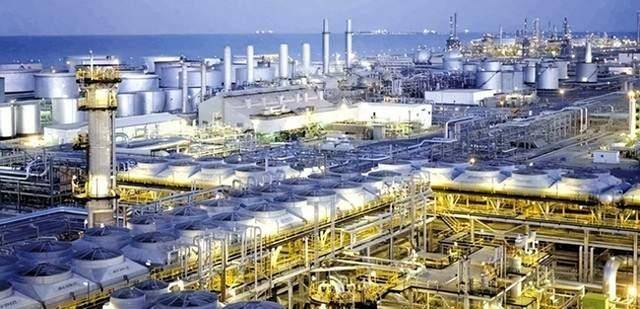
曾被西方断言是贫油区,如今却遥遥领先,中国石油怎样完成逆袭的
Sou Hu Cai Jing· 2025-12-16 11:49
Core Viewpoint - The article discusses China's remarkable transformation from being labeled a "desperate oil region" to becoming a global leader in oil production and energy security, highlighting the pivotal role of a single well discovered in 1959 that changed perceptions and strategies in the oil industry [1][9][22]. Group 1: Historical Context - In the early 20th century, foreign experts, including those from Standard Oil and German teams, declared China a "desperate oil region" after unsuccessful drilling attempts [1][4]. - By the time of the founding of New China, the annual crude oil production was only 120,000 tons, reflecting a dire energy situation [4][18]. Group 2: Strategic Shift - Faced with external pressures and limited resources, Chinese geologists made a bold decision to explore the northeastern region, previously deemed unpromising by Western experts [4][6]. - The breakthrough came in 1959 with the discovery of the Songji No. 3 well in Heilongjiang, which not only revealed significant oil reserves but also challenged existing theories about oil formation [7][9]. Group 3: Cultural and Collective Efforts - The determination and spirit of the workers, exemplified by figures like Wang Jinxi, played a crucial role in overcoming harsh conditions to achieve rapid production increases [16][20]. - By 1963, China announced that it had achieved basic self-sufficiency in oil, marking a significant milestone in its energy independence [18][20]. Group 4: Current Position and Future Outlook - Today, China has transformed from a mere participant in the global oil market to a key player, with refining capacity exceeding 900 million tons, making it the world's largest [22][25]. - The country is now not only involved in oil exploration but also in setting global energy standards, particularly in green and low-carbon technologies [22][27]. - China's advancements in energy have reshaped global energy dynamics, and the country is poised to influence future developments in the renewable energy sector [27][29].

一所大学如何挖掘自己的“红色基因”
Zhong Guo Qing Nian Bao· 2025-12-07 02:50
Core Viewpoint - The article emphasizes the importance of "red gene" cultural heritage in Chinese universities, highlighting how it can enhance the cohesion and sense of belonging among students and faculty, while also serving as a valuable resource for ideological education [1][2]. Group 1: Red Gene Cultural Heritage - The "Northward Spirit" is identified as a crucial cultural force for building a strong education system in China, with roots in the contributions of revolutionary figures and educators in Jilin University [1]. - The conference on "University and the Cultural Transmission of Red Genes" gathered over 300 experts and scholars from more than 130 universities to discuss how to excavate and utilize their own "red genes" to enhance educational outcomes [1]. - The concept of "cultural self-awareness" is highlighted, stressing the need for universities to understand the origins and development of their red cultural heritage [2]. Group 2: Educational Strategies - The use of personalized narratives in teaching red culture is suggested to overcome the challenges of integrating red culture into modern education, with a focus on emotional engagement and individual stories [3][4]. - The creation of original plays and immersive experiences, such as the play "The Beginning," aims to transform red resources into educational tools that resonate with students [3][6]. - Regional red resources are seen as advantageous for ideological education, with examples of innovative courses that engage students through historical immersion [6][7]. Group 3: Institutional Initiatives - Various universities are developing programs to promote red culture, such as training red culture narrators and creating oral history projects to preserve the legacy of historical figures [7]. - The "Red Boat Spirit" is being integrated into educational curricula and activities, with initiatives designed to reach a wide audience across multiple universities [7].
要学“对不对”,也学“美不美”(中国道路中国梦·青春为中国式现代化挺膺担当㉑)
Ren Min Ri Bao· 2025-10-19 22:30
Core Viewpoint - The article emphasizes the importance of art education as a fundamental aspect of modern education, highlighting its role in nurturing life, shaping personality, and inspiring wisdom [1][2]. Group 1: Importance of Art Education - Art education is increasingly recognized as a necessity rather than an accessory in modern education, contributing significantly to the holistic development of children [1]. - The author transitioned from a language teacher to a full-time art teacher, motivated by the desire to help children discover, appreciate, and create beauty [2]. Group 2: Cultural and Emotional Connection - Art serves not only as a visual pleasure but also as a means of emotional resonance and spiritual elevation, enriching children's inner worlds [2]. - Students have begun to appreciate the unique cultural details of their surroundings through art, fostering a deeper understanding and love for their heritage [3]. Group 3: Innovative Teaching Approaches - The teaching approach includes outdoor activities that encourage students to observe and feel their environment, leading to a more profound artistic expression [2]. - The integration of modern elements, such as drones, in students' artwork reflects the need for art to resonate with contemporary life and societal changes [4]. Group 4: Community Engagement and Popularity - A significant number of students (2/3 of the county's students) participated in a recent art education initiative, indicating the growing popularity and acceptance of art education in the community [4].
石油企协第八次会员大会暨第八届一次理事会议在京召开
Huan Qiu Wang· 2025-09-29 04:10
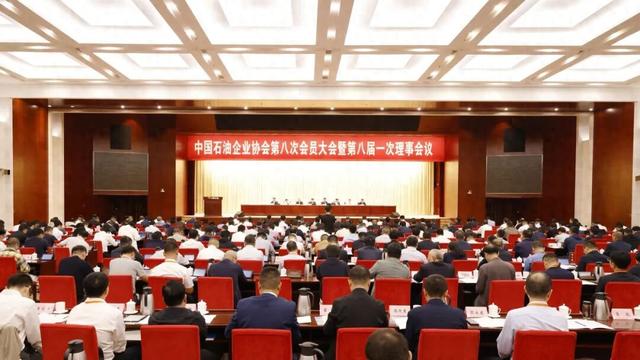
Core Points - The eighth member congress and the first council meeting of the eighth session of the China Petroleum Enterprise Association (CPEA) was held in Beijing on September 27, 2023, attended by over 280 representatives from member enterprises and relevant government departments [1][3] - The past decade has been characterized by the petroleum and petrochemical industry facing complex challenges and achieving steady development, with the CPEA enhancing its service capabilities and playing a vital role in supporting national energy security [3][4] - The new council is expected to strengthen party building and enhance its service functions to contribute to the high-quality development of the industry [3][4][5] Summary by Sections Meeting Overview - The meeting was attended by key figures from the China National Petroleum Corporation, the China Petroleum and Chemical Industry Federation, and other significant organizations, highlighting the importance of collaboration in the industry [1][3] - The CPEA has been recognized as a national-level industry association for its contributions to party building and governance modernization [3] Achievements and Future Goals - The CPEA has successfully navigated energy market fluctuations and industry transformations over the past ten years, enhancing its authority and influence within the sector [4][5] - The association aims to continue innovating and improving its service capabilities to support the high-quality development of the petroleum and chemical industries [4][5][6] New Leadership and Responsibilities - The newly elected president emphasized the importance of political responsibility and the need to foster a positive organizational culture while serving national and industry interests [7] - The meeting concluded with a collective expression of commitment to the industry's mission, symbolized by the singing of a patriotic song [7]
75载栉风沐雨 中国石油当好能源保供顶梁柱
Sou Hu Cai Jing· 2025-09-26 02:15
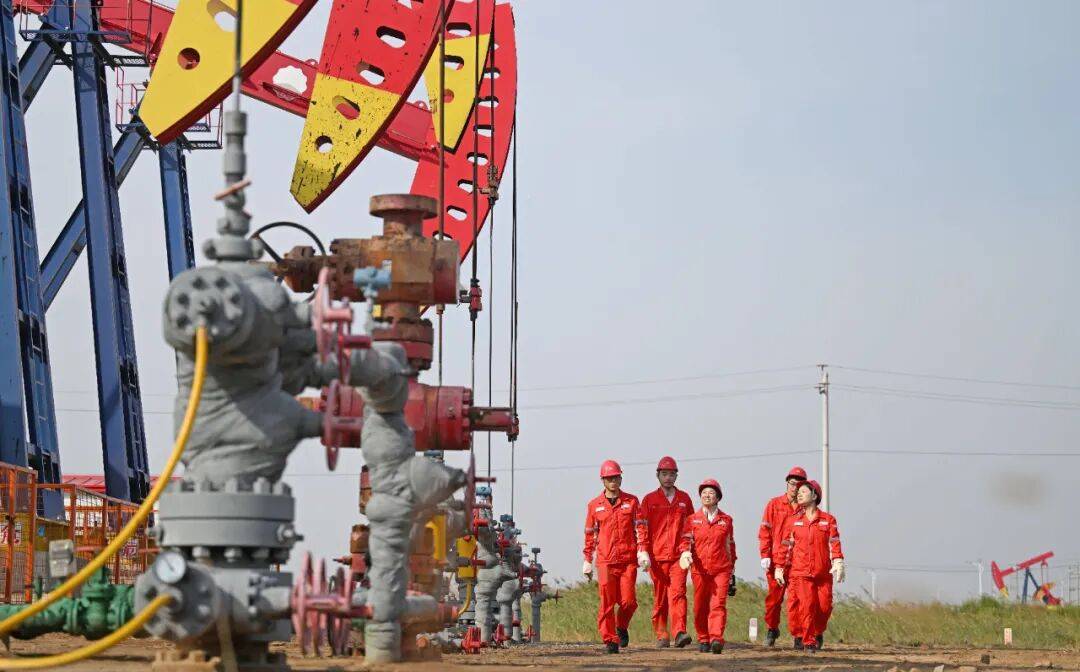
Core Viewpoint - The development of China National Petroleum Corporation (CNPC) over the past 75 years has transformed China from a poor oil country to a major oil power, significantly contributing to the country's industrialization and energy security [2][15]. Group 1: Transformation and Strategic Goals - The 18th National Congress initiated a comprehensive transformation of the energy sector, with a focus on building a world-class enterprise and implementing the "Four Revolutions and One Cooperation" energy security strategy [3][4]. - CNPC has made significant advancements in various fields, including deep earth exploration, shale oil revolution, and green hydrogen initiatives, showcasing its commitment to clean energy and technological innovation [3][4][15]. - The company aims to enhance its international competitiveness and ensure energy supply security through a series of transformative practices and strategic goals during the 14th Five-Year Plan period [4][16]. Group 2: Achievements and Economic Contributions - CNPC has successfully implemented the "Seven-Year Action Plan for Increasing Reserves and Production," achieving a production equivalent of over 100 million tons in domestic oil, natural gas, and overseas equity [4][16]. - The company's net profit is projected to triple compared to 2020, with significant increases in labor productivity and economic value added, reinforcing its position as a leading state-owned enterprise [4][16]. - During the 14th Five-Year Plan, CNPC's total assets grew from less than 70 trillion yuan to over 90 trillion yuan, with total profits increasing from 1.9 trillion yuan to 2.6 trillion yuan, reflecting a robust growth trajectory [4][16]. Group 3: Historical Context and Future Outlook - The history of CNPC is marked by significant milestones, including the establishment of centralized management in 1950 and the discovery of major oil fields, which have been pivotal in transforming China into a net oil exporter by 1978 [5][17]. - The company embodies the spirit of perseverance and dedication, as exemplified by the "Iron Man" Wang Jinxi, and has been recognized for its contributions to national energy security and industrial development [6][17]. - Looking ahead, CNPC is positioned to play a crucial role in ensuring energy supply and supporting China's modernization efforts amidst global energy transitions and geopolitical challenges [8].
奋进七十五载:中国石油书写能源报国的使命担当
Sou Hu Cai Jing· 2025-09-25 07:44
Core Insights - China is the world's largest energy producer and consumer, consuming 756 million tons of oil and 426.05 billion cubic meters of natural gas annually, which supports its position as the largest manufacturing country and the second-largest oil consumer market globally [1][3]. Historical Development - China National Petroleum Corporation (CNPC) celebrated its 75th anniversary, marking its evolution from a nascent oil industry in 1949 with an annual crude oil production of only 120,000 tons to a significant player in the global oil market [3][4]. - The establishment of major oil fields such as Karamay and Daqing, along with strategic decisions like the "Eastward Strategy," were pivotal in developing China's oil industry and ensuring energy security [6][7]. Economic Contributions - The oil industry has been crucial for China's industrialization, with crude oil production surpassing 10 million tons in 1978, solidifying its status among the world's oil-producing nations [4][7]. - CNPC has actively engaged in international markets, establishing a presence in regions such as South America, Africa, and the Middle East, contributing to energy security through diversified channels [7][8]. Transition to Modernization - In recent years, CNPC has embraced a new energy strategy focusing on "four revolutions and one cooperation," emphasizing energy security, green transformation, and technological self-reliance [8][10]. - The company is transitioning towards becoming a comprehensive energy and chemical company, integrating oil, gas, electricity, hydrogen, and refining [10][11]. Technological Advancements - CNPC has made significant strides in deep earth oil and gas exploration, achieving world-leading results in drilling technology and unconventional resource development [12]. - The company is also advancing digital transformation and smart development, enhancing operational efficiency across its value chain [12]. Social Responsibility - CNPC has demonstrated its commitment to social responsibility through various initiatives, including disaster relief, poverty alleviation, and support for major national events, reflecting its role as a state-owned enterprise dedicated to national and social development [12][13]. Future Outlook - Looking ahead, CNPC aims to continue ensuring national energy security while contributing to China's modernization efforts, aspiring to become a world-class enterprise [13].