
链式服务

Search documents
2026·贸促进行时 | 加强系统化、集成化改革创新,广东贸促会助企惠企开新局
Huan Qiu Wang· 2026-01-29 08:44
Core Viewpoint - The Guangdong Provincial Council for the Promotion of International Trade (GCPIT) is focusing on enhancing international trade and economic cooperation, particularly in the Guangdong-Hong Kong-Macao Greater Bay Area, to support local industries and promote the transition from "product export" to "brand export" for Chinese manufacturing [2][4]. Group 1: Economic Cooperation and Trade Promotion - GCPIT is implementing a comprehensive trade promotion system to help enterprises secure orders and enhance industrial chains, aiming for high-level openness in Guangdong [2][3]. - The council is set to participate in key events such as the Fourth Guangdong-Hong Kong-Macao Greater Bay Area Development Business Conference and the Chain Expo, focusing on building cooperation platforms and facilitating efficient flow of trade elements [4][7]. Group 2: Industry-Specific Initiatives - GCPIT is actively promoting the "chain service" model, particularly in the electric vehicle sector, by organizing exhibitions and facilitating supply chain collaborations among leading companies like Xpeng, BYD, and GAC Aion [7][8]. - The council plans to launch the "Guangdong Enterprises Going Global" service plan to support the international expansion of the Guangdong electric vehicle industry, focusing on market development and enhancing support systems for enterprises [8]. Group 3: Cross-Border E-Commerce and Local Economic Development - Guangdong's total import and export trade volume reached 9.49 trillion yuan in 2025, maintaining a leading position nationally, with plans to deepen the "Hundred Exhibitions and Ten Thousand Enterprises" initiative to help over 10,000 companies secure effective orders [9][11]. - The "Cross-Border E-Commerce + Industrial Belt" model is being promoted to stimulate local economic growth, with the "Hundred Counties Thousand Towns" initiative already covering nearly 120 industrial belts across 166 counties [11].


中保投资董事长贾飙:从散点到链式:服务科创企业的上海探索
Xin Lang Cai Jing· 2026-01-14 13:34
Core Viewpoint - The equity investment industry is entering a "refinement period" characterized by a focus on hard technology and strategic emerging industries, with investment institutions deepening their layouts and exploring value [1][25]. Group 1: National Requirements and Practical Needs - The national government emphasizes the need for a systematic service support system for technology innovation, particularly through the integration of equity investment, loans, and insurance [2][27]. - The 2023 State Council meeting approved a plan to support financing for technology-based enterprises, highlighting the importance of a comprehensive financial service system [2][27]. - The goal is to create a full lifecycle and full chain financial service system for technology innovation, integrating various financial tools [2][27][28]. Group 2: Integrated Service Logic and Conditions - Technology enterprises are characterized by high growth, light assets, high risk, and long cycles, necessitating a comprehensive financial service approach [5][31]. - Shanghai's financial system is robust, with around 1,800 licensed financial institutions, providing a solid foundation for integrated financial services [6][31]. - The strength of state-owned assets in Shanghai, amounting to approximately 20 trillion yuan, supports the capital supply and risk management needed for integrated services [6][32]. Group 3: Reality Constraints and Deep Reasons - There are structural constraints in integrated service promotion, including a lack of strategic collaboration among financial institutions, leading to fragmented operations [8][34]. - Operational execution faces challenges such as data fragmentation, poor service integration, and inadequate customer experience [9][35][36]. - Institutional barriers, such as segmented operations and regulatory frameworks, hinder collaborative efforts and the establishment of a unified service system [11][37]. Group 4: Suggestions for Integrated Services - A focus on key industrial chains, such as the integrated circuit industry, is recommended to explore a "chain service" model that enhances collaboration [15][40]. - The establishment of specialized policies and service mechanisms is essential to improve incentives and support capabilities for integrated services [17][42]. - Implementing closed-loop management and a clear collaborative mechanism is crucial for effective service delivery [20][44]. - Building a collaborative ecosystem that includes data sharing, system integration, and talent development is necessary to support integrated services [21][46].
上海奉贤区经营范围变更政策详细解读
Sou Hu Cai Jing· 2025-12-28 04:11
Group 1 - The core concept of business scope change is defined as the range of business activities that a company is authorized to engage in, and companies can apply for changes when they need to expand, reduce, or adjust their business strategies [3][19] - The policies in Shanghai's Fengxian District follow the national and municipal "streamlining administration and delegating power" reforms, focusing on simplifying processes, optimizing services, and enhancing efficiency while maintaining a balance between regulation and convenience [3][19] - Fengxian District emphasizes clear guidelines and optimized processes to reduce the costs and waiting times for companies, providing specific examples for certain industries to help accurately describe their business [3][19] Group 2 - The core process for changing business scope includes several structured steps, starting with a self-check to confirm eligibility and ensuring compliance with the national business scope registration standards [7][19] - Internal decision-making and amendments to the company’s articles of association are required, with reference templates provided to facilitate the process and reduce formatting errors [8][19] - The online application process is streamlined through a "one-stop" service platform, allowing companies to submit applications and receive notifications of approval efficiently [9][12][19] Group 3 - Post-change, companies must update their tax registration and bank account information, and if applicable, obtain necessary permits before commencing new business activities [13][19] - The policies reflect a shift from a traditional "heavy approval, light service" model to a service-oriented approach, reducing transaction costs for businesses [14][19] - Compared to regions with lower levels of information technology, Fengxian District's high level of digital integration allows for data sharing and reduces the need for repetitive submissions [16][19] Group 4 - Companies must ensure the use of standardized expressions in their applications to avoid rejections, and they should distinguish between pre-approval and post-approval licensing requirements [18][19] - The policies encourage diversification but advise that new business activities should relate to existing operations to avoid scrutiny from registration authorities [18][19] - Timely updates of all relevant registration information after obtaining a new business license are crucial to maintain consistency and avoid operational issues [18][19]

金融活水激荡华东大地 农行力量“贷”动高铁动脉
Feng Huang Wang Cai Jing· 2025-12-24 06:22
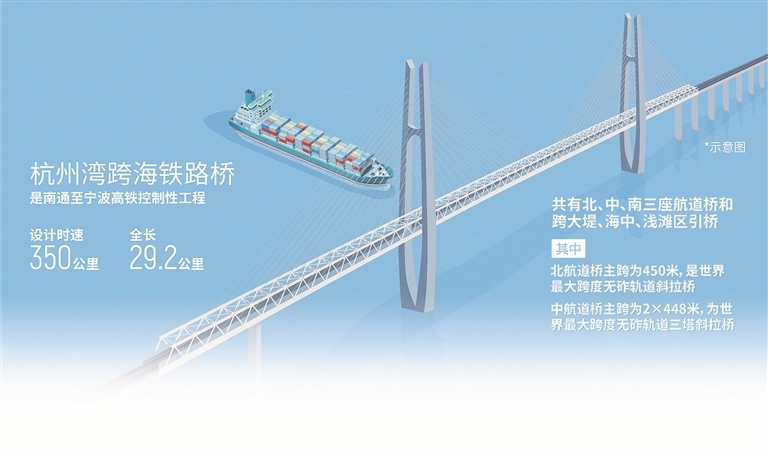
Core Viewpoint - The construction of the Tong-Su-Jia-Ning High-Speed Railway, a key project in China's "Eight Vertical and Eight Horizontal" high-speed rail network, is progressing rapidly with a total investment of 108 billion yuan, supported by financial services from Agricultural Bank of China Ningbo Branch [1][2] Group 1: Strategic Importance - The Tong-Su-Jia-Ning High-Speed Railway is a vital line in the Yangtze River Delta intercity railway network, contributing to Zhejiang Province's goal of becoming a "transportation strong province" [2] - Once completed, travel time from Cixi to Ningbo will be reduced to over 10 minutes, and to Shanghai will enter a "half-hour traffic circle" [2] Group 2: Financial Support - Agricultural Bank of China Ningbo Branch has prioritized financial services for this major national project, viewing it as a core responsibility of state-owned banks [2] - The bank has implemented a comprehensive service plan, ensuring timely communication and support for project financing needs [5] Group 3: Efficient Fund Management - The bank has established a financial service network for the project, covering all aspects from contractors to labor payments, ensuring a smooth cash flow [5] - In 2023, the bank successfully opened the basic account for Tong-Su-Jia-Ning Railway Co., providing a foundation for financing and operational support [5] Group 4: Project Progress and Financial Ecosystem - The Cixi high-speed station project has a total investment of 1.078 billion yuan and is expected to be completed by the end of 2027, becoming a new urban landmark [6] - Agricultural Bank of China has provided over 60 financing strategy consultations and more than 40 tailored financial service plans for the project [7] - By the end of November 2025, the bank had served 832 major projects in Ningbo, with a loan balance exceeding 140 billion yuan [7]

小鸡蛋“孵”出大产业——邮储银行湖北省分行金融赋能禽蛋产业升级
Zheng Quan Ri Bao Zhi Sheng· 2025-11-30 07:12
Core Insights - The poultry and egg products industry in Hubei has been identified as one of the top ten key agricultural industry chains, significantly contributing to the income of millions of farmers and providing numerous job opportunities [1][8] - Traditional farming methods have led to financing challenges for farmers, hindering the scale and standardization of the poultry industry [1][2] - Postal Savings Bank of Hubei has developed innovative financial products and services to support the high-quality development of the poultry industry, including credit loans without collateral [2][3][6] Financing Challenges - Farmers often face difficulties in obtaining loans due to a lack of traditional collateral, leading to missed opportunities for expansion and procurement [1][2] - The "Two Agricultural Credit Value Loan" product allows farmers to secure loans based on their creditworthiness rather than physical collateral [3][7] Financial Support Initiatives - The Postal Savings Bank has issued over 50 billion yuan in small loans to more than 30,000 poultry industry clients, with over 11 billion yuan disbursed this year alone [1][5] - The bank's "chain service" approach extends financial support across the entire poultry industry chain, from farming to processing, ensuring sustainable development [4][5] Case Studies - A farmer in Shiyan City successfully secured a 200,000 yuan loan in just three days, enabling him to expand his operations and potentially increase sales by 10 million yuan [2][3] - Another farmer in Huanggang City has grown his poultry operation from 5,000 to 150,000 birds with continuous support from the Postal Savings Bank [4][5] Innovative Financial Models - The "Postal Agricultural Quick Loan" model allows for rapid loan approval and disbursement, significantly benefiting farmers during critical production periods [6][7] - The collaboration with provincial agricultural guarantee companies has further reduced financing costs for farmers [7] Future Outlook - The Postal Savings Bank aims to continue enhancing its financial services for rural development, focusing on innovative products and efficient service delivery to support the growth of the poultry industry [8]

陕西重点产业链群能级持续提升
Shan Xi Ri Bao· 2025-11-07 23:48
Core Insights - The provincial government is focusing on enhancing key industrial chains to support high-quality economic development and modern industrial system construction [1][2] Group 1: Key Industrial Chain Development - The provincial industrial and information technology department is implementing the "Three-Year" initiative, targeting eight critical battles to strengthen leading enterprises, foster new quality, and optimize the ecosystem [1] - The province's key industrial chains are showing positive trends, with modern energy stabilizing, traditional industries upgrading, emerging industries growing, and new fields gaining vitality [1] - In the first nine months of the year, 34 key industrial chains in the province achieved a total output value exceeding 1.7 trillion yuan, with seven chains surpassing 100 billion yuan in output value and nine chains experiencing double-digit growth [1] Group 2: Action Plans and Innovation - The provincial industrial and information technology department has developed an action plan for 2025, detailing annual goals and measures for the 34 key industrial chains, emphasizing contributions from large-scale chains and growth of promising chains [2] - The department is promoting chain-based innovation by integrating technological and industrial innovation, leveraging the Xi'an regional innovation center, and supporting 284 technology projects for accelerated industrialization [2] - A gradient cultivation system for industrial chains has been established, supporting large enterprises in specialization and encouraging small and medium-sized enterprises to scale up and improve efficiency [2] Group 3: Service Optimization - The provincial industrial and information technology department is enhancing chain-based services through a structured approach involving various stakeholders, aiming to improve the capacity and service levels of high-tech zones and industrial parks [3] - Regular government-enterprise discussions and the expansion of the "Shanqi Tong" platform are being implemented to facilitate supply and demand connections along the industrial chain [3]