防御性储蓄

Search documents
2026年,中国最舍得花钱的群体是谁?
Sou Hu Cai Jing· 2026-01-24 14:12
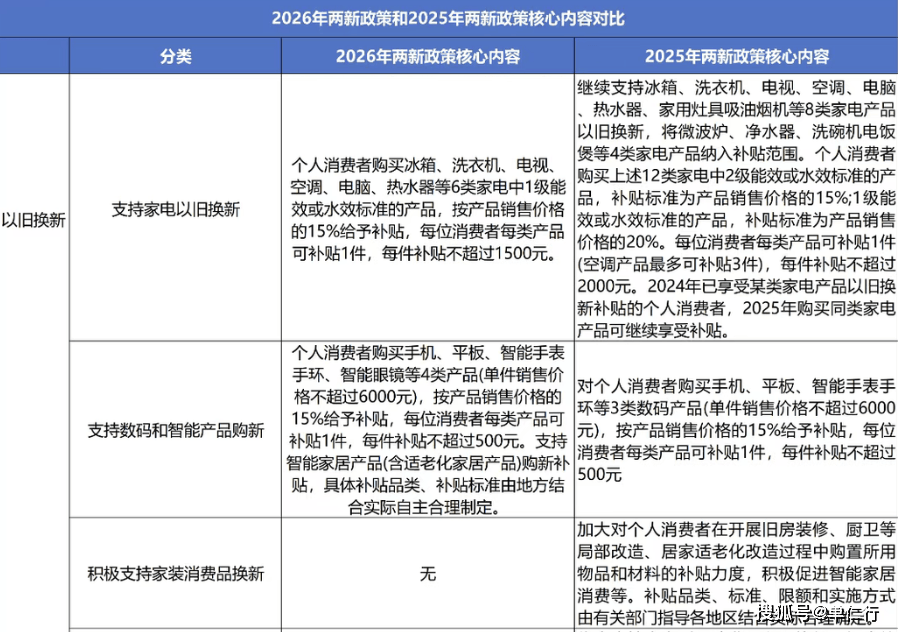
Core Insights - The article discusses the shift in China's economic landscape towards "high-quality development" post-pandemic, highlighting the target consumer groups for 2026, particularly focusing on middle-aged women and the elderly as the most willing spenders [1]. Group 1: Economic Context and Policy - 2026 marks the beginning of the "14th Five-Year Plan," with a strategic focus on significantly increasing the household consumption rate as a core task [1]. - The "Two New Policies" will continue and expand in 2026, promoting large-scale equipment updates and trade-in programs for consumer goods [2]. Group 2: Target Consumer Groups - The most willing spenders in 2026 are identified as middle-aged women aged 35-55 and seniors aged 60 and above, who possess substantial asset accumulation and are at the peak of their life experiences [3][5]. - Middle-aged women control 80.6% of household consumption decisions and have significant financial planning involvement, with 93.5% asserting they manage their personal income [9][10]. Group 3: Consumer Behavior and Market Trends - The anti-aging market in China is projected to grow at a compound annual growth rate of 10% from 2025 to 2026, with functional cosmetics making up over 45% of new skincare product applications [12]. - The elderly demographic, particularly those aged 60-75, is characterized by high asset ownership and increasing digital literacy, enabling them to engage in online shopping and social networking [16]. Group 4: Business Opportunities and Marketing Strategies - Brands are shifting from concept-driven marketing to evidence-based approaches, employing professionals to provide scientific backing for products, which resonates with the rational yet emotional purchasing behavior of middle-aged women [14]. - The silver economy is evolving into a significant market segment, with policies recognizing it as a pillar industry involving longevity technology and elder care finance, thus creating new business opportunities [22]. Group 5: Future Outlook - As younger generations exhibit cautious spending due to uncertainties, the wealthier and more experienced middle-aged women and elderly consumers are expected to drive a substantial portion of China's consumption in 2026 [26].

事出反常必有妖,百姓基本上都没钱了,九大反常现象还是出现了!
Sou Hu Cai Jing· 2025-12-10 07:26
Group 1: Economic Trends - The phenomenon of "revenge saving" is emerging in China, with consumers prioritizing savings over spending due to economic uncertainties [1][11] - In Q2 2025, household deposits exceeded 128 trillion yuan, a year-on-year increase of 12.3%, indicating a shift in consumer behavior towards saving [3] - Retail sales growth remains stagnant at around 4%, significantly below the initial forecast of 5.5%, reflecting cautious consumer sentiment [3] Group 2: Real Estate Market - Despite lower down payment ratios and historically low mortgage rates, the sales area of commercial housing in China decreased by 8.3% in the first half of 2025, with sales revenue dropping by 12.6% [3] - The phenomenon of "fear of debt" is prevalent, as individuals are hesitant to take on large loans despite favorable borrowing conditions [3] - Population migration trends show a net outflow of 172,000 people from first-tier cities, while second and third-tier cities see a net inflow of 268,000, indicating shifting urban dynamics [3] Group 3: Consumer Behavior - There is a stark divide in the consumer market, with luxury brands like LV and Chanel experiencing double-digit sales declines, while sales of micro electric vehicles surged by 43.7% [5] - Young consumers are increasingly opting for practical purchases over brand-name products, reflecting a significant shift in consumption attitudes [5] - The rise of online shopping and community-based retail models is reshaping traditional retail landscapes, leading to increased foot traffic in online platforms while physical stores struggle [5] Group 4: Employment Market - The unemployment rate for individuals aged 25-35 is at 6.7%, with youth unemployment exceeding 20%, highlighting structural issues in the job market [7] - Many young people are shifting career paths towards flexible employment or self-media, indicating a response to changing job market demands [7] - The decline in marriage and birth rates is attributed to high living costs, with young couples facing significant financial burdens [7] Group 5: Economic Structure and Policy Responses - The growth in sectors like renewable energy and semiconductors is not sufficient to offset declines in real estate and traditional manufacturing [9] - There is a 30% mismatch between the skills of graduates and the needs of employers, exacerbating employment challenges [9] - Policy measures, including increased minimum wage standards and financial support for families, are being implemented to address these economic challenges [9]

房贷还在降!15%的首付也救不了楼市?老百姓为何宁愿存钱也不买房
Sou Hu Cai Jing· 2025-08-22 07:49
Core Insights - The latest data from the People's Bank of China indicates a significant cooling in the real estate market, with the total personal housing loan balance reaching 37.74 trillion yuan, reflecting a 0.1% decrease compared to the same period last year, signaling a profound transformation in the market [1][3] Group 1: Loan Dynamics - Personal housing loan balances have experienced negative growth for the second consecutive year, with this year's decline of 0.1% being less severe than last year's 2.1%, indicating that the speed of loan repayments is outpacing new loan issuance [3][5] - In the first half of this year, new housing loans amounted to only 51 billion yuan, while early repayments reached an astonishing scale, with 24 yuan being repaid for every 1 yuan of new loans issued [3][5] Group 2: Market Conditions - The decline in housing loan balances is primarily attributed to weak housing sales, with new residential sales dropping by 5.2% year-on-year to 4.42 trillion yuan in the first half of the year, affecting the growth of loan balances as over 80% of Chinese homebuyers rely on loans [5][6] - Despite the downtrend, the average down payment ratio has fallen to a historical low of 15% for both first and second homes, yet buyers remain hesitant to take on loans due to a defensive savings mentality amid income instability [5][6] Group 3: Changing Buyer Behavior - The appeal of early repayment arbitrage is diminishing as the gap between new loan rates (3.1%) and existing loan rates has narrowed to less than 0.5%, with many families that could repay early having already done so [6][7] - The proportion of homebuyers under 25 has plummeted from 17% in 2020 to 3.8% in 2025, reflecting a shift in attitudes where younger generations prefer renting over taking on long-term debt [6][7] Group 4: Market Recovery Challenges - Although the transaction volume of second-hand homes in 30 major cities increased by 12% in the first half of the year, this growth is largely superficial, as it represents a transfer of debt rather than an increase in overall loan amounts [7] - The anticipated rise in foreclosures, with an expected 210,000 new cases in 2025, poses a significant risk to the housing loan balance, as these properties may become "bad debts" [7] - Government measures to stimulate the market, including a 60% reduction in loan rates from historical highs, have not led to sustained recovery, highlighting the fragile nature of the real estate market [7]