
AR眼镜

Search documents
【研选行业】工程师红利+产业链优势,这个医疗细分领域龙头迎来“AI+出海”双催化,谁最可能复刻海外龙头千亿市值?(附重点公司)
Sou Hu Cai Jing· 2026-02-05 11:16
Group 1 - The demand for AR glasses and optical communication has surged over 40%, with a specific A-share company providing 78% of the global supply [1] - A leading company in a medical niche is experiencing a dual catalyst of "AI + going overseas," leveraging engineer advantages and industry chain benefits, raising questions about which company could replicate the overseas leader's trillion-yuan market value [1] - The first traditional Chinese medicine brain-computer interface equipment has been implemented, marking a breakthrough for future industries during the "14th Five-Year Plan" [1] Group 2 - Tencent is exploring the AI anime short drama market, with major players converging to ignite competition in a trillion-yuan industry [1]
对话独角兽 | XREAL迎战"百镜大战":技术自研,生态构建及全球博弈
Di Yi Cai Jing· 2026-01-27 11:58
Core Insights - XREAL has chosen a unique path in the AR glasses market by heavily investing in self-developed technology rather than relying on off-the-shelf solutions, reflecting the industry's desire for core technological breakthroughs [1][4] Technology R&D Choices and Challenges - The AR glasses industry requires significant investment in technology R&D, with XREAL investing most of its funding into developing its optical engine and spatial computing chip, aiming to reduce display latency to under 3 milliseconds to address motion sickness issues [2][4] - The urgency for core technological breakthroughs is evident, as they can create competitive barriers; XREAL's self-developed technology has granted it leverage in collaborations, such as the Project Aura with Google set to launch in 2026 [4] - XREAL's founder emphasizes the need to overcome three major technical bottlenecks for AR glasses to achieve widespread adoption: hardware miniaturization, spatial computing efficiency, and AI interaction experience, with power consumption being a critical issue [4] Industry Chain and Ecosystem Participation - The AR industry is undergoing profound changes, moving away from single-product competition to a focus on the integration capabilities of the entire industry chain [6][8] - XREAL participates deeply in the manufacturing of 65% of its components and collaborates with partners in the Yangtze River Delta to establish optical factories, ensuring quality control and supply chain stability [6] - The importance of software ecosystems is increasing, as XREAL collaborates with Google to develop a new generation of AR glasses based on the Android XR system, highlighting the need for hardware manufacturers to partner with software platforms and content developers [6] Global Market Strategy - Globalization is an unavoidable strategic choice for AR glasses companies, with the global smart AR glasses market expected to grow to 17.1 million units by 2025, attracting various players [9] - XREAL adopts a "first overseas, then return to China" strategy, with 70% of its revenue coming from international markets, aiming to establish a strong brand presence before competing domestically [9] - This strategy mirrors Tesla's global approach, focusing on capturing global market share before returning to compete with local giants like Huawei and Xiaomi [9] Accelerating Industry Chain Integration - XREAL's development path illustrates trends in the AR industry, where self-developed technology is becoming a common choice among leading companies to build technological barriers and gain more influence in the supply chain [11] - The integration of the industry chain is accelerating, requiring companies to find their positioning within the entire value chain, with ecosystem cooperation becoming increasingly important [12] - For startups like XREAL, challenges remain in balancing technological leadership with commercial success, managing global resources, and maintaining unique characteristics in ecosystem collaborations [12]


TCL电子(1070.HK):索尼战略合作催化价值重估 业绩预告大超预期
Ge Long Hui· 2026-01-22 05:44
Group 1 - The core viewpoint is that the strategic cooperation between TCL Electronics and Sony is expected to catalyze a revaluation of TCL's value, alongside anticipated strong growth in 2025 and continued leadership in AI innovation through Thunderbird [1] - TCL and Sony have signed a Memorandum of Understanding (MOU) to establish a joint venture, with TCL holding 51% and Sony 49%, to take over Sony's home entertainment business, aiming for operational launch by April 2027 [1][2] - The joint venture will leverage Sony's high-quality imaging and audio technology, brand value, and operational experience, combined with TCL's advanced display technology and global scale advantages [2] Group 2 - TCL's forecast for 2025 indicates an adjusted net profit between HKD 2.33 billion and HKD 2.57 billion, representing a year-on-year growth of 45-60%, exceeding the upper limit of the equity incentive target [2] - The collaboration with Sony is expected to enhance TCL's revenue significantly, with estimates suggesting that Sony's television revenue could reach RMB 24.8 billion in 2024, contributing to an overall revenue exceeding RMB 30 billion [2] - The company anticipates that the integration of AI applications and the upcoming major sporting events will improve profitability and market share, particularly in overseas markets [3] Group 3 - TCL's investment in Thunderbird Innovation, which has a leading position in the AR glasses market, is expected to boost its valuation, with Thunderbird holding a 24% market share in Q3 2025 [3] - The company is positioned to benefit from the withdrawal of competitors in the LCD panel market, with expectations of price stability and increased market share through innovative MiniLED technology [3] - The strategic focus on high-end and global markets is driving product optimization and innovation, leading to improved efficiency and profitability [4]
一年三轮融资,影目INMO将“下一代AI手机”装入眼镜!
Xin Lang Cai Jing· 2026-01-15 14:10
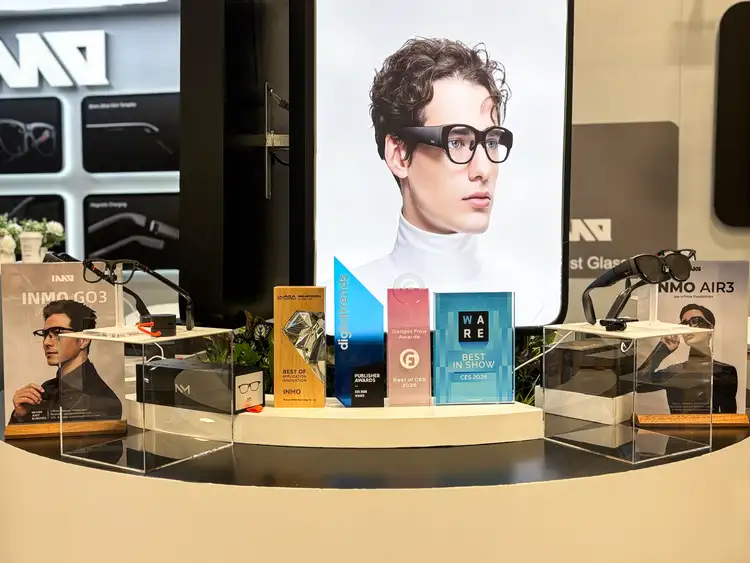
Core Insights - The AR glasses sector is undergoing an unprecedented capital arms race, with companies like影目INMO emerging as key players through significant funding rounds [1][25] -影目INMO has completed three rounds of financing within a year, raising nearly 500 million, signaling strong investor confidence in its potential as a leading player in the market [1][25] Investment Landscape - The C1 round of financing for影目INMO is notable for the diverse composition of its investors, including local government funds, regional strategic investors, and market-oriented VCs, indicating a rare consensus in the hard tech investment space [2][27] - 成都科创投 has positioned影目INMO as a "chain leader" in the AI and metaverse industries in Sichuan, which will provide not only financial support but also integration into regional industrial planning [4][27] -普丰资本's investment reflects a focus on companies with sustained dedication to their sector, highlighting影目INMO's long-term commitment to AR technology [4][27] Technological Differentiation -影目INMO is recognized as a "category creator" in the AR glasses market, having defined product forms and technical standards over the years, including the launch of the first wireless all-in-one AR glasses in China [8][29] - The company has introduced innovative products like INMO AIR and INMO GO, which have set industry benchmarks and are expected to lead the market with upcoming models [8][29][30] - The collaboration with智谱 has transformed影目INMO's AR glasses into AI Agent carriers, enhancing user interaction and functionality beyond traditional display capabilities [11][34] Market Positioning -影目INMO's strategy includes establishing a smart ecosystem independent of smartphones, with predictions that its products may partially or fully replace mobile devices [14][35] - The company has achieved significant market recognition, topping the京东智能眼镜金榜 and receiving multiple awards at CES 2026, which underscores its competitive edge in both domestic and international markets [15][39] - Influential endorsements from celebrities and strategic advertising campaigns have helped影目INMO transition from a niche tech product to a mainstream productivity tool [17][40] Distribution and Channel Strategy - The company is forming partnerships with major eyewear brands to create a comprehensive service network that integrates experience, purchase, and fitting, enhancing its market reach [24][44] - The focus on both online and offline channels indicates影目INMO's confidence in serving a broader consumer base, marking a strategic shift towards brand establishment in the physical retail space [20][40]
AR眼镜光波导技术与碳化硅材料的创新融合
Xin Lang Cai Jing· 2026-01-08 11:43
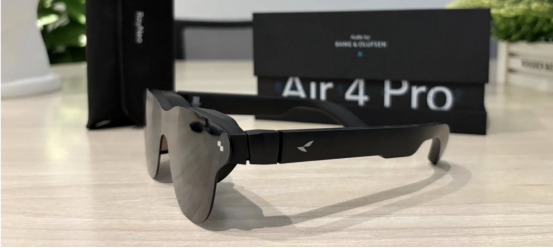
Group 1: Optical Solutions for AR Glasses - The optical solutions for AR glasses are primarily divided into two camps: "Birdbath" and "Waveguide" [1][17] - The Birdbath optical scheme is characterized by a simple structure that uses a beam splitter and a curved semi-transparent mirror to reflect images into the eye while allowing real light to pass through. It offers a large field of view and high contrast but has lower light transmittance and is difficult to miniaturize [1][17] - The Waveguide technology utilizes total internal reflection to transmit images through ultra-thin glass or crystal sheets, balancing device slimness with a large field of view, which is crucial for achieving a "normal glasses" form factor [4][20] Group 2: Types of Waveguide Technology - Waveguide technology is mainly categorized into geometric waveguides and diffractive waveguides. Geometric waveguides rely on traditional optical reflection/refraction principles and are characterized by high light utilization but are typically thicker [4][20] - Diffractive waveguides use nano-scale gratings on the lens surface to control light propagation, allowing for ultra-thin lenses but with lower light utilization efficiency [4][20] Group 3: Advantages of Silicon Carbide in Waveguides - Silicon carbide (SiC) materials exhibit multiple advantages in AR glasses waveguides, including a high refractive index (approximately 2.6), which allows for larger field angles and more compact designs [7][23] - SiC has excellent thermal conductivity (350-490 W/mK), enabling simplified heat management and lightweight designs for AR glasses [7][23] - The hardness and chemical stability of SiC enhance the durability and lifespan of waveguides, making them resistant to scratches and corrosion [7][23] Group 4: Market Trends and Developments - The commercialization of SiC waveguides in AR glasses is accelerating, with companies like Hangzhou Qiuguo planning to release mass-producible SiC waveguide XR glasses by 2025 [9][25] - Meta is set to showcase a prototype AR glasses named Orion in September 2024, featuring SiC lenses that significantly enhance the field of view compared to existing devices [9][25] - Companies are forming strategic partnerships to advance SiC waveguide technology, with a focus on integrating AR and AI trends [10][27] Group 5: Challenges in SiC Waveguide Commercialization - The complexity of manufacturing SiC waveguides poses challenges, as the material's hardness requires precision nano-scale manufacturing processes [15][31] - The high cost of SiC materials compared to traditional waveguide materials is a significant barrier to widespread adoption, particularly in consumer-grade AR glasses [15][31] - Integrating SiC waveguides with other optical components remains a technical challenge due to the material's properties [15][31] Group 6: Future Market Outlook - The market for SiC waveguides is projected to grow significantly, with forecasts indicating a production of 60 million units by 2030, primarily starting in industrial applications before moving to consumer electronics [16][32] - The optimization of light sources and waveguides will be crucial for enhancing AR glasses performance, with future designs focusing on the synergy between different light sources and waveguide technologies [16][32]

超600万人同上一堂大思政课!青春大讲堂·2026成都城市跨年演讲开讲
Xin Lang Cai Jing· 2025-12-24 02:30
Core Viewpoint - The article emphasizes the importance of youth engagement in national development and the role of cities like Chengdu in fostering innovation and entrepreneurship among young people [1][29]. Group 1: Youth Engagement and National Development - The Central Cyberspace Affairs Commission has organized activities in various universities to promote themes of patriotism and youth responsibility, encouraging young people to contribute to national progress [1][3]. - The "Youth Lecture Hall" initiative in Chengdu aims to combine ideological education with social engagement, inspiring youth to take on significant roles in the nation's revival [1][3]. Group 2: Innovation and Entrepreneurship in Chengdu - Chengdu is becoming a hub for young entrepreneurs, supported by a robust industrial ecosystem that attracts talent and fosters innovation [12][14]. - The city has seen significant growth in its low-altitude economy, with over 500 companies emerging in this sector, showcasing the synergy between individual aspirations and urban development [14][12]. Group 3: Cultural and Creative Industries - Chengdu's digital cultural and creative industry is projected to exceed 410 billion yuan in total scale by 2025, positioning the city among the top in the nation [22]. - The success of local projects, such as the animated film "Nezha," highlights the city's vibrant creative scene and the support available for creators [18][20]. Group 4: Community and Social Responsibility - The article highlights various acts of kindness and community support that contribute to Chengdu's reputation as a city with a high sense of happiness, emphasizing the interconnectedness of individual actions and societal well-being [27][29]. - The narrative of educators and volunteers illustrates the importance of nurturing youth and providing safe spaces for personal growth and expression [25][27].

获全球信息系统最高荣誉,亮亮视野携手顶尖学者定义“科技向善”新标杆
Feng Huang Wang Cai Jing· 2025-12-23 06:06
Group 1 - The "AR Smart Glasses Empowering Hearing-Impaired Individuals" project by LLVision, in collaboration with top universities, won the "AIS Impact Award 2025," highlighting the global impact of Chinese technology in addressing social challenges [1] - Over 5% of the global population (approximately 430 million people) suffers from hearing impairments, facing significant communication barriers and inequalities in education and employment [1] - The project establishes a new framework for evaluating accessibility technology and has successfully commercialized solutions that benefit a wide range of disadvantaged groups [1] Group 2 - LLVision launched the innovative AR subtitle glasses, Leion Hey, and its second-generation product, Leion Hey2, which significantly enhance communication efficiency for hearing-impaired users by 40% compared to traditional smartphone applications [2] - The CEO of LLVision emphasized the company's commitment to using technology for social good, aiming to restore equal communication rights and foster understanding among diverse cultures [2] - The technology has received dual recognition from UNESCO and AIS, and is being gradually commercialized globally, impacting various user groups including workplace newcomers and hearing-impaired students [2] Group 3 - LLVision is showcasing a new business model that not only defines a new product category but also demonstrates ESG capabilities in addressing social pain points [3] - The company plans to deepen collaborations with leading research institutions to promote the inclusive application of AI and AR technologies across various fields [3]
国内AR“战火”烧向海外 专利战首案在欧洲落地
Zhong Guo Jing Ying Bao· 2025-12-19 15:02
Core Viewpoint - The Munich District Court ruled that VITURE's products infringe on XREAL's European patent, leading to a temporary injunction that could impact VITURE's sales in Germany [1][3]. Company Summary - VITURE, founded by former Google and Apple employees in August 2021, plans to launch its VITURE Pro product in North America in May 2024, followed by a launch in China in August 2024 [2]. - VITURE asserts that its products are still available in other European countries and will continue to sell them legally while appealing the injunction [2]. - The patent in question, related to augmented reality technology, was applied for by XREAL in December 2019 [2]. Industry Summary - This case marks the first substantial patent infringement ruling in the AR glasses industry, indicating a shift towards a focus on patent protection rather than just market scale [3][5]. - The AR glasses market is expected to see significant growth, with a projected 73% year-on-year increase in sales in China for the first half of 2025 [4]. - The ruling emphasizes the importance of patent protection for companies entering international markets, suggesting a shift in industry competition towards technological innovation and patent strategy [5].
中国AR专利战烧向海外,VITURE Pro在德国被禁售|独家
Tai Mei Ti A P P· 2025-12-19 02:16
Core Viewpoint - Chinese brands are leading in the AI+AR wave, holding four out of the top five positions in sales and continuously innovating in technology. However, the overseas market presents different challenges due to varying policies and patent requirements, necessitating a more cautious approach when expanding internationally [1]. Group 1: Legal Issues - The AR glasses brand VITURE's product, VITURE Pro, has been banned from sale in Germany due to infringement of a European patent held by another Chinese AR brand, XREAL. This marks the first substantial "ban" in the XR industry due to core technology patent infringement [3][5]. - The Munich District Court issued a temporary injunction against VITURE's Hong Kong distributor, Eden Future HK Limited, prohibiting the sale, marketing, or import of the infringing products in Germany [6]. Group 2: Market Impact - VITURE Pro has been removed from nine EU Amazon sites, including Germany, France, Italy, and Spain, following the court's ruling. Despite this, VITURE's other products, such as the Luma series, remain available on Amazon [3][5]. - VITURE, founded in 2021, has achieved significant market presence, ranking among the top five global brands in Q3, with notable sales in the US, Japan, and Germany. The company completed a total of $100 million in additional Series B financing in September [14]. - The ban on VITURE Pro is likely to impact the company's further expansion in the European market, which has seen a 106.5% growth rate in Q3, making it a key area for investment [14].
亮亮视野吴斐央视分享:AR眼镜“普惠”的唯一答案是场景
Feng Huang Wang Cai Jing· 2025-12-18 10:39
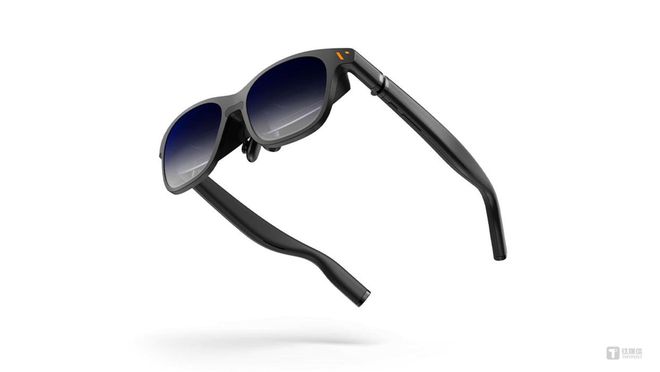
Core Insights - The 2025 Science and Technology Innovation Conference was successfully held in Shanghai, focusing on the theme "Science and Technology Innovation Leading the Way, Smartly Starting a New Journey" [1] - The conference gathered experts from renowned institutions and technology companies to discuss core trends in the new round of technological revolution and industrial transformation [1] Group 1: Challenges in Smart Terminal Scaling - The primary challenge in scaling smart terminals is whether users are genuinely willing to use them daily, which is influenced by user perception and real-world scenarios rather than just technical specifications [2] - A key to overcoming these challenges is to focus on specific scenarios to drive breakthroughs, as demonstrated by the collaboration between Liangliang Vision and sectors like logistics and aviation to address the "last centimeter" problem [2] Group 2: AR Glasses and Market Penetration - The transition of AR glasses from niche products to widespread use hinges on clearly defining the problems they solve, such as overcoming language barriers during international travel with the Leion Hey2 translation glasses [3] - The development path of the AR glasses industry is similar to that of smart driving and robotics, progressing from basic assistance to full automation, while also addressing affordability and usability challenges [3] Group 3: Practical Applications and Industry Experience - Liangliang Vision has accumulated extensive experience in B2B applications over eleven years, exemplified by logistics sorting where glasses can guide users on what to pick, significantly improving efficiency [4] - In the nuclear power sector, engineers using Liangliang Vision glasses can receive real-time guidance from experts, saving substantial time and increasing profitability [4] Group 4: Collaborative Ecosystem and Standards - The company emphasizes the importance of collaboration in "scene co-construction and standard interoperability" to drive industry advancement, highlighting a case where translation glasses assist hearing-impaired individuals by converting speech into real-time subtitles [5] - Liangliang Vision advocates for the establishment of more interoperable interfaces and protocols to enable connectivity among various smart terminals, promoting inclusive design for global accessibility [5] - The conference provided a platform for significant exchanges and ideas, showcasing Liangliang Vision's deep expertise in AR technology and exploring pathways for high-quality industry development driven by scenario-based approaches and ecosystem collaboration [5]
