
手持云台

Search documents
直播西天取经爆火,最复古的形式,最先进的基建
3 6 Ke· 2026-01-05 03:36
Core Viewpoint - The article discusses a new trend in live streaming, where hosts reenact the classic Chinese tale "Journey to the West" in real-time, allowing audience interaction to shape the storyline and adventures [1][3]. Group 1: Live Streaming Format - The live streaming format involves four hosts dressed as characters from the 1986 version of "Journey to the West," exploring various locations while engaging with viewers who can influence the journey [3][5]. - This format has gained significant popularity, with peak viewership reaching over 50,000 concurrent viewers, and the channel has entered the top 100 revenue rankings on Douyin [5][9]. Group 2: Audience Engagement - The audience plays a crucial role in directing the narrative, suggesting new scenes and characters, which enhances viewer engagement and keeps the content dynamic [11][19]. - Viewers express enjoyment and nostalgia, with many commenting on the humor and relatability of the hosts' interactions and the scenic beauty of the locations [13][15]. Group 3: Evolution of Live Streaming - The article highlights the evolution of live streaming from traditional formats to more adventurous and interactive experiences, driven by technological advancements and audience preferences [30][32]. - The rise of outdoor live streaming is attributed to improved mobile internet infrastructure, allowing for real-time broadcasting from remote locations [44][47]. Group 4: Technological Impact - The growth of the live streaming industry is closely linked to advancements in technology, such as the proliferation of 4G and 5G networks, which enable high-quality streaming in various environments [39][49]. - The article notes that the number of 5G base stations in China reached 4.758 million by October 2025, significantly enhancing coverage and streaming capabilities [47][49].


大疆与影石的供应链之战
创业邦· 2025-12-13 10:08
Core Viewpoint - The article discusses the competitive tension between YingShi Innovation Technology Co., Ltd. and DJI, highlighting the supply chain exclusivity and sales channel conflicts that YingShi faces due to DJI's market dominance [4][5][7]. Supply Chain Exclusivity - YingShi has been facing increasing pressure from suppliers to not collaborate with them, as many suppliers are coerced into exclusive agreements with DJI, leading to a significant impact on YingShi's ability to source essential components [4][6][8]. - The exclusivity has escalated over the past five years, with suppliers being explicitly instructed to cease cooperation with YingShi, particularly as the launch of YingShi's drone brand "Antigravity" approaches [10][12][14]. - Key components affected include optical lens modules, structural parts, and electronic components, with suppliers reporting that they are unable to fulfill orders for YingShi due to these exclusivity agreements [13][15][20]. Sales Channel Conflicts - The article details incidents where YingShi's sales efforts have been undermined by DJI's influence, such as the forced removal of YingShi's store signage in a photography equipment market due to a directive from DJI's distributors [24][28][30]. - The competitive landscape has shifted from product specifications to aggressive tactics in retail spaces, with DJI leveraging its market power to restrict YingShi's access to key sales channels [29][31]. - YingShi's sales team has reported multiple instances of distributors being pressured to choose between selling DJI or YingShi products, indicating a growing trend of exclusivity in retail partnerships [30][32]. Supplier Concerns - Suppliers are caught in a dilemma, as many rely heavily on DJI for their revenue, making it difficult to risk losing that business by working with YingShi [18][20][22]. - The article notes that while some suppliers are exploring alternative arrangements to support YingShi, the overarching pressure from DJI remains a significant barrier [15][34]. - The competitive dynamics in the supply chain are further complicated by the relatively low technical barriers in the optical lens module industry, which makes it challenging for suppliers to justify taking risks with new partnerships [20][22]. Market Dynamics and Future Outlook - The ongoing conflict between YingShi and DJI is expected to shape the future of the drone market, with potential implications for market share and supplier relationships as the industry evolves [18][34]. - YingShi is adapting its strategy by diversifying its supplier base and seeking partnerships with those willing to collaborate, indicating a proactive approach to mitigate the impact of exclusivity [34][35]. - The article raises questions about the legality and ethics of such exclusivity practices in the context of antitrust laws, suggesting that the situation may prompt regulatory scrutiny in the future [35].

大疆与影石的供应链之战
经济观察报· 2025-12-12 13:54
Core Viewpoint - The article discusses the competitive tension between two companies, DJI and Insta360, highlighting the supply chain exclusivity and market strategies that have emerged as a result of their rivalry [2][5][30]. Supply Chain Exclusivity - Insta360's founder revealed that several core suppliers have faced pressure to not collaborate with Insta360, indicating a trend of exclusivity in the supply chain where suppliers must choose between working with DJI or Insta360 [2][8]. - The exclusivity has escalated, with suppliers being explicitly instructed to cease any cooperation with Insta360, impacting their ability to source critical components [9][10]. - The primary area affected by this exclusivity is the optical lens module sector, where suppliers are increasingly pressured to align with DJI due to its dominant market position [11][17]. Sales Channel Conflicts - The competition has extended to sales channels, with reports of physical store signs for Insta360 being forcibly removed due to pressure from DJI's distributors [4][19]. - A specific incident involved a store owner who invested significantly in renovations only to be informed of a ban on selling Insta360 products due to a "hidden directive" from DJI [24][25]. - The article notes that DJI has been actively working to secure exclusive sales agreements with retailers, limiting the presence of competing brands like Insta360 in key retail spaces [26][27]. Supplier Concerns - Suppliers are caught in a dilemma, as many rely heavily on DJI for revenue, with some reporting that losing DJI as a client could lead to significant revenue declines [14][15]. - The article highlights that while some suppliers are willing to support Insta360, they are cautious due to the potential financial repercussions of losing DJI's business [12][13]. - The competitive landscape is further complicated by the fact that many suppliers do not face capacity constraints, making the choice between DJI and Insta360 a strategic rather than a necessity-driven decision [15]. Market Dynamics and Responses - Insta360 has been proactive in developing alternative supply chain strategies to mitigate the impact of exclusivity, including diversifying its supplier base and fostering relationships with willing partners [30]. - The article suggests that the ongoing competition may ultimately drive innovation and growth within the industry, as companies adapt to the challenges posed by exclusivity [30][31]. - The legal implications of such exclusivity practices are also discussed, with experts weighing in on the potential antitrust concerns surrounding DJI's market behavior [31].


OPPO、vivo入局手持影像赛道,大疆、影石怕了吗?
2 1 Shi Ji Jing Ji Bao Dao· 2025-09-29 15:52
Core Viewpoint - The handheld imaging market is experiencing new competition as smartphone giants OPPO and vivo are entering the market with handheld smart imaging devices, targeting products from DJI [1][2] Group 1: Market Dynamics - The smartphone market is slowing down, prompting manufacturers to explore new growth areas, with the handheld imaging market emerging as a promising sector [2] - The global smart imaging device market is highly concentrated, with the top three companies expected to hold 78.9% market share by 2024, including DJI, Insta360, and GoPro [3][6] Group 2: Competitive Landscape - Insta360 is projected to grow its market share from 28.4% in 2023 to 35.6% in 2024, while GoPro's share is expected to decline from 38.2% to 30.1%, and DJI's from 19.1% to 13.2% [6] - The handheld imaging market, particularly in China, shows significant growth potential, with a compound annual growth rate (CAGR) of 17.8% for panoramic cameras and 26.1% for action cameras from 2023 to 2027 [7] Group 3: Technological Advantages - Smartphone manufacturers possess inherent competitive advantages in the handheld imaging market due to their established supply chains and expertise in hardware and software development [8] - The transition from smartphone imaging capabilities to handheld imaging devices is seen as a strategic move for companies like OPPO and vivo, which are facing growth challenges in their core smartphone business [7][9] Group 4: Future Prospects - OPPO plans to launch its new imaging product line in 2026, while vivo is also expected to introduce related products soon [12] - The handheld imaging market is anticipated to offer substantial profit margins, with companies like Insta360 reporting gross margins above 50% in their core business [11]

OPPO、vivo入局手持影像赛道 大疆、影石怕了吗?
2 1 Shi Ji Jing Ji Bao Dao· 2025-09-29 15:37
Core Viewpoint - The handheld imaging market is witnessing new entrants like OPPO and vivo, who are developing handheld smart imaging devices to compete with established products from DJI [1][2] Group 1: Market Dynamics - OPPO has confirmed the launch of a new imaging product series based on over 17 years of experience in mobile imaging, with plans for release in 2026 [1][14] - The global smart imaging device market is highly concentrated, with the top three players expected to hold 78.9% market share by 2024, including companies like DJI, Insta360, and GoPro [3][6] - The Chinese market for panoramic cameras is projected to grow at a compound annual growth rate (CAGR) of 17.8% from 2023 to 2027, significantly outpacing other regions [6][7] Group 2: Competitive Landscape - Insta360 is the fastest-growing player, increasing its market share from 28.4% in 2023 to 35.6% in 2024, while GoPro's share is declining from 38.2% to 30.1% [6][7] - The mobile imaging market is seen as a new growth area for smartphone manufacturers, especially as their core mobile business faces saturation [7][10] Group 3: Technological Advantages - Smartphone manufacturers possess inherent competitive advantages in the mobile imaging sector due to their established supply chains and expertise in hardware and software development [9][10] - The transition of capabilities from smartphones to handheld imaging devices is supported by advancements in stabilization, AI algorithms, and color reproduction [7][9] Group 4: Future Prospects - The handheld imaging market is expected to provide significant growth opportunities and profitability, with companies like Insta360 reporting gross margins above 50% in their core business [13][14] - OPPO's new imaging products are anticipated to surprise consumers in 2026, while vivo is also expected to launch related products soon [14]
财经聚焦丨这些年轻人为何偏爱“租赁消费”?
Xin Hua Wang· 2025-09-10 09:28
Core Insights - The rental economy is rapidly expanding in China, with a projected transaction scale exceeding 4.2 trillion yuan in 2024, representing a 32% year-on-year growth, and serving over 750 million users [3][4] - Young consumers are increasingly favoring rental consumption over ownership, driven by a desire for flexibility and cost savings [5][6] Group 1: Market Trends - The rental market has diversified beyond traditional categories like housing and vehicles to include clothing, beauty products, digital devices, and outdoor equipment, showcasing a trend of "diversified categories, digital services, and quality demand" [4][6] - Data from Meituan indicates a significant increase in rental demand across various categories, with searches for "camera rental" up 63%, "wedding dress rental" up 109%, and "children's stroller rental" up 165% in August [3][6] Group 2: Consumer Behavior - Young consumers, particularly those under 30, are becoming the primary drivers of the rental market, with over 60% of transactions on platforms like Zhima Rental coming from this demographic [6][7] - The shift in consumer mindset emphasizes experience over ownership, with many young individuals opting for rental services to meet their needs without the burden of ownership [5][6] Group 3: Challenges and Recommendations - The rapid growth of the rental market has led to increased consumer disputes and challenges, such as unclear contracts and damage assessments [7][8] - Experts suggest the establishment of a multi-stakeholder governance system involving government, platforms, businesses, and consumers to regulate the rental market effectively [8]

游购成都 即买即退
Huan Qiu Wang· 2025-09-03 02:39
Core Insights - The article highlights the transformation of the Chengdu IFS-Chunxi Road-Taikoo Li shopping district, showcasing its blend of traditional and modern elements, and its appeal to international consumers [1] Group 1: Tax Refund Policies - Chengdu IFS features over 180 duty-free shops, offering a wide range of products including clothing, electronics, and cultural items, making it a comprehensive shopping destination for tax refunds [1] - The district has introduced an "immediate purchase and refund" service, allowing tourists to receive tax refunds at the point of sale, enhancing the shopping experience [1] Group 2: Online Services and Growth - The "Code Refund" online service allows tourists to process tax refunds via a mobile app, streamlining the refund process and encouraging repeat purchases [2] - From January to July this year, the sales and tax refund amounts in Jinjiang District increased by 219.5% year-on-year, serving nearly 5,000 foreign tourists [2] Group 3: Brand and Store Development - The district has attracted numerous flagship stores, including Adidas' first brand center in Sichuan, which offers personalized products that resonate with foreign tourists [3] - Jinjiang District has established the first national flagship economy development center and research institute, fostering new brands and shopping experiences [3] - To date, the Chengdu IFS-Chunxi Road-Taikoo Li area has introduced over 600 flagship stores and nearly 2,000 international brands, hosting over 100 premiere events [3]

智能影像设备行业深度:全景、运动相机,顺应科技的影像工具、社交玩具
Haitong Securities International· 2025-07-15 15:13
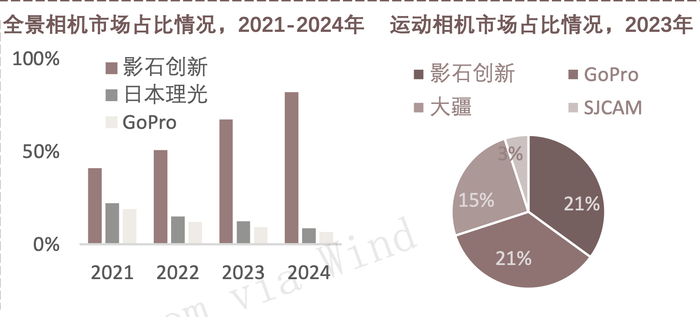
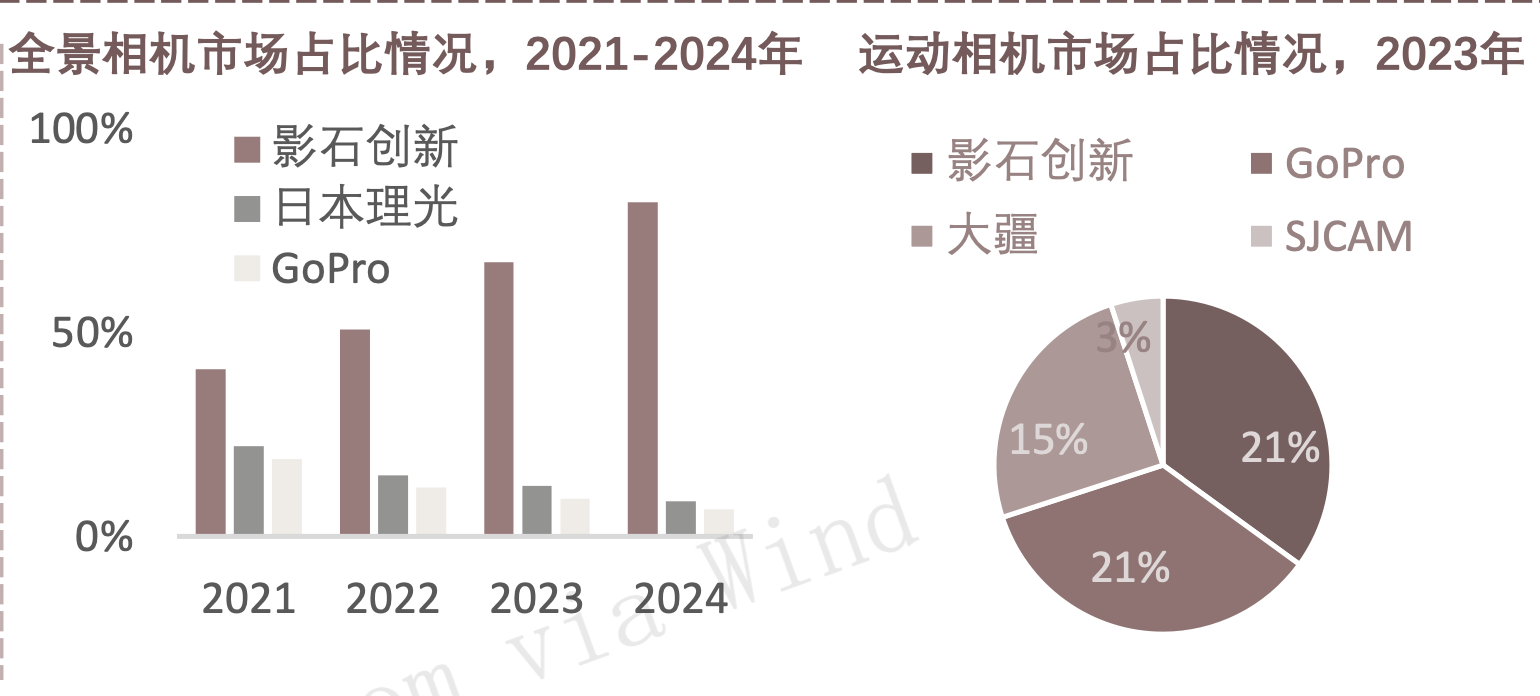
Investment Rating - The report indicates a positive outlook for the intelligent video device industry, particularly for panoramic and action cameras, highlighting significant growth potential in the market [3][32][54]. Core Insights - The intelligent video device market, especially panoramic and action cameras, is experiencing continuous expansion, with a projected retail scale exceeding 40 billion yuan in 2024 and expected to reach nearly 60 billion yuan by 2027 [13][54]. - The report emphasizes the leading market share of Insta360 in the panoramic camera segment, with a 67.2% share, while the action camera segment is poised for growth [70][54]. - Domestic brands like GoPro and Insta360 are noted for their strong operational performance and potential for global market expansion [32][81]. Market Trends - The outdoor sports sector is driving the demand for action cameras, with the GDP contribution from outdoor activities in the U.S. showing a consistent upward trend, reaching 2.3% [33][34]. - The report highlights the increasing popularity of short video content, with over 1.04 billion short video users in China by 2024, fostering a consumer base for panoramic and action cameras [40][42]. - The accessibility of user-friendly video editing tools is lowering the barriers for content creation, enhancing user engagement with intelligent video devices [48][49]. Regional Analysis - North America and Europe dominate the action camera market, with respective market sizes of 13.42 billion yuan and 10.2 billion yuan in 2023, while the Chinese market is rapidly growing with a compound annual growth rate (CAGR) of 41% from 2017 to 2023 [65][66]. - The report projects that the Chinese market for action cameras will maintain a CAGR of over 26% from 2023 to 2027, indicating substantial growth potential [65][66]. Company Performance - GoPro is focusing on subscription services to enhance revenue, with a notable increase in subscribers for its premium services [74][78]. - Insta360's product lines, particularly the Ace series, are expected to capture significant market share, with a gross margin of 52.2% in 2024 [81][82]. - The report notes that Insta360's revenue from consumer-grade cameras is projected to reach 47.89 billion yuan in 2024, accounting for 86% of its total revenue [83].