Citywalk

Search documents
从点状打卡到全域联通 特色小店激活文商旅新生态
Bei Jing Shang Bao· 2026-01-15 12:14
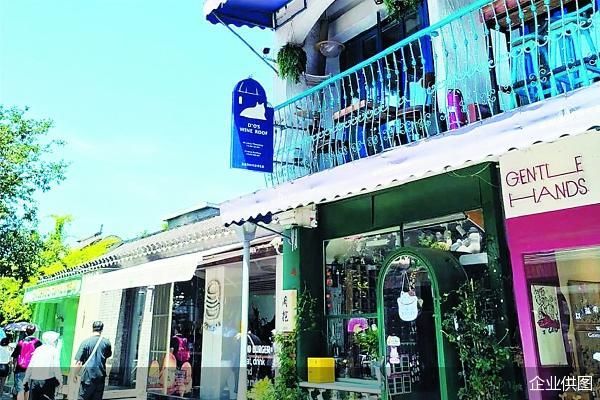
Core Insights - The article discusses the transformation of Beijing's consumer landscape through the "characteristic small shop cluster" model, which aims to integrate culture, commerce, and tourism while addressing challenges such as homogenization and rising costs [1][3][12] Group 1: Urban Consumption Trends - Beijing is exploring the integration of culture, commerce, and tourism through the development of characteristic shopping districts, which are undergoing a transformation from traditional commercial spaces to immersive consumption experiences [1][3] - The Citywalk trend and nighttime economy are driving a shift in consumer behavior from mere product transactions to experiential value creation, with a focus on cultural and social engagement [2][4] - By September 2025, Beijing aims to cultivate 7 national-level and 23 municipal-level leisure tourism districts, along with 24 characteristic dining streets and 31 "late-night dining" streets [2][12] Group 2: Challenges and Opportunities - The rise of characteristic small shop clusters has led to increased competition and fluctuating foot traffic, particularly in tourist-heavy areas, necessitating a focus on quality and innovative experiences to attract and retain customers [13][14][16] - The market is witnessing a significant shift in consumer preferences, with a growing emphasis on value for money and quality, compelling merchants to adapt their offerings and strategies [13][14] - The government is supporting the development of characteristic shopping districts through policies aimed at preserving historical culture while promoting modern consumption [16][17] Group 3: Case Studies and Examples - The Red Star Forward Bakery has successfully established itself as a key attraction in the East Fourth North Street area, achieving a 43% repurchase rate by focusing on product quality and transparency [6][7] - The Five Dao Ying Hutong exemplifies the integration of diverse culinary offerings, catering to both local residents and tourists, thereby maintaining stable foot traffic even during off-peak seasons [11] - The East Fourth North Street has evolved from a traditional commercial area to a vibrant hub of cultural and consumer experiences, showcasing a mix of old and new businesses [8][10]

不要用攻略锁死旅行,未知才是Citywalk真正的魅力
Di Yi Cai Jing· 2025-10-11 03:10
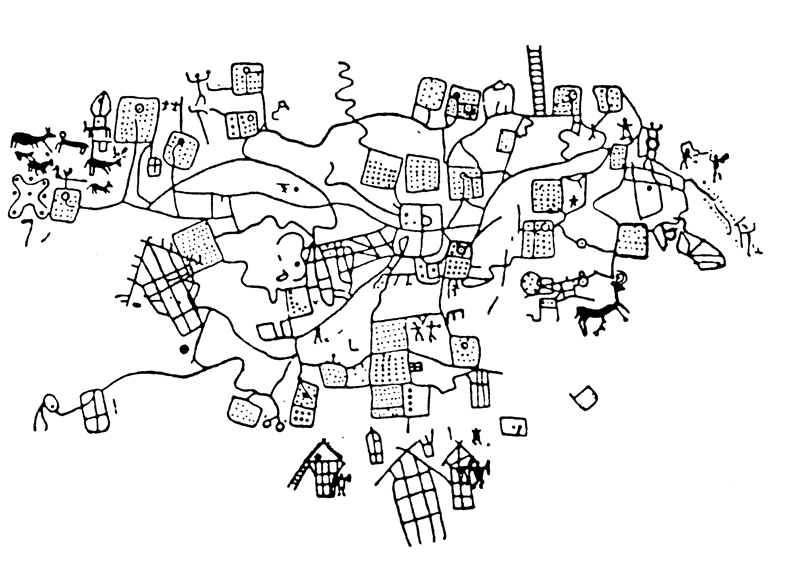
Core Insights - The article emphasizes the importance of learning from the nomadic lifestyle and gaming in urban planning, advocating for spaces that allow for freedom of living rather than prioritizing safety above all else [10] Group 1: Citywalk and Urban Exploration - High's experience in Canada highlights a shift in perspective regarding travel, where spontaneous exploration can be more enjoyable than meticulously planned itineraries [1] - The concept of Citywalk has evolved, with some believing that true Citywalk involves connecting the most exquisite locations, which contrasts with the original grassroots movement that values aesthetic exploration [2] - The book "Walking Landscapes" aligns with the idea that Citywalk should reflect personal experiences and cultural understanding rather than commercialized tourism [2] Group 2: Historical Context of Walking - The historical significance of walking is explored through Rebecca Solnit's work, which discusses the evolution of walking as a physical action and its cultural implications [3] - Careri references Bruce Chatwin's writings on indigenous Australian culture to illustrate the deep-rooted tradition of walking as a means of exploration and cultural expression [4] - An ancient map from the Paleolithic era is presented, showcasing early human routes and their relationship with the environment, emphasizing the transformative nature of walking [6] Group 3: Artistic Perspectives on Walking - The article discusses how walking can lead to creative discovery and the importance of losing oneself in the process, contrasting with the commodified view of Citywalk [7] - Historical examples of artists engaging in walking practices are provided, highlighting the aesthetic rebellion against conventional tourism [7][9] - Careri's insights suggest that walking serves as a valuable tool for understanding and designing urban spaces, advocating for a more meaningful engagement with the environment [9][10]
2025广州国际购物节启幕 激情全运点燃消费热潮
Zhong Guo Fa Zhan Wang· 2025-10-09 11:36
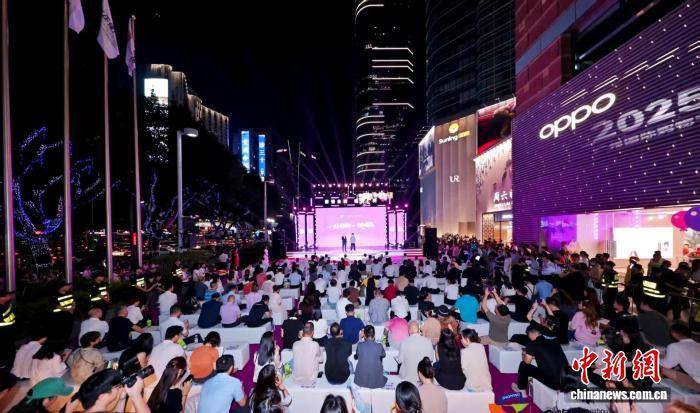
Core Points - The 2025 Guangzhou International Shopping Festival has officially launched with the theme "Passion for the National Games, Shopping in Guangzhou," aiming to integrate sports with commerce and stimulate economic activity through various events and promotions [1][2][4]. Group 1: Event Overview - The shopping festival will run until December 31, covering all 11 districts of Guangzhou and involving over 10,000 merchants with more than 3,000 events planned [1][4]. - The festival features a blend of online and offline activities, enhancing consumer experiences and showcasing Guangzhou as an international consumption center [1][3]. Group 2: Sports and Entertainment Integration - Sports elements are highlighted, with appearances from sports stars and performances that embody the spirit of sports and commerce [2][4]. - The festival includes "All Games Benefit Consumer Packages" and various pop-up events from sports brands, enhancing the festive atmosphere [2][4]. Group 3: Technological Innovations - The festival introduces AI technology for real-time promotions, enhancing consumer interaction and showcasing the development of "smart business districts" [3]. - A report titled "2025 Guangzhou International Consumption Potential Insight" was released, providing data on the strong potential of Guangzhou's consumer market [3]. Group 4: Consumer Incentives - Various consumer incentives are offered, including discounts, group purchase deals, and a significant number of dining vouchers across over 3,500 restaurants [5][6]. - The automotive sector sees a substantial investment of 300 million yuan in subsidies for new car purchases, enhancing consumer affordability [6]. Group 5: E-commerce Collaboration - The festival collaborates with major e-commerce platforms to drive online traffic to physical stores, introducing new shopping experiences like blind box draws and Citywalk events [7]. - Initiatives include a comprehensive online marketplace and exclusive product launches, targeting younger consumers and enhancing the shopping experience [7]. Group 6: International Consumer Focus - The festival aims to position Guangzhou as a preferred destination for international travelers, with innovative retail experiences and significant discounts on duty-free products [8][9]. - Enhanced services for international visitors include immediate tax refund services and improved payment options, ensuring a seamless shopping experience [9]. Group 7: District-Specific Activities - Each district in Guangzhou has tailored activities, promoting local culture and commerce, such as themed shopping festivals and culinary events [10][11][12]. - The festival emphasizes a collaborative approach across districts, showcasing unique local offerings and enhancing the overall consumer experience [10][11][12].
2025广州国际购物节启幕 推出超3000场活动
Sou Hu Cai Jing· 2025-09-30 08:40
Core Insights - The 2025 Guangzhou International Shopping Festival officially launched on September 29, 2023, with the theme "Passion for the National Games, Shopping in Guangzhou," running until December 31, 2023, covering all 11 districts of the city and involving over 10,000 merchants with more than 3,000 events planned [1][2] Group 1: Event Highlights - The shopping festival integrates sports elements, leveraging the opportunity of the 15th National Games and the Special Olympics, featuring "National Games Beneficial Consumption Packages" and showcasing sports brands and trendy exhibitions [2] - The event employs AI dialogue technology for real-time promotion generation, enhancing consumer interaction and delivering benefits directly to shoppers [2] - Key venues include the Zhengjia Plaza and Wanlinghui, featuring creative outdoor markets that combine shopping, food, cultural creativity, and sports, creating an immersive shopping atmosphere [2] Group 2: Consumer Incentives - The festival includes a 300 million yuan subsidy for automotive purchases, with subsidies ranging from 4,000 to 5,000 yuan for new cars priced over 100,000 yuan, along with additional consumer rights packages worth over 1,000 yuan [5] - Collaborations with major e-commerce platforms aim to convert online traffic into offline engagement through innovative activities like Citywalk and blind box lotteries, targeting a wide demographic, especially younger consumers [5] - The city enhances the shopping experience for international visitors by expanding the "immediate refund" service for tax refunds in key shopping areas, facilitating a smoother shopping process for tourists [5]
跟团游“失宠”?年轻人偏爱个性自由行与拼假,文旅圈产品忙着“变花样”
Hua Xia Shi Bao· 2025-08-20 16:11
Core Insights - The travel preferences of young people in China are shifting significantly towards independent travel, with 52.3% favoring free travel over traditional group tours, which only attract 26.8% of this demographic [3][6]. Group 1: Changing Travel Preferences - Young travelers are increasingly opting for personalized travel experiences, often planning their own itineraries and seeking unique destinations [5][8]. - The trend of "拼假" (combining vacation days) is prevalent among young people, allowing them to extend their holidays and explore popular destinations like Beijing, Shanghai, and Chengdu [3][6]. - A significant 55.3% of young people prefer immersive travel experiences, while 41.9% are interested in off-the-beaten-path locations [6]. Group 2: Industry Response - The tourism industry is adapting to these changes by designing more flexible travel products that cater to the desires of younger travelers, moving away from rigid itineraries [7][8]. - Companies are focusing on creating personalized travel experiences, including options for self-guided tours and unique accommodations, to meet the evolving preferences of their customers [9]. - Marketing strategies are shifting towards social media platforms popular with younger audiences, such as Xiaohongshu and Douyin, to better engage this demographic [9].