类脑智能

Search documents
蓝媒热评丨“小龙”诞生 “新”在何处?
Xin Lang Cai Jing· 2026-01-28 10:08
Core Viewpoint - The Zhejiang province has officially announced the first batch of "Tech New Dragons," comprising 96 companies that are positioned to lead in innovative sectors and contribute to the future industrial landscape [1][6]. Group 1: New Fields and Technologies - The "Tech New Dragons" are primarily focused on cutting-edge fields such as bionic robots, quantum information, brain-like intelligence, and the metaverse, which are crucial for Zhejiang's future industrial strategy and global technological advancements [3][8]. Group 2: Admission Criteria - The selection criteria for the "Tech New Dragons" include being registered for more than 3 years but less than 10 years, having a high-level R&D team composed of top talents, maintaining R&D investment of at least 10% of revenue or a minimum annual R&D expenditure of 10 million yuan, and achieving a revenue or valuation growth rate exceeding 30% [4][9]. Group 3: Ecosystem Development - The initiative not only introduces new companies but also aims to create a new development model through the "Tech New Dragon" enterprise support action, which includes ten specific measures to enhance innovation capabilities. This involves establishing regular connections between leading enterprises and "Tech New Dragons" to foster collaboration and integration within the industry [6][11]. Group 4: Future Aspirations - The establishment of the "Tech New Dragons" reflects a strategic intent to shape the future, with a focus on AI and other emerging technologies that are expected to transform the industrial system and significantly impact daily life. The initiative aims to empower these companies to emerge as leaders in their respective fields [11].


开局即冲刺!南山“科技+金融”双轮驱动新质生产力 |南山半月谈
Sou Hu Cai Jing· 2026-01-12 11:44
Core Viewpoint - The article highlights the vibrant synergy between technology and finance in Nanshan, Shenzhen, showcasing significant developments in the AI and biotechnology sectors, which align with national strategies for innovation and productivity enhancement [1][14]. Group 1: Capital Market Activity - In early January, Nanshan's technology finance sector experienced a surge in activity, marked by significant listings and financing events, including the IPO of AI data leader Xunce Technology, which raised HKD 1.08 billion [3]. - Another notable financing event involved Jindu Biotechnology, which secured a substantial investment from leading institutions, indicating strong capital inflow into Nanshan's future industries [3]. Group 2: Project Incubation and Support - The "X-Day" event on January 9 showcased six promising projects, emphasizing the role of platforms in accelerating incubation and connecting startups with investors [5]. - The "Six Ones" policy in Nanshan supports young entrepreneurs by providing essential resources, fostering a high-density talent and information environment conducive to rapid innovation [5]. Group 3: Industrial Collaboration and Ecosystem - The "Shenzhen Robot Valley" is rapidly forming a trillion-yuan industrial cluster, with companies like Yuejiang Technology achieving mass production of humanoid robots and securing global orders [7]. - Nanshan is also a national pilot zone for low-altitude economy development, attracting key enterprises and establishing a comprehensive industrial chain from R&D to operational scenarios [7]. Group 4: Capital Ecosystem and Investment Philosophy - Nanshan has developed a multi-faceted capital ecosystem, including a CNY 50.45 billion fund aimed at early-stage projects, ensuring seamless capital support throughout the lifecycle of hard tech companies [8]. - The investment philosophy in Nanshan emphasizes patience and long-term innovation over immediate financial returns, fostering a supportive environment for early-stage hard tech investments [10]. Group 5: Government and Market Interaction - The government in Nanshan adopts a "no interference" approach, providing timely support when needed while allowing businesses to focus on growth, exemplified by the establishment of a dedicated quantum computing facility [10]. - The market mechanism in Nanshan facilitates efficient collaboration between academic institutions and industry, enhancing the conversion of technological achievements into marketable products [12]. Group 6: Systematic Innovation Framework - Nanshan's innovative framework includes a unique fault-tolerance mechanism for government funds, shifting focus from short-term returns to long-term innovation effectiveness, thereby encouraging investment in early-stage hard tech [12]. - This systematic approach positions Nanshan as a model for regional implementation of national strategies, particularly in emerging sectors like AI, synthetic biology, and low-altitude economy [14].
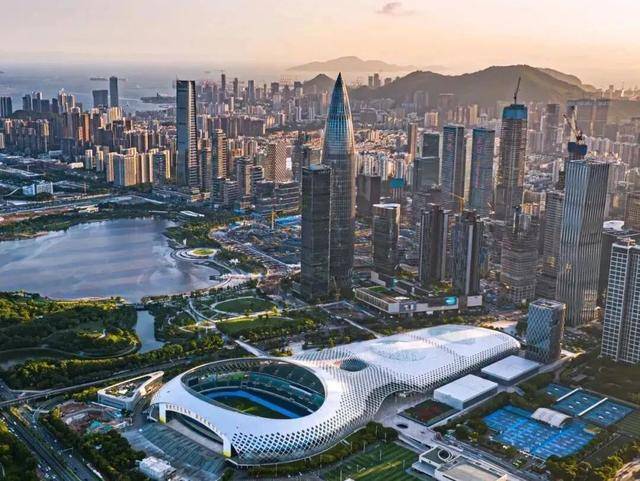
浙江拟发展卫星制造与卫星互联网、火箭制造及关键部组件等产业
Zheng Quan Shi Bao Wang· 2026-01-12 08:05
Core Insights - The Zhejiang Province's "14th Five-Year" New Industrialization Plan (draft for public consultation) emphasizes tracking technological frontiers and aligning with national strategic needs for future industry layout [1] Group 1: Emerging Industries - The plan highlights the development of synthetic biology, including biopharmaceuticals, bio-chemicals, bio-materials, bio-agriculture, bio-food, and bio-energy [2] - Commercial aerospace is identified as a key area, focusing on satellite manufacturing, satellite internet, rocket manufacturing, and space information applications [3] - Next-generation mobile communication technologies such as 6G, integrated space-ground communication, optical communication, and terahertz communication are prioritized [3] - Quantum information technologies, including quantum computing, quantum communication, and quantum measurement, are also targeted for development [3] - Brain-like intelligence systems and atomic-level manufacturing technologies are included in the strategic focus [3] Group 2: Carbon Capture and Resource Development - The plan aims to advance low-energy, low-cost carbon capture and utilization technologies, including the development of CO2-derived chemicals and fuels [4] - Deep earth and deep sea resource development, geothermal resource utilization, deep-sea exploration, marine biological utilization, and marine information services are emphasized [5] - Geographic information services, including BeiDou navigation and remote sensing, are also part of the strategic initiatives [5] Group 3: Commercial Aerospace Development - Since December 2025, the commercial aerospace sector has seen continuous favorable developments, including the establishment of a dedicated Commercial Aerospace Department by the National Space Administration [5] - The "Action Plan" issued by the National Space Administration outlines specific guidelines for the high-quality and safe development of the commercial aerospace industry from 2025 to 2027 [5] - The plan aims for a significant expansion of the commercial aerospace industry, enhancing innovation and resource utilization, and improving industry governance capabilities by 2027 [5] Group 4: Market Outlook - According to a report by Zhongtai Securities, the global commercial aerospace industry is expected to enter a period of explosive growth between 2026 and 2027, with accelerated technological iteration and engineering pace [6]
杭州重磅布局“类脑智能”未来赛道
Mei Ri Shang Bao· 2025-12-30 22:20
Core Viewpoint - Hangzhou is accelerating the development of brain-like intelligence as a key future industry, supported by substantial policy measures aimed at fostering innovation and investment in this field [1][2]. Group 1: Policy Support - The "Measures" outline financial support for brain-like intelligence projects, including a 25% subsidy on actual funding for projects not requiring local matching funds, with a maximum of 5 million yuan per project [2]. - For small and medium-sized technology enterprises with R&D increases over 2 million yuan, a 5% subsidy on the increase is available, capped at 200,000 yuan [2]. - Larger enterprises with R&D expenditures exceeding 500 million yuan can receive a direct subsidy of 300,000 yuan [2]. Group 2: Application Focus - The policy emphasizes application-oriented support, targeting key areas such as personalized medical treatment, intelligent diagnostic assistance, and rehabilitation in healthcare [2]. - In smart applications, priority scenarios include smart homes and security, intelligent transportation and autonomous driving, and robotics [2]. Group 3: Encouragement for Innovation - The policy encourages enterprises to trial new brain-like intelligence products, offering a subsidy of up to 300,000 yuan for the first product sold to non-affiliated parties, based on 10% of sales [3]. - Companies transitioning through various growth stages can receive financial rewards, including 20,000 yuan for first-time registration and additional support for maintaining status over three years [3]. - Recognition as a national or provincial "specialized and innovative" enterprise can yield rewards of up to 1 million yuan and 200,000 yuan, respectively [3]. Group 4: Spatial Layout - The policy outlines a spatial layout for the brain-like intelligence industry, supporting the establishment of a pilot area in Yuhang District and encouraging development in Binjiang and Xiaoshan Districts to create a dual-driven growth model [3].
浙江杭州:鼓励企事业单位先行试用类脑智能企业新产品
Zheng Quan Shi Bao Wang· 2025-12-23 02:28
Core Viewpoint - The article discusses the issuance of measures by Hangzhou to support the development of brain-like intelligence industries, emphasizing the importance of innovation and application in various sectors [1] Group 1: Support for Enterprises - The measures encourage enterprises to focus on key segments of the brain-like intelligence industry chain, including hardware, core components, algorithms, data processing, applications, and platforms [1] - There is a push for enterprises to expand their brain-like intelligence business segments and cultivate new productive forces [1] Group 2: Application in Healthcare - The measures support the application of brain-like intelligence in healthcare, including personalized diagnosis, intelligent auxiliary diagnosis, drug development, rehabilitation, and nursing [1] - Encouragement is given for enterprises and institutions to trial new products from brain-like intelligence companies in the healthcare sector [1] Group 3: Innovation in Various Fields - The initiative promotes collaboration between brain-like intelligence companies and various sectors such as smart sensors, edge computing, smart home security, risk identification, smart transportation, autonomous driving, and robotics [1] - There is an emphasis on actively publishing scenario requirements and conducting scenario innovation to explore typical cases of new product demonstrations in brain-like intelligence [1]
浙江杭州:支持类脑智能企业做优做强 支持类脑智能企业融资
Zheng Quan Shi Bao Wang· 2025-12-23 02:28
Core Viewpoint - The article discusses the issuance of measures by Hangzhou to support the innovation and development of brain-like intelligence industries, emphasizing the enhancement of core technological capabilities and financial support for enterprises in this sector [1] Group 1: Support for Brain-like Intelligence Enterprises - The measures aim to strengthen brain-like intelligence enterprises by following a growth path from "technology-based SMEs to high-tech enterprises to new eagle enterprises to leading technology enterprises to chain master enterprises" [1] - There is a focus on enhancing the independent intellectual property rights and core technological capabilities of these enterprises to improve quality and scale [1] Group 2: Financial Support and Investment - The government will support financing for brain-like intelligence enterprises, encouraging the establishment of industry funds by leading enterprises and financial institutions [1] - The measures include improving the "early, small, and innovative investment" mechanism to encourage social capital to co-invest in brain-like intelligence technology projects [1]
杭州推出一系列重要措施
Mei Ri Shang Bao· 2025-12-22 22:18
Group 1 - The core viewpoint of the news is the introduction of measures by the Hangzhou Municipal Government to support the development of brain-like intelligence industries, which will take effect on February 12, 2026 [1][2][3] Group 2 - The measures include financial support for companies based on their R&D investment, with specific subsidies for those meeting certain criteria, such as a maximum subsidy of 200,000 yuan for companies with an annual R&D investment increase of over 2 million yuan [1] - Companies with total annual R&D investments exceeding 1 billion yuan will receive direct subsidies of 200,000 yuan, while those exceeding 5 billion yuan will receive 300,000 yuan [1] - The measures also encourage technology transfer and commercialization of research outcomes, providing rewards for companies achieving significant technology transaction amounts [2] - Support is extended to various application fields, including healthcare and smart applications, to foster collaboration between enterprises and innovation in product development [2] - The initiative promotes collaboration between brain-like intelligence companies and research institutions across multiple scientific fields to establish joint laboratories and innovation centers [3]
杭州钱塘高新区创新之路:向高而行,向新而生
Xin Lang Cai Jing· 2025-12-10 11:46
Core Viewpoint - The renaming of Xiaoshan Linjiang High-tech Industrial Development Zone to Hangzhou Qiantang High-tech Industrial Development Zone signifies a profound evolution in regional development logic, transitioning from a geographical concept to an industrial capability focus [1][3]. Group 1: Historical Context - The original name "Xiaoshan Linjiang High-tech Zone" reflects a history of entrepreneurship starting from 2003, evolving into a national-level high-tech zone by 2015, despite its initial small area of 3.55 square kilometers [3]. - The establishment of Qiantang New District in 2020 expanded the management area to 531.7 square kilometers, marking a nearly 150-fold physical expansion and a shift in development strategy from isolated park operations to integrated resource utilization [3][4]. Group 2: Development Trajectory - Qiantang High-tech Zone has shown a significant upward trajectory in its national ranking, moving from 138th in 2019 to 69th in 2024, reflecting a cumulative improvement of 69 positions over five years [6]. - The industrial output value of Qiantang is projected to exceed 370 billion yuan in 2024, maintaining its position as the top contributor in Hangzhou for six consecutive years, with over 85% of this output concentrated in five key industries: automotive, pharmaceuticals, semiconductors, chemicals, and aerospace [6][7]. Group 3: Innovation and Future Development - Qiantang is focusing on enhancing its advanced manufacturing cluster through a "296X" plan, which aims to integrate new and traditional industries while fostering emerging sectors like synthetic biology and low-altitude economy [7][9]. - The region is home to Zhejiang's largest higher education park, with 14 universities and 250,000 students, providing a rich source of intellectual resources, although challenges remain in translating academic research into practical applications [10][11]. - A "dual-direction" integration mechanism has been established to connect academic research with industry needs, including initiatives like the "Doctor into Enterprise" program and the creation of industry colleges to address skill shortages [11][12]. Group 4: Strategic Significance - The renaming reflects a strategic shift from merely establishing a high-tech zone to using it as an engine for driving a new industrial city, emphasizing the need for a modern industrial system in Hangzhou [4][9]. - The mission of Qiantang High-tech Zone is to serve as a key engine for cultivating "new productive forces" while leveraging its unique advantages as a composite platform integrating various economic zones [12].
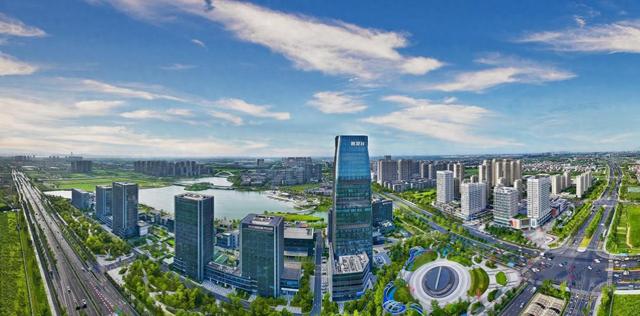
浙江“十五五”规划建议:聚焦人形机器人、脑机接口等领域,布局建设一批未来产业先导区
Zheng Quan Shi Bao Wang· 2025-12-03 00:13
Core Viewpoint - The Zhejiang Provincial Committee emphasizes the integration of advanced manufacturing clusters to promote the upgrading of traditional industries, the growth of emerging industries, and the scientific layout of future industries [1] Group 1: Traditional Industry Upgrading - The initiative aims to implement "tenglong huan niao" (transformation) and "phoenix nirvana" actions to deepen the construction of national traditional manufacturing upgrade demonstration zones [1] - There will be a strong push for technological transformation, equipment updates, and ecological upgrades in traditional industries to enhance quality and technical capabilities [1] - Key industries such as green petrochemicals, textiles and apparel, electrical machinery, and home appliances will be prioritized for quality upgrades to strengthen their competitive positions [1] Group 2: Emerging Industry Development - The plan focuses on building new pillar industries, accelerating the development of clusters in artificial intelligence, new materials, new energy, aerospace, low-altitude economy, and biomedicine [1] - A future industry investment growth mechanism will be established to explore various technological routes, typical application scenarios, feasible business models, and market regulation rules [1] - Key areas for future industry development include humanoid robots, brain-machine interfaces, brain-like intelligence, quantum information, and biomanufacturing [1] Group 3: Service Industry Enhancement - The implementation of high-quality development projects in the service sector will be prioritized, aiming to improve the integration of modern services with advanced manufacturing and modern agriculture [1] - The initiative will promote the specialization and high-end extension of productive services and enhance the quality and diversity of life services [1]

港深合作研发“纳米仿天然骨材料” 机器人“灵巧手”在香港孵化深圳量产
Nan Fang Du Shi Bao· 2025-10-28 23:06
Core Insights - The Greater Bay Area (GBA) is experiencing a surge in technological innovation and collaboration, particularly in robotics, brain-like intelligence, and medical materials, reflecting the region's commitment to building an open and integrated innovation ecosystem during the 14th Five-Year Plan period [3][4][10]. Group 1: Robotics and Innovation - Shenzhen-based company has developed a multi-modal tactile perception robot called "Dexterous Hand," which is now in mass production, showcasing the region's advancements in robotics [3]. - The company, Dai Meng (Shenzhen) Robotics Technology Co., focuses on high-resolution multi-modal tactile perception and dexterous manipulation, enabling robots to perform complex tasks [11]. - The GBA's supportive environment for innovation provides entrepreneurs with a sense of security, facilitating the growth of startups like Dai Meng [3][12]. Group 2: Medical Materials Development - A research team from the Li Ka Shing Faculty of Medicine at the University of Hong Kong has developed a new elastic calcium phosphate "nano-bone material" that accelerates bone healing, marking a significant advancement in orthopedic surgery [4][5]. - The research has received mainland patents and is in the early stages of clinical translation, indicating a strong potential for practical application [5]. - The collaboration between Hong Kong and Shenzhen leverages Hong Kong's research strengths and Shenzhen's industrial capabilities, enhancing the translation of research into clinical practice [5][6]. Group 3: Brain-like Intelligence and Collaborative Ecosystem - The Guangdong Provincial Institute of Intelligent Science and Technology has launched the world's first brain-like computing platform, "Wisdom One," highlighting the region's focus on brain-like intelligence innovation [6][7]. - The institute aims to build a collaborative innovation ecosystem by integrating resources from Macau and the GBA, fostering technology transfer and talent development [8][9]. - The establishment of the Macau University-Guangdong Provincial Institute Joint Laboratory signifies a commitment to nurturing talent and enhancing research collaboration between the two regions [9]. Group 4: Overall Innovation Landscape - The GBA is positioning itself as a global technology innovation center, with a focus on creating a synergistic environment for research, development, and commercialization of cutting-edge technologies [7][10]. - The upcoming 15th National Games will showcase various innovative technologies from the GBA, including AI tour guides and smart robots, further emphasizing the region's technological prowess [12].