
纺织业

Search documents
魏桥纺织、宏拓实业入选省2025“工赋百景”数字化转型揭榜项目
Xin Lang Cai Jing· 2026-02-02 14:55
Group 1 - The core viewpoint of the article highlights the recognition of Shandong Weiqiao Textile Technology Co., Ltd. and Shandong Hongtuo Industrial Co., Ltd. for their digital transformation projects in the manufacturing sector, as part of Shandong Province's "Gongfu Baijing" initiative for 2025 [1][3] - The "Gongfu Baijing" project aims to promote high-quality development in manufacturing by focusing on three main directions: technology empowerment, chain transformation, and carrier empowerment, while selecting leading transformation benchmark cases in various subfields such as industrial internet, safety production, green low-carbon initiatives, 5G factories, and digitalization of supply chains [1] - The inclusion of these companies in the project is a dual recognition of their technological innovation and practical efforts in "smart transformation and digital upgrade" [1] Group 2 - The Weiqiao Textile project focuses on intelligent upgrades across the entire textile supply chain, while the Hongtuo Industrial project emphasizes digital empowerment for safety management, aligning with industry transformation needs and national strategic directions [2] - Both companies aim to leverage this recognition to deepen the integration of digital technology with the real economy, driving a "smart and green" transformation in traditional industries and injecting momentum into high-quality development in manufacturing [2]
印度承诺增加支出和芯片投资
Xin Lang Cai Jing· 2026-02-02 13:00
面对紧张的贸易局势,印度总理Narendra Modi领导的政府为维持经济增长势头,承诺将加大制造业与 半导体领域投资、增加基础设施支出,并为数据中心行业提供激励措施。 "如今,我们面临的外部环境充满挑战,贸易与多边主义受到威胁,资源获取渠道及供应链遭遇中断," 印度财政部长Nirmala Sitharaman周日在议会公布全球增长最快主要经济体的发展路线图时表示。 印度尚未与最大贸易伙伴美国达成贸易协议,且特朗普已针对印度购买俄罗斯石油的行为,征收高达 50% 的关税。 Sitharaman表示,2026-27 财年预算将 "通过提高生产率与竞争力、增强应对全球动荡格局的韧性,加速 并维持经济增长"。 ANZ Research经济学家Dhiraj Nim表示,"在充满挑战的全球环境下,印度中央政府推出了一份相当稳健 的预算。" 在周日的特别交易时段,印度蓝筹股指数,印度国家证券交易所敏感指数(Nifty 50)下跌逾 1%。 她还概述了多项计划,将资本支出增加近 9%,包括为 "战略与前沿领域" 的制造业提供支持;同时,尽 管政府将扩大借贷规模,但仍计划削减财政赤字。 Modi已设定目标,将制造业在印度经济 ...
华茂股份股价跌5.06%,银华基金旗下1只基金重仓,持有9.83万股浮亏损失3.15万元
Xin Lang Cai Jing· 2026-02-02 06:21
Group 1 - The core point of the news is that Huamao Co., Ltd. experienced a decline in stock price, dropping by 5.06% to 6.01 CNY per share, with a total market capitalization of 5.671 billion CNY as of the report date [1] - Huamao Co., Ltd. is primarily engaged in the production and processing of various textiles, including cotton, wool, linen, silk, and synthetic fibers, with the main revenue sources being yarn (62.62%), fabric (25.40%), and other textiles (9.28%) [1] Group 2 - The 2000 Enhanced ETF (159555) holds 98,300 shares of Huamao Co., representing 0.75% of the fund's net value, making it the fifth-largest holding [2] - The fund has a total size of 71.4566 million CNY and has achieved a year-to-date return of 7.58%, ranking 1852 out of 5580 in its category [2] - The fund's one-year return is 64.65%, ranking 615 out of 4286, and since its inception, it has returned 76.87% [2] Group 3 - The fund manager Zhang Kai has a tenure of 13 years and 84 days, with a total fund size of 3.414 billion CNY, achieving a best return of 130.54% during his tenure [3] - Co-manager Zhang Yichi has a tenure of 4 years and 255 days, managing a total fund size of 36.436 billion CNY, with a best return of 76.87% [3]

徐州未能晋级万亿GDP之城
2 1 Shi Ji Jing Ji Bao Dao· 2026-02-02 05:48
Core Insights - Xuzhou's GDP reached 953.7 billion yuan in 2024, nearing the trillion yuan target, generating high expectations for 2025 [2] - The government report indicated a GDP growth target of approximately 5.8% for 2025, without specifying a clear GDP figure [2][4] - Xuzhou's mayor emphasized the importance of focusing on development rather than being fixated on the trillion yuan milestone [4] Economic Performance - In 2025, Xuzhou's GDP is projected to be 995.72 billion yuan, reflecting a 5.8% increase year-on-year, which is below the 6% target but exceeds the national average growth rate of 5.0% [4][5] - The primary industry added value was 79.25 billion yuan, growing by 3.0%; the secondary industry reached 365.63 billion yuan, with a growth of 3.5%; and the tertiary industry achieved 550.85 billion yuan, growing by 8.0% [5] - Industrial production saw a 6.8% increase in the added value of large-scale industries, with significant growth in chemical fiber manufacturing (10.5%), agricultural and sideline food processing (13.1%), and electrical machinery manufacturing (18.6%) [5] Investment Trends - Fixed asset investment in Xuzhou decreased by 11.9% year-on-year, which is significantly lower than the national average decline of 3.8% [5] - Investment in the primary industry fell by 27.4%, the secondary industry by 11.5%, and the tertiary industry by 11.9% [5] - Notable growth in specific sectors included textile (36.5%), automotive manufacturing (18.4%), and furniture manufacturing (9.5%) [5] Consumer and Income Data - Retail sales of consumer goods in 2025 are expected to grow by 5.5%, with significant increases in food (18.5%), clothing (15.5%), and communication equipment (11.5%) [6] - The per capita disposable income in Xuzhou is projected to be 42,230 yuan, reflecting a 4.9% increase year-on-year, with urban residents earning 48,978 yuan (4.3% growth) and rural residents earning 30,639 yuan (5.6% growth) [6]


秀洲区民生保障与发展动能双向发力,三胎妈妈见证医疗服务升级
Xin Lang Cai Jing· 2026-02-01 23:26
上一周秀洲区喜事连连、暖意融融,民生保障与发展动能双向发力。新生命与新发展同步启程,三胎妈 妈十七年三次选择秀洲妇保院,见证医疗服务的持续升级;王江泾纺织业座谈会共谋发展,16个竣工项 目将添超5亿元产值;16家单位进村送义诊、写"福"字,让民生温度直抵人心;临空经济区12个高质量 项目签约,世界500强助力全球物流网络构建;省级资源与本土优势双向奔赴,战略合作落地见效;新 塍老街9家特色商户签约,古镇将添国际范与烟火气。此外,"嘉荷青鱼"获批国家地理标志,"暖心十 条"惠工举措全覆盖,从产业升级到民生关怀,从文旅焕新到品牌赋能,秀洲以实干绘就高质量发展新 春图景。 ■记者 张 萌 整理 (来源:嘉兴日报) 转自:嘉兴日报 ...
王江泾纺织业迎春座谈会召开,政企共商逆势增长大计
Xin Lang Cai Jing· 2026-02-01 23:26
纺织业逆势增长!这场迎春座谈会谈了些什么?回顾:岁末年初,作为政企交流的"保留节目",1月27 日,王江泾纺织业企业迎春座谈会如约而至,政企齐聚一堂共商产业发展大计。亮点:过去一年,王江 泾镇不少纺织企业面对产业内外部困难挑战,主动求新求变,为企业发展打开新局面,积极构筑"第二 成长曲线"。通过实施技改项目,昶兴喷织等3个本土纺织项目实现"当年拿地、当年建成"。2025年,全 镇竣工纺织业项目16个、预计新增产值超5亿元。读友:逆势增长的背后是政企同心的底气!读友:面 对挑战主动求变,这才是产业升级的正确打开方式! 转自:嘉兴日报 (来源:嘉兴日报) ...
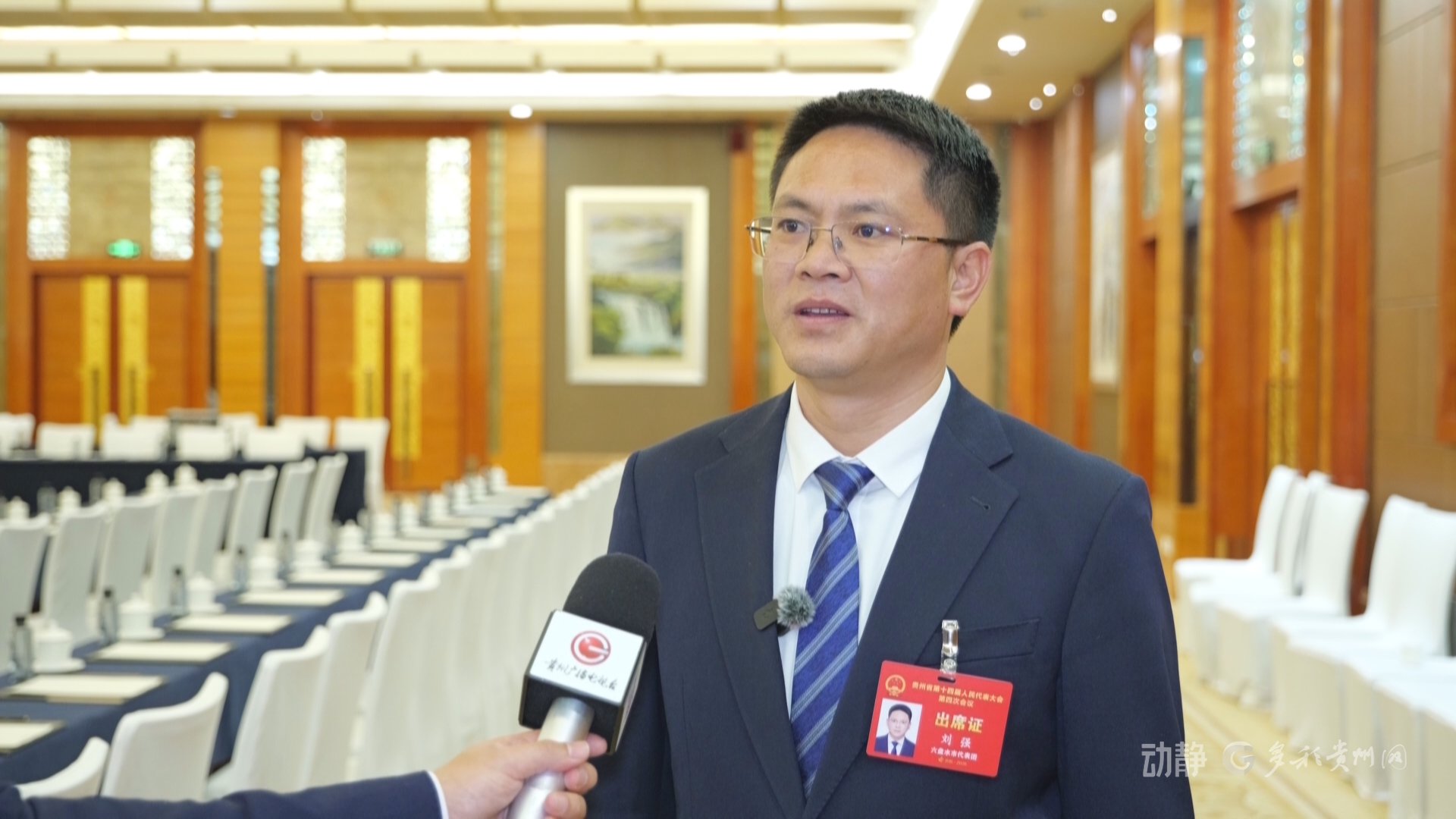
六枝特区区长刘强:六枝实现从“卖资源”向“卖产品”的华丽转变
Xin Lang Cai Jing· 2026-01-31 14:19
Core Viewpoint - Since the "14th Five-Year Plan," Liuzhi Special District has focused on high-quality development, leveraging its resource advantages in coal, lithium, and fluorite to attract significant industrial projects, achieving an average GDP growth rate of 6% during this period [1][4]. Group 1: Economic Development - The region's GDP is expected to have an industrial contribution rate exceeding 60% by 2025 [1]. - The industrial system has transitioned from "selling resources" to "selling products," enhancing economic advantages [1]. Group 2: Strategic Initiatives - The district will continue to implement the "Rich Mines and Fine Opening" strategy and focus on four major strategic tasks during the "15th Five-Year Plan" [4]. - Key projects include the construction of a 160,000 tons/year nitro water-soluble fertilizer project and a 50,000 tons/year deep processing project for coal tar [4]. Group 3: Industry Chain Development - The district aims to establish a complete hydrogen energy industry chain, including production, storage, transportation, and utilization, while accelerating infrastructure development [4]. - There are plans to introduce advanced technologies for producing new materials and pharmaceutical/agricultural intermediates [4]. Group 4: Lithium Battery and Textile Industry - The district is pushing for the construction of a 40,000 tons/year sodium iron phosphate project and accelerating the production line for lithium iron phosphate [4]. - Aiming to create a comprehensive textile industry cluster, the district will integrate spinning, weaving, dyeing, and garment production [4].
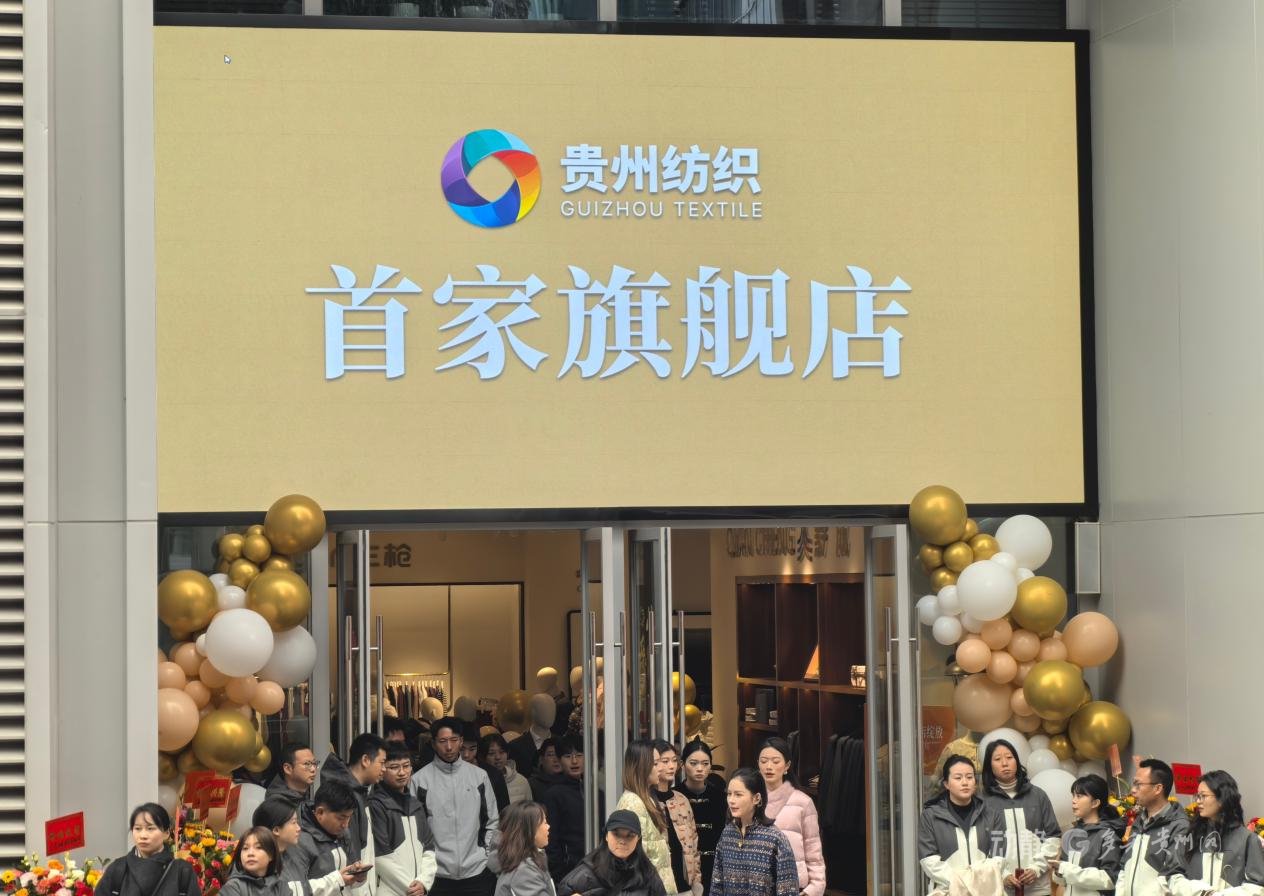
贵州纺织集团首家旗舰店开业!三大贵州自有服饰品牌亮相
Xin Lang Cai Jing· 2026-01-31 09:10
1月31日,位于贵阳市云岩区中华北路99号的贵州纺织集团首家旗舰店开业。店内三大贵州自有服饰品牌在售——黔超系列具备专业运动属性、黔锦系列结 合非遗工艺内涵、黔成系列主打日常实用设计,价格百元到千元不等,部分已实现贵州本土制造。 据悉,贵州民族服饰品牌"黔锦",将贵州民族文化、非遗技艺与现代时尚深度融合,携手艺之卉集团登陆米兰时装周,向世界展示了中华优秀传统文化的独 特魅力。 贵州体育运动服饰品牌"黔超",在省体育局大力支持下,实施"名赛、名人、名企"战略,与李宁集团联合打造第十五届全运会贵州代表团战袍,同时冠名多 项重大国际赛事。 开业前三天(1.31-2.2)有全场7.5折优惠活动,市民朋友可前往选购。 作为贵州省唯一的省级国有纺织产业平台,贵州纺织集团目前与中国李宁、上海美特斯邦威等知名品牌达成合作。 纺织集团相关负责人表示,旗舰店是"看得见"的产业窗口、"穿得着"的体验平台、"促合作"的招商桥梁,提供线下线上联动销售及定制服务,并通过产品展 示促进招商引资。 开业当日邀请到多位贵州体育运动员穿着"黔超"运动服饰助力走秀。 贵州专用服饰品牌"黔成",拓展工服、制服、校服市场,已获得中国商飞、保利集团、茅 ...
深圳市纺织(集团)股份有限公司 关于变更公司注册地址并修订 《公司章程》的公告
Zhong Guo Zheng Quan Bao - Zhong Zheng Wang· 2026-01-30 23:26
Core Viewpoint - Shenzhen Textile (Group) Co., Ltd. is changing its registered address and amending its Articles of Association, which requires shareholder approval for finalization [1][3]. Group 1: Address Change - The company plans to change its registered address from "Room A1203, China National Capital Venture Building A, No. 2 Hengsheng Street, Nanshan Street, Qianhai Shenzhen-Hong Kong Cooperation Zone" to "Room A3604, China National Capital Venture Building A, No. 2 Hengsheng Street, Nanshan Street, Qianhai Shenzhen-Hong Kong Cooperation Zone" [1][5]. Group 2: Articles of Association Amendment - The amendment to the Articles of Association will reflect the new registered address, while other provisions will remain unchanged [2]. Group 3: Shareholder Approval - The proposal for the address change and amendment of the Articles of Association must be submitted to the shareholders' meeting and requires approval from more than two-thirds of the voting rights held by attending shareholders [3][5].

华孚时尚:预计2025年净利润5500万元-7500万元
Bei Jing Shang Bao· 2026-01-30 13:44
北京商报讯(记者张君花)1月30日,华孚时尚(002042)发布业绩预告称,预计2025年归属于上市公司 股东的净利润5500万元-7500万元,比上年同期增长126.47%-136.10%。基本每股收益0.04元-0.05元。业 绩变动主要原因是,报告期内,公司把握市场趋稳恢复及结构性增长机会,主业订单回暖,共享产业效 益提升,科技新业开拓取得突破,同时优化存量资产结构,实现业绩扭亏为盈。未来公司将筑牢纱线主 业基本盘,深化产业链布局,以算力和人工智能强化创新赋能。 ...
