
畜牧业

Search documents
超越加拿大!巴西2025年猪肉出口预计149万吨,登顶全球第三大出口国
Xin Lang Cai Jing· 2025-12-26 10:05
(来源:猪好多网) 来源:猪好多网 巴西动物蛋白协会(ABPA)近日发布的预测数据显示,2025年全国猪肉出口总量预计达到149万吨,较去年同期增长10%,将超越加拿大 (预期出口量介于130万吨至135万吨之间),成为全球第三大猪肉出口国。 巴西网站"agrimidia"最新报道,ABPA主席里卡多·桑廷(RicardoSantin)表示,尽管巴西今年对中国的猪肉出口量减少了30%,但其市场 多元化战略展现了积极影响。2025年,菲律宾成为巴西猪肉的主要出口目的地,对日本、越南和墨西哥的出口量也有所增长。 责任编辑:戴明 SF006 (来源:猪好多网) 来源:猪好多网 巴西动物蛋白协会(ABPA)近日发布的预测数据显示,2025年全国猪肉出口总量预计达到149万吨,较去年同期增长10%,将超越加拿大 (预期出口量介于130万吨至135万吨之间),成为全球第三大猪肉出口国。 今年的国际形势也对巴西有利。美国为了满足国内市场需求而减少了猪肉出口;欧洲则受到非洲猪瘟疫情的冲击,影响了西班牙等国家 的猪肉生产。 在国内市场,粮食丰收和稳定的生产成本保障了行业竞争力,为生产商提供了更可观的利润空间。ABPA预计202 ...


大猪供应偏紧,生猪近强远弱
Guo Xin Qi Huo· 2025-12-26 08:33
1. Report Industry Investment Rating - Not provided in the content 2. Core Viewpoints of the Report - Long - term: The increasing decline rate of the breeding sow inventory in October and the expected high decline rate in November are beneficial to reducing the slaughter pressure after August next year [1][20]. - Medium - term: From now to May next year is the stage when the domestic pig slaughter pressure is realized, and the theoretical slaughter volume will generally remain at a high level. Although the sales volume of piglet feed decreased month - on - month in October and November, corresponding to a slight decrease in slaughter after April next year, the overall amplitude is small. The continuous growth of fattening pig feed sales reflects the continuous increase of the pig inventory in society [1][20]. - Short - term: In December, small and medium - sized farmers sold large pigs quickly, resulting in a short - term shortage of large pigs and a higher price difference between fat and standard pigs. The price difference stimulated some secondary fattening, which boosted the spot market and reduced the possibility of a shortage of large pigs during the pre - Spring Festival peak season. The period from now to mid - January is a phase of weak demand, but the high price difference between fat and standard pigs increases the demand for pressing and secondary fattening, offsetting the impact of weakening demand. Later, attention should be paid to the supply - demand matching during the pre - Spring Festival peak season and whether there will be early slaughter before the festival, which may reduce the post - festival supply pressure. For the LH03 contract, although it corresponds to the off - season after the Spring Festival, it is supported by the expectation of strong pre - Spring Festival spot prices and reduced post - festival supply pressure due to early slaughter. The far - month contracts are expected to fluctuate widely, and opportunities for low - level band trading can be considered [1][20]. 3. Summary According to the Directory 3.1 Market Review - Since December, the live pig spot market has been weakly oscillating and rebounded slightly later. In the first half of December, the spot price in Henan, the benchmark area, was as low as around 11.2 yuan/kg, mainly due to the strong selling enthusiasm of small and medium - sized farmers and limited consumption boost. In the second half of December, as the pressure of selling large pigs by small and medium - sized farmers decreased and the slaughter demand during the pre - Winter Solstice peak season increased, the spot price rebounded. The futures market generally oscillated. The LH01 contract was the weakest, mainly because the delivery cost in the southern region was low, and the futures price returned to the area with the lowest delivery cost. The LH03 contract, corresponding to the off - season after the Spring Festival, strengthened, and the futures curve structure changed to a fully positive structure because the market was worried about a shortage of large pigs after the Spring Festival [3]. 3.2 Pig Supply and Demand Analysis 3.2.1 Piglet data shows high future standard pig slaughter volume - The national breeding sow inventory reached a peak of 40.8 million heads in November 2024 and then oscillated downward. By the end of October, the inventory was 39.9 million heads, a reduction of 2.2% from the peak. Due to weak pig prices and continuous losses in breeding profits, the elimination of breeding sows is expected to continue to increase, which will reduce the supply pressure in the third quarter of next year. From the piglet birth data of various institutions, the piglet birth volume has been at a high level since June, with a slight decline in November. Calculated by the time cycle, the theoretical standard pig slaughter volume will be at a high level until May next year [5]. 3.2.2 Feed sales confirm a large inventory of social pigs - From July to September 2025, the sales volume of piglet feed and nursery feed generally increased steadily. In October and November, the month - on - month growth rate turned negative, but compared with the same period in 2024, the month - on - month growth rates of these two months were roughly the same. The sales volume of fattening pig feed had a relatively high month - on - month growth rate in October and November 2025. From the feed perspective, the inventory of social pigs is generally increasing, but the marginal growth rate may be slightly lower than last year [8]. 3.2.3 Small and medium - sized farmers' large fat pigs are digested faster, and the price difference between fat and standard pigs is increasing - According to the samples of Yongyi Consulting, the average weight of pigs sold by散户 reached the peak and then declined in mid - December, with the same rhythm as the same period last year, but the absolute value of the average weight was slightly higher year - on - year. The average weight of pigs in group farms declined in December, but the overall decline was not large, and it also increased year - on - year. The price difference between fat and standard pigs increased in December, consistent with the rhythm of last year, reflecting a shortage of large pigs after the accelerated selling of large pigs by散户[10]. 3.2.4 Consumption is generally flat, and attention should be paid to the performance during the pre - Spring Festival peak season - According to the statistics of the Ministry of Commerce, the national pig slaughter volume has increased significantly compared with last year, reflecting an increase in domestic pig supply. The fresh - selling rate of slaughtered pigs has decreased, and the utilization rate of frozen product storage capacity has continued to rise, reflecting weak terminal consumption. Seasonally, after the Winter Solstice, the demand for curing pulses has passed, and the slaughter volume will decline. About 25 days before the Spring Festival, the slaughter demand will enter a peak - season strengthening pattern. Considering that the Spring Festival in 2026 is on February 17th, the next pre - Spring Festival demand pulse will start around mid - January. Whether the supply and demand can be effectively matched during the pre - Spring Festival peak season needs to be observed through key indicators such as the price difference between fat and standard pigs and the average weight [13]. 3.2.5 The industry continues to lose money, and there is limited room for cost reduction - Since the second half of September 2025, pig prices have declined rapidly, and pig breeding profits have deteriorated significantly. As the national average price has remained below the industry average cost of 12 yuan in recent months, the breeding profits of the self - breeding and self - raising model have also been in a continuous loss state. In the future, the price of piglets is still low, and the expected cost of fattening pigs from purchased piglets will also be low. According to Yongyi Consulting's estimate, the expected cost of fattening pigs from purchased piglets in late December has dropped below 12 yuan. From the perspective of feed cost, the prices of soybean meal and corn are both at low levels, and there is little room for further reduction in feed cost. The low pig price will continue to squeeze profits and may gradually stimulate the industry to reduce production capacity [17]. 3.3 Conclusion and Market Outlook - The long - term, medium - term, and short - term views are consistent with the core viewpoints of the report. For the LH03 contract, pay close attention to the further verification of indicators such as the price difference between fat and standard pigs and the average weight. Treat the far - month contracts as wide - range oscillations and consider low - level band trading opportunities [1][20]
湖南新五丰股份有限公司 关于发行股份及支付现金购买资产并募集配套资金暨关联交易之限售股股票上市流通公告
Zhong Guo Zheng Quan Bao - Zhong Zheng Wang· 2025-12-26 03:50
登录新浪财经APP 搜索【信披】查看更多考评等级 本公司董事会及全体董事保证本公告内容不存在任何虚假记载、误导性陈述或者重大遗漏,并对其内容 的真实性、准确性和完整性依法承担法律责任。 重要内容提示: ● 本次股票上市类型为非公开发行股份;股票认购方式为网下,上市股数为232,705,626股。 本次股票上市流通总数为232,705,626股。 ● 本次股票上市流通日期为2026年1月6日。 一、本次限售股上市类型 湖南新五丰股份有限公司(以下简称"新五丰"或"公司")本次限售股上市流通类型为发行股份及支付现 金购买资产向特定对象发行限售股。具体情况如下: (一)股票发行核准情况 2022年12月29日,公司收到中国证券监督管理委员会核发的《关于核准湖南新五丰股份有限公司向湖南 省现代农业产业控股集团有限公司等发行股份购买资产并募集配套资金的批复》(证监许可[2022]3238 号),核准公司发行股份购买相关资产,并核准公司发行股份募集配套资金不超过 17.70 亿元。 公司本次购买资产向交易对手方发行股份的具体情况如下: ■ 备注:公司发行股份及支付现金购买资产之发行对象西藏茶逸农业科技有限公司、西藏逸锦实 ...

年底挺价意愿渐强,猪价震荡运行
Hua Tai Qi Huo· 2025-12-26 03:23
农产品日报 | 2025-12-26 年底挺价意愿渐强,猪价震荡运行 生猪观点 市场要闻与重要数据 期货方面,昨日收盘生猪 2603合约11460元/吨,较前交易日变动-20.00元/吨,幅度-0.17%。现货方面,河南地区 外三元生猪价格11.74元/公斤,较前交易日变动-0.06元/公斤,现货基差 LH03+280,较前交易日变动-40;江苏地 区外三元生猪价格 11.91元/公斤,较前交易日变动-0.01元/公斤,现货基差LH03+450,较前交易日变动+10;四川 地区外三元生猪价格11.89元/公斤,较前交易日变动+0.10元/公斤,现货基差LH03+430,较前交易日变动+120。 据农业农村部监测,12月25日"农产品批发价格200指数"为130.26,比昨天下降0.07个点,"菜篮子"产品批发价格指 数为133.16,比昨天下降0.08个点。全国农产品批发市场猪肉平均价格为17.44元/公斤,比昨天上升0.5%;牛肉65.88 元/公斤,与昨天持平;羊肉62.76元/公斤,比昨天下降0.6%;鸡蛋7.32元/公斤,比昨天下降1.5%;白条鸡17.67元/ 公斤,比昨天下降1.0%。 市场分析 ...
禽流感阴霾下 韩国蛋价上涨
Yang Shi Xin Wen· 2025-12-26 02:30
Core Viewpoint - South Korea is experiencing a rise in egg prices due to multiple outbreaks of highly pathogenic avian influenza, which may severely impact egg supply [1] Group 1: Price and Supply Impact - The retail average price of a 30-pack of large eggs in South Korea exceeded 7,000 KRW (approximately 34 RMB) last week, compared to a range of 6,000 KRW (29 RMB) to 7,000 KRW in November [1] - The average daily egg production in South Korea is about 50 million eggs, with the culling of hens expected to lead to a 3% to 4% decrease in egg production [1] - Despite the outbreaks, the Ministry of Agriculture, Food and Rural Affairs stated that the current egg supply has not been significantly affected, with egg production roughly in line with the same period last year [1] Group 2: Outbreak Statistics - As of December 24, South Korea reported three new cases of highly pathogenic avian influenza, bringing the total number of outbreaks this season to 21 [1] - Since the beginning of winter, 11 outbreaks have been reported in egg-laying farms, nearly double the number from the same period last year [1] - During the previous avian influenza season, South Korea reported a total of 46 outbreaks, resulting in the culling of over one million chickens, which previously caused a spike in egg prices [1]
数字赋能筑牢防疫屏障 科技助力边疆牧业振兴——海证期货援建霍尔果斯动物无纸化防疫系统
Qi Huo Ri Bao· 2025-12-26 02:18
在"一带一路"重要口岸城市新疆霍尔果斯,一场静悄悄的数字化变革正在农牧区悄然展开。近日,海证 期货有限公司投入4万元专项资金,支持霍尔果斯市农业农村局建设动物无纸化防疫系统,通过信息化 手段提升牲畜疫病防控能力,不仅强化了边境地区畜牧业生物安全屏障,更惠及119户脱贫人口,为边 疆乡村产业高质量发展注入科技动能。 此次帮扶体现了从"传统输血"向"科技赋能"的升级。海证期货并未止步于简单捐资,而是结合地方发展 需求,将金融企业的资源导向与现代农业治理现代化相结合,用"小投入"撬动"大效益"。未来,公司还 将依托《结对帮扶框架协议》,在农产品电商、期货知识普及、特色农业推广等方面持续提供支持。 "乡村振兴离不开科技支撑,"海证期货相关负责人表示,"我们希望通过这类'看不见但管长远'的项目, 帮助边疆地区夯实产业安全底座,让数字化真正成为农牧民增收的'新农具'。" 如今,在霍尔果斯广袤的牧场上,数字化防疫网络正织密筑牢。一头牛、一只羊的健康数据,不再沉睡 于泛黄的纸页,而是在云端守护着万千家庭的致富希望——这正是新时代社会力量参与乡村振兴的智慧 注脚。 长期以来,当地动物防疫工作依赖纸质档案和人工登记,存在信息更新 ...
生猪:矛盾继续积累
Guo Tai Jun An Qi Huo· 2025-12-26 01:46
2025 年 12 月 26 日 商 品 研 究 | | 生猪:矛盾继续积累 | | | --- | --- | --- | | 周小球 | 投资咨询从业资格号:Z0001891 | zhouxiaoqiu@gtht.com | | 吴昊 | 投资咨询从业资格号:Z0018592 | wuhao8@gtht.com | 【基本面跟踪】 生猪基本面数据 | | | 单 位 | 价 格 | | 同 比 | | | --- | --- | --- | --- | --- | --- | --- | | | 河南现货 | 元/吨 | 11830 | | 50 | | | 价 格 | 四川现货 | 元/吨 | 12100 | | 200 | | | | 广东现货 | 元/吨 | 11960 | | 0 | | | 期 货 | | 单 位 | 价 格 | | 比 同 | | | | 生猪2601 | 元/吨 | 11205 | | -95 | | | | 生猪2603 | 元/吨 | 11460 | | -20 | | | | 生猪2605 | 元/吨 | 11975 | | -10 | | | | | 单 位 | 成交 ...
良种牛养殖推动农区畜牧业高质量发展
Xin Lang Cai Jing· 2025-12-26 00:34
(来源:饲料行业信息网) 来源:饲料行业信息网 作为"农业+畜牧业"结合的企业,该公司通过流转土地,将自产玉米、秸秆等转化为养殖饲料,实现绿 色循环利用。同时,吸纳周边牧民就业,有效带动当地群众增收。巴哈提汗·阿迪勒别克和丈夫便是受 益牧民之一,今年夫妻俩一同来到该企业务工,在打工的同时,还系统学习了科学养殖技术。 "我是这个牛场的员工,已经在这里工作了4个月,我和丈夫两个人每月工资加起来有9000块钱,在这里 工作挺好的。"巴哈提汗·阿迪勒别克说。 "目前肉牛存栏量大约600头,待产的母牛预计明年4月产犊,我们将继续以亲民价格向农户提供优质牛 犊,带动大家一起做好品种改良工作。现在市场行情逐步回暖,我们对未来发展充满信心,明年计划进 一步扩大养殖规模、优化品种结构。"新疆裕上禾农业有限公司总经理赵红新说。 下一步,布尔津县将持续优化畜牧业产业结构,强化政策扶持,培育更多带动能力强、示范效应好的新 型经营主体,推动现代农业产业体系在乡村大地茁壮成长,为全面推进乡村振兴注入更为强劲的动能。 新浪合作大平台期货开户 安全快捷有保障 党的二十届四中全会提出,要加快农业农村现代化,扎实推进乡村全面振兴。布尔津县把农区 ...
数智加持,种养业焕新
Xin Lang Cai Jing· 2025-12-25 22:30
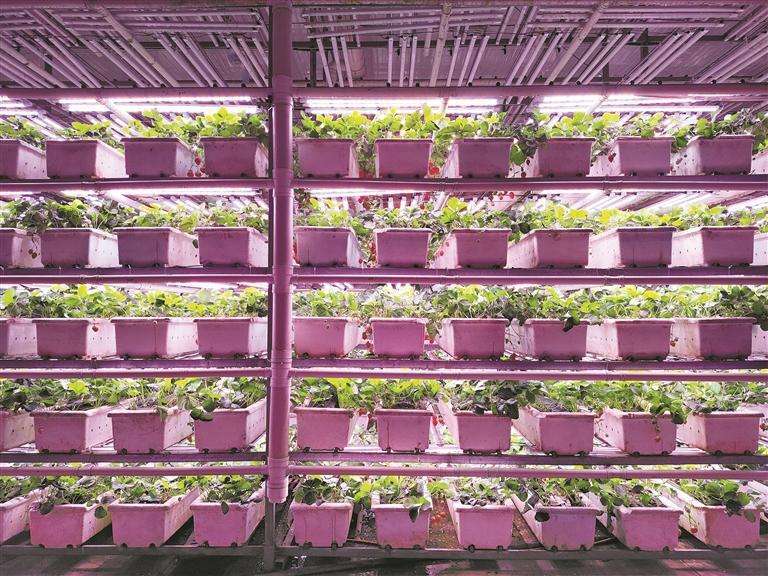
Group 1 - The core viewpoint of the articles highlights the modernization and digital transformation of agriculture and aquaculture in Zunyi, Guizhou, showcasing innovative technologies that enhance efficiency and productivity [2][3][4] Group 2 - Zunyi's ecological aquaculture, represented by Dingxin Ecological Fishery Company, utilizes smart systems for optimal fish farming, achieving a 20% to 35% increase in yield compared to traditional methods, with projected annual revenue exceeding 30 million yuan [2] - Guizhou YouShu Agricultural Development Company employs an AI-driven plant production visualization system that collects real-time data to optimize growth conditions, aiming to simplify and enhance agricultural practices [3] - The smart livestock farming at Kangqian Farm in Fenggang County integrates electronic ear tags for cattle, enabling comprehensive data tracking throughout the livestock's lifecycle, significantly improving management precision and efficiency [4] - During the 14th Five-Year Plan period, Zunyi's agricultural output value is expected to exceed 100 billion yuan, with grain yield per unit area increasing by 6.1% and the agricultural product processing conversion rate rising from 57% in 2020 to 66.4% by 2024 [4] - Zunyi has established 44 key digital agriculture application scenarios and 18 benchmark projects, earning recognition as a national exemplary case in smart agriculture and three national agricultural rural informationization demonstration bases [4]
赤峰全链赋能打造昭乌达羊品牌
Xin Lang Cai Jing· 2025-12-25 19:23
Core Viewpoint - The article highlights the development of the "Zhaowuda Sheep" brand by the Chifeng Agricultural Investment Group, emphasizing its unique qualities and the establishment of a comprehensive supply chain to promote this product nationwide [2][3]. Group 1: Product Development and Supply Chain - The "Zhaowuda Sheep" is recognized as China's first independently bred grassland meat sheep variety, known for its unique taste [2]. - The Chifeng Agricultural Investment Group aims to create a full industry chain from breeding to sales, focusing on brand enhancement and channel expansion [2][3]. - The company has established a subsidiary to collaborate with the Inner Mongolia Grassland Jinfeng Animal Husbandry Co., Ltd. to strengthen the breeding foundation [3]. Group 2: Economic Impact on Farmers - In 2025, the company plans to purchase over 500 purebred Zhaowuda sheep at a price 2 yuan per jin above the market rate, benefiting local herders [3]. - The company has signed agreements to purchase over 2,500 hybrid Zhaowuda sheep, increasing farmers' income by an average of 30,000 yuan per household [3]. - A total of 1,200 farmers have been engaged in sheep farming through a "company + cooperative + farmers" profit-sharing mechanism [3]. Group 3: Processing and Value Addition - The company has partnered with two standardized slaughterhouses to ensure quality and traceability in meat processing [4]. - The processing adheres to a "6-hour rapid freshness lock" standard, offering over 20 product categories to meet diverse market demands [4]. Group 4: Marketing and Sales Strategy - The company has achieved over 1 million yuan in online sales for Zhaowuda sheep in 2025, with more than 100 live-streaming events attracting over 5 million viewers [5]. - The company is leveraging both online and offline marketing strategies, including social media promotions and the establishment of a "Zhaowuda Sheep Hot Pot" restaurant set to open in January 2026 [4][5]. Group 5: Future Plans and Upgrades - The company plans to enhance the Zhaowuda sheep industry through three major upgrades: consolidating breeding advantages, innovating smart farming and processing techniques, and optimizing marketing strategies [7]. - Future initiatives include developing high-value products and integrating agricultural, cultural, and tourism sectors to create a sustainable ecosystem [7].