
旅游业

Search documents
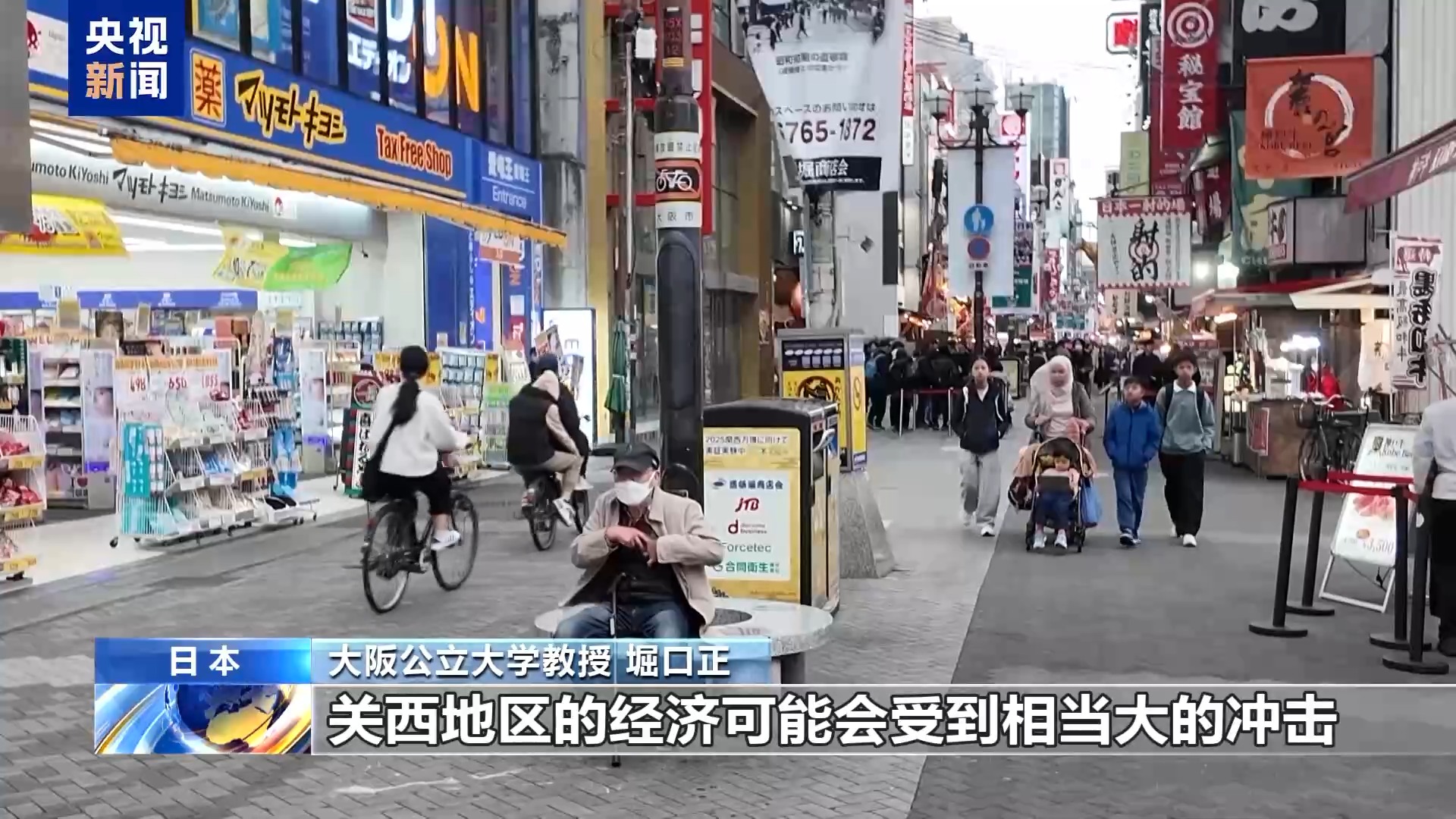
视频丨日本学者:高市错误言论冲击关西地区经济
Yang Shi Xin Wen Ke Hu Duan· 2025-12-21 23:38
Group 1 - The recent erroneous remarks by Japanese Prime Minister Sanae Takaichi have sparked criticism domestically, particularly affecting the tourism industry and economy in the Kansai region, which is closely linked to Chinese tourists and Japan-China trade [1][3] - Since November, there has been a noticeable decline in the number of tourists from China to Osaka, which is heavily focused on the tourism industry. If this situation persists, sectors related to tourism in Kansai, such as accommodation, transportation, and local products, will face significant impacts [3][5] - The Kansai region has maintained strong trade relations with China, particularly in IT and electronic components. Continued issues stemming from Takaichi's remarks could lead to substantial economic repercussions for the region [5][7] Group 2 - Chinese students represent a significant demographic in Japanese higher education, with over 100,000 students annually, accounting for approximately 30-40% of all international students in Japan. Deteriorating Japan-China political relations may reduce the willingness of Chinese students to study in Japan, adversely affecting higher education and bilateral exchanges [5][7] - The potential decline in Chinese students' willingness to study in Japan could hinder the long-term development of Japan-China friendly relations, emphasizing the need for Takaichi to demonstrate respect for these relations to foster peace in East Asia and globally [7]

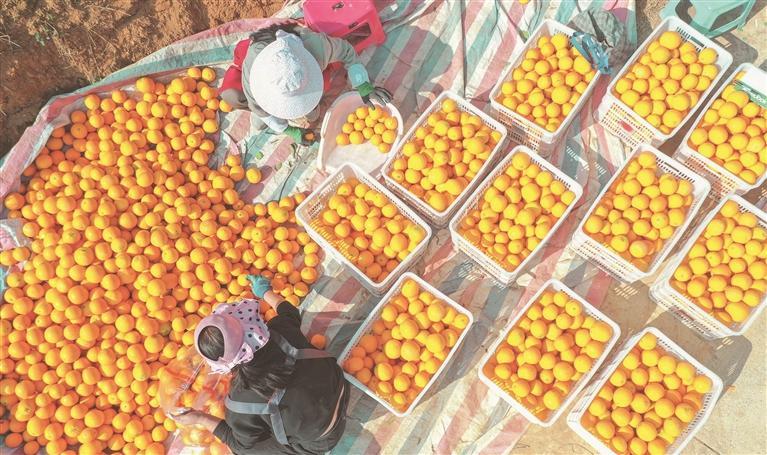
共富之举 描绘乡村振兴新画卷
Xin Lang Cai Jing· 2025-12-21 22:47
Core Viewpoint - The article highlights the achievements and ongoing efforts in poverty alleviation and rural revitalization in Qianxinan Prefecture, emphasizing the integration of various support mechanisms to ensure sustainable development and prevent large-scale poverty recurrence [11][20]. Group 1: Poverty Alleviation and Monitoring - Qianxinan has established a three-tier monitoring system combining big data alerts, grid-based inspections, and farmer self-reporting to effectively identify and assist households at risk of falling back into poverty [13][14]. - Over the past five years, Qianxinan has identified 21,100 households (84,600 individuals) at risk and successfully eliminated risks for 17,600 households (73,000 individuals) [15][14]. Group 2: Economic Development and Employment - The average disposable income of rural residents is projected to increase from 11,441 yuan at the end of the 13th Five-Year Plan to 15,459 yuan in 2024, reflecting an annual growth rate of 7.8% [16]. - Employment rates for relocated populations have consistently remained above 94%, with wage income accounting for over 80% of total income [17][19]. Group 3: Infrastructure and Community Services - Qianxinan has invested 1.229 billion yuan in over 420 projects to enhance infrastructure, including the establishment of 76 community service centers, 49 police stations, 130 schools, and 70 healthcare facilities [16][20]. - The region has created a standardized public service system for new urban residents, ensuring comprehensive access to education, healthcare, and administrative services [20]. Group 4: Agricultural and Industrial Development - Qianxinan has prioritized the development of specialty industries such as tea, medicinal herbs, and vegetables, with tea cultivation area reaching 430,000 acres and stable growth in other agricultural sectors [21][22]. - The integration of agriculture and tourism has led to the establishment of over 300 restaurants and guesthouses operated by relocated residents, enhancing local economic opportunities [19][22]. Group 5: Community Engagement and Governance - Innovative community governance mechanisms, such as the "points supermarket" system, have been implemented to encourage resident participation in community activities and improve local governance [23][24]. - The region has made significant strides in improving living conditions, with sanitation facilities and infrastructure upgrades leading to a rural toilet coverage rate of 84.3% and a rural water supply rate of 96.39% [24].
贵州黔西南州 聚力高质量发展 推进现代化建设
Ren Min Ri Bao· 2025-12-21 22:46
Core Insights - The article emphasizes the high-quality development strategy of Qianxinan Bouyei and Miao Autonomous Prefecture, focusing on economic growth, infrastructure investment, and social welfare improvements during the "14th Five-Year Plan" period [1][2][8] Economic Development - The GDP of Qianxinan is projected to increase from 132.2 billion yuan at the end of the "13th Five-Year Plan" to 147.9 billion yuan by 2024, indicating a solid economic foundation for the "15th Five-Year Plan" [2] - Average annual growth rates for infrastructure and industrial investments are 12.3% and 6.4%, respectively [2] - Per capita disposable income for urban and rural residents is expected to rise to 43,248 yuan and 15,459 yuan by 2024, reflecting annual growth rates of 5.3% and 7.8% [2] Reform and Opening Up - Comprehensive reforms and opening-up initiatives are enhancing development momentum, with the number of business entities increasing from 246,700 at the end of the "13th Five-Year Plan" to 322,200 by 2024 [3] - The region is actively integrating into national strategic frameworks, such as the Guangdong-Hong Kong-Macao Greater Bay Area and the Western Land-Sea New Corridor [3] Industrial Development - The first industry is growing steadily, with significant advancements in tea, vegetables, and other specialty products, and the agricultural product processing rate is expected to rise from 49% to 58% by 2024 [4] - The second industry is thriving, with coal production increasing from 122 million tons to 149.4 million tons by 2024, and electricity generation expected to rise from 34 billion kWh to 44 billion kWh [4] - The service sector's contribution to GDP is projected to increase from 50.4% to 53.3% by 2024, highlighting its role as a key driver of economic growth [4] Tourism Development - The region is focusing on becoming a "health and wellness destination," with an annual growth rate of 14.82% in overnight tourist arrivals [5] - The completion of the world's highest bridge, the Huajiang Grand Canyon Bridge, and the establishment of a national 5A-level tourist attraction at the Wanfenglin Scenic Area are expected to boost tourism [5] Social and Environmental Initiatives - The region is committed to maintaining five key bottom lines, including poverty alleviation, food security, ecological protection, public welfare, and safety stability [7] - Significant achievements in poverty alleviation have been noted, with 17,600 households and 73,000 individuals successfully removed from poverty risk [7] - The forest coverage rate has reached 63.19%, and the air quality has maintained a high standard, with over 99% of days classified as good [7]
东南亚经济在逆风中展现韧性
Jing Ji Ri Bao· 2025-12-21 21:56
2025年,东南亚地区在全球经济复苏乏力、地缘政治紧张与多重结构性挑战交织的背景下,展现出经济 韧性与增长潜力。尽管面临通胀压力、供应链重构以及部分国家政局变动带来的不确定性,但该地区仍 以相对稳健的增长步伐成为全球经济具有活力的区域之一。 国际货币基金组织(IMF)在10月发布的《世界经济展望》中指出,东南亚地区仍是全球增长最快的次 区域之一,对全球经济增长贡献持续上升。亚洲开发银行(以下简称"亚开行")12月发布《2025年亚洲 发展展望》报告显示,受益于外部环境改善及公共支出增加,2025年东南亚地区经济增速将由9月预测 的4.3%上调至4.5%,2026年经济增速由4.3%上调至4.4%。 东南亚各国因经济基础、产业结构和对外依赖程度不同,经济增长显著分化。部分国家受益于出口复苏 和行业增长,经济增长表现强劲,另一部分国家则由于债务高企、投资放缓以及基础设施建设不足等原 因,表现不尽如人意。 印度尼西亚作为东盟最大经济体,2025年经济增速有望达到5.0%,支撑增长的核心动力是内需和投资 双轮驱动。印尼中央统计局数据显示,今年前三季度,家庭消费占其国内生产总值(GDP)的比重达 53.14%,但增速有 ...
云南磨憨口岸今年出入境人员超200万人次
Xin Lang Cai Jing· 2025-12-21 19:39
Core Insights - The Yunnan Mohan Port has seen over 2 million inbound and outbound travelers in 2023, marking the first time this milestone has been reached since its opening in 1993 [1][2] - The increase in traffic is attributed to the Belt and Road Initiative, the expansion of China's visa-free policies, and the implementation of local development strategies [2] Group 1: Traffic Growth - The port recorded a total of 2.002 million travelers from 87 countries and regions, representing a year-on-year increase of 4.5% [2] - Over 550,000 vehicles were processed at the port this year, with a peak daily average of over 11,000 travelers [2] - Foreign travelers accounted for over 904,000, with more than 433,000 entering visa-free, which is over 95% of the total foreign arrivals, showing a growth of over 31% [2] Group 2: Tourism and Trade - The top three countries of origin for travelers were Laos, Thailand, and Malaysia, with the main reasons for travel being tourism, family visits, and business meetings [2] - The opening of the China-Laos railway and the popularity of Southeast Asian tourism have significantly boosted inbound travel, while outbound travel trends include student trips, family vacations, and senior tourism [2]
动能澎湃 行稳致远
Xin Lang Cai Jing· 2025-12-21 19:39
Group 1 - The core viewpoint emphasizes the implementation of policies to promote consumption and service industry development, particularly through initiatives like the "Implementation Plan for Promoting Large-Scale Equipment Renewal and Trade-In of Consumer Goods" [1] - The automotive sector has significantly boosted retail sales, with a reported sales figure of 12.4 billion yuan from 32 large enterprises in 2024, indicating a sustained growth trend in vehicle consumption [1] - The tourism industry in the region has seen remarkable growth, with over 150 million visitors since the beginning of the 14th Five-Year Plan, showcasing a vibrant and improving tourism sector [1] Group 2 - In 2023, the value added of the service industry in the region grew by 7.1% compared to the previous year, indicating robust growth [2] - By 2024, the service industry's contribution to the gross domestic product (GDP) is expected to exceed 40%, reflecting its increasing importance in the economy [1] - The region's service industry is experiencing quality improvements, with significant growth in transportation, warehousing, postal services, wholesale and retail, and leasing and business services, leading to four enterprises being listed among the "2025 China Service Industry Top 500" [1]
元旦假期客单价提升10%南京位列热门目的地第七位
Xin Lang Cai Jing· 2025-12-21 18:36
(来源:南京晨报) 目的地选择上,"四小时飞行圈"内的中国港澳、东亚及东南亚地区依然领跑;美国、澳大利亚跻身出境 游热门目的地前十;阿根廷、尼泊尔、沙特阿拉伯、葡萄牙、匈牙利等目的地增速迅猛,预订量较去年 增长均达4倍以上。 2025年度景区热度飙升榜,红山森林动物园排名靠前 转自:南京晨报 同程旅行方面则表示,今年大家呈现出"走得更远,频次更高,品质升级"的趋势,尤其是非一线城市的 旅行消费升级趋势明显。2025年,国内1200公里以上的出行需求增长强劲。部分热门航线的客均出行频 次超过4.6次。 2026年元旦即将到来,记者从多个在线旅游平台获悉,元旦消费者出游意愿高涨,旅游市场呈现出"玩 得好、玩得多"的特征。截至目前,元旦假期客单价同比增长10%,人均购买件数同比增长9%。出境游 延续了2025年暑期、"十一"假期的火热势头,商品预订量已大幅超过去年元旦假期全程。 南京是全国最受欢迎元旦目的地之一 全国排名方面,上海、北京、广州、杭州、深圳、成都、南京、重庆、西安、武汉等是今年元旦假期的 热门旅游目的地,南京排名全国第七。 此外,自带"沉浸式体验""近郊微度假""高性价比雪场"等特色标签的城市,成为元 ...
【走在前 挑大梁 非凡“十四五”】品质滨州建设的生动实践 2025年终专稿⑤以文润城 凝心铸魂 打造文化“两创”新高地
Xin Lang Cai Jing· 2025-12-21 16:36
Core Viewpoint - The article emphasizes the importance of cultural development in promoting urban growth and enhancing the quality of life for citizens in Binzhou, highlighting various cultural initiatives and achievements during the "14th Five-Year Plan" period [1][11]. Group 1: Cultural Heritage and Initiatives - Binzhou has leveraged its rich cultural resources, including Yellow River culture, Sunzi culture, Qi culture, and red culture, to enhance its cultural quality and promote urban development [1][2]. - The city has established itself as a "military culture city" with the approval of the Shandong Provincial Government's overall urban planning, focusing on the value of Sunzi culture [2]. - Over the past five years, Binzhou has made significant strides in cultural heritage protection, discovering over 600 new cultural relics and adding 12 provincial-level cultural heritage units [3]. Group 2: Non-Material Cultural Heritage - The city has seen the addition of one national-level and 31 provincial-level intangible cultural heritage items, with a total of 10 national and 66 provincial-level intangible cultural heritage projects [4]. - Binzhou has actively promoted the "Lüju" brand, with the establishment of various cultural centers and the implementation of initiatives to enhance the visibility and appreciation of local arts [4][6]. Group 3: Cultural Events and Achievements - Binzhou has hosted numerous cultural events, including the International Experimental Theatre Festival, where local performances have gained national and international recognition [5][6]. - The city has produced a variety of artistic works, including nine major plays and 24 small plays, maintaining a leading position in the province [5]. Group 4: Public Cultural Services - The city has expanded its public cultural service infrastructure, with 19 public libraries, 25 museums, and 90 cultural stations, enhancing access to cultural resources for citizens [8][9]. - Binzhou has implemented a "zero deposit" borrowing service in public libraries, promoting a more inclusive reading culture [9]. Group 5: Tourism and Economic Impact - The tourism sector has seen significant growth, with 66 A-level scenic spots and over 20 million annual visitors, generating more than 16 billion yuan in tourism revenue [10]. - The city has developed a comprehensive tourism strategy, creating various tourism zones and promoting cultural and tourism integration [10]. Group 6: Community Engagement and Volunteerism - Binzhou has launched initiatives to enhance community engagement through cultural activities, with over 10,000 events held annually, benefiting more than 3 million residents [11][12]. - The city has registered over 1.1 million volunteers, fostering a culture of service and community involvement [12].
广湛高铁明天开通,乘坐高铁来茂名,有惊喜!
Xin Lang Cai Jing· 2025-12-21 14:32
Group 1 - The core point of the news is the official opening of the Guangzhan High-speed Railway on December 22, 2025, which is expected to boost tourism in Maoming [1] - Maoming is promoting its tourism attractions, including beaches, mountains, and local cuisine, to attract visitors [3][4] - A variety of discounts and benefits will be offered to tourists during the opening period from December 22 to 26, 2025 [4][5] Group 2 - A list of A-level tourist attractions in Maoming will provide free entry for visitors holding valid train tickets during the promotional period [5][6] - Discounts on hotel accommodations and services will be available for guests who present their high-speed train tickets [7][8] - Various local businesses, including hotels and restaurants, are participating in the promotional activities to enhance the visitor experience [7][8]

1月市场和行业有何日历效应?
Huaan Securities· 2025-12-21 13:44
Core Insights - The macroeconomic data for November continues to show a slowdown, with the U.S. non-farm payroll data weakening but within market expectations, leading to a sustained high-level market fluctuation. The AI industry chain remains the core focus for investment, along with sectors experiencing supply-demand recovery and upward trends, such as storage and energy storage chains [2][3]. Market Perspectives - The U.S. unemployment rate rose from 4.44% to 4.56% in November, surpassing the natural unemployment rate level set by the Congressional Budget Office. This marginal change was anticipated by the market, thus not significantly altering the interest rate cut trajectory, which remains limited in its positive impact [3][12]. - The macroeconomic data for November indicates a continued marginal slowdown, with domestic effective demand being a key issue. The GDP growth rate for October-November is estimated at around 4.4%, showing a decline compared to the second quarter and October [4][14]. Industry Allocation - The current phase is seen as a layout period, with a strong emphasis on the AI industry chain and sectors experiencing upward trends. The consumer sector saw a recent uptick due to prior stagnation and the catalyst of Hainan Island's official closure, but the sustainability of this rise is questioned due to weak consumer expectations [5][25]. - The analysis of January's market and industry calendar effects reveals significant volatility in major indices, with the A-share and Shanghai Composite indices showing fluctuations close to or exceeding 5%. Financial sectors are expected to perform strongly, while growth sectors may remain weak [6][30]. Specific Sector Insights - The consumer sector's recent performance is attributed to a combination of prior stagnation and event-driven catalysts, but the overall sustainability of this growth is deemed weak due to low consumer expectations and limited improvement in the economic backdrop [5][25]. - The AI industry chain is identified as a core investment focus, with specific attention on computing power (TPU/GPU/CPO/PCB), supporting components (fiber optics/liquid cooling/power supply), and applications (robots/games/software). The current market conditions are seen as a normal adjustment phase, providing a good opportunity for future investments [37][38].