脑机接口

Search documents
十五五,攻坚牛——2026年度策略
2025-12-17 15:50
Summary of Key Points from Conference Call Records Industry and Company Overview - The conference call discusses the Chinese economy and its growth prospects during the "Fifteen" period, aiming to surpass 70% of the US GDP by 2026, with industrial added value reaching 1.6 times that of the US, driven by R&D investment and industrial system construction [1][3][5]. Core Insights and Arguments - **Economic Growth and Challenges**: The US faces increasing debt and fiscal deficit challenges, with a potential long-term economic growth rate of only 1.2%. Concerns over US debt security are prompting foreign investors to reduce US debt holdings, while central banks are increasing gold purchases [1][3]. - **Investment Opportunities**: The next five years will focus on industrial upgrades, technological innovation, and consumption enhancement. High R&D investment and a complete industrial system provide a solid foundation to counter external technological blockades [1][5]. - **Export Performance**: China's export share is at a record high, with reliance on the US dropping below 10%. This diversification strategy enhances export resilience and leads to a continuous trade surplus, indicating improved competitiveness [1][9]. - **Consumer Spending**: To address weak consumption, China aims to increase the resident consumption rate, optimize "two new" policies, and strengthen stimulus measures to support domestic demand [1][11]. Additional Important Content - **Financial Market Reforms**: The 2025 financial market reforms aim to shift fund management from scale-oriented to benefit-oriented, with a tighter IPO schedule and low levels of share reduction expected to continue into 2026 [2][14][17]. - **Investment Focus for 2026**: Key investment opportunities include high-growth export chains, cyclical stocks, and sectors benefiting from a consumption rebound, with a focus on retail sales and CPI indicators to validate trends [2][18]. - **Emerging Industries**: Significant attention is directed towards emerging industries such as quantum technology, biomanufacturing, hydrogen energy, nuclear fusion, and brain-computer interfaces, which align with national strategic goals [1][10][19]. - **Domestic Economic Dynamics**: Enhancing domestic circulation's endogenous power and reliability through investment in both goods and human resources is crucial for sustainable economic growth [13]. This summary encapsulates the essential insights and projections from the conference call, highlighting the strategic focus areas for China's economic development and investment landscape.
晚报 | 12月18日主题前瞻
Xuan Gu Bao· 2025-12-17 14:37
Group 1: Transformer Industry - The U.S. market is experiencing a transformer shortage due to electricity constraints impacting AI computing power expansion, with delivery times for transformers increasing from 30-60 weeks to 115-130 weeks, and large transformers taking 2.3-4 years [1] - North America is projected to face a hard electricity capacity and energy shortfall by 2026/2027, necessitating accelerated power and grid construction, with transformer demand expected to grow at an annual rate of 30% [1] - Chinese transformer companies are positioned to fill the gap in North America due to their complete supply chain, cost advantages, and UL/CSA certifications, leading to significant growth in overseas orders for leading firms [1] Group 2: Brain-Computer Interface - A significant breakthrough has been achieved in the second invasive brain-computer interface clinical trial in China, enabling users to control devices with their thoughts at speeds comparable to typical smartphone and computer usage [2][3] - The brain-computer interface industry in China is expected to see substantial development by 2025, with a market size projected to exceed 5.5 billion yuan by 2027, and global medical applications potentially reaching $40 billion to $145 billion by 2030-2040 [3] Group 3: Edge AI - ByteDance's Volcano Engine is set to hold a major technology conference on December 18-19, showcasing new AI hardware and tools, which is expected to drive significant growth in the edge AI market [4] - The edge AI market in China is anticipated to grow from under 200 billion yuan in 2023 to over 1.9 trillion yuan by 2028, with an annual growth rate of 58% driven by hardware improvements, application expansion, and policy support [4] Group 4: Sodium Battery - CATL's sodium-ion battery is expected to begin mass production by December 2025, featuring a high energy density of 175 Wh/kg and a lifespan exceeding 10,000 cycles, marking a significant advancement in battery technology [5][6] - The sodium battery industry is transitioning from R&D to commercialization, with 2026 being a critical year for scaling production and shipments [6] Group 5: Aircraft Maintenance - The aircraft maintenance industry in Hainan is experiencing unprecedented growth due to the benefits of the free trade port policy, with maintenance capacity expected to reach around 700 aircraft annually [7] - Hainan's unique geographical advantages and policy incentives are attracting foreign airlines for aircraft maintenance, potentially saving them 10% to 15% in maintenance costs [7] Group 6: Emotional Interaction Robots - Sichuan's humanoid robot "AIQ," designed for emotional interaction, has been launched, utilizing advanced emotional computing technology to enhance human-robot communication [8] - The introduction of "AIQ" is expected to draw significant market attention due to its innovative approach to emotional interaction and communication [8] Group 7: Phosphate Fertilizer - A meeting organized by key agricultural associations in China emphasized the importance of maintaining high production rates of phosphate fertilizers to ensure supply stability and price control [9] - The rising sulfur prices have impacted the phosphate fertilizer market, with significant price increases observed in recent months [9] Group 8: Hard Disk Drives - The mechanical hard disk market is experiencing a price increase of approximately 4% in Q4, the largest rise in eight quarters, driven by renewed demand from the PC market [10] - The shift towards domestic CPUs and operating systems in China is boosting HDD installation demand as users seek reliable long-term data storage solutions [10] Group 9: Satellite Internet - The UK has approved a new regulatory framework for mobile satellite services, allowing mobile network operators to partner with satellite operators for direct satellite connectivity [11] - The satellite communication sector is transitioning from specialized equipment to mainstream applications, with significant potential in emergency services and outdoor operations [11]


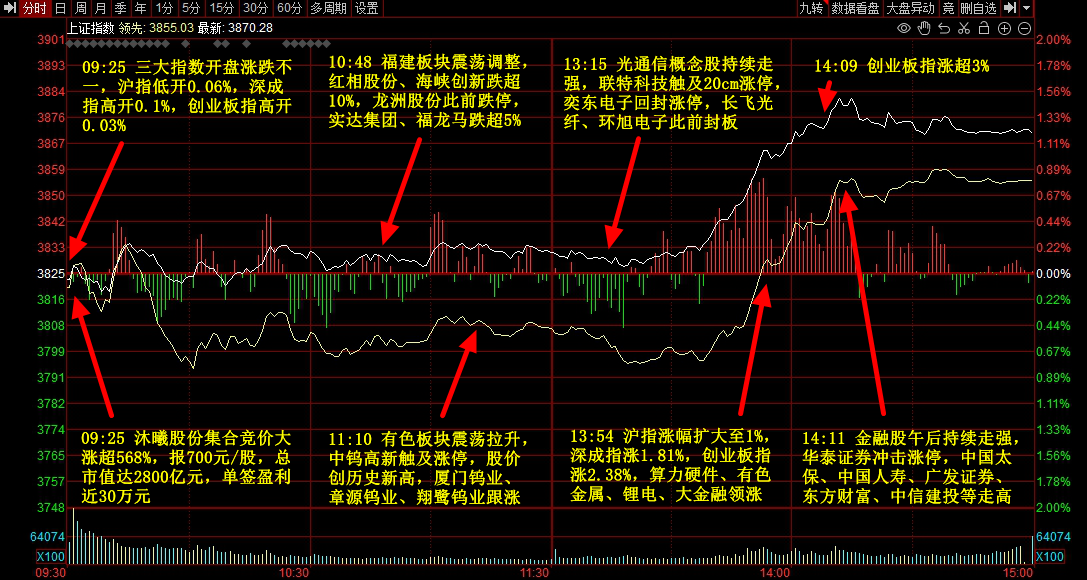
帮助高位截瘫患者稳定操控智能轮椅与机器狗我国侵入式脑机接口技术迎来新突破
Huan Qiu Shi Bao· 2025-12-17 12:55
Core Insights - The article discusses the successful completion of China's second invasive brain-computer interface (BCI) clinical trial, enabling a high-level paraplegic patient to control a smart wheelchair and robotic dog using brain signals [1][6][8]. Group 1: Clinical Trial Achievements - The second invasive BCI trial demonstrated the ability of a patient with high-level paraplegia to control devices in real-life scenarios, marking a significant advancement from previous trials focused on electronic device control [8]. - The patient, who suffered from spinal cord injury, underwent training that allowed him to control devices with minimal delay, achieving a control experience that felt natural and intuitive [8][9]. Group 2: Technological Innovations - The research team developed a high-compression, high-fidelity neural data compression technology, improving brain control performance by 15%-20% even in noisy environments [6][7]. - Innovations included "neural manifold alignment technology" to enhance stability in real-world environments and "online recalibration technology" for continuous system optimization during use [7][9]. Group 3: Future Developments - The team has announced an upgraded BCI system (WRS02) with enhanced capabilities, including an increase in channel count to 256, with the first clinical trial planned soon [9]. - Future applications of BCI technology are expected to expand into areas such as sensory restoration and precise control of neurological disorders within the next five years [12][13]. Group 4: Societal Impact - The research team is collaborating with local disability organizations to enable patients to participate in online data annotation work, transforming them from recipients of care to contributors to society [10][12]. - The integration of BCI technology with external smart devices is seen as crucial for enhancing patient quality of life and achieving broader societal benefits [12].
科学与健康|拓展患者现实生活!脑机接口临床试验新进展
Xin Hua She· 2025-12-17 12:46
这是脑智卓越中心微纳电子加工平台加工侵入式脑机接口柔性电极。(受访者供图) "我们希望技术真正走向临床,解决患者生活中的具体问题。"项目负责人、中国科学院脑科学与智能技 术卓越创新中心研究员赵郑拓说,此次试验,实现了从"二维交互"到"三维拓展"的突破。 为实现稳定控制,研究团队取得了系列技术突破。他们开发了高压缩比、高保真的神经数据压缩技术, 并创新性地融合了两种解码方式。这套混合解码模型即便在神经信号相对嘈杂的环境中,也能高效提取 有效信息,将脑控性能整体提升15%以上。 一位四肢瘫痪的患者凭意念操控智能轮椅在小区遛弯、指挥机器狗取回外卖……这是中国科学院科研团 队近期完成的脑机接口临床试验场景。这一幕,超越了传统康复的想象,在技术上将二维的屏幕光标控 制,带入了三维的物理世界交互。 12月17日,中国科学院脑科学与智能技术卓越创新中心在上海召开新闻发布会,介绍了团队侵入式脑机 接口临床试验最新进展。 脑机接口技术,旨在建立大脑与外部设备间的直接通信通道。此前,全球多个科研团队已展示过意念打 字、控制机械臂等成果。但如何让技术稳定融入患者日常生活,始终面临挑战。 2025年,在中国科学院脑科学与智能技术卓越 ...

脑机接口技术加速从实验室走向临床,中国又有新突破
2 1 Shi Ji Jing Ji Bao Dao· 2025-12-17 12:41
Core Viewpoint - The approval of the invasive brain-computer interface (BCI) product by Jingyu Medical Technology marks a significant milestone in the treatment of drug addiction, particularly for opioid dependence, showcasing the potential of BCI technology in serious medical applications [1][2][3]. Group 1: Product and Technology - Jingyu Medical's invasive brain deep stimulation system is the first globally approved BCI product for treating addiction-related mental disorders, specifically targeting difficult-to-treat moderate to severe opioid addiction [1][2]. - The system utilizes a dual-target technology to stimulate key brain areas, namely the nucleus accumbens and the anterior limb of the internal capsule, providing a new treatment option for patients [2][3]. - Clinical studies indicated that after implantation, patients showed improvements in negative emotions associated with addiction, with a 62.5% non-recurrence rate after 10 years of follow-up for the first batch of cases [2][3]. Group 2: Industry Landscape - The BCI industry is characterized by a diversified competitive landscape, with invasive and non-invasive technologies being developed for various applications, including medical and consumer sectors [4][6]. - Invasive BCIs are primarily focused on medical applications, while non-invasive BCIs are being utilized in consumer products and industrial applications [4][6]. - The global BCI market is projected to reach approximately $2.46 billion in 2024 and exceed $10.8 billion by 2033, with a compound annual growth rate (CAGR) of 16.5% [5]. Group 3: Future Trends and Challenges - The BCI industry is expected to experience rapid development, with trends including accelerated technology integration, expanded application scenarios, and improved industry chain collaboration [7]. - Despite the promising outlook, the industry faces challenges such as technical barriers, ethical considerations, and the need for regulatory compliance [8]. - Jingyu Medical plans to initiate international multi-center clinical trials to contribute to global addiction treatment solutions, aiming for BCI technology to become a standard treatment method for neurological disorders [9].
帮助高位截瘫患者稳定操控智能轮椅与机器狗 我国侵入式脑机接口技术迎来新突破
Huan Qiu Wang Zi Xun· 2025-12-17 12:39
Core Insights - The article highlights the successful completion of China's second invasive brain-computer interface (BCI) clinical trial, enabling a high-level paraplegic patient to control a smart wheelchair and robotic dog using brain signals [1][2][5]. Group 1: Clinical Trial Achievements - The patient, who suffered from cervical spinal cord injury leading to high-level paraplegia, was able to control devices in real-life scenarios after undergoing training with the BCI system [2][5]. - The research team achieved significant advancements in technology, including a 15%-20% overall improvement in brain control performance through innovative data compression techniques [5][6]. - The trial demonstrated a shift from controlling electronic devices to managing physical objects, marking a significant step in the integration of BCI technology into daily life [7]. Group 2: Technological Innovations - The team developed a hybrid decoding model that efficiently extracts relevant information from noisy neural signals, enhancing the robustness of the system [6]. - An "online recalibration technology" was introduced, allowing the system to adjust parameters in real-time during use, improving user experience [6]. - The end-to-end latency of the BCI system was reduced to under 100 milliseconds, providing a seamless control experience for the patient [6]. Group 3: Future Developments - The research team is preparing for the first clinical trial of the upgraded BCI system (WRS02), which features an increase in channel count to 256 [8]. - The team is also focusing on the social integration of patients by involving them in online data annotation tasks, transforming them from recipients of care to contributors to society [9][11]. - Future goals include scaling applications for motor and speech function restoration within three years and achieving breakthroughs in sensory restoration and mental health conditions within five years [11][12].
击穿行业天花板:马斯克的万亿商业局
Tai Mei Ti A P P· 2025-12-17 12:13
Core Insights - Elon Musk's net worth surged to $491.9 billion, with a $150 billion increase in just nine months, solidifying his position as the world's richest person [1] - SpaceX announced plans for a historic IPO with a target valuation of $1.5 trillion and a fundraising goal of $30 billion, which would set a record for the largest IPO in history [2][3] - Musk's nine companies span across space, energy, AI, and life sciences, fundamentally reshaping industry norms and pushing the boundaries of traditional business [1][11] Space Infrastructure: $1.5 Trillion IPO and Cash Flow Engine - SpaceX's IPO is expected to launch in mid-2026, with a fundraising target exceeding $30 billion, surpassing the previous record held by Saudi Aramco [2] - Starlink, SpaceX's cash flow pillar, has 7.65 million active subscribers globally, contributing 43% of subscriptions from North America and 40% from emerging markets [2] - SpaceX's projected revenue for 2025 is $15 billion, increasing to $22-24 billion in 2026, with over 80% of revenue coming from Starlink [2] Ground Ecosystem: Tesla + Robots Reshaping Manufacturing and Energy - Tesla's stock price increased by 70.1% from March to December 2025, significantly contributing to Musk's wealth increase [5] - Tesla's market valuation of $1.5 trillion is equivalent to the combined market caps of Toyota, Volkswagen, and Ford, with a focus on electric vehicles and energy solutions [6] - Tesla has delivered over 6 million vehicles by 2024, capturing 22% of the global electric vehicle market [6] Future Layout: AI + Brain-Computer Interfaces - xAI, established in 2023, aims to create a top-tier AI system and has raised over $30 billion for its development [8] - Neuralink, founded in 2016, focuses on high-precision brain-computer interface technology and plans to start human clinical trials in 2025 [9] - The Boring Company and Hyperloop are also part of Musk's future vision, aiming to enhance human efficiency and expand living boundaries [10] Conclusion - Musk's wealth and IPO ambitions represent a gamble on technology reshaping commercial boundaries, with each of his companies challenging industry ceilings [11] - The potential for Musk's wealth to reach unprecedented levels hinges on the successful execution of SpaceX's IPO, Tesla's production goals, and breakthroughs in AI and brain-computer interfaces [12]
中国第二例侵入式脑机接口实现意念操控轮椅
第一财经· 2025-12-17 09:24
Core Viewpoint - The article discusses the advancements in brain-machine interface (BMI) technology, highlighting the successful clinical trials that enable patients with high-level paralysis to control smart devices and interact with the physical world using their thoughts. This represents a significant leap from controlling electronic devices to engaging with real-world applications [3][5]. Summary by Sections Breakthroughs in the Second Clinical Trial - The second clinical trial showcased a comprehensive breakthrough, transitioning from 2D control of electronic devices to 3D interaction with physical objects, thus integrating technology into daily life [5][6]. Patient Experience - The second patient, who suffered from high-level paralysis due to spinal cord injury, described the control experience as intuitive, likening it to controlling a character in a video game without conscious effort. The system demonstrated stable signal transmission with minimal delay [6][7]. Technical Innovations - Key technical advancements include: - Development of high-compression, high-fidelity neural data compression technology, enhancing brain control performance by 15% to 20% even in noisy environments [7]. - Introduction of neural manifold alignment technology and online recalibration techniques [7]. - Reduction of end-to-end latency from signal acquisition to command execution to under 100 milliseconds, improving the fluidity of control [9]. Future Industry Path - The article emphasizes the importance of collaboration with external smart ecosystems, such as electric wheelchairs and robotic devices, to realize the practical applications of BMIs. This collaboration aims to enhance patient quality of life through a win-win model [13]. - Short-term (within three years) goals include scaling applications for motor and speech function restoration, while mid-term (within five years) objectives focus on sensory restoration and precise control of neurological disorders. Long-term (around ten years) aspirations involve creating minimally invasive systems that could lead to consumer applications [13][14]. Integration with Artificial Intelligence - The relationship between BMIs and AI is categorized into three levels: - "AI for BMI": Utilizing AI algorithms to decode complex neural signals [13]. - "BMI with AI": BMIs working alongside autonomous AI entities for strategic and tactical collaboration [13]. - "Fusion": A potential future where biological and artificial neural networks are deeply coupled, allowing for seamless control of devices as if they were natural limbs [14].
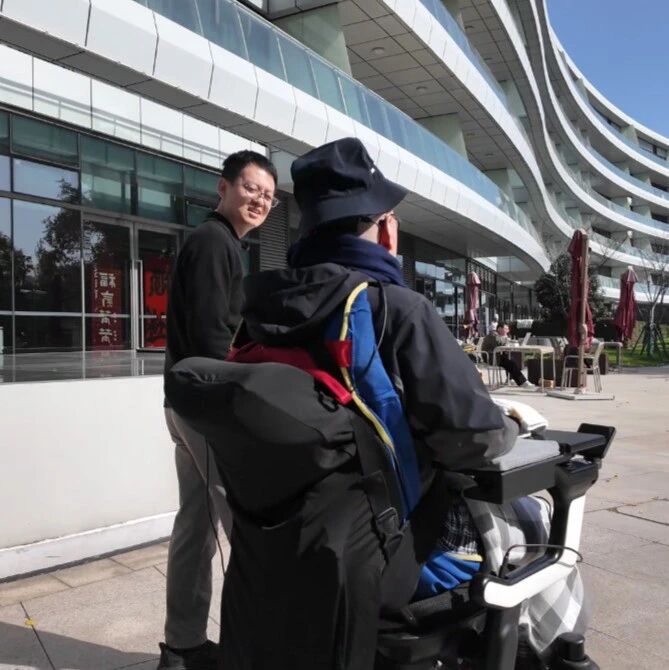
中国第二例侵入式脑机接口实现意念操控轮椅
Di Yi Cai Jing· 2025-12-17 08:52
Core Insights - The clinical trial of the third brain-computer interface (BCI) patient has been completed, showcasing advancements in controlling physical devices through thought [1][2] - The second case represents a significant breakthrough, transitioning from 2D control of electronic devices to 3D interaction with physical objects, enhancing the patient's ability to engage with the real world [2][3] Group 1: Technological Advancements - The research team developed a mixed decoding model that improves brain control performance by 15% to 20% even in noisy environments [3] - A custom communication protocol reduced the end-to-end latency of the BCI system to under 100 milliseconds, providing a seamless control experience for the patient [3] - The goal is to create a universal controller that can translate brain commands into control signals for various smart devices, enhancing user interaction [3] Group 2: Future Industry Path - The integration of BCI technology with external smart devices like electric wheelchairs and robotic dogs is crucial for enhancing patient quality of life [6] - In the short term (within three years), BCI applications for motor and speech function restoration are expected to scale, while mid-term (within five years) breakthroughs in sensory restoration and mental health conditions are anticipated [6] - Long-term (around ten years), highly minimally invasive systems may lead to new medical and consumer applications, with BCI technology deeply integrated with artificial intelligence [6][7]
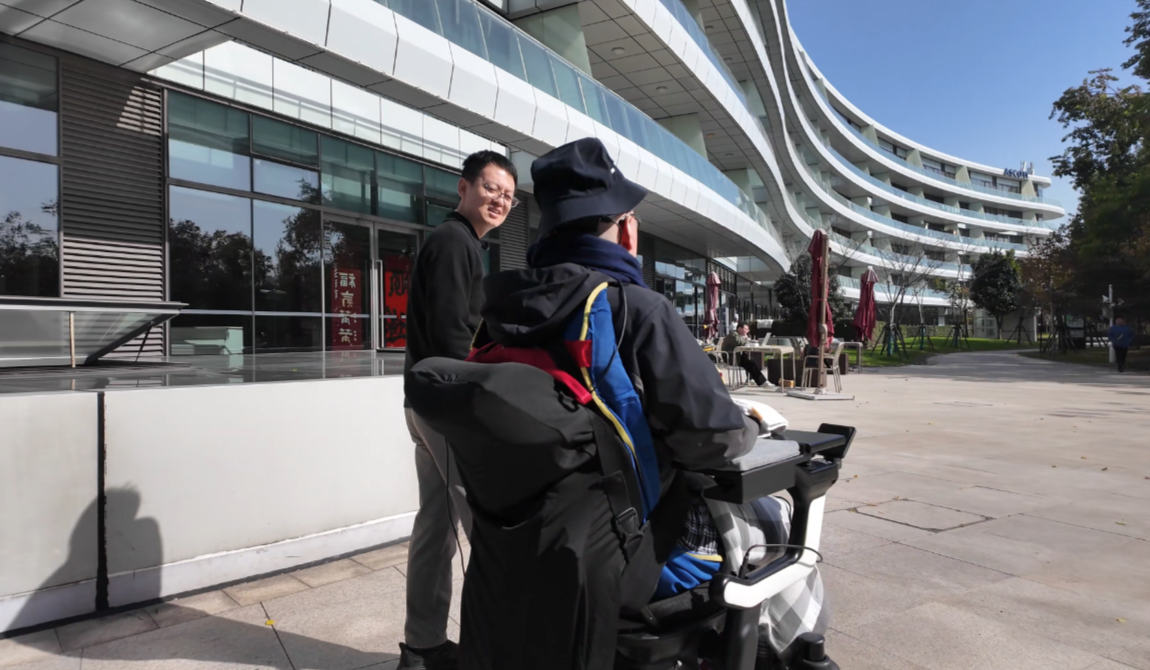
大脑意念控制轮椅、机器狗……我国侵入式脑机接口临床试验实现重大突破!
Yang Guang Wang· 2025-12-17 08:41
Core Insights - The article highlights the successful demonstration of China's second invasive brain-computer interface (BCI) clinical trial, showcasing its ability to allow a paralyzed individual to control a smart wheelchair and a robotic dog using only their thoughts, marking a significant advancement in rehabilitation technology [1][3]. Technological Breakthroughs - The BCI system developed by the Brain Intelligence Excellence Center and related enterprises enables patients to control electronic devices like computers and tablets after a brief training period [3][10]. - The technology has evolved from controlling 2D screens to interacting with 3D physical objects, requiring precise and stable control in real-world environments [10][11]. - Innovations in neural signal extraction and compression techniques have improved the efficiency of information retrieval from the brain, enhancing BCI performance by 15% to 20% [10][11]. Patient Experience - The second clinical trial patient, who suffered from spinal cord injury, reported that controlling the devices felt as natural as moving their own limbs, with minimal delay in response [12][14]. - The BCI system has significantly enriched the patient's daily life, allowing them to perform tasks independently and reducing the burden on their family [3][12]. Future Prospects - The research team is optimistic about the future of BCI technology, envisioning applications that could restore motor and sensory functions, and even enhance capabilities beyond normal human abilities [15][18]. - Upcoming advancements include a new generation of BCI systems with increased channel capacity and improved functionality, which are expected to undergo clinical trials soon [15][16]. - The integration of artificial intelligence with BCI technology is anticipated to create more complex and capable external devices, further expanding the potential applications of this technology [16][20].