中药材种植

Search documents
湖南澧县“致富草”绘就乡村振兴新图景
Zhong Guo Xin Wen Wang· 2025-09-28 12:36
Core Insights - The article highlights the successful development of the medicinal herb industry in Ma Xi Village, Hunan Province, particularly focusing on the cultivation of Acorus tatarinowii (known as "stone calamus") and its economic benefits for local farmers [1][2]. Group 1: Economic Impact - The annual income from cultivating one acre of stone calamus can reach 15,000 yuan [1]. - The company has created a standardized and large-scale planting base covering 5,200 acres, benefiting over 1,000 local households [4]. - By 2025, the company is expected to distribute over 30 million yuan in land transfer fees, labor wages, and dividends [4]. Group 2: Community Engagement - The company implemented a "contract responsibility system" to enhance production efficiency and encourage local farmers to become "small bosses" [2]. - Over 300 long-term workers are employed in the park, contributing to local employment [4]. Group 3: Product Development and Market Expansion - The company is exploring various applications of stone calamus, including foot bath herbal packs, sleep pillows, aromatic sachets, bio-fertilizers, and bio-pesticides [2]. - A brand named "Fu Zhi Xi" has been registered, and over 100 agricultural products have been launched online, attracting more than 140 cooperative suppliers [4]. Group 4: Research and Collaboration - The company is collaborating with several research institutions, including Hunan Agricultural University and Hunan University of Traditional Chinese Medicine, to develop comprehensive utilization and deep processing of stone calamus [3].

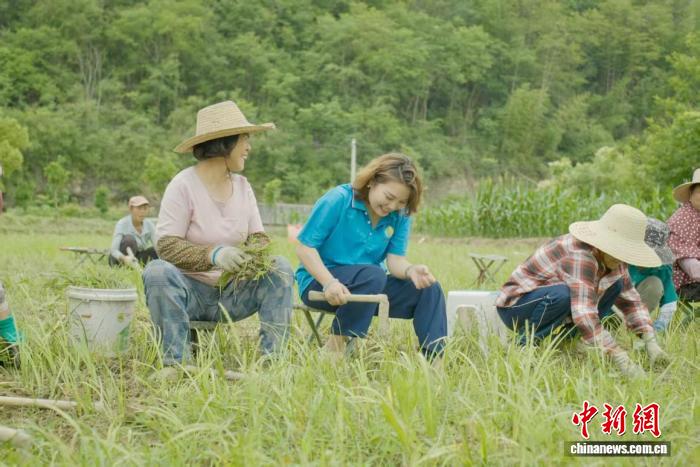
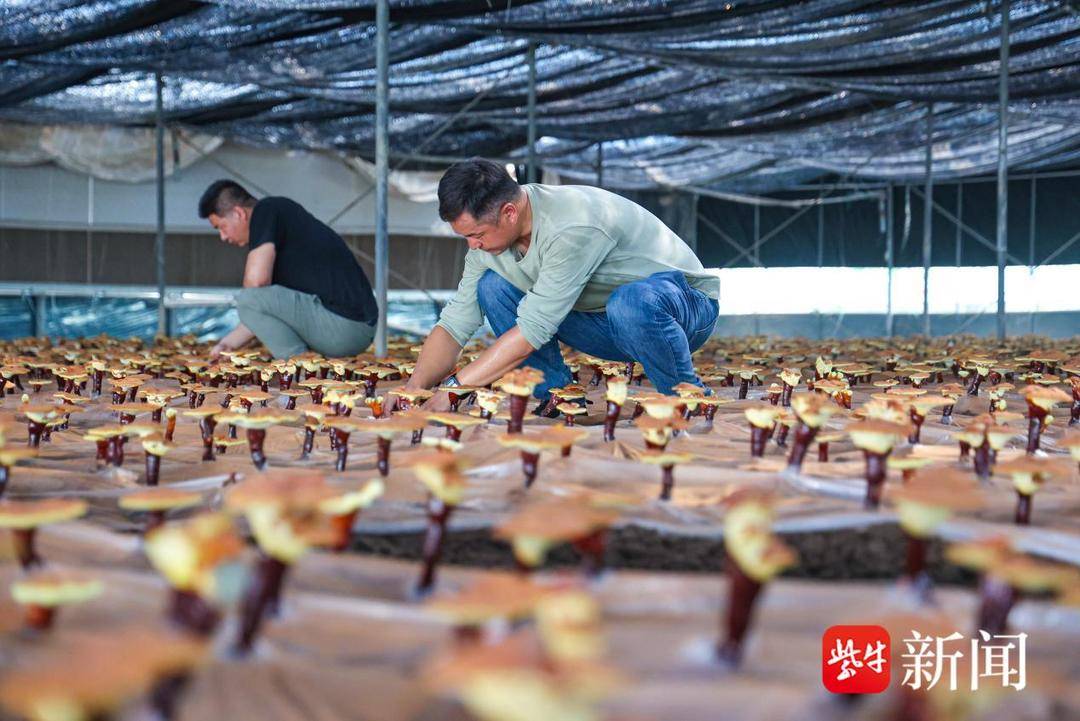
科技破解产业瓶颈,院企共育黄精“芯片”——泰山黄精良种升级工程项目签约启动
Qi Lu Wan Bao Wang· 2025-09-28 09:13
Core Viewpoint - The strategic cooperation between Shandong Taishang Huangjing Biotechnology Co., Ltd. and Shandong Academy of Agricultural Sciences aims to enhance the Huangjing industry through deep integration of production, education, and research, contributing to rural revitalization and the Healthy China strategy [1] Group 1: Strategic Cooperation - The partnership focuses on two major projects: the establishment of a "Doctoral Workstation" to gather top research talents for core technology breakthroughs in the Huangjing industry [1] - The collaboration will also promote Huangjing breeding and rapid cultivation projects to ensure quality and stable supply from the source, addressing critical technology challenges in seed sources [1] Group 2: Industry Development - This cooperation injects core technological competitiveness into the enterprise and builds a foundation for high-quality development from the industry's source [1] - By establishing standards, innovating seed sources, and implementing smart seedling practices, the initiative aims to significantly enhance the standardization level and risk resistance of the Huangjing industry in Shandong and nationwide [1] - The project is expected to create a replicable and promotable model for the Huangjing industry, optimizing regional industry structure and increasing farmers' income, thus exemplifying the practice of technology-driven agriculture and industry prosperity [1]
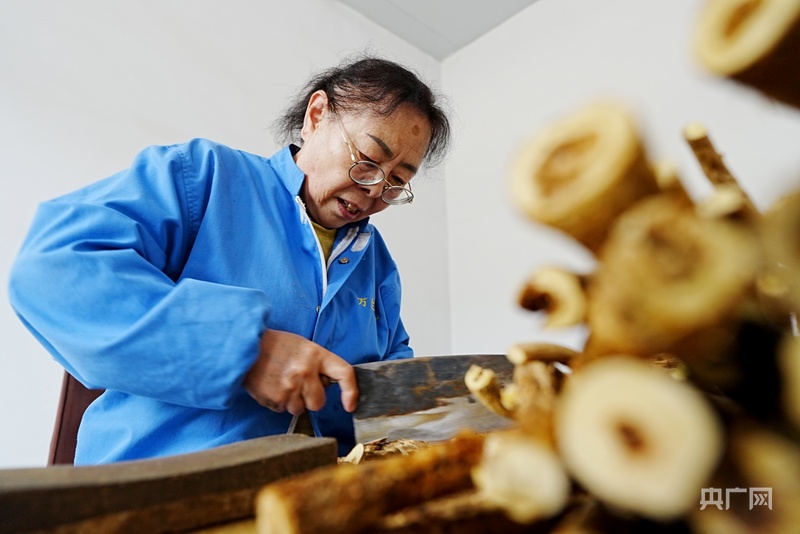
光耀太行·红土巨变 | 浑源:北岳灵秀厚植“千年芪乡”
Yang Guang Wang· 2025-09-22 07:23
Core Viewpoint - The article highlights the development and transformation of Hunyuan County, a revolutionary area in Shanxi Province, focusing on its cultural heritage, agricultural products, and tourism potential, particularly emphasizing the significance of Astragalus (Huangqi) cultivation and the local凉粉 (liangfen) industry. Group 1: Agricultural Development - Hunyuan County is recognized as the "Hometown of Huangqi" with a total of 28,000 acres dedicated to Huangqi cultivation, generating an annual industrial output value of 1.5 billion yuan [5] - The county has approximately 30,000 Huangqi farmers, with the production base yielding only 20% of the annual sales, while the remaining 600 tons are sourced from local growers [4][5] - The Huangqi cultivation area is primarily located in the southwestern mountainous region, benefiting from favorable climatic and soil conditions [4] Group 2: Cultural and Historical Significance - Hunyuan County is home to the only Huangqi-themed museum in the country, showcasing the development of Huangqi and its cultural significance [6] - In 2023, the Huangqi cultivation system in Hunyuan was recognized as an important agricultural cultural heritage in China, highlighting its historical and cultural value [6] Group 3: Tourism Development - Hunyuan County has a rich cultural heritage with 488 immovable cultural relics, including seven national treasures, attracting tourists to its historical sites [10] - A new visitor center with a total construction area of 23,600 square meters is set to enhance the tourist experience by providing comprehensive services and showcasing local culture [10] - In 2024, Hunyuan County is expected to receive 5.68 million tourists, a growth rate of 46.52%, with a total revenue of 1.847 billion yuan, reflecting the effectiveness of the "tourism+" strategy [14]
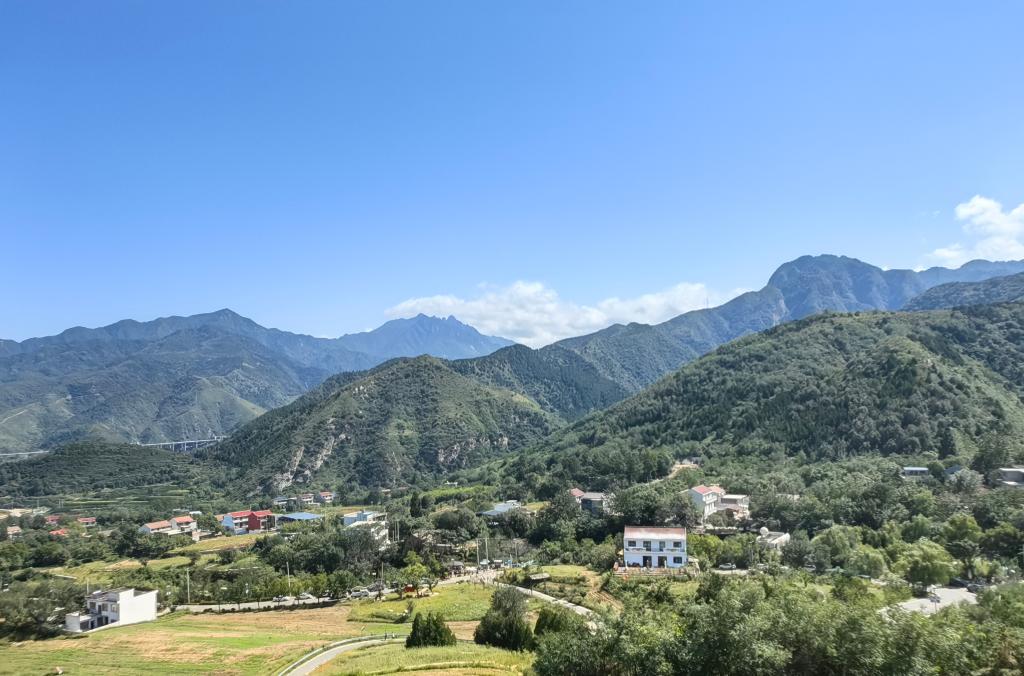
秦岭脚下,这笔“生态账”越算越值!
Xin Hua Wang· 2025-09-21 13:59
Core Insights - The article highlights the successful transformation of rural areas in Xi'an's Lantian County, focusing on eco-tourism and sustainable practices as key drivers of local economic growth [1][10]. Group 1: Eco-Tourism Development - The village of Qingping has seen a significant increase in eco-tourism, with local resident Fang Yi earning over 100,000 yuan in just three months from his newly established guesthouse [3][5]. - The guesthouse emphasizes environmental sustainability, with strict adherence to waste management practices to preserve the natural beauty that attracts tourists [3][6]. Group 2: Cultural and Ecological Integration - Lantian County's Wangchuan Town combines cultural heritage with ecological preservation, rejecting large-scale investments that could harm the environment in favor of developing local cultural and ecological industries [6][10]. - The integration of cultural elements, such as the legacy of poet Wang Wei, enhances the attractiveness of the area, leading to increased sales of local products like walnuts and chestnuts [6][10]. Group 3: Ecological Protection Efforts - The county has implemented a comprehensive ecological protection strategy, utilizing drones and a network of forest rangers to monitor and maintain the health of its ecosystems [7][10]. - The forest coverage in Lantian County has improved significantly, rising to 57.43%, indicating successful ecological management and restoration efforts [7][10].
甘肃成县:“红色引擎”驱动林下经济点“绿”成金
Zhong Guo Fa Zhan Wang· 2025-09-19 16:01
Core Viewpoint - The article highlights the successful integration of party leadership and agricultural development in Songping Township, Gansu Province, focusing on the cultivation of kiwifruit and the promotion of under-forest economy to enhance local income and achieve rural revitalization [1][2][3] Group 1: Agricultural Development Model - Songping Township has adopted a "Party Branch + Cooperative + Farmers" model to leverage party organization advantages for industrial development, leading to a successful under-forest economy [1] - The cooperative encourages leading farmers to cultivate kiwifruit, resulting in over 30 households planting more than 140 acres of kiwifruit, thereby strengthening the income foundation for local residents [1] Group 2: Crop Diversification and Economic Benefits - The township explores intercropping by planting medicinal herbs and other economic crops under kiwifruit trees, improving land utilization and output efficiency [2] - The average yield of kiwifruit is around 2,000 pounds per acre, with total income from kiwifruit and intercropped crops exceeding 10,000 yuan per acre [2] Group 3: Sales and Marketing Strategies - To enhance the sales channels for kiwifruit, the township actively engages local officials and e-commerce experts to promote products through social media platforms, resulting in over 30 orders for more than 800 pounds of kiwifruit [3] - The initiative includes both online and offline sales strategies, ensuring a diverse sales network for local farmers [3] Group 4: Overall Impact on Rural Revitalization - The integration of party leadership with green economic practices exemplifies the transformation of local resources into economic value, contributing to rural revitalization and sustainable development [3]
重庆大足:佛手种植电满格 满山“金果”挂枝头
Zhong Guo Neng Yuan Wang· 2025-09-17 08:36
Core Viewpoint - The article highlights the successful development of the Buddha's hand cultivation base in Chongqing's Dazu District, showcasing its growth into the largest single Buddha's hand planting base in Southwest China, with a focus on sustainable agricultural practices and community benefits [2][6]. Group 1: Company Development - The company, Xinruiqi Agricultural Development Co., has expanded its Buddha's hand planting area from 900 acres in 2019 to over 5,000 acres, establishing itself as the largest base in the region [2]. - The company has diversified its product offerings, including Buddha's hand tea and alcohol, and has adopted a dual sales strategy of online and offline channels to enhance market reach [2][6]. - In 2022, the company increased its transformer capacity from 100 kVA to 315 kVA to support the growing electricity needs of the cultivation base [6]. Group 2: Community Impact - The Buddha's hand cultivation has created job opportunities for over 40 local villagers, providing stable employment and contributing to their income [10]. - The company pays land transfer fees to over 600 local households, enhancing the economic well-being of the community [10]. - The cultivation of Buddha's hand has transformed the local landscape, promoting rural revitalization and improving the livelihoods of residents [10]. Group 3: Infrastructure and Support - The company received a new 70 kW power supply in February 2022 to support its operations, which was promptly installed by the local power supply company [3]. - In response to drought conditions, the company collaborated with the local power supply company to install temporary power for irrigation, ensuring the sustainability of the crops [8]. - The establishment of cold storage and processing facilities has enabled year-round sales and dynamic supply of products [6].
从“红色公牛”到“绿色长城”:乌兰布和沙漠变形记
Zhong Guo Xin Wen Wang· 2025-09-15 09:33
Core Viewpoint - The transformation of the Ulan Buh Desert from a "red bull" of sandstorms to a "green Great Wall" showcases successful desertification control and ecological restoration efforts in Inner Mongolia, China [1][2]. Group 1: Desertification Control Efforts - The Baotou City has been combating desertification since the 1950s, implementing a comprehensive approach that includes natural reserves, sand fixation, and protective forest networks [2]. - As of 2024, Baotou has completed desert management over 35.32 million mu, with a core area of 150 kilometers of protective belts covering 24.9 million mu, ultimately forming a 200-kilometer green barrier [2]. Group 2: Economic Development through Ecological Projects - The "photovoltaic + ecological governance" model has been established, with 14.34 million mu of land utilized for this purpose, achieving a solar power installation capacity of 542.7 million kilowatts and an annual electricity generation exceeding 30 billion kWh [4][7]. - The local economy has benefited significantly, with over 4,000 farmers and herders gaining employment and an average annual income increase of 15,000 yuan [4]. Group 3: Agricultural and Medicinal Development - The cultivation of desert plants such as Cistanche and licorice has become economically viable, with the annual gross income from 50 mu of Cistanche reaching over 100,000 yuan [7]. - The area dedicated to Cistanche cultivation has reached nearly 140,000 mu, generating an annual output value exceeding 300 million yuan [7]. Group 4: Tourism Growth - The local tourism industry has flourished, with a 70% increase in visitor numbers compared to 2020 and a revenue growth of 61 million yuan [8]. - The development of five premium tourism routes has attracted visitors to experience the natural beauty and cultural heritage of the region [8].

湖北竹山创新模式发展林下药材
Zhong Guo Zi Ran Zi Yuan Bao· 2025-09-10 06:24
Core Viewpoint - The article highlights the successful implementation of a medicinal herb planting project in the Xiaoyangou Forest Farm, Shiyan City, Hubei Province, which utilizes a collaborative model involving local government, forest farms, and farmers to revitalize idle forest land and promote economic development through traditional Chinese medicine cultivation [1] Group 1: Project Overview - The Xiaoyangou Forest Farm covers an area of 16,500 acres with a forest coverage rate of 97.6% [1] - The medicinal herb planting project was officially launched in March this year, focusing on the cultivation of various herbs including over 30 acres of Epimedium and more than 280 acres of Phellodendron [1] - The project also includes the development of 2,600 logs for mushroom cultivation [1] Group 2: Collaborative Model - The project adopts a "Party branch + forest farm + farmers" model, where local officials lead investments and collaborate with experienced returnees to establish a demonstration base [1] - A profit distribution plan has been established, allocating profits in a 6:3:1 ratio among investors, the forest farm, and farmers after harvest [1] - The initiative has significantly boosted local farmers' confidence, leading to increased participation in under-forest medicinal herb cultivation [1]
暨军民赴淳安调研深化农村改革推动农民增收暨“联乡结村”帮扶工作
Hang Zhou Ri Bao· 2025-09-08 02:45
Group 1 - The core viewpoint emphasizes the importance of rural reform and increasing farmers' income through ecological and green development, focusing on the protection and cultivation of traditional Chinese medicinal materials [1][2] - The initiative "Linking Towns and Villages" is highlighted as a political requirement to implement the concept of common prosperity and regional coordinated development, integrating ecological principles into local development strategies [2] - The strategy includes promoting modern agriculture and ecological industries, enhancing brand value, and fostering the integration of agriculture, culture, and tourism to drive high-quality urban-rural integration [2] Group 2 - The emphasis is placed on using technological innovation as a key driver for upgrading the entire chain of planting, processing, research, and market development of medicinal materials [1] - The need for a comprehensive approach that combines financial support, motivation, and education to achieve effective assistance for common prosperity is stressed [2] - The focus on building a modern Chinese medicine industry system through professional models and enhancing the collective economy of villages is outlined [1]
连云港海州技术革新激活“仙草”经济
Yang Zi Wan Bao Wang· 2025-09-06 13:12
Core Viewpoint - The article highlights the advancements in the cultivation of Ganoderma lucidum (Lingzhi) at Yuntai Farm, which have significantly increased the yield and quality of its spore powder, transforming it into a profitable agricultural product for local farmers [1][3]. Group 1: Cultivation Techniques - Yuntai Farm has developed a rigorous and scientific cultivation system for Lingzhi, involving multiple processes such as wood preparation, seed production, inoculation, and management, which have been optimized over five years [3]. - The farm has transitioned from a bag collection method to a non-bag collection method using non-woven fabric, reducing moisture-related losses and increasing planting density from 8,000 to nearly 10,000 plants per acre [5]. Group 2: Yield and Quality Improvements - The expected yield of Lingzhi spore powder is projected to increase from 200 jin (100 kg) to 300 jin (150 kg) per acre, representing a 50% increase due to improved cultivation techniques [5]. - The spore powder has a high wall-breaking rate of 99.6% and contains 7.31g of triterpenes per 100g, indicating superior quality [6]. Group 3: Market and Product Development - The farm is also focusing on the development of Lingzhi bonsai, which are in high demand in the market, combining aesthetic appeal with health benefits [6]. - Yuntai Farm plans to deepen its collaboration with local agricultural research institutes to enhance research and development in the deep processing of Lingzhi, thereby extending its industrial chain and improving overall competitiveness [6].