
农产品种植与加工

Search documents
阿根廷下调大豆等部分农产品出口税率
Xin Lang Cai Jing· 2025-12-09 13:41
Group 1 - Argentina has reduced export tax rates on certain agricultural products, lowering the soybean export tax from 26% to 24% [1] - The export tax rates for corn and sorghum have also been decreased from 9.5% to 8.5% [1]

聚焦大湾区农交会 | 五寨县乡村e镇重磅亮相,12.12-14就在广州!
Nan Fang Nong Cun Bao· 2025-12-08 14:04
Group 1 - The 2025 Greater Bay Area Agricultural Trade Fair will take place from December 12 to 13, featuring over 10 themed promotions and more than 30 types of local agricultural products [5][6] - The event aims to create a one-stop platform for precise connections between buyers and sellers, showcasing high-quality agricultural products from various regions of China [6][8] - Wuzhai County's Rural E-Town will present the unique flavors of Shanxi at the trade fair, highlighting the rich agricultural offerings from the region [9][10] Group 2 - Shanxi Zhengdao Liangtian Agricultural Co., Ltd. was established on November 15, 2013, with a registered capital of 15 million yuan and a planting area of 10,000 mu, accounting for 80% of the total planting area of sweet glutinous corn in China [18][19] - The company operates the largest corn processing factory in Asia, covering 15,000 square meters, with a total investment of approximately 420 million yuan [19][20] - The company focuses on creating a green ecological circular industry chain, ensuring quality control from planting to processing, and providing healthy and safe food to consumers [21][22] Group 3 - The main product is sweet glutinous corn, which boasts a rare variety quality of 0.0003%, with a fragrance that surpasses 98% of corn varieties and a taste that is 12% sweeter than glutinous corn [30][31][32] - The corn has double the carotene and lutein content compared to ordinary corn, and its selenium content is also double due to the unique soil conditions in Wuzhai County [34][35][36] - The company emphasizes natural safety with certifications for pollution-free and organic farming practices, utilizing traditional methods and organic fertilizers for cultivation [37][38][39]


内蒙古五原县又有27家企业核准使用地理标志专用标志
Zhong Guo Zhi Liang Xin Wen Wang· 2025-12-08 06:24
地理标志是重要的知识产权,是地方特色产品的"身份证"和"通行证"。近年来,五原县委、县政府高度 重视地理标志保护与运用工作,将其作为推动农业供给侧结构性改革、助力乡村振兴战略的关键抓手。 五原县市场监督管理局、五原县农牧和科技局积极引导符合条件的企业申请使用地理标志专用标志,加 强生产过程监管,完善质量追溯体系,严厉打击侵权假冒行为,为地理标志产品的健康发展保驾护航。 地理标志专用标志的使用:一是能有效地遏制市场假冒伪劣行为,保护消费者权益和原产地生产者的合 法权益。二是通过官方认证,增强产品公信力,提升"灯笼红香瓜"和"五原小麦"的品牌附加值和市场知 名度。三是倒逼企业实行标准化生产和管理,带动整个产业链向绿色、高效、高端方向发展。四是品牌 价值的提升将直接惠及产业链前端的种植户,实现农业增效、农民增收,有力推动地方经济发展和乡村 振兴战略的实施。(徐凤仙 刘文栓) 五原"灯笼红香瓜"作为五原县的特色优势农产品,以其独特的口感、清新的香气、玲珑的外形和鲜亮的 色泽而享誉区内外。它不仅是五原农业的一张"金名片",更是当地农民增收致富的"甜蜜产业"。此次获 准使用地理标志专用标志的13家企业,均是在种植规模、产 ...
冬交会澄迈馆全面展示农业硬核实力与文化魅力
Hai Nan Ri Bao· 2025-12-08 02:11
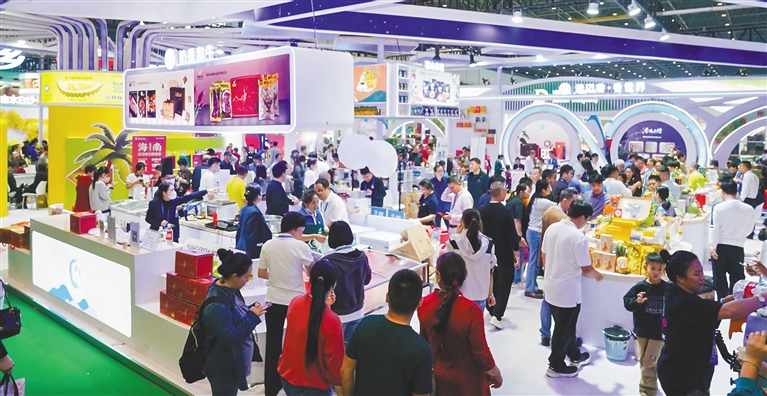
Core Viewpoint - The 28th China (Hainan) International Tropical Agricultural Winter Trade Fair showcases the agricultural strength and cultural charm of Chengmai County, attracting significant attention and participation from various enterprises and visitors [6][15]. Group A: Exhibition Highlights - Chengmai Pavilion features over 30 local enterprises presenting more than 130 specialty products, creating an immersive experience that blends agriculture, culture, and tourism [6][14]. - The pavilion's theme, "Dongpo Crosses the Sea to Seek 'Cheng' Flavor," integrates historical and modern elements, allowing visitors to experience the cultural heritage while tasting local delicacies [7][15]. - Interactive activities, such as riddles and customized giveaways, enhance visitor engagement, making the exhibition a popular destination [9][15]. Group B: New and Established Exhibitors - New entrants like Chengmai Fushan Wanxiang Professional Breeding Cooperative showcase innovative products and marketing strategies, such as live-streaming sales, achieving daily revenues of 100,000 to 150,000 yuan [10][12]. - Established exhibitors, like Fushan Coffee Garden, present upgraded products and processes, demonstrating the evolution and innovation within Chengmai's agricultural sector [10][12]. - The combination of new and old exhibitors reflects the vitality and inclusiveness of Chengmai's agricultural ecosystem, fostering collaboration and knowledge sharing [13]. Group C: Product Diversity and Quality - The pavilion features a diverse range of products, including coffee, beef, tomatoes, and durians, highlighting the comprehensive agricultural capabilities of Chengmai [14][15]. - Visitors can experience the entire coffee production process, from cultivation to roasting, enhancing the appreciation of Chengmai's coffee products [10][14]. - The durian section attracts significant interest, with fresh fruits and related products drawing in crowds and potential buyers [14][15].
【建投年报】断裂与重生:全球农业供给过剩时代
Xin Lang Cai Jing· 2025-12-07 23:19
Core Viewpoint - The global agricultural sector is experiencing a supply-demand imbalance, with supply growth outpacing demand growth due to geopolitical factors and domestic policies in major producing countries [3][5]. Group 1: Agricultural Supply Dynamics - Countries like Russia and Brazil are seizing opportunities to expand agricultural production, leading to a higher growth rate in supply compared to demand [3]. - The U.S. and Canada are focusing on strategic self-sufficiency in agricultural products, heavily relying on subsidy policies to support new demand [3][5]. - The overall agricultural production for 2025 is expected to show weakness, with many primary agricultural products experiencing seasonal price fluctuations [5]. Group 2: Crop Production Trends - The production of key crops such as corn, soybeans, and sugar is projected to fluctuate, with corn production expected to reach 1,286.225 million tons by 2025/2026, reflecting a 20.55% increase over ten years [4]. - Sugar production is forecasted to face significant oversupply, with global sugar production expected to reach 193 million tons, resulting in a surplus of 2.745 million tons by 2025/2026 [12][11]. Group 3: Market Strategies and Opportunities - The report emphasizes the importance of cross-commodity research to understand market dynamics and identify investment opportunities, particularly in undervalued commodities like sugar and corn [5][9]. - The U.S. biofuel policy is highlighted as a significant factor influencing agricultural demand, with differing approaches between the U.S. and Indonesia impacting market dynamics [5][6]. Group 4: Livestock and Feed Demand - The livestock sector is facing challenges with capacity reduction, as companies are adopting debt and cost-cutting strategies to expand market share [8]. - Feed demand is projected to stabilize in 2025, despite a decline in pig feed due to ongoing losses in the pig farming sector [37][38]. - The overall feed demand is expected to decrease by approximately 3% in 2026, with significant implications for corn and other feed grains [38][41].

芋满桂林,香传天下!桂林香芋“出山入海”圈粉大湾区
Nan Fang Nong Cun Bao· 2025-12-06 15:05
Core Viewpoint - The promotion of Guilin sweet potato in the Greater Bay Area represents a significant opportunity for agricultural development and rural revitalization, showcasing the integration of traditional agriculture with modern consumer markets [5][7][90]. Group 1: Event Overview - The "Guilin Sweet Potato Industry (Guangzhou) Promotion Conference" was held on December 6, 2025, in Guangzhou, marking a significant event for the introduction of Guilin sweet potatoes to the Bay Area market [5][10]. - The event featured a vibrant market atmosphere, with consumers eagerly purchasing and tasting the sweet potatoes, indicating strong market interest [3][30][32]. Group 2: Agricultural Development - Guilin has developed a comprehensive industrial chain for sweet potatoes, including standardized planting, large-scale processing, and brand marketing, transforming the product from a local specialty to a recognized industry [20][22]. - The sweet potato industry has become a powerful engine for agricultural efficiency, farmer income growth, and rural revitalization, with a planting area exceeding 180,000 acres and an annual output of over 300,000 tons, generating more than 3.5 billion yuan in value [41][42]. Group 3: Product Characteristics - Guilin sweet potatoes are known for their unique flavor and texture, attributed to the region's favorable climate and geological conditions, making them a sought-after agricultural product [38][40]. - The industry has produced geographical indication products and has developed various processed forms, including sweet potato slices and powders, which are gaining popularity among consumers [68][70]. Group 4: Market Expansion - The promotion event facilitated connections between producers and buyers, enhancing market access for Guilin sweet potatoes and other local agricultural products, such as the Carrot Tomato [89][92]. - The collaboration between Guilin and the Greater Bay Area is expected to strengthen agricultural synergies and expand the market reach of Guilin's specialty products [90][92].
绿水青山间的振兴答卷——河北青龙点亮北方山区乡村新未来
Zhong Guo Jing Ji Wang· 2025-12-06 03:14
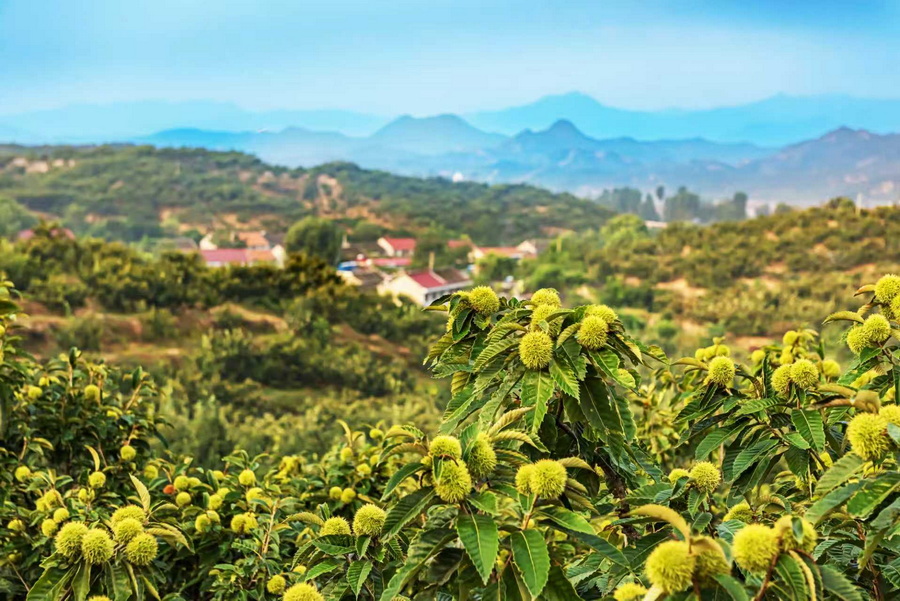
Core Viewpoint - The transformation of Qinglong Manchu Autonomous County in Hebei Province from a resource-poor area to a thriving ecological and economic model exemplifies the principle that "lucid waters and lush mountains are invaluable assets" through practical efforts in rural revitalization and sustainable development [1][15]. Ecological and Industrial Development - Qinglong County, characterized by its mountainous terrain, has leveraged its natural resources, particularly high-quality chestnuts, to drive ecological restoration and industrial upgrades, expanding chestnut planting areas to over 1 million acres and increasing vegetation coverage to 74.83% [4][6]. - The county has implemented a "company + cooperative + farmer" model to enhance technical support for chestnut cultivation, leading to a shift towards large-scale and standardized farming practices [4][6]. Agricultural Innovation and E-commerce - The establishment of a logistics system and e-commerce initiatives has significantly improved the distribution of local agricultural products, reducing logistics costs and enabling farmers to sell directly to consumers [8][10]. - Qinglong has developed a regional public brand "Satisfactory Qinglong," which has gained recognition and facilitated the sale of various agricultural products, including chestnuts, both domestically and internationally [9][10]. Tourism and Cultural Integration - The county has integrated cultural and tourism resources, transforming traditional sites into popular tourist destinations, thereby enhancing local economic activity and community engagement [11][14]. - Initiatives such as the "Red Education + Ecological Experience" route and the establishment of ethnic minority-themed accommodations have attracted significant tourist traffic, contributing to local income [12][14]. Economic Impact - The dual focus on logistics and branding has resulted in nearly 4,000 e-commerce entities in the county, with over 15,000 individuals employed in this sector, leading to an average income increase of nearly 2,000 yuan per person [10]. - The county's e-commerce transaction volume reached 2.006 billion yuan in the first eight months of 2025, reflecting a year-on-year growth of 13.91% [10].
蔡门村“金穗穗”香飘新加坡 江苏鲜食玉米实现出口“零的突破”
Zhen Jiang Ri Bao· 2025-12-05 23:34
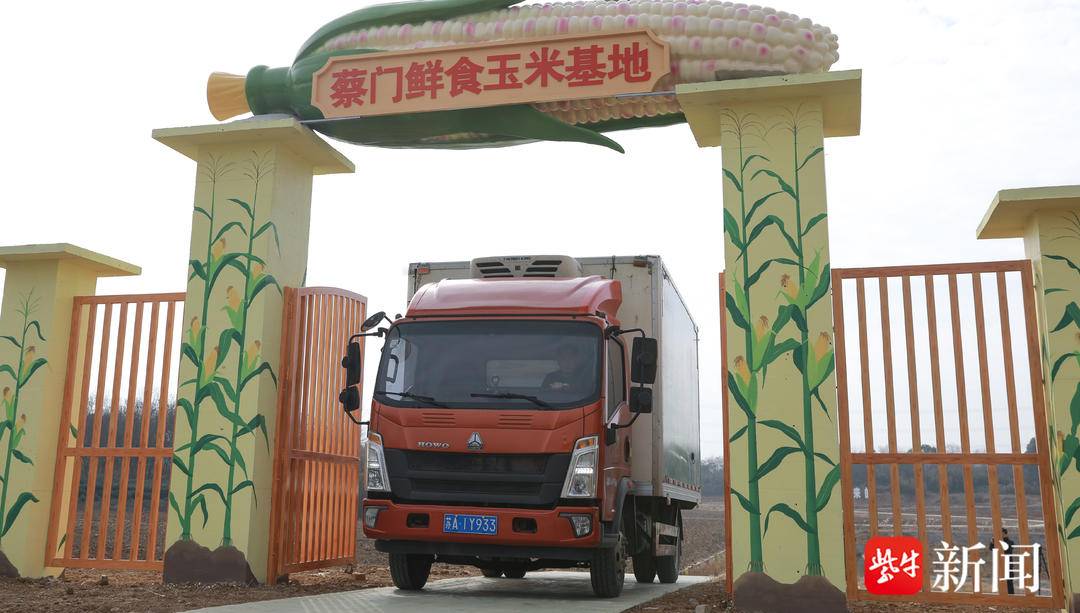
Core Viewpoint - The successful export of fresh sweet corn from Caimen Village marks a significant milestone for Jiangsu Province, showcasing the effectiveness of local agricultural development and government support in enhancing market access and product quality [1][2]. Group 1: Export Achievement - The first batch of 100 boxes of sweet corn has been successfully exported to Singapore, achieving a "zero breakthrough" for fresh corn exports from Jiangsu Province [1]. - The export process was expedited by the Jiangsu customs, which implemented a "green channel" for perishable agricultural products, reducing overall customs clearance time by nearly 70% [1]. Group 2: Agricultural Development - Caimen Village has transitioned from 11 acres of trial planting to 200 acres of fresh corn cultivation, establishing a 3,200 square meter processing base with eight functional workshops and semi-automated production lines [2]. - The village's corn brand received SC certification, becoming the first in southern Jiangsu with canned fruit and vegetable production qualifications, facilitating market entry into high-end supermarkets like Hema [2]. Group 3: Economic Impact - The collective income of Caimen Village is projected to exceed 2 million yuan this year, up from 880,000 yuan in 2021, reflecting the economic benefits of the corn industry [2]. - The corn harvest period has created job opportunities for over a hundred villagers, allowing them to benefit directly from the industry's growth [2]. Group 4: Future Plans - The successful export orders are seen as a catalyst for the village to promote the integration of primary, secondary, and tertiary industries, aiming to extend the industrial chain and enhance the value chain of fresh corn [3].
句容薄弱村靠玉米 “种” 出出海路,为江苏省鲜食玉米首次出口海外
Yang Zi Wan Bao Wang· 2025-12-05 11:43
扬子晚报网12月5日讯(通讯员刘洋志国记者万凌云姜天圣)一根小小的玉米,见证了一个经济薄弱村通过发展特色产业实现的美丽蜕变。12月5日上午,江 苏句容茅山镇蔡门村首批真空包装鲜食玉米将正式出口新加坡,这也是江苏省鲜食玉米首次实现出口,为本地特色农产品开辟海外市场迈出了新的一步。 作为江苏省鲜食玉米首次实现出口,成功的背后是科技创新提供的强大支撑。近年来,蔡门村与江苏省农科院共建产学研基地,通过品种改良和技术升 级,让玉米产业迈入了高质量发展快车道。句容市茅山镇蔡门村党总支书记袁佳说:"我们从以前的人工到现在的机械自动化,我们有一个全自动的流水 线,也有冷库。我们跟省农科院培育新的品种,现在我们从种子,种植到加工,我们是一个全产业链。" 据了解,句容茅山镇蔡门村属典型的丘陵地区,有着良好的生态资源优势。2022年,村里经过前期的调研,最终选择了发展鲜食玉米产业。4年时间来, 村里坚持生态种植,合理地灌溉、追肥、除虫,有效提高了玉米的产量和品质,种植规模也从最初的11亩,发展到现在的110亩。鲜食玉米产业的发展, 不仅解决了100多名村民的就业问题,也为村集体带来了可观的经济收益。袁佳告诉记者:"我们村以前是一个 ...
农产品日报:晚富士消费持续疲软,红枣部分市场价格偏乱-20251205
Hua Tai Qi Huo· 2025-12-05 03:09
Group 1: Investment Ratings - No investment rating for the report's industry is provided in the given content. Group 2: Core Views - Apple: The current season's apple market is affected by the storage structure, leading to a significant price polarization. In the short - to - medium - term, with the upcoming Christmas and New Year's Day stocking, the price is expected to be stable and slightly strong due to the shortage of high - quality apples and peak - season demand. However, the market is currently in a slow - moving off - season, with weak consumer demand and competition from citrus fruits [1][2][4]. - Red dates: The market is in a "new - old season transition" period. There is a strong expectation of a new - season production reduction, but the extent is undetermined, and the quality this year is better than last year. The market has a pessimistic outlook due to large inventory pressure and unsolved supply - demand contradictions. The futures price trend depends on the terminal market's acceptance of new - season high - price spot goods [8][9]. Group 3: Apple Market Summary Market News and Key Data - Futures: The closing price of the Apple 2605 contract was 9,605 yuan/ton, down 107 yuan/ton or 1.10% from the previous day. - Spot: The price of Shandong Qixia 80 first - and second - grade late Fuji was 4.10 yuan/jin, unchanged from the previous day. The price of Shaanxi Luochuan over 70 semi - commercial late Fuji was 4.20 yuan/jin, also unchanged. The spot basis AP05 - 1405 and AP05 - 1205 increased by 107 compared to the previous day [1]. Recent Market Information - Inventory trading of late Fuji is slow. In the western production areas, there is sporadic sourcing by merchants, mainly for two - grade fruit farmer's supply, with limited transactions. In Shandong, there is sporadic warehousing out, and the export of small fruits has slowed. Terminal market consumption is slow, and the low - price competition from citrus fruits has an impact. The inventory trading is light, the warehousing - out speed is slow, and the merchants' sourcing enthusiasm is not high. It is expected that today's transactions will remain light and prices will be mainly stable [2]. Market Analysis - The apple futures price fluctuated and declined yesterday. The inventory of late Fuji in western and Shandong production areas is mainly warehoused out on a sporadic and as - needed basis. Merchants' sourcing enthusiasm is generally low, and they mainly replenish in small quantities or supply the market with their self - stored goods. The warehousing - out progress in the production areas slowed down last week, and the merchants' ordering enthusiasm decreased. The sales area market has slow digestion, and citrus fruits have an obvious impact on medium - and lower - quality apples. It is expected to remain in an off - season market in the short term, with prices mainly stable [3]. Strategy - The strategy is to be bullish with fluctuations. Considering the impact of the storage structure this season, quality issues will be the key factor affecting the long - term apple market trend. In the short - to - medium - term, the price is expected to be stable and slightly strong [4]. Group 4: Red Dates Market Summary Market News and Key Data - Futures: The closing price of the Red Dates 2601 contract was 9,030 yuan/ton, down 25 yuan/ton or 0.28% from the previous day. - Spot: The spot price of first - grade grey dates in Hebei was 8.50 yuan/kg, unchanged from the previous day. The spot basis CJ01 - 530 increased by 25 compared to the previous day [5]. Recent Market Information - The acquisition progress of grey dates in Xinjiang production areas is 80% - 90%. The acquisition in the Third Division and Maigaiti areas is relatively fast, with only some low - quality and price - holding sellers remaining. The mainstream purchase prices vary by region. In the sales areas, the Hebei Cuierzhuang and Guangdong Ruyifang markets have sufficient supply. The new - season dates have a large price difference due to cost and quality. Some holders are selling at a discount, and the transaction price is weakly stable. Downstream merchants are purchasing as needed [6][7]. Market Analysis - The red dates futures price showed a downward trend yesterday. The sales areas have sufficient supply, mainly trading new - season dates with large price differences due to cost and quality. Some holders are selling at a discount, and the transaction price is weakly stable. The market is in a "new - old season transition" period. The new - season production reduction is strongly expected but the extent is undetermined, and the quality is better than last year. The acquisition enthusiasm in the sales area spot market has decreased after the continuous price decline. The inventory of 36 sample points has been accumulating, and the supply - demand contradiction has not been substantially alleviated. The market has a pessimistic outlook for the future [8]. Strategy - The strategy is neutral. If the terminal market can accept and digest the high - price new - season spot goods in the production area, the futures price will move closer to the new - season spot price. Otherwise, the new - season spot price may continue to decline. According to the 2025 red dates delivery rule modification by the Zhengzhou Commodity Exchange, the old - season red dates can still participate in delivery with lower costs than the new - season ones, so the near - month contracts may still have some room for decline [9].