
原材料

Search documents
工信部|2025年度智能制造系统解决方案“揭榜挂帅”项目申报工作启动
机器人圈· 2025-10-23 10:09
Core Viewpoint - The Ministry of Industry and Information Technology and the State Administration for Market Regulation have jointly issued a notice to initiate the 2025 annual application for the "Leading the Way" project for intelligent manufacturing system solutions, focusing on digital transformation and intelligent upgrades in key industries such as raw materials, high-end equipment, consumer goods, and electronic information [2][4]. Group 1: Project Application - The 2025 project application aims to address the pain points in intelligent factory construction and cultivate specialized suppliers with core technologies in specific industries [3][4]. - Eligible applicants must be registered enterprises or research institutions in China with independent legal status, capable of forming joint applications [5][19]. - Each applicant can lead one project and cover up to three tasks related to intelligent manufacturing system solutions [30][32]. Group 2: Implementation and Evaluation - The application process involves online submission of materials by November 10, 2025, followed by a review by local industrial and information departments [7][32]. - The evaluation of already approved projects will be conducted by the Ministry of Industry and Information Technology and the State Administration for Market Regulation, ensuring that the solutions are advanced, applicable, and replicable [10][44]. - Successful applicants must complete their commitments within two years and request evaluation from their recommending units [8][32]. Group 3: Requirements and Standards - Applicants must demonstrate a solid foundation in technology innovation and application, with necessary facilities and successful case studies in relevant industries [5][20]. - The evaluation process includes submitting verification materials and undergoing a thorough review by experts to assess the completion of tasks and indicators [11][45]. - The project execution period is limited to two years, with an emphasis on promoting successful outcomes and experiences in the intelligent manufacturing sector [13][14].


推动人工智能赋能制造业高质量发展 广东将发放“模型券”“算力券”“训力券”
Nan Fang Ri Bao Wang Luo Ban· 2025-10-22 09:03
Core Viewpoint - Guangdong Province has released an action plan to empower high-quality development in manufacturing through artificial intelligence (AI) from 2025 to 2027, focusing on four main areas and proposing 16 measures to address key challenges in industrial AI implementation [1][2]. Group 1: Key Measures - The action plan emphasizes the establishment of "model vouchers," "computing power vouchers," and "training vouchers" to support enterprises in purchasing industrial model services and reduce costs associated with computing power [1][2][3]. - It aims to strengthen the supply of industrial AI by focusing on key industries such as electronics, smart home appliances, automotive, and robotics, and by supporting the development of large models and specialized small models for specific industrial applications [2][3]. - The plan encourages the construction of high-quality industry-specific data sets and knowledge repositories to facilitate the development of AI applications in manufacturing [2][3]. Group 2: Implementation Strategies - To address the common hesitance among enterprises to adopt AI, the plan proposes providing consulting and diagnostic services to guide industrial enterprises in their digital transformation [4]. - It includes initiatives to establish benchmarks for AI integration in various sectors, such as consumer electronics and advanced materials, and to support projects that meet specific criteria with funding [4][5]. - The plan also outlines the creation of innovation centers in cities like Guangzhou and Shenzhen to foster the development of intelligent systems and core software [3][6]. Group 3: Support and Funding - The action plan emphasizes the importance of a comprehensive support system covering technology validation, platform innovation, and result transformation to ensure AI technologies transition from labs to production lines [6][7]. - It proposes leveraging provincial and municipal funds to support AI-driven manufacturing initiatives, including financial services tailored to AI product development [7]. - The plan aims to cultivate a skilled workforce by designing training programs and establishing training brands to enhance talent in AI and manufacturing [7].
促进先进制造业和现代服务业深度融合
Ren Min Ri Bao· 2025-10-22 07:06
Core Insights - The development of service-oriented manufacturing in China has seen continuous innovation and is widely applied across various manufacturing sectors, covering 36 out of 41 major industrial categories and 161 out of 207 subcategories [1][2] - According to the "Global Service-Oriented Manufacturing Development Index (2024)," China has entered the first tier globally in terms of service-oriented manufacturing development, but still faces challenges such as inadequate understanding, uneven development, and weak supply capabilities of key technologies [1] Group 1 - The key tasks for advancing service-oriented manufacturing include strengthening common technology breakthroughs, exploring new business models and scenarios, and promoting the application and iterative upgrade of research outcomes [1] - There is a focus on stimulating the vitality of business entities by actively cultivating leading enterprises, flagship brands, and transformation solution providers [1] - Local governments are encouraged to focus on their unique advantageous industries to create service-oriented manufacturing hubs [1] Group 2 - The role of productive services in empowering manufacturing should be reinforced, alongside the establishment of a technical promotion service system [1] - The construction of a service-oriented manufacturing standard system is essential, along with strengthening policy support and talent cultivation, and improving public services and international cooperation [1] - The foundation for service-oriented manufacturing development must be solidified by enhancing new information technology infrastructure and developing AI-driven new service scenarios to improve the supply capacity of industrial data elements [1]
促进先进制造业和现代服务业深度融合(专家观点)
Ren Min Ri Bao· 2025-10-21 21:51
Core Viewpoint - The development of service-oriented manufacturing in China has been continuously innovating and expanding since the new era, now widely applied across various manufacturing sectors, covering 36 out of 41 major industrial categories and 161 out of 207 subcategories [1] Group 1: Current Status and Challenges - According to the "Global Service-Oriented Manufacturing Development Index (2024)", China's service-oriented manufacturing has reached a leading global level, yet still faces challenges such as inadequate understanding, uneven development, and weak supply capacity of key technologies [1] Group 2: Key Tasks for Development - Strengthening the research and development of key common technologies in service-oriented manufacturing, exploring new business models and scenarios, and promoting the transformation and iterative upgrading of research outcomes [1] - Stimulating the vitality of business entities by actively cultivating leading enterprises, flagship brands, and providers of transformation solutions [1] - Encouraging localities to focus on their unique advantageous industries to create service-oriented manufacturing hubs [1] - Enhancing the empowering role of productive services and establishing a robust technical promotion service system [1] - Advancing the construction of a service-oriented manufacturing standard system, reinforcing policy support and talent cultivation, and improving public services and international cooperation [1] - Strengthening the foundational development of service-oriented manufacturing by enhancing new information technology infrastructure and developing AI-driven new service scenarios to boost industrial data supply capacity [1] Group 3: Market Potential - China's manufacturing industry is comprehensive with a complete industrial system, possessing a vast market scale and rich application scenarios, providing a solid foundation for the development of service-oriented manufacturing [2]
广东:推进建设国家工业互联网大数据中心广东分中心,探索构建制造业领域数据资源交换体系
Di Yi Cai Jing· 2025-10-21 08:28
Core Viewpoint - The Guangdong Provincial Government has issued an action plan for the high-quality development of the manufacturing industry empowered by artificial intelligence from 2025 to 2027, focusing on enhancing the utilization of industrial data [1] Group 1: Industrial Data Development - The plan emphasizes the strengthening of industrial data development and utilization [1] - It supports industrial enterprises, platform enterprises, and data service companies in building high-quality general and specialized industry datasets [1] - The initiative includes the construction of industrial knowledge corpora encompassing production process parameters, equipment operation data, quality inspection reports, fault diagnosis records, and supply chain information [1] Group 2: Key Project Support - Industrial datasets and knowledge corpora in the manufacturing sector will be included in the key project support scope [1] - The plan encourages enterprises to undertake and establish pilot projects for trustworthy data space innovation and development [1] Group 3: Infrastructure Development - The establishment of the Guangdong branch of the National Industrial Internet Big Data Center is part of the plan [1] - The initiative aims to explore the construction of a data resource exchange system within the manufacturing sector [1]
专访黄群慧:推进产业基础高级化,加大新基建投资
2 1 Shi Ji Jing Ji Bao Dao· 2025-10-19 12:15
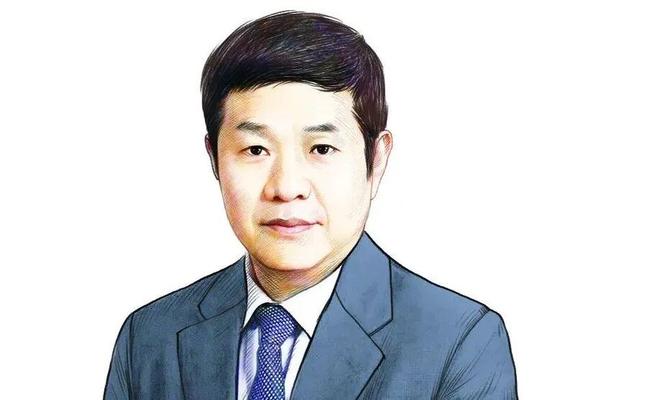
Core Insights - The article discusses the transition from the "14th Five-Year Plan" to the "15th Five-Year Plan" in China, emphasizing the need for economic growth and industrial transformation during this critical period [1][6]. Economic Growth and Modernization - The "15th Five-Year Plan" requires a higher economic growth target compared to the "14th Five-Year Plan," aiming for around 5% growth to achieve a middle-income level by 2035 [6][7]. - As a country approaches modernization, its potential economic growth rate tends to decline, necessitating a focus on high-quality development rather than just quantitative growth [6][7]. Industrial Transformation - Traditional industries must undergo deep transformation, particularly through the integration of artificial intelligence in key sectors such as manufacturing, energy, and consumer goods [2][12]. - The construction of new infrastructure, particularly in computing power, is essential to support the transformation of traditional industries and enhance their competitiveness [2][13]. Technology and Innovation - There is a pressing need to enhance the integration of technological innovation and industrial innovation, focusing on upgrading the industrial foundation and increasing high-quality technological supply [7][8]. - The proportion of basic research funding in overall R&D investment should increase from 8% to around 12% by the end of the "15th Five-Year Plan" to align with international standards [8]. New Infrastructure Investment - Investment in new infrastructure should be accelerated, particularly in areas that support the digital and green transformation of industries [11][13]. - A unified national computing power trading market is proposed to optimize resource allocation and support industrial upgrades [13]. Addressing "Involution" in Emerging Industries - The "15th Five-Year Plan" emphasizes the need to combat "involution" in emerging industries by promoting innovation and limiting subsidies that encourage capacity expansion [15][16]. - A focus on enhancing market regulation and preventing monopolistic practices is crucial to ensure fair competition and protect smaller enterprises [16][17]. Expanding Domestic Demand - Expanding domestic demand is essential to alleviate capacity issues in certain industries, with a shift from investment-driven growth to consumption-driven growth [17]. - The establishment of a unified national market is necessary to facilitate resource integration and collaboration across regions, enhancing overall economic stability [17].
专访黄群慧:推进产业基础高级化,加大新基建投资
21世纪经济报道· 2025-10-19 12:04
Core Viewpoint - The article discusses the transition from the "14th Five-Year Plan" to the "15th Five-Year Plan" in China, emphasizing the need for high-quality economic growth and the transformation of traditional industries while avoiding "involution" in emerging industries [1][5]. Economic Growth and Modernization - The "15th Five-Year Plan" period is crucial for solidifying the foundation for achieving socialist modernization by 2035, requiring an economic growth rate of around 5% to reach the level of moderately developed countries [5]. - As a country approaches modernization, its potential economic growth rate tends to decline, necessitating higher growth expectations for the "15th Five-Year Plan" compared to the "16th Five-Year Plan" [2][5]. Technology and Industry Innovation - There is a pressing need to integrate technological innovation with industrial innovation, focusing on enhancing the modernization of industrial foundations, which includes key components, software, and materials [6]. - The article suggests increasing the proportion of basic research funding from 8% to around 12% by the end of the "15th Five-Year Plan" to enhance high-quality technological supply [6]. Traditional Industry Transformation - The "15th Five-Year Plan" requires a deep transformation of traditional industries, particularly through the empowerment of artificial intelligence, focusing on sectors like equipment manufacturing, electronic information, and energy [10]. - New infrastructure, particularly in computing power, should be prioritized to support the innovation and development of traditional industries [11]. Emerging Industry Development - The article highlights the need for a "反内卷" (anti-involution) approach in emerging industries, emphasizing the importance of directing industrial subsidies towards technological innovation rather than capacity expansion [12][13]. - It advocates for a shift from low-end capacity expansion to creating brand value and enhancing service experiences, thereby fostering a competitive edge based on quality rather than quantity [13]. Market and Regulatory Environment - The establishment of a robust market regulatory framework is essential to prevent monopolistic behaviors in the platform economy and ensure fair competition for small and medium enterprises [14]. - The article calls for a unified national market to facilitate resource integration and collaboration across regions, enhancing the overall business environment for manufacturing companies [14][15].

专访黄群慧:推进产业基础高级化 加大新基建投资丨四中全会预热
2 1 Shi Ji Jing Ji Bao Dao· 2025-10-17 15:32
Core Viewpoint - The transition from the "14th Five-Year Plan" to the "15th Five-Year Plan" marks a critical juncture for China's economic development, emphasizing the need for deep transformation of traditional industries and avoiding "involution" in emerging industries [1][2][3]. Economic Growth Requirements - The "15th Five-Year Plan" period will require higher economic growth expectations compared to the "14th Five-Year Plan," aiming for a growth rate around 5% to achieve a level comparable to that of moderately developed countries [3][4]. - Economic growth must align with high-quality development principles, addressing imbalances and inadequacies in China's development [3]. Industry Transformation - Traditional industries must undergo deep transformation, particularly through the integration of artificial intelligence, focusing on key sectors such as equipment manufacturing, electronic information, and energy [2][8]. - The construction of new infrastructure, particularly in computing power, is essential to support traditional industries' innovation and development [9]. Technology and Innovation - There is a pressing need for the integration of technological innovation and industrial innovation, with a focus on enhancing the modernization of industrial foundations [4][5]. - The proportion of basic research funding in overall R&D investment should increase from 8% at the end of the "14th Five-Year Plan" to around 12% by the end of the "15th Five-Year Plan" [5]. New Infrastructure Investment - Significant investment in new infrastructure is necessary, particularly in information, integration, and innovation infrastructure, to support the digital and green transformation of traditional industries [9]. - A unified national computing power trading market should be established to optimize resource allocation and pricing mechanisms [9]. Addressing Involution in Emerging Industries - The "15th Five-Year Plan" must focus on "anti-involution" strategies, emphasizing technological innovation and limiting subsidies that promote capacity expansion [10][11]. - A collaborative innovation ecosystem should be built, encouraging large state-owned enterprises and research institutions to focus on common technological challenges [11]. Market Regulation and Demand Expansion - A robust market regulation system is needed to prevent monopolistic behaviors in platform economies and ensure fair competition for small and medium enterprises [11][12]. - Expanding domestic demand through improved public services and social security systems is crucial to alleviate capacity issues in certain industries [12].
专访黄群慧:推进产业基础高级化,加大新基建投资丨四中全会预热
2 1 Shi Ji Jing Ji Bao Dao· 2025-10-17 10:56
Core Viewpoint - The article discusses the transition from the "14th Five-Year Plan" to the "15th Five-Year Plan" in China, emphasizing the need for deep transformation of traditional industries and the avoidance of "involution" in emerging industries, while focusing on high-quality economic growth and technological innovation [1][4]. Economic Development Context - The "15th Five-Year Plan" is seen as a critical period for solidifying the foundation for achieving socialist modernization by 2035, requiring an economic growth rate of around 5% to reach the level of middle-developed countries [4]. - As a country approaches modernization, its potential economic growth rate tends to decline, necessitating higher growth expectations for the "15th Five-Year Plan" compared to the "14th" [2][4]. Technological and Industrial Innovation - There is a pressing need to integrate technological innovation with industrial innovation, focusing on enhancing the modernization of industrial foundations, which includes key components, software, and materials [5][6]. - The goal is to increase the proportion of basic research funding from 8% to around 12% of total R&D investment by the end of the "15th Five-Year Plan" [6]. Modern Industrial System Development - The "15th Five-Year Plan" aims to accelerate the construction of a modern industrial system supported by the real economy, emphasizing advanced, digital, green, and integrated development [7]. - The integrity of the industrial system is crucial, with a focus on maintaining key manufacturing capabilities and ensuring a collaborative mechanism for orderly domestic industrial transfer [7]. Traditional Industry Transformation - Traditional industries must undergo deep transformation, particularly through the empowerment of artificial intelligence, focusing on key sectors such as equipment manufacturing and consumer goods [8][9]. - Investment in new infrastructure, particularly in computing power, is essential to support the innovation and development of traditional industries [9][10]. Emerging Industry "Anti-Involution" Strategies - The "15th Five-Year Plan" emphasizes the need for a technology innovation mechanism that shifts enterprise behavior towards value creation, limiting subsidies for capacity expansion and encouraging innovation in standards and branding [11]. - A collaborative innovation ecosystem is encouraged, with large state-owned enterprises and research institutions focusing on key common technologies [11][12]. - The establishment of a market regulatory system is necessary to prevent monopolistic behaviors and ensure fair competition, particularly in the platform economy [12][13].
服务型制造助力“中国制造”加速升级
Guo Ji Jin Rong Bao· 2025-10-16 09:33
Core Viewpoint - The implementation plan aims to promote the development of service-oriented manufacturing from 2025 to 2028, focusing on integrating advanced manufacturing with modern services, optimizing resource allocation, and enhancing the value chain [1][11]. Summary by Sections Service-oriented Manufacturing - Service-oriented manufacturing is defined as a new industrial form that integrates services deeply into the entire lifecycle of manufacturing products, reshaping the value chain and extending the industrial chain [2]. - Previous guidelines have shown some success in promoting service-oriented manufacturing, but challenges remain in key technology supply, standard systems, and application models [2]. Policy Directions - The implementation plan outlines three main policy directions: 1. Encourage R&D of key common technologies in service-oriented manufacturing and publish a technology list. 2. Promote increased innovation investment by enterprises, focusing on integrated R&D and smart operations. 3. Drive the application and iterative upgrade of technological breakthroughs in key scenarios such as shared manufacturing and personalized customization [3]. Development of Productive Services - The plan emphasizes the importance of nurturing key productive service industries, including technology services, industrial design, and various financial and consulting services, to support enterprise innovation and brand development [3]. Application and Promotion - The plan advocates for a categorized approach to promote service-oriented manufacturing across various industries, ensuring that new models are widely disseminated and applied [4]. - It highlights the need to strengthen service-oriented manufacturing in key sectors like new energy vehicles and machinery [4]. Role of Enterprises - Enterprises are identified as the core entities in developing service-oriented manufacturing, with a focus on collaboration between large and small enterprises to foster innovation and digital transformation [5]. - The plan encourages the establishment of public service platforms to enhance service capabilities in consulting, talent matching, and intellectual property [5]. Digital Technology Integration - The integration of digital technologies such as industrial internet, AI, and big data is crucial for transforming manufacturing processes and enhancing service capabilities [6][7]. - The plan emphasizes building new information infrastructure and promoting the fusion of AI with service-oriented manufacturing [7]. Special Actions - The implementation plan includes three special actions: 1. Building shared manufacturing platforms to enhance resource utilization. 2. Cultivating leading service-oriented manufacturing brands. 3. Innovating application scenarios to meet production and consumer demands [8][9]. Institutional Support - The plan calls for improving the institutional framework to support service-oriented manufacturing, enhancing public services, and fostering talent development [10]. - It also emphasizes international collaboration, particularly with countries involved in the Belt and Road Initiative [10]. Global Context - The shift from product-centric to service-oriented solutions is seen as essential for enhancing China's manufacturing competitiveness, with service-oriented manufacturing being a key to unlocking value [11].