托育服务

Search documents
就近入托 托起幸福(迈向“十五五”的民生图景)
Ren Min Ri Bao· 2025-12-09 22:32
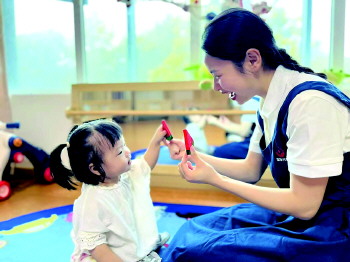
Core Viewpoint - The article highlights the development of inclusive childcare services and the integration of childcare and education, emphasizing the importance of supportive policies and community-based solutions for parents in need of childcare options [1][4]. Group 1: Childcare Services - The "Youyou Home" childcare center in Urumqi provides a supportive environment for children aged 0-3, with a focus on developing self-care skills and independence [3]. - The center is recognized as a public welfare childcare institution, offering services at a cost significantly lower than hiring a nanny, making it accessible for families [3]. - The Urumqi Municipal Health Commission has implemented policies to support the development of inclusive childcare, including subsidies for utilities, which help reduce operational costs for childcare institutions [3][4]. Group 2: Parental Perspectives - Parents like Li Jie express concerns about childcare options, particularly when family support is unavailable, leading them to seek out childcare centers [2][4]. - There is a growing recognition among parents of the benefits of structured childcare methods, which can help children transition smoothly to preschool by enhancing their self-care abilities and establishing routines [4]. - The article notes that the demand for childcare services is driven by both necessity and the desire for quality care, with parents increasingly valuing scientific approaches to childcare [4]. Group 3: Policy and Development - Urumqi has established a supportive policy framework for inclusive childcare, recognizing 20 public welfare childcare institutions and opening 1,730 childcare spots [4]. - The local government is actively promoting community-based childcare solutions, including family-run childcare points and employer-sponsored childcare services [4].
孕“育”于“托”,值得期待(编辑手记)
Ren Min Ri Bao· 2025-12-09 22:32
Group 1 - The core viewpoint emphasizes the importance of childcare services that go beyond mere supervision, highlighting the need for developmental support for children transitioning to preschool [1] - Childcare is identified as a critical necessity for families, addressing immediate needs while also focusing on the cognitive and habit formation of infants [1] - The article stresses the importance of government policy support, standardized services from childcare institutions, and professional training for caregivers as essential components for effective childcare [1] Group 2 - The article advocates for a supportive environment for families, aiming to create a fertility-friendly society through improved and high-quality childcare services [1]
四川成都建设复合型开放型养老机构、打造智慧医疗场景 强化民生保障 描绘幸福图景
Ren Min Ri Bao· 2025-12-09 06:17
Group 1: Healthcare Infrastructure Improvements - Sichuan University West China Hospital experiences nearly 20,000 outpatient and emergency visits daily, leading to significant traffic congestion in the surrounding area [1] - Traffic congestion duration has been reduced from 40 minutes to 10 minutes due to the implementation of a traffic management plan, enhancing patient access to the hospital [1] - Chengdu's "Open Door to Traffic Jam" initiative has addressed 372 traffic bottlenecks across the city, improving overall traffic flow [1] Group 2: Elderly Care Innovations - Chengdu has introduced an "intergenerational care" model, combining elderly care centers with childcare facilities, allowing for shared activities between seniors and children [2][4] - The model has improved community integration, with 80% of elderly residents coming from nearby neighborhoods, enhancing their connection to family and community [2] - Chengdu has established 127 open-type elderly care institutions, offering various services such as meal assistance, cultural activities, and health management [5] Group 3: Education System Enhancements - Chengdu has implemented an immediate enrollment policy for children aged three, allowing them to register at available kindergartens, alleviating pressure on working families [6] - The city plans to add 7,500 public kindergarten spots by 2025, with a total of 149,000 small class seats available across public and private institutions [6] - A 12-year integrated education model is being piloted, allowing students to progress from elementary to high school without facing traditional entrance exams, reducing academic pressure [6] Group 4: Healthcare Service Integration - A two-way referral information platform has been established, allowing patients to transfer between healthcare facilities more efficiently, with 10% of appointment slots reserved for referred patients [8] - The platform is operational in 64 pilot medical institutions across seven districts, enhancing patient access to higher-level care [8] - Chengdu's health information platform has created 30 smart healthcare scenarios, benefiting nearly 9.5 million patients and saving approximately 10.11 million yuan in medical costs [8]
快来“探营”!杭州市婴幼儿照护服务实训基地12月9日起开放
Hang Zhou Ri Bao· 2025-12-09 02:31
Core Viewpoint - The establishment of the Hangzhou Infant Care Service Training Base aims to provide a comprehensive platform for scientific parenting education, addressing the urgent need for quality childcare services and knowledge among parents and caregivers in the city [7][12]. Group 1: Training and Services Offered - The training base covers three main groups: childcare professionals, students, and infant families, offering tailored training and resources for each group [10]. - It provides standardized training for childcare workers, including skills in life care, health management, and emergency response [10]. - The base also features a nutrition kitchen where experts teach parents about infant nutrition and food preparation [11]. Group 2: Community Engagement and Activities - The base hosts interactive parenting workshops, such as the 45-minute nurturing care group activities, which focus on enhancing infants' language and cognitive skills through play [8][9]. - Parents express high satisfaction with the practical and authoritative information provided during these activities, contrasting with unreliable online sources [9]. - The facility is designed to create a child-friendly environment, encouraging exploration and learning for both children and parents [10]. Group 3: Addressing Parenting Challenges - The training base aims to alleviate parenting anxiety by providing professional knowledge and practical skills, particularly for families facing challenges in modern childcare [12]. - It addresses common issues such as delayed language development in infants, often linked to excessive screen time and limited physical interaction [8][9]. - The initiative reflects a broader commitment by the Hangzhou government to improve infant care services and support families, as evidenced by its inclusion in public welfare projects [11][12]. Group 4: Future Directions - The training base plans to enhance the standardization of childcare services and expand its offerings, leveraging technology to provide personalized parenting guidance [13]. - It aims to empower the childcare industry by fostering a network of support for families and professionals, ultimately contributing to the healthy development of infants [12][13].

房山区托育服务指导中心揭牌,将持续提升区域托育服务供给质量
Xin Jing Bao· 2025-12-08 08:45
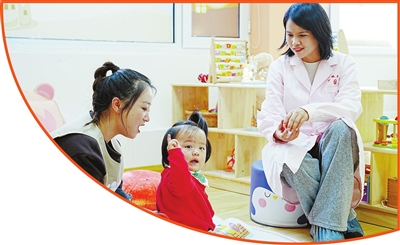
Core Viewpoint - The establishment of the Fangshan District Childcare Service Guidance Center marks a significant step in enhancing the quality and standardization of childcare services in the region, transitioning from basic provision to quality improvement in early childhood education [1][2] Group 1: Establishment and Objectives - The Fangshan District Childcare Service Guidance Center was officially inaugurated to implement national and municipal policies aimed at promoting childcare services for children under three years old [1] - The center aims to develop a comprehensive childcare service system, improve service quality, and provide a reliable resource platform for families [1] Group 2: Key Responsibilities and Functions - The center will focus on four main areas: institutional guidance for industry development, ensuring safety and quality standards, strengthening professional support and talent development, and leveraging digital resources [1] - It will operate under eight key responsibilities to establish itself as a trusted resource for parents and a recognized model in the industry [1] Group 3: Future Plans and Impact - Future initiatives will include increasing the number of childcare spots, diversifying service offerings, and enhancing the overall service framework to meet community needs [1][2] - The center aims to respond to families' expectations for high-quality childcare services, contributing to the healthy growth of infants and promoting balanced population development in the long term [2]
【2025中国经济印记】投资于人就是布局未来
Jing Ji Ri Bao· 2025-12-05 07:36
Group 1 - The core viewpoint of the news emphasizes the importance of investing in people to enhance the quality of life and promote comprehensive human development, which is essential for achieving modernization in China [1] - The "14th Five-Year Plan" suggests a close integration of improving people's livelihoods and promoting consumption, highlighting the need for policies that support both material and human investments [1] Group 2 - Hebei Province has initiated the distribution of childcare subsidies, optimizing processes to ensure timely delivery of funds to eligible families, reflecting a direct benefit to the public [2] - The government plans to establish a universal childcare service system by 2030, aiming for 4.5 childcare spots per 1,000 people for children under three years old by 2025, with a target of adding 660,000 affordable childcare spots [2] - Starting January 1, 2025, families will receive an annual subsidy of 3,600 yuan for each child until they reach three years old, marking the first large-scale direct cash subsidy for public welfare since the founding of New China [2] Group 3 - The Ministry of Civil Affairs and the Ministry of Finance have announced a subsidy program for elderly individuals with moderate to severe disabilities, aimed at reducing their care costs [3] Group 4 - By the end of last year, the average life expectancy in China reached 79 years, with eight provinces exceeding 80 years, indicating a steady improvement in public health [4] - The number of childcare spots is expected to reach 5.737 million by 2024, a 126% increase compared to the end of the "13th Five-Year Plan" [4] Group 5 - The Ministry of Human Resources and Social Security has designated this year as a "Skill Training Year," focusing on enhancing income levels through skill development in high-demand sectors [5] - Training programs are being implemented in emerging fields such as digital talent and advanced manufacturing, as well as in essential services like elderly care and domestic work [5] Group 6 - The "QianNan Nuclear Industry" labor brand is focusing on high-precision and safety standards in the nuclear industry, providing targeted training for skilled workers, particularly in remote areas [6] Group 7 - The report from the Ministry of Civil Affairs indicates that as of last year, there were over 31 million individuals aged 60 and above in China, highlighting the growing demand for socialized elderly care services [8] - The number of people participating in basic pension insurance has increased by 6.39 million from the previous year, with a total of 107.282 million participants [8] Group 8 - The investment in human resources is expected to create significant market opportunities in the silver economy, expanding beyond healthcare to include culture, tourism, and technology, thus fostering innovation and new business models [9]
二十届四中全会名词卡片:医育、医养结合服务
Xin Hua Wang· 2025-11-21 05:44
Core Viewpoint - The article emphasizes the importance of developing integrated medical and elderly care services to address the challenges posed by an aging population, highlighting the need for a coordinated policy framework and collaborative service networks [2][4]. Group 1: Development Strategies - The "14th Five-Year Plan" suggests enhancing the quality of childcare and elderly care services through various measures, including improving basic service supply and optimizing the urban-rural elderly care service network [2][4]. - It advocates for the establishment of a collaborative service network involving multiple healthcare institutions to share resources and enhance service efficiency [5][6]. - The plan includes the formation of clear operational management mechanisms to define responsibilities and ensure effective service delivery [5][6]. Group 2: Implementation Measures - The article outlines the need for inter-departmental collaboration among various government sectors, such as health, education, and social services, to create supportive policies and expand service availability [4][5]. - It highlights the importance of integrating medical services with community health initiatives, ensuring that healthcare providers can offer comprehensive support to both children and the elderly [6]. - The establishment of a safety net for service delivery is crucial, involving regulatory oversight and quality assessment to maintain high standards in integrated care facilities [6].
沈阳3岁以下普惠托位占比达41
Liao Ning Ri Bao· 2025-11-19 00:49
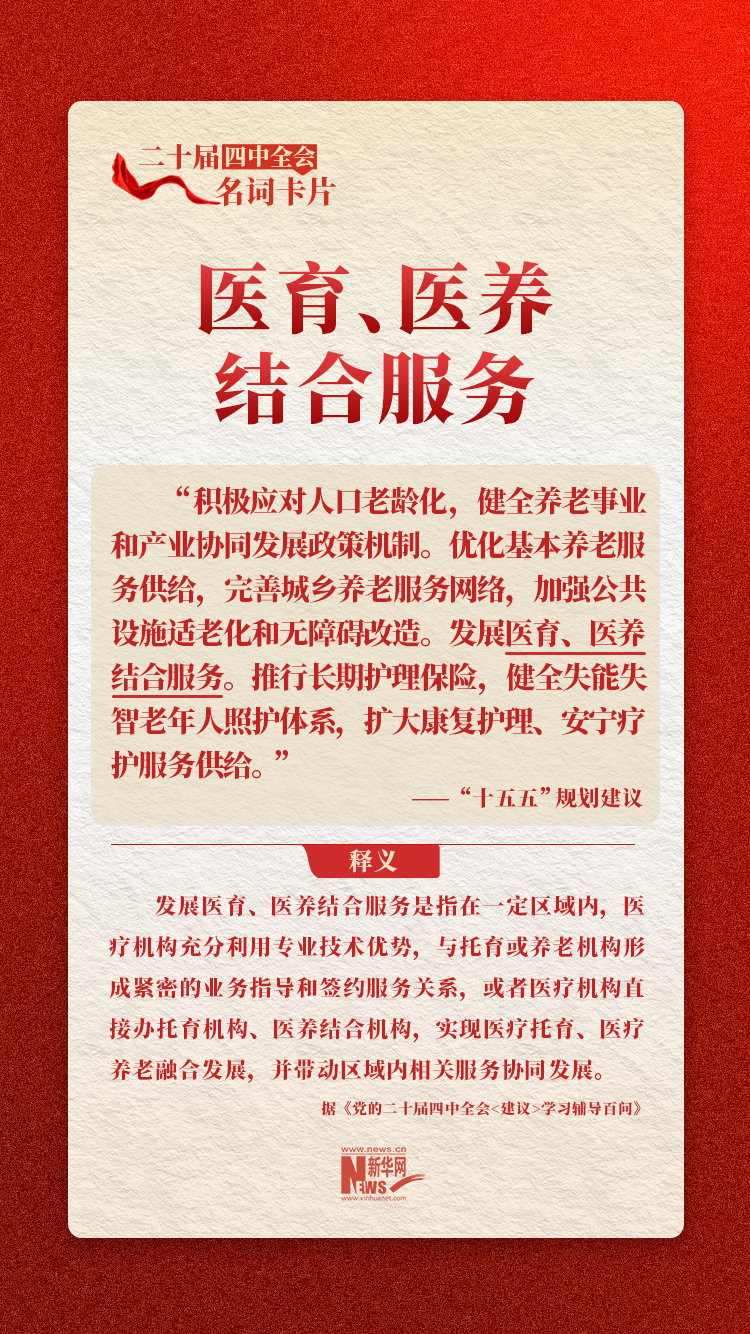
Core Viewpoint - Shenyang is accelerating the construction of a collaborative, policy-intensive, and precision service-oriented childcare service development system to promote long-term balanced population development [1] Group 1: Childcare Service Institutions - As of now, Shenyang has 1,037 childcare service institutions, providing 42,300 spots for children under three years old [1] - Among these, 17,200 spots are inclusive, accounting for 41% of the total [1] - The number of childcare spots per thousand people has reached 4.58 [1] Group 2: Policy Initiatives - The Shenyang Health Commission, in collaboration with multiple departments, has issued eight policy documents to create a comprehensive fertility support system covering planning, investment, venue, subsidies, and operations [1] - A special childcare subsidy policy has been introduced for families with three children [1] Group 3: Operational Support for Childcare Institutions - Shenyang has implemented practical measures to support the operation of childcare institutions, including setting utility prices at residential rates to significantly reduce operational costs [1] - Starting in 2025, Shenyang will initiate the recognition of inclusive childcare service institutions and officially launch the "integrated childcare" pilot program [1] - Subsidies for inclusive childcare spots will be distributed in a tiered manner to encourage more institutions to provide high-quality and affordable childcare services [1] Group 4: Talent Development in Childcare - Shenyang is strengthening the training of professional childcare personnel, with related programs established in 28 universities, including Shenyang Normal University and Shenyang University [1] - The total number of childcare practitioners in Shenyang has reached 13,866 [1]
拱墅区在全市率先开设“周末亲子园”
Mei Ri Shang Bao· 2025-11-17 02:18
Core Insights - The article highlights the successful implementation of integrated childcare services in Gongshu District, showcasing the East New Experimental Kindergarten as a model for addressing parental concerns about childcare and education [2][4][5] Group 1: Integrated Childcare Services - The East New Experimental Kindergarten offers convenient and affordable childcare, with a monthly fee of 1,000 yuan and on-site medical consultations, making it attractive for working parents [1][3] - The kindergarten has a high transition rate from nursery to preschool, with over 80% of children moving directly to the next educational stage without changing institutions, alleviating parents' concerns about continuity [4][5] Group 2: Expansion and Quality Improvement - Gongshu District has completed the transformation of 97 childcare facilities through new constructions and renovations, achieving a coverage of 170 nursery classes, with 96.2% being inclusive [5] - The district's integrated childcare model has increased the proportion of integrated childcare spots to 70%, exceeding the target of 65%, and the number of enrolled children has surged from 525 to 2,679 during the 14th Five-Year Plan [5] Group 3: Professional Development and Community Engagement - A team of six distinguished teachers has been established to train core childcare educators, supported by local universities and research institutions [5][6] - The district has introduced a "Weekend Parent-Child Garden" to provide free early education opportunities for families with children aged 0-3, further extending its childcare services [6]
济宁市托育集团两园所入选“济宁市儿童友好单元”
Qi Lu Wan Bao· 2025-11-14 16:22
Group 1 - The Jining Women's Federation and the Jining Development and Reform Commission have jointly released the list of "Jining Children's Friendly Units," recognizing Jining Childcare Group's Comprehensive Service Center and Shandong University of Technology Kindergarten for their excellent child-friendly facilities and innovative service models [2] - Jining Childcare Group emphasizes the importance of children's participation, encouraging them to express their thoughts and needs, and actively engage in the management and activities of the center [2] - The organization implements a "Little Designer" workshop where children can design their ideal play spaces and conducts monthly "Friendly Little Guardian" activities, promoting responsibility through toy organization and waste sorting [2] Group 2 - The Jining Childcare Group aims to integrate early childhood education with higher education resources, collaborating with Shandong University of Technology and surrounding communities to create a tripartite cooperation model of "Park + Community + School" [2] - The group organizes regular children's health lectures and vocational experience activities to promote the concept of child-friendliness throughout the city [2] - By allowing children to explore various professions through visits to Shandong University of Technology's professional facilities, the group develops a series of engaging and educational courses to support children's diverse development [2]