
旅游业

Search documents
“放”“免”“简” 从大数据里的“动词变化”看海南封关带来的新机遇
Yang Shi Wang· 2025-12-19 02:49
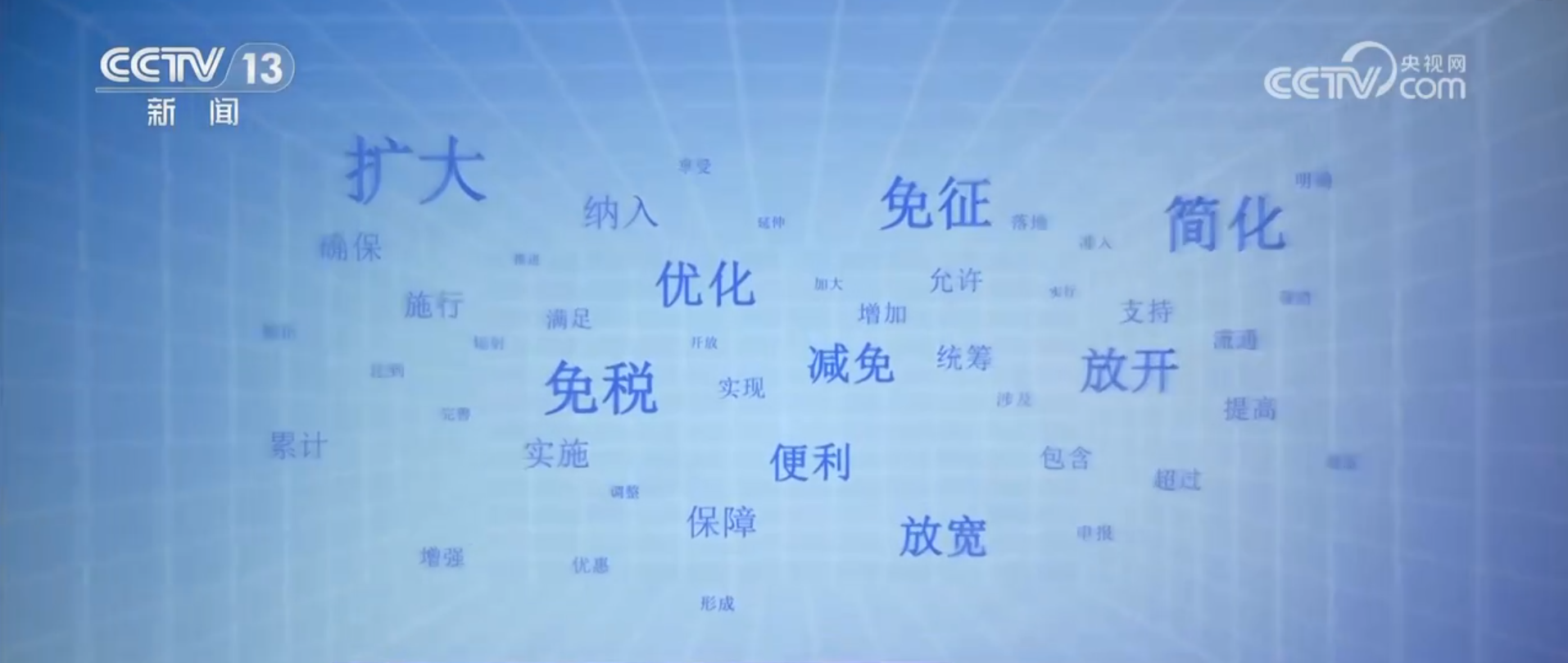
Core Insights - The news highlights the opportunities arising from Hainan's customs closure, indicating a shift in public interest from tourism to development and entrepreneurship in the region [1][3]. Group 1: Opportunities from Policy Changes - The first category of verbs identified in the policy document includes "release," indicating a trend towards loosening regulations and expanding market access, which presents opportunities for individuals looking to work or start businesses in Hainan [5]. - The second category focuses on "exemption," particularly regarding the reduction of costs for businesses. For instance, products that achieve a value-added rate of 30% through local processing can enter the mainland without import duties, encouraging the establishment of complete industrial chains on the island [7]. - The third category emphasizes "simplification," which pertains to the ease of personnel movement and administrative processes. The management of personnel flow between Hainan and the mainland remains streamlined, facilitating easier transitions for individuals [8]. Group 2: Employment and Economic Growth - There has been a notable increase in job postings in Hainan, particularly in roles related to customs, e-commerce, and cross-border services, reflecting the region's evolving economic landscape post-closure [10]. - Ticket bookings for travel to Hainan during the off-peak season have surged by 163% since the announcement of the customs closure, indicating a growing interest in the region beyond tourism [10]. - The number of foreign visitors to Hainan has increased by 26%, with nearly 180 countries represented, showcasing the island's appeal as a destination for both tourism and business [10].

240小时过境免签政策实施一年 世界深度“种草”河南游
He Nan Ri Bao· 2025-12-19 02:08
Core Viewpoint - The implementation of the 240-hour visa-free transit policy at Zhengzhou Airport has significantly boosted inbound tourism, with over 104,000 foreign visitors recorded this year, marking a 50% increase year-on-year, and 75% of these visitors benefiting from visa-free policies [1][10]. Group 1: Policy Implementation and Impact - Zhengzhou Airport was designated as a visa-free transit port on July 15, 2024, and the conditions were further relaxed on December 17, 2024, allowing foreign visitors to stay for up to 240 hours [1]. - The number of foreign visitors entering through Zhengzhou has doubled compared to the same period last year, with nearly 80,000 visitors utilizing the visa-free policies [1][10]. - The "HeNanTravel" initiative has gained popularity, transforming the perception of Henan from a transit point to a destination for in-depth cultural experiences [1][10]. Group 2: Incentives and Marketing Strategies - The Henan Provincial Department of Culture and Tourism, in collaboration with the Finance Department, introduced an incentive program to encourage travel agencies to bring foreign tourists to Henan [2]. - The program includes rewards for travel agencies based on the number of overnight stays by foreign tourists, promoting longer visits [2]. - Various themed travel routes have been developed, such as "One Day 'Song Tide' People" and "Tracing the Origins of Chinese Characters," to cater to diverse tourist interests [4]. Group 3: Visitor Experience Enhancements - Henan has implemented various measures to improve the travel experience for foreign visitors, including multi-language services and cultural interaction opportunities [11][12]. - The introduction of online entry card filling and free Wi-Fi at the airport enhances the convenience for incoming travelers [7][8]. - The province has actively engaged social media influencers to promote its cultural heritage and tourism offerings, effectively reaching a global audience [10][12]. Group 4: Future Development and Opportunities - The 240-hour visa-free policy is seen as a means to enhance Henan's international profile and cultural influence, promoting civilizational exchange [13]. - The demand for foreign language guides is increasing, reflecting the growing interest in Henan's cultural experiences among international tourists [11]. - The focus on deep cultural connections and immersive experiences aligns with global travel trends, presenting an opportunity for Henan to attract more visitors [12][13].

“你好!中国,海南之夜”推介会举行
Hai Nan Ri Bao· 2025-12-19 01:46
"你好!中国,海南之夜"推介会举行 向世界发出自贸港邀约 海南日报海口12月18日讯(海南日报全媒体记者 刘晓惠)12月18日,2025中国国际旅游交易会(以下 简称"旅交会")重要前置活动——"你好!中国,海南之夜"推介会在海口举行。来自全球101个国家和地区 的近千名旅游业界代表齐聚一堂,沉浸式感受海南作为国际旅游目的地的多元魅力。 旅交会将于12月19日至21日在海南国际会展中心举行。在封关的历史节点上,本届旅交会既是全球 旅游业复苏焕新的一次盛会,也是展示中国开放形象、推动文旅深度融合、促进国际交流合作的重要窗 口。 当晚,一系列精心编排的文艺节目,为全球嘉宾带来视觉与心灵的双重享受,生动展现了海南文化 底蕴与旅游体验的深度交融。推介活动在一场名为《海南奇妙夜》的沉浸式情景剧中达到高潮。六位来 自中国、英国、白俄罗斯、印度尼西亚、斯洛伐克、加拿大的"国际旅游推介官",用情景剧演绎了海南 六大精品主题线路,全景式展现了海南"陆海空"立体文旅资源,向全球游客发出了阳光海南的诚挚邀 请。 随着全岛封关正式启动,"零关税、低税率、简税制"以及贸易、投资、资金、人员、运输等方面的 自由便利措施,将更直接、更广泛 ...
海南牢记习近平总书记嘱托全力推进全面深化改革开放和中国特色自由贸易港建设纪实
Hai Nan Ri Bao· 2025-12-19 01:27
Core Viewpoint - The construction of Hainan Free Trade Port is a significant initiative for China's high-level opening-up and is strategically positioned as a key gateway for the country's new era of reform and opening-up [5][10]. Group 1: Historical Context and Strategic Importance - The Hainan Free Trade Port's full island closure is set to officially launch on December 18, 2025, marking a historic milestone in China's reform and opening-up journey [4]. - The initiative is a direct response to the strategic vision laid out by Xi Jinping, emphasizing Hainan's role as a major portal for international trade and investment [5][8]. - Hainan's geographical advantages position it as a critical link between domestic markets and Southeast Asia, enhancing its strategic importance in global trade [6]. Group 2: Policy Framework and Implementation - The "1348" strategic framework has been developed to guide the construction of the Free Trade Port, clarifying its objectives and implementation strategies [9]. - Key policies and regulations, including the "Overall Plan for Hainan Free Trade Port Construction" and the "Hainan Free Trade Port Law," have been established to support the initiative [8]. - The focus on institutional innovation and policy implementation is crucial for attracting domestic and international business to Hainan [12][14]. Group 3: Economic Development and Investment - Hainan's economy has shown significant growth, with an annual increase in foreign direct investment exceeding 1 trillion yuan and a 14.6% annual growth rate [18]. - The province has successfully attracted over 1500 high-tech enterprises, contributing to a modernized industrial system that accounts for 67% of its GDP [21]. - The Free Trade Port is expected to enhance Hainan's economic openness, with trade volume growing at an annual rate of over 30% [18]. Group 4: Social and Environmental Considerations - The development of Hainan Free Trade Port is aligned with improving the quality of life for its residents, focusing on enhancing public services and social welfare [26][27]. - Hainan is committed to ecological preservation, with initiatives aimed at maintaining its natural resources while promoting sustainable economic growth [31][34]. - The province's efforts in environmental protection are reflected in its high standards for ecological civilization, aiming to balance economic development with environmental sustainability [31][32]. Group 5: Future Outlook and Challenges - The launch of the Free Trade Port is viewed as a starting point for deeper integration into the global economy, with ongoing efforts to enhance Hainan's role as a hub for international trade [46]. - Continuous reforms and innovations are necessary to address potential risks and ensure the successful implementation of the Free Trade Port initiative [37][38]. - Hainan's leadership emphasizes the importance of maintaining a stable and secure environment to support the ambitious goals of the Free Trade Port [39][40].
沈阳冲进全国元旦游目的地榜单前四
Liao Ning Ri Bao· 2025-12-19 01:09
冰雪,无疑是沈阳今冬最炽热的邀请函。旅游业内人士认为,随着东北冰雪旅游季进入高潮,整个 元旦假期,以沈阳为代表的东北冰雪游将迎来爆发式增长。京哈高铁成为名副其实的"热力线",从北京 驶向沈阳等冰雪城市的列车备受追捧。 元旦假期的出行热情正化作屏幕上跳动的购票数据。12月17日,跨年火车票开售瞬间,多条热门线 路车票几乎"秒光"。来自同程旅行的数据显示,开售不到半分钟,从北京出发前往沈阳等方向的车次, 黄金时段座位已显示"暂无余票"。 大数据显示,今年元旦假期,人们的出行意愿强烈,平台整体火车票和机票搜索热度较去年同期猛 增303%。目的地榜单前十城市依次为上海、哈尔滨、北京、沈阳、大理、昆明、成都、广州、贵阳、 长沙。 短途跨城出行同样火爆。1小时至3小时车程的火车票十分紧俏,印证了元旦市场长短线交织的出行 格局。值得一提的是,新近开通的沈白高铁,也为元旦探亲流与旅游流增添了新的动力,让更多人能便 捷地领略辽东冰雪风情。 ...
(乡村行·看振兴)浙江黄岩:一片红杉林构建生态共富路
Zhong Guo Xin Wen Wang· 2025-12-19 01:05
Core Viewpoint - The article highlights the transformation of the Changtan Reservoir area in Huangyan, Zhejiang, into a thriving eco-tourism destination, leveraging the natural beauty of the redwood forest to promote local economic development and community prosperity [1][3]. Group 1: Ecological and Economic Development - The Changtan Reservoir, an important water source protection area, has seen the successful planting of over 5,000 acres of water and bald cypress trees since 2008, improving the ecological environment while creating a unique scenic resource [1][3]. - During the peak leaf-viewing season, the redwood forest attracts approximately 1,600 visitors daily on weekdays and up to 6,000 on weekends, indicating a significant influx of tourism [1][3]. - The local economy has benefited from the "leaf-viewing economy," with over 50 "shared prosperity stalls" established near the forest, generating daily sales of local agricultural products amounting to 20,000 to 30,000 RMB [3][4]. Group 2: Infrastructure and Cultural Initiatives - To enhance visitor experience and convert transient tourism into sustained engagement, the local government has initiated the "Shared Prosperity Yangtze River Reservoir Immigrant Leisure and Cultural Tourism Belt" project, focusing on infrastructure improvements such as parking, roads, and parks [4]. - Seasonal cultural activities, including photography and ecological research events, are being organized to deepen the understanding of the ecological and cultural significance of the redwood forest, aiming to elevate it from a seasonal attraction to a cultural landmark [4]. - The local government aims to integrate 11 administrative villages to promote comprehensive development, transforming ecological advantages into sustainable industrial benefits beyond just leaf viewing [4].

海南封关首日见闻:政策红利“有感可及”
Zhong Guo Xin Wen Wang· 2025-12-19 00:57
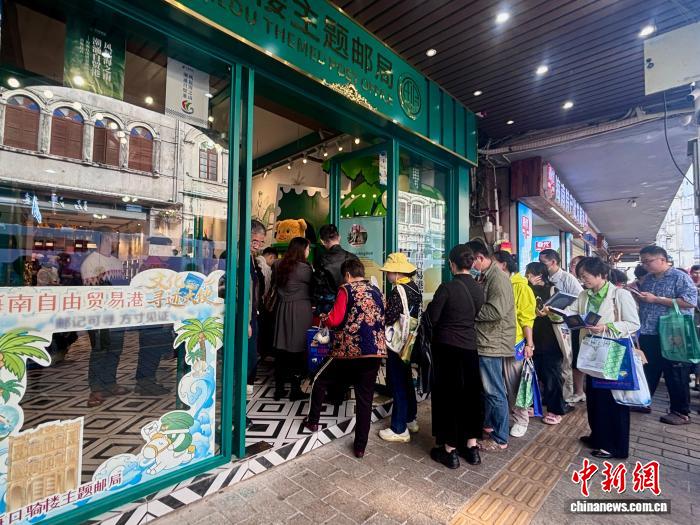
Core Viewpoint - The launch of the Hainan Free Trade Port's full closure on December 18 marks a significant milestone, bringing various policy benefits that are immediately felt by the local population and businesses [3][6]. Group 1: Policy Changes and Economic Impact - The new round of duty-free shopping policy in Hainan allows residents to purchase duty-free goods without limit as long as they have a record of leaving the island within the year, expanding the categories of duty-free items from 45 to 47, including pet supplies and portable musical instruments [3][4]. - The list of zero-tariff items has expanded from over 1,900 to approximately 6,600, increasing the proportion of zero-tariff items from 21% to 74% of all taxable goods [4]. Group 2: Consumer Sentiment and Employment Opportunities - Local residents express optimism about the increased variety and availability of duty-free products, with many noting that international products are now more accessible [3][6]. - The tourism revenue in Hainan has doubled from 95.016 billion yuan in 2018 to an expected 204.014 billion yuan in 2024, indicating a robust growth trajectory in the tourism sector [6]. - The closure is expected to enhance job opportunities, with local drivers reporting an increase in customer demand due to more tourists visiting the island [6][7]. Group 3: Infrastructure and Education Development - Improvements in public services, including education and healthcare, have been noted, with residents benefiting from enhanced access to international educational resources and medical services [6]. - Hainan is positioning itself as a hub for international medical tourism, attracting advanced medical technologies and practices to the region [6]. Group 4: Foreign Investment and Business Environment - Since 2020, over 9,600 foreign enterprises have been established in Hainan, with investors from more than 170 countries and regions, indicating a growing interest in the local market [7]. - The closure enhances Hainan's role as a headquarters base for foreign companies entering the Chinese market, supported by favorable tax policies and an improved entrepreneurial environment [7][8].
中信建投:海南有望成为产业迁移的热土
Zheng Quan Shi Bao Wang· 2025-12-19 00:49
Core Viewpoint - The Hainan closure policy is a significant initiative in China's new round of reform and opening-up, characterized by unprecedented depth in institutional design and broad policy coverage [1] Group 1: Policy Framework - Hainan's free trade port policy system is built on "zero tariffs, low tax rates, and simplified tax systems," which significantly reduces operational costs for enterprises [1] - The financial sector in Hainan adopts a regulatory model of "freeing up the first line and controlling the second line," facilitating the liberalization and convenience of cross-border capital flows [1] - The establishment of the EF account system provides an upgraded infrastructure for financial openness [1] Group 2: Economic Opportunities - The policy dividends are expected to make Hainan a hotspot for industrial migration, with high-end manufacturing, air logistics, and digital economy industries likely to cluster in the region, creating new economic growth points [1] - Hainan's measures to relax visa policies and optimize the tourism environment effectively stimulate overseas consumption and enhance its status as an international tourism consumption center [1] Group 3: Demographic Changes - The relaxation of household registration policies and talent introduction plans in Hainan significantly promote population structure optimization and urbanization processes [1] - The influx of high-quality talent provides strong support for the construction of Hainan's free trade port [1] Group 4: Challenges and Future Outlook - The Hainan closure policy faces risks and challenges from deteriorating international economic and trade relations and rising global trade protectionism, which may restrict population migration [1] - Overall, the Hainan closure policy is expected to significantly enhance Hainan's position in the global value chain and inject new momentum into China's high-quality economic development [1] - Hainan needs to continue deepening policy implementation, strengthening risk prevention, and promoting the continuous achievement of new results in free trade port construction [1]

专访吴士存:应吸引更多世界500强企业入驻海南
21世纪经济报道· 2025-12-19 00:37
记者丨洪晓文 编辑丨张星 2025年12月18日,海南自贸港全岛封关正式启动。封关运作是实施以"'一线'放开、'二线'管住、岛内自由"为基本特征的自由化便利 化政策制度。 "一线"放开,就是将海南自由贸易港与我国关境外其他国家和地区之间作为"一线",实施一系列自由便利进出举措;"二线"管住, 就是将海南自由贸易港与内地之间作为"二线",针对"一线"放开的内容实施精准管理;岛内自由,就是在海南自贸港内,各类要素 可以相对自由流通。 对海南自贸港企业而言,封关运作后多项政策将持续释放红利。"零关税"商品数量将显著增加,覆盖约74%的商品税目,惠及医 药、高端食品加工等重点产业。享惠主体范围也全面扩大,基本覆盖全岛有实际进口需求的各类企事业单位。截至目前,海南自贸 港鼓励类产业条目已扩至1100多个,涵盖生物医药、海上风电、专用汽车制造、绿色建材生产等,相关企业可享受15%的企业所得 税优惠。 海南自贸港封关将给海南乃至全国带来哪些新变化?对国内国际投资者以及区域经贸合作,又有哪些影响?近日,21世纪经济报道 在第六届"海洋合作与治理论坛"期间对华阳海洋研究中心理事长、中国南海研究院学术委员会主席吴士存进行了专访。 ...

中国高水平开放新答卷——从海南自贸港封关看中国制度型开放
Xin Hua She· 2025-12-19 00:06
Core Viewpoint - The launch of the Hainan Free Trade Port's full island customs operation marks a significant step in China's commitment to high-level opening-up and the construction of an open world economy [1] Group 1: Hainan Free Trade Port Development - The Hainan Free Trade Port has implemented a unique customs supervision model characterized by "one line open, one line controlled, and free movement within the island" [1] - Since 2018, the construction of the Hainan Free Trade Port has steadily progressed, attracting both domestic and international enterprises to invest and establish operations [2] - The port's development is seen as a bridge between global markets and China's vast domestic demand, facilitating smoother import and export processes [3] Group 2: International Perspectives - International experts view the Hainan Free Trade Port as a model for high-level openness, providing transparency and compliance for international businesses [4] - The port's favorable policies and geographic advantages are highlighted as key factors attracting global enterprises [5] - The establishment of the Hainan Free Trade Port is seen as a new example of China's commitment to institutional opening-up, which is beneficial for global economic recovery [7] Group 3: Economic Impact - The measures taken in the Hainan Free Trade Port are expected to inject certainty and vitality into the global economy, showcasing China's proactive opening strategy [6] - The port's development is anticipated to enhance the interconnectedness of global supply chains, benefiting both China and the world [7] - The experience gained from the Hainan Free Trade Port is expected to contribute to the continuous expansion of China's high-level opening-up [6]