
养老服务

Search documents
36氪首发丨饿了么联创的新项目「共比邻」完成过亿元A 轮融资,「活力老年」正获资本青睐
3 6 Ke· 2025-07-07 01:50
银发经济近年被普遍认为是极有潜力的大赛道,日本等国家发展出了多家养老上市企业,中国却一直没 能跑出一个明星公司,康嘉认为 "timing" 很重要——疫情结束后的2023年成为银发经济发展真正的元 年,中国60岁及以上户籍人口在这一年,占比突破了20%,往后每年还将增加2500万-3000万人。用康 嘉的话来说,"针对这部分人群的商业模式,得有密度,不然投入成本太高"。 50-70岁的活力退休人群是「共比邻」的主要服务对象。他们经历了改革开放、享受过红利、有一定消 费能力,也赶上了移动互联网的大潮,从规模和习惯上都与「共比邻」十分匹配。 能为中老年人提供理想退休生活的好产品好服务是什么样的?旅行社、老年大学能做的有限,各类 OTA 和社交平台也并非针对中老年人设计。 成立于2021年初的「共比邻」希望用有针对性和标准化的服务满足这类人群的需求。创始人康嘉是饿了 么的联合创始人,曾在阿里集团任职,「共比邻」是他离开阿里集团后重新出发的项目,他想要"再次 找到创业的感觉"。 在首次创业十多年后,康嘉曾有过一段休息的时间,使得其与当时刚退休的父母有了更多相处机会,期 间他发现很多退休人员的生活中有不少痛点。对这类人 ...
北京市朝阳区人大常委会赴远洋椿萱茂调研“老老人”养老服务工作
Xin Lang Zheng Quan· 2025-07-07 01:39
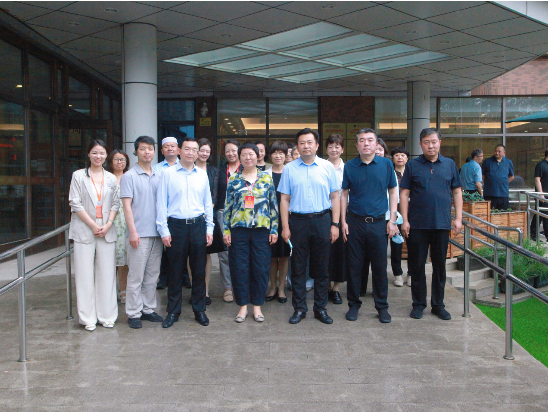
Core Insights - The research team led by Bao Yuefeng, Deputy Director of the Chaoyang District People's Congress, conducted a special investigation into elderly care services for seniors aged 80 and above at Chuanxuanmao (Beijing Shuangqiao) Elderly Apartment [1][3] - The visit highlighted the importance of high-quality elderly care services and the role of Chuanxuanmao as a benchmark institution in the industry [5][7] Group 1: Elderly Care Services - The Chuanxuanmao (Beijing Shuangqiao) Elderly Apartment features specialized areas for elderly residents, professional care zones, and a dedicated floor for dementia care [3][5] - The facility has established a tiered care system for seniors with mild, moderate, and severe dementia, implementing innovative non-pharmacological therapies such as music therapy and horticultural therapy [5] Group 2: Government and Industry Collaboration - The investigation by the Chaoyang District People's Congress signifies the government's commitment to promoting high-quality development in the elderly care sector [7] - Chuanxuanmao aims to enhance its dementia care capabilities while actively taking on social responsibilities, contributing to the establishment of a multi-tiered and sustainable elderly care service system in China [7]

让普惠养老更好融入社区
Jing Ji Ri Bao· 2025-07-06 21:41
Group 1 - The core viewpoint of the articles emphasizes the importance of enhancing and improving people's livelihoods through the development of inclusive elderly care and community services, which is expected to stimulate the silver economy [1] - By the end of 2024, the elderly population aged 60 and above in China is projected to reach 310 million, accounting for 22% of the total population, highlighting the urgency of addressing the needs of an aging society [1] - The shift from "passive aging" to "active health" in elderly fitness models is identified as a key strategy for revitalizing community elderly care services, providing practical examples for service upgrades [1] Group 2 - Various regions are implementing a three-in-one service model combining cultural learning, health exercise, and community operation to create personalized exercise plans for the elderly, enhancing their engagement and well-being [2] - Community-based events, such as fitness competitions, are being utilized to create an ecosystem that links events, services, and industries, thereby increasing the vitality of the silver economy [2] - The integration of cultural tourism and health services, as exemplified by Guangxi Bama, is driving the development of unique projects that not only enhance the experience for the elderly but also convert tourism consumption into lasting value [3]
河口区城乡养老服务综合体项目(怡福苑建设项目)有序推进
Qi Lu Wan Bao Wang· 2025-07-04 14:37
Group 1 - The core project of the Hekou District Urban-Rural Elderly Care Service Complex (Yifuyuan Construction Project) is progressing steadily, aiming to create a comprehensive elderly care community [1][2] - The project covers a total construction area of approximately 29,418 square meters, with 184 rooms and 272 beds, incorporating various functional areas such as full care, semi-care, and self-care [1] - The complex utilizes a "Smart Elderly Care Cloud Platform" that employs AI algorithms to monitor elderly health data in real-time and predict potential risks, embodying the concept of "preventive care" in daily support [1] Group 2 - The Yifuyuan Construction Project aims to establish a demonstration community for elderly care that integrates medical care, emotional support, and cultural enrichment, following a design framework of "one axis leading, three hospitals linking, and multi-node integration" [2] - The project is designed to transition from passive support to active enjoyment of life for the elderly, reflecting a "Chinese-style elderly care" model [2] - The construction includes six above-ground buildings, with the underground portion completed and the main structure expected to be accepted by the end of August, followed by interior and exterior decoration from September to October, and supporting facilities construction and acceptance from November to February of the following year [1]
“跨境养老”步伐加快 大湾区十一城如何高效协同
Jing Ji Guan Cha Wang· 2025-07-04 13:32
Core Viewpoint - The rapid integration of the Guangdong-Hong Kong-Macao Greater Bay Area (GBA) is accelerating the trend of "cross-border elderly care," necessitating enhanced policy coordination and collaboration among the eleven cities in the region [1][2]. Group 1: Current Challenges - The GBA has made progress in medical system guarantees and resource platform construction, but challenges remain due to significant differences in regulations and resource imbalances among cities [2][3]. - The aging population is increasing the demand for diverse and high-quality elderly care services, which are currently mismatched with the available resources [2][3]. - The development of elderly financial products is still in its early stages, with a lack of awareness and complexity in existing products hindering public engagement [3]. Group 2: Development Suggestions - The integration of emerging technologies such as big data, cloud computing, and artificial intelligence is crucial for addressing challenges in cross-border elderly care services [4]. - Recommendations include supporting new technology development, building data platforms for medical data flow, and utilizing blockchain and digital currency in elderly financial integration [4]. - Collaboration between Hong Kong, Macao, and mainland cities in the elderly care sector is essential for creating a standardized and professional service framework [5][6]. Group 3: Future Directions - The GBA should leverage its unique industrial strengths to enhance inter-city collaboration, particularly in smart elderly care and financial services [6]. - The establishment of a comprehensive elderly care ecosystem will not only improve service quality but also stimulate economic growth in the silver economy sector [6].
食品监管走进养老机构,以民生实事检验学习教育成效
Zhong Guo Shi Pin Wang· 2025-07-04 09:41
Core Viewpoint - The recent food safety supervision inspection action by the Chongyi County Market Supervision Bureau aims to enhance food safety management in elderly care institutions, addressing public concerns and ensuring the health and safety of the dining population [1][2] Group 1: Actions Taken - The bureau has implemented a "departmental linkage and integrated management" approach, collaborating with civil affairs and fire departments to conduct special inspections of elderly care institution canteens [2] - A total of 24 law enforcement personnel were dispatched, inspecting 10 elderly care canteens and meal assistance locations since 2025, identifying 32 issues that have all been rectified [2] Group 2: Training and Awareness - The bureau organized food safety training sessions in collaboration with civil affairs, explaining food hazard sources and food poisoning prevention measures, while distributing promotional materials to enhance food safety knowledge among staff [2] - The training emphasized the importance of strict adherence to management systems and included typical case studies to guide personnel in improving food safety practices [2] Group 3: Future Commitment - The bureau will continue to maintain a pragmatic work style, integrating daily supervision with educational initiatives to ensure effective implementation of food safety measures [2]
“青春”守护“银发”,00后涌入养老行业
Hu Xiu· 2025-07-03 09:31
Core Viewpoint - The aging industry, once labeled as a "sunset industry," is being redefined by the younger generation, particularly those born in the 2000s, who are bringing new ideas, technologies, and services to the sector, transforming it into a vibrant opportunity rather than a stagnant field [2][9][12]. Group 1: Industry Trends and Developments - In 2023, 29 new undergraduate programs were added to the directory of ordinary higher education institutions, including "Geriatric Medicine and Health" and "Health and Medical Security," indicating a growing recognition of the needs of the aging population [1]. - By the end of 2024, the population aged 60 and above in China is expected to exceed 300 million, marking a significant demographic shift towards a moderately aging society [10]. - The government has introduced policies to address population aging, highlighting the importance of coordinated development in the elderly care industry, which is entering a critical "window" and "golden period" for growth [10][11]. Group 2: Talent Development and Education - The Ministry of Civil Affairs and 12 other departments have issued guidelines to strengthen the talent pool in elderly care services, focusing on attracting, training, and retaining skilled professionals [4]. - As of 2023, there are over 770 higher education programs related to elderly care, with more than 3,300 vocational programs, reflecting a robust educational response to the aging population [4]. Group 3: Opportunities and Challenges - The aging market presents significant opportunities, including the activation of the silver economy and the potential for technological innovation and industry upgrades [11][20]. - Despite the challenges posed by an aging population, such as increased social security burdens and labor productivity issues, the market's potential remains vast, with a pressing need for innovative solutions [11][20]. Group 4: Young Innovators in the Industry - Young professionals in the elderly care sector are leveraging innovative approaches, such as AI-assisted products and new media strategies, to enhance the quality of care and engagement for the elderly [22][25]. - The experiences of young individuals entering the field highlight a shift in perception, as they aim to create meaningful connections and improve the lives of older adults through empathy and creativity [22][24]. Group 5: Future Outlook - The development of the elderly care industry is ongoing, with a focus on long-term growth and sustainability, as emphasized by young professionals who view their entry into the field as the beginning of significant change [26][27].
北京新建居住区应配建养老服务设施
Bei Jing Qing Nian Bao· 2025-07-03 01:10
Core Viewpoint - The draft regulation on elderly care services in Beijing aims to address the diverse needs of the elderly population through comprehensive reforms and targeted arrangements in various aspects of elderly care [1][2][3] Group 1: Legislative Framework - The draft consists of 9 chapters and 67 articles, focusing on home care, institutional care, integrated medical and nursing services, and smart services [1] - The regulation emphasizes a multi-tiered and comprehensive elderly care service system, considering different age groups, health conditions, and economic statuses of the elderly [1] Group 2: Infrastructure Development - New residential areas are required to include appropriate elderly care facilities in their planning and construction [1] - Existing residential areas with insufficient elderly care facilities must develop improvement plans through urban renewal or other means [1][2] Group 3: Community and Home-Based Services - Community elderly service centers will integrate various service providers to offer a range of support services, including day care, professional care, and home modifications [2] - The draft encourages the establishment of meal assistance points to provide dining services for elderly individuals in need [2] Group 4: Specialized Care Services - The draft supports the creation of specialized institutions for dementia care and mandates a high proportion of nursing beds in new elderly care facilities [3] - It allows for the establishment of medical facilities within elderly care institutions to provide healthcare services to residents [3]
100%就业的冷门专业,年轻人读完就后悔?
Hu Xiu· 2025-07-03 00:07
Core Insights - The article discusses the emerging field of gerontology in China, highlighting the high employment rate of graduates in this sector, yet contrasting it with the challenges and realities faced by professionals in the industry. Group 1: Employment Landscape - 13.35 million students are preparing to fill out college applications, while 12.22 million graduates are entering the job market in 2025 [1] - The gerontology major, established in September 2020, has seen its first batch of graduates in 2024, who are being actively sought after by employers [2][3] - Over 30 elderly care institutions are offering more than 120 positions for just 33 graduates from a specific university's gerontology program, indicating a high demand for professionals in this field [3] Group 2: Industry Challenges - Despite predictions that China will enter a severe aging phase by 2035, there is a paradox where two-thirds of gerontology graduates do not pursue careers in this field [4] - Many graduates face a challenging work environment characterized by high workloads and low pay, leading to a perception that the profession is not worth pursuing [6][25] - The average salary for caregivers in major cities is around 5,000 RMB, which is considered low given the demanding nature of the job [25] Group 3: Educational Experience - The curriculum for gerontology includes a mix of sociology, nursing, and management, but many graduates find that practical experience is more valuable than theoretical knowledge [8][10] - Students often focus on internships to enhance their employability, as they feel that classroom learning does not adequately prepare them for real-world challenges [11][12] Group 4: Emotional and Psychological Impact - Working in elderly care can lead to significant emotional strain, with many caregivers experiencing burnout and psychological challenges due to the nature of their work [26][36] - The emotional toll is exacerbated by the close relationships formed with elderly clients, making it difficult to cope with loss when clients pass away [43][44] Group 5: Future Outlook - The industry is currently facing a labor shortage, with many young people opting for other fields due to the demanding nature of elderly care work and societal perceptions [50][51] - There is a belief that the gerontology sector may become a booming industry in the next 5 to 10 years, but immediate changes are necessary to attract and retain talent [56][58]
涉及健康安全、绿色环保、养老适老等,一批重要国家标准发布
news flash· 2025-07-02 07:13
Group 1: Elderly and Child Care - A total of 7 national standards were released for home-based elderly meal services, rehabilitation aids in elderly care institutions, and convenient services on medical insurance platforms, addressing the needs of elderly care and medical security [2] - 9 national standards were introduced to enhance product packaging safety, particularly for children, including requirements to prevent children from opening packaging [2] - 4 national standards were established to improve the aging-friendly features of products and enhance anti-counterfeiting technology [2] Group 2: Daily Life - 2 national standards were published for oral hygiene products, focusing on calcium silicate and toothpaste abrasion testing methods to protect public oral health [3] - 3 financial service national standards were introduced, including a unique product identification code and descriptions of banking services, supporting financial security and high-level financial openness [3] - 2 national standards were released for emergency management and urban power service continuity guidelines, enhancing emergency response capabilities and promoting resilient city construction [3] Group 3: Emerging Industries - 7 national standards were published in areas such as artificial intelligence, information technology, and the Internet of Things, providing technical support for digital service capabilities [4] - 5 national standards were established for data centers and cybersecurity technologies, facilitating deeper interconnectivity in the digital economy [4] - 2 national standards were introduced for electric earth-moving machinery safety and battery swap systems, aiding the green transformation of traditional industries [4] Group 4: Transportation and Energy - 12 national standards were released for waterway passenger transport services, road traffic signs, fuel consumption evaluation methods for passenger cars, and automotive maintenance, providing technical support for transportation safety [5] - 14 national standards were published for ship soft ladders, propellers, and buoyancy materials for submersibles, enhancing quality and efficiency in the shipbuilding industry [5] - 2 national standards for ethanol gasoline and its blending components were introduced, ensuring the stability of fuel quality [5]