
半导体

Search documents
产业研究双周报:两会牵引新产业,全球科技与实体布局深化-20260309
Guoyuan Securities· 2026-03-09 08:18
Policy Insights - The "Two Sessions" emphasized the importance of building a strong domestic market, with a focus on nurturing new growth drivers, allocating 200 billion yuan for long-term special bonds to support equipment upgrades in 2026[2] - The report introduced the concept of "emerging pillar industries," highlighting integrated circuits, aerospace, biomedicine, and low-altitude economy as key sectors for future development[2] - The removal of the new materials industry from the emerging sectors list indicates its foundational role across various industries, rather than a standalone focus[2] Technological Advancements - The "Two Sessions" introduced the "Artificial Intelligence +" concept, aiming to create a new intelligent economy and promote the commercialization of AI applications across key industries[3] - The Ministry of Industry and Information Technology plans to advance AI products, including brain-computer interfaces and autonomous vehicles, to meet public demand for improved living standards[3] Global Competitive Landscape - The U.S. is accelerating its regulatory framework to restrict AI chip exports without approval, while the EU aims to increase manufacturing's share of GDP to 20% by 2035[6] - South Korea is investing 320 billion won (approximately 2.21 billion yuan) in shipbuilding technology, marking a 23% increase from the previous year[6] Investment Recommendations - Focus on the industrial restructuring outlined in the "Two Sessions," particularly opportunities for state-owned enterprises and large platforms in innovation[7] - Monitor the impact of "AI +" on efficiency in specific sectors and the potential breakthroughs in autonomous vehicles and new AI products[7] Risk Considerations - Potential risks include slower-than-expected economic recovery, policy implementation delays, and geopolitical tensions that could affect market stability[8]





中东油价突破百美元 中国对非零关税5月实施 OpenClaw掀起AI应用热潮
新财富· 2026-03-09 08:16
Group 1 - China will implement a 100% zero-tariff policy on products from Africa starting May 1, aiming to enhance trade cooperation and create opportunities for African products in the Chinese market [1] - International oil prices have reached a two-year high due to production cuts by Middle Eastern countries and the blockade of the Strait of Hormuz, with Brent crude oil closing at nearly $93 per barrel [2] - The U.S. has relaxed some sanctions on Russian oil, allowing India to purchase specific Russian crude, in response to supply shortages caused by conflicts in the Middle East [3] Group 2 - The ongoing conflict in the Middle East has led to a significant increase in international oil prices, with WTI crude futures rising by 18.67% to $107.87 per barrel, marking the first time prices have exceeded $100 since 2022 [4] - The Chinese Ministry of Commerce responded to ASML Netherlands' ban on Chinese employees using office software, emphasizing the need for responsible supply chain management and warning of potential crises [5] - President Xi Jinping outlined four new requirements for economic development during a meeting, focusing on technological breakthroughs, industry collaboration, and reform [6] Group 3 - The China Securities Regulatory Commission announced new regulations on short-term trading, effective April 7, 2026, aimed at facilitating long-term investments [7] - A report from Bank of America indicates that the storage industry is entering a super cycle, with minimal impact from Middle Eastern conflicts, and significant growth in semiconductor exports from South Korea and Taiwan [8] - China's special envoy for Middle East issues met with Saudi officials to promote peace and stability in the region amid escalating tensions [9] Group 4 - Shenzhen Longgang District introduced measures to support the development of OpenClaw, including financial incentives for skill development and project implementation [10] - Tencent's announcement to provide free installations of OpenClaw led to a surge in demand, with hundreds of installations occurring shortly after the announcement [12] - OpenAI's annual revenue has surpassed $25 billion, reflecting a 17% increase from the previous year, while competitor Anthropic has also seen significant growth [15] Group 5 - OpenAI and Oracle have abandoned plans to expand an AI data center in Texas due to financing issues, with Meta considering taking over the project [16] - The release of OpenAI's GPT-5.4 model has caused significant industry disruption, coinciding with a reduction in jobs in the U.S. tech sector [17] - Goldman Sachs reported that AI applications are entering a new phase, with tools like Anthropic's Claude Cowork and OpenClaw marking significant advancements [18] Group 6 - U.S. stock markets experienced collective declines, influenced by geopolitical tensions and rising oil prices, while Chinese concept stocks showed resilience [20] - A-shares also fell, with the Shanghai Composite Index down 0.67%, but energy sectors performed well amid market volatility [21]


英伟达,收尽天下之存储
新财富· 2026-03-09 08:16
Core Viewpoint - Nvidia is positioning itself to potentially become one of the largest storage companies globally by redefining storage systems for its partners, rather than just producing storage chips [2][3]. Group 1: AI and Storage Evolution - The AI race has shifted focus from sheer computational power to addressing the new bottleneck of memory capacity and bandwidth, particularly for handling large amounts of intermediate states in AI processing [5]. - Nvidia's new Rubin architecture introduces a "context memory storage platform" based on BlueField-4 DPU, which aims to revolutionize the storage industry by creating a new storage layer [7][10]. - The Vera Rubin NVL72 rack features four BlueField-4 DPUs managing a dedicated 150TB context memory pool, which serves as a "warm data" layer between GPU's HBM and traditional cold storage [7][10]. Group 2: Storage Architecture Changes - The new architecture allows for a significant increase in effective memory for each GPU, reaching up to 20TB, which is nearly a 200% increase compared to the previous Blackwell architecture [10]. - The three-tier storage system introduced by Nvidia includes HBM4 for hot data, DRAM for warm data, and the context memory storage platform (ICMS) for efficiently storing large KV caches [16][17]. - The ICMS platform reduces the cost of token generation for MoE models to one-tenth of previous costs and enhances inference performance by five times [20]. Group 3: Market Impact and Future Trends - The transformation of NAND flash from a cold storage solution to a critical component in real-time inference calculations will elevate its value and performance requirements [16]. - The demand for NAND due to the new architecture could lead to a significant increase in the overall NAND market, with Nvidia's deployment potentially adding over 115EB of NAND demand [21]. - The shift in storage dynamics is expected to drive a structural upgrade across the entire storage industry, making NAND storage a core hardware component for AI inference [26][27].

每周投资策略-20260309
citic securities· 2026-03-09 07:50
Group 1: A-Share Market Focus - The expected price-driven market trend will continue in March, with specific attention on Juhua Co., Ltd. and Quartz Co., Ltd. [9][18] - The 2026 economic goals set a GDP growth target of 4.5%-5.0%, with a focus on balancing expectations and reality [12][13] - The government emphasizes stable fiscal policies and a moderately loose monetary policy to support consumption and investment [12][13] Group 2: Korean Market Focus - The Bank of Korea is expected to maintain the benchmark interest rate at 2.5% for a longer period, reflecting a cautious approach to economic growth [29][36] - Samsung Electronics and SK Hynix are highlighted as key players in the semiconductor market, benefiting from strong demand and pricing power [42][39] - The HBM supply is expected to remain tight, driven by strong demand from GPU and ASIC clients [38][39] Group 3: Malaysian Market Focus - Malaysia's GDP growth is projected to be strong, with a 2025 forecast of 6.3% growth, marking the best performance since Q4 2022 [52][51] - 99 Speedmart and IHH are identified as key stocks, with 99 Speedmart benefiting from government consumption subsidies and IHH capitalizing on the growing medical tourism sector [59][60] - The overall inflation in Malaysia is expected to remain moderate, allowing the central bank to maintain current policy rates [52][51]
加剧全球缺芯?三星工会本周启动罢工投票
硬AI· 2026-03-09 07:47
Core Viewpoint - Samsung Electronics is facing a potential strike involving approximately 89,000 employees, with demands for a 7% salary increase and the removal of performance bonus caps, which could exacerbate the global chip supply shortage if the strike occurs [2][3][4]. Group 1: Labor Negotiations - Three major unions representing about 89,000 Samsung employees are negotiating with management regarding salary issues and will vote this week on whether to initiate an 18-day strike from May 21 to June 7 [2][3]. - The unions' core demands include a 7% salary increase, the elimination of performance bonus caps, and increased transparency in bonus calculations [3][4]. Group 2: Impact on Semiconductor Supply - The potential strike is set to occur during a sensitive period for the global semiconductor supply chain, as demand is recovering and stability is a major concern [6]. - Samsung is one of the largest manufacturers of storage chips, and any production disruptions could significantly impact the global supply of DRAM and NAND flash memory [6]. Group 3: Historical Context - The planned strike would be the second large-scale work stoppage in Samsung's history, following the first strike in 2024, which did not affect production or management operations [5][6]. - The scale and duration of the upcoming strike are expected to have a more substantial impact compared to the previous one, as it involves a larger number of employees and a longer duration [6].
电子行业周报:存储涨价致消费电子市场承压,博通受益AI需求业绩超预期-20260309
Donghai Securities· 2026-03-09 07:46
Investment Rating - The report maintains a standard rating for the electronics industry, indicating a cautious outlook due to rising storage prices and potential impacts on consumer electronics [4]. Core Insights - The semiconductor industry is experiencing price increases, driven by AI demand, with significant opportunities in specific segments [3]. - Broadcom's Q1 performance exceeded expectations, with AI revenue doubling, and a forecasted 47% revenue growth for Q2, primarily due to increased demand for AI-related products [7][13]. - The consumer electronics market is under pressure from rising storage chip prices, leading to increased average selling prices (ASP) and reduced product specifications [7][13]. Summary by Sections Industry Overview - The electronics sector is facing dual pressures from rising storage chip prices, which are expected to lead to higher terminal prices and reduced specifications in PCs and smartphones [7]. - Global PC shipments are projected to decline by 11.3% in 2026, while smartphone shipments are expected to drop by 12.9%, despite a slight revenue increase due to higher ASPs [7][13]. Company Performance - Broadcom reported Q1 revenue of $19.311 billion, a 29.46% year-over-year increase, with AI revenue reaching $8.4 billion, up 106% [7][13]. - The company anticipates Q2 revenue of $22 billion, a 47% increase year-over-year, driven by strong demand for custom AI accelerators [7][13]. Market Trends - The report highlights a structural shortage in storage due to competition between AI infrastructure and consumer electronics, which is expected to persist into 2027 [7][13]. - The market is seeing a consolidation of market share towards leading manufacturers capable of managing costs and supply chains effectively [7]. Investment Recommendations - The report suggests focusing on structural opportunities in the semiconductor sector, particularly in companies benefiting from strong domestic and international AI demand [8]. - Specific companies to watch include those in the AIOT sector and those involved in semiconductor equipment and materials [8].

2026年紧缺岗位薪资报告2026
Lie Pin· 2026-03-09 06:30
Investment Rating - The report does not explicitly provide an investment rating for the industry Core Insights - The report emphasizes the importance of understanding compensation as a strategic lever for organizational competitiveness and talent value realization, especially in the context of China's economic recovery and labor market dynamics [6][7] - It predicts a rebound in average salary growth to around 5.0% in 2026, with a shift towards differentiated pay for key positions and high performers, marking the end of the era of universal salary adjustments [7][8] - The report highlights the ongoing transformation in the labor market, with a focus on the integration of AI and digital skills, which are becoming critical for employment and compensation strategies [6][9] Summary by Sections Macroeconomic Trends Analysis - The global economy is expected to show resilience in 2026, with growth forecasts adjusted to 3.3% by the IMF, despite ongoing geopolitical tensions and supply chain disruptions [9][10] - China's GDP growth is projected to be between 4.5% and 4.8%, driven by new productivity factors and a shift from traditional infrastructure to high-end manufacturing and technology applications [13][14] - The report indicates that domestic consumption will contribute over 60% to economic growth, with a focus on service consumption and the aging population creating new growth opportunities [14] Labor Supply and Demand Market Information - By the end of 2025, China's total population is projected to be approximately 1.40489 billion, with a labor force of 851.36 million aged 16-59, indicating a rich resource for economic development [20][21] - Talent mobility is shifting towards rational flows based on industry fit and cost of living, with significant cross-regional movement expected to exceed 66 billion trips in 2025 [22][24] - The demand for talent in high-tech sectors is surging, particularly in AI and digital transformation, reflecting a strong alignment with national industrial strategies [28][37] Salary Insights in AI and Key Positions - The AI industry is projected to reach a market size of 452 billion yuan in 2025, with a growth rate exceeding 25%, indicating robust demand for AI-related skills [44][45] - The report outlines significant salary disparities for key positions, with algorithm engineers earning an average of 446,200 yuan, reflecting the high demand for specialized skills in the tech sector [53][54] - It notes that the average salary in major cities like Beijing and Shanghai is significantly higher than the national average, highlighting the competitive landscape for talent in urban centers [56][58] Talent Management and Compensation Trends - The report discusses the transformation of organizational structures due to AI, moving from hierarchical models to more fluid, skill-based frameworks [62][63] - It emphasizes the need for organizations to adapt to a new talent management paradigm that prioritizes skills over traditional job descriptions, driven by AI capabilities [64][66] - The report predicts that the competition for talent will intensify, necessitating innovative compensation strategies to attract and retain high-performing individuals [61][62]
基金双周报:ETF市场跟踪报告-20260309
Ping An Securities· 2026-03-09 06:08
Report Industry Investment Rating - Not provided in the content Core Viewpoints of the Report - As of March 6, the performance of ETF products in the past two weeks varied. Among domestic major broad-based ETFs, CSI 2000 had the largest increase, and among industry and theme products, cyclical theme ETFs had the largest increase. In the past two weeks, among domestic major broad-based ETFs, CSI 500, CSI 1000, and SSE 300 ETFs had the highest net outflows of funds. [2][9] - In the past two weeks, the inflow of funds into pharmaceutical and military ETFs accelerated, the inflow of funds into financial real estate and technology ETFs slowed down, the funds of cyclical and new energy ETFs turned into net inflows, and the funds of dividend, consumption, and other large manufacturing ETFs turned into net outflows. In terms of bond ETFs, the net inflow of convertible bond and local bond ETFs accelerated, the funds of policy financial bond, short-term financing, and treasury bond ETFs turned into net outflows, and the net outflow of credit bond ETFs slowed down. [2] - As of March 6, two new ETFs were established in the market in the past two weeks, with a total issuance share of 1.37 billion, both being stock ETFs. Compared with the end of 2025, the scales of commodity ETFs, industry + dividend ETFs, and QDII-ETFs increased by 42.38%, 20.42%, and 3.21% respectively, while the scales of bond ETFs and broad-based ETFs decreased by 11.04% and 40.92% respectively. [2][24] Summary by Relevant Catalogs ETF Market Review 1.1 Main Types of ETF Fund Flows Overview - The performance and fund flows of different types of ETFs are detailed, including broad-based, industry, and strategy ETFs. For example, among broad-based ETFs, CSI 2000 had a 0.83% return, while SSE 50 had a -1.37% return. In terms of fund flows, SSE 300 had a net outflow of 11.315 billion yuan in the past two weeks. [8] 1.2 Main Types of ETF Cumulative Fund Flows - For broad-based ETFs, in 2025, the fund trend of major broad-based ETFs changed from outflow to inflow and then to outflow, with a significant inflow at the end of the year. In 2026, the funds of major broad-based ETFs continued to have a net outflow, with the net outflow of SSE 300, SSE 50, and A-series ETFs slowing down, and the net outflow of CSI 500, CSI 1000/CSI 2000 ETFs accelerating. [10] - For industry and theme ETFs, in 2025, the cumulative net inflow of technology theme ETFs was significantly ahead, and all industry theme ETFs except military theme ETFs had a cumulative net inflow. Since this year, technology and cyclical theme ETFs have had a significant net inflow. In the past two weeks, the inflow of funds into pharmaceutical and military ETFs accelerated, the inflow of funds into financial real estate and technology ETFs slowed down, the funds of cyclical and new energy ETFs turned into net inflows, and the funds of dividend, consumption, and other large manufacturing ETFs turned into net outflows. [15] - For bond ETFs, since 2025, the net inflow of credit bond ETFs has been significantly ahead, followed by treasury bond ETFs. In the past two weeks, the net inflow of convertible bond and local bond ETFs accelerated, the funds of policy financial bond, short-term financing, and treasury bond ETFs turned into net outflows, and the net outflow of credit bond ETFs slowed down. [15] 1.3 ETF Product Structure Distribution - Two new stock ETFs were established in the past two weeks, with a total issuance share of 1.37 billion. Compared with the end of 2025, the scales of commodity ETFs, industry + dividend ETFs, and QDII-ETFs increased, while the scales of bond ETFs and broad-based ETFs decreased. [24] 1.4 Manager Scale Distribution - As of March 6, Huaxia Fund had the largest on-exchange ETF scale of 72.9052 billion yuan, and the ETF management scale of Guotai Fund has expanded by more than 4 billion yuan since the beginning of the year. [25] Classification of ETF Tracking 2.1 Tracking of Technology Theme ETFs in the Past Two Weeks - Products tracking the Hang Seng Technology Index had the highest net inflow of funds in the past two weeks, while products tracking the CSI Media Index had a net outflow of funds. [30] 2.2 Tracking of Dividend Theme ETFs in the Past Two Weeks - Products tracking the S&P China A-Share Large Cap Dividend Low Volatility 50 Index had the highest net inflow of funds in the past two weeks, while products tracking the Dividend Index had a net outflow of funds. [32] 2.3 Tracking of Consumption Theme ETFs in the Past Two Weeks - Products tracking the China Education and S&P 500 Consumer Select Index had a relatively high premium rate. ETFs tracking the CSI Liquor Index had the highest net inflow of funds in the past two weeks, while products tracking the CSI Tourism Index had a net outflow of funds. [35] 2.4 Tracking of Pharmaceutical Theme ETFs in the Past Two Weeks - ETFs tracking the CSI Medical Index had the highest net inflow of funds in the past two weeks, while products tracking the Medical Device Index had a net outflow of funds. [37] 2.5 Tracking of Large Manufacturing Theme ETFs in the Past Two Weeks - Products tracking the Power Grid Equipment Theme had the highest net inflow of funds in the past two weeks, while products tracking the Robot Index had a net outflow of funds. [40] 2.6 Tracking of QDII ETFs in the Past Two Weeks - Products tracking the Hang Seng Technology Index had the highest net inflow of funds in the past two weeks, while ETF products tracking the Hang Seng China Enterprises Index had a net outflow of funds. [43] Tracking of Popular Theme ETFs 3.1 Tracking of AI Theme ETFs in the Past Two Weeks - AI theme products performed poorly in the past two weeks, with an average return of -5.68%. The products tracking the CS Artificial Intelligence Index had the smallest decline. The funds have been in a net inflow overall since 2025, with a significant inflow from mid-to-late February to April, a continuous outflow from May to August, a significant inflow since mid-to-late August, and a net inflow of 311 million yuan in the past two weeks. [52] 3.2 Tracking of Robot Theme ETFs in the Past Two Weeks - Robot theme products performed poorly in the past two weeks, with an average return of -6.49%. The products tracking the Robot Index had a relatively small decline. The funds have been in a rapid inflow trend since February 2025, and there was a net outflow of 3.099 billion yuan in the past two weeks. [55] 3.3 Tracking of New Energy Theme ETFs in the Past Two Weeks - New energy theme products had mixed performance in the past two weeks, with an average return of 0.27%. The products tracking the Green Power Index had the largest increase. The funds continued to flow out before August 2025, had a significant inflow from August to October, and a significant outflow since late October. There was a net outflow of 3.611 billion yuan in the past two weeks. [60] 3.4 Tracking of Satellite and Commercial Space Theme ETFs in the Past Two Weeks - Satellite and commercial space theme products performed well in the past two weeks, with an average return of 1.68%. The products tracking the Satellite Industry Index had a relatively large increase. The funds had a small inflow in late August 2025 and a significant inflow since mid-to-late December. There was a net inflow of 2.956 billion yuan in the past two weeks. [65] 3.5 Tracking of Commodity ETFs in the Past Two Weeks - Commodity ETFs performed well in the past two weeks, with an average return of 4.52%. The products tracking the Yisheng Energy Chemical A Index had the largest increase. The funds had a significant inflow in April and mid-to-late October 2025, and a net inflow of 16.894 billion yuan in the past two weeks. Since the beginning of this year, gold ETFs have had a significant net inflow, with a significant net outflow on February 3. [73] 3.6 Tracking of ETFs Held by Central Huijin, Guoxin, and Chengtong in the Past Two Weeks - As of June 30, 2025, the scale of ETFs held by Central Huijin, Guoxin, and Chengtong totaled 39.1336 billion shares. In the past two weeks, there was a net outflow of 52.658 billion yuan. The net outflows of Southern CSI 500 ETF, Southern CSI 1000 ETF, and Huatai-PineBridge SSE 300 ETF were among the highest. [76]
老将出山!NVIDIA重启RTX 3060生产,三星产线就绪
是说芯语· 2026-03-09 05:29
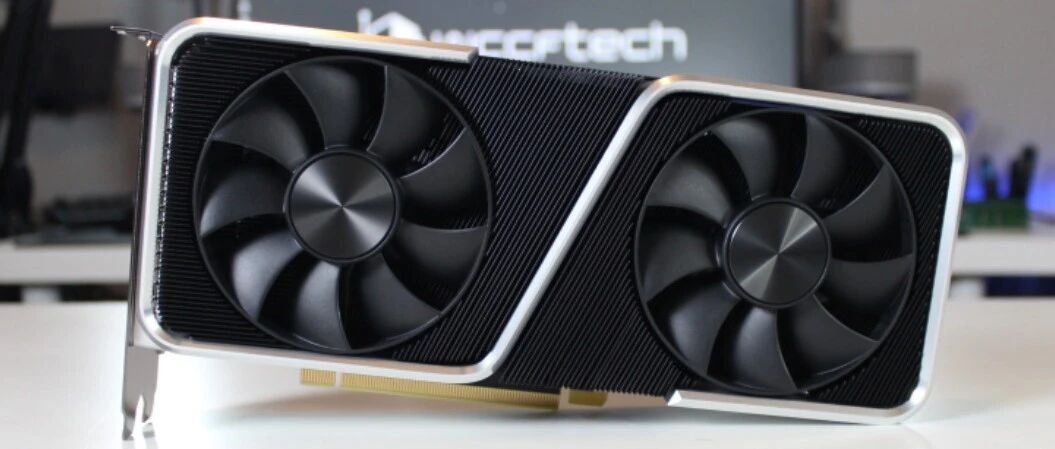
Core Viewpoint - NVIDIA plans to restart production of the GeForce RTX 3060 graphics card to address the current shortage in consumer-grade graphics cards, balancing its AI and consumer business needs [1][4]. Group 1: Reasons for Restarting Production - The primary reason for the restart is the global DRAM memory shortage and the intense competition for semiconductor resources from the AI industry [1]. - The DRAM shortage has significantly impacted the GPU industry, disrupting product release schedules and worsening the supply of popular graphics card models [1]. Group 2: Role of Samsung - Samsung, as NVIDIA's core foundry partner for Ampere architecture graphics cards, is prepared to support the restart of RTX 3060 production with its 8nm production line [4]. - Samsung has a history of providing 8nm process support for NVIDIA, which facilitates a smooth ramp-up of production without technical obstacles [4]. Group 3: Production Strategy and Technology - NVIDIA may adopt a "soft restart" strategy for the RTX 3060, gradually releasing products into the market without a public announcement [4]. - The RTX 3060 is expected to incorporate the latest DLSS 4.5 technology, enhancing gaming performance by optimizing graphics quality and reducing ghosting [4]. Group 4: Future Product Plans - In addition to reviving the RTX 3060, NVIDIA is rumored to be planning the release of a new entry-level RTX 5050 graphics card with 9GB of memory to diversify its product lineup [5]. - These initiatives are seen as pragmatic choices to quickly alleviate supply shortages while maintaining market share amid increasing competition for AI resources [5].
霍尔木兹海峡封锁下的行业影响
2026-03-09 05:18
Summary of Conference Call Records Industry and Company Involved - **Industry**: Global Oil Supply, Aluminum, Semiconductor, AI Investment, Robotics, Aerospace - **Key Focus**: Impact of the Hormuz Strait blockade on various sectors, including oil, aluminum, and semiconductor industries Core Points and Arguments Oil Market Dynamics - The blockade of the Hormuz Strait has resulted in a daily loss of over **15 million barrels** in global oil supply, leading to a significant increase in oil prices, with the TD3C shipping rate reaching a historical high of **$486,000 per day** [1][32] - Current oil price increases are similar to those seen during the 2022 Russia-Ukraine conflict, with prices rising by **30%-40%** [5] - The likelihood of a complete closure of the Strait is low; instead, a "partial blockade" is expected, which would have severe implications for global supply chains [5] - The oil market is currently driven by geopolitical factors, with prices expected to fluctuate significantly due to ongoing tensions [26] Aluminum Industry Impact - The aluminum sector is expected to benefit from the blockade due to disruptions in Middle Eastern supply, which accounts for **10%** of global aluminum production [1][21] - The price of aluminum is projected to exceed **30,000 yuan/ton**, driven by supply chain disruptions and rising energy costs in Europe [25] - The production of aluminum is highly dependent on continuous energy supply, and any disruption could lead to significant production risks [21] Semiconductor Industry Challenges - The semiconductor industry, particularly in Japan and South Korea, faces increased production costs due to high energy dependence on the Middle East [1][16] - The blockade could lead to a rise in semiconductor manufacturing costs and potential shortages, as energy prices and raw material costs increase [16][18] - China's semiconductor industry is expected to be less affected due to its diversified energy supply and lower reliance on Middle Eastern oil [20] AI and Technology Investments - AI investment is projected to remain stable, with North American computing power investments expected to reach **$600 billion** by 2025 and **$1 trillion** by 2026 [1][11] - Geopolitical tensions may cause slight disruptions in investment commitments, but the overall growth trajectory of AI remains intact [10][11] Robotics and Aerospace Sector - The robotics sector is anticipating the release of Optimism V3 in April, with small-scale production expected to begin in Q3 2026 [2][14] - The aerospace supply chain is stable, with demand projected to reach **70-80 GW** [2][15] Market Valuation and Investment Outlook - Chinese assets are currently undervalued compared to the high valuations in the US and Japanese markets, providing a buffer against external shocks [4] - The overall market sentiment is cautious, with concerns about high valuations in risk assets due to potential interest rate hikes [9] Additional Insights - The blockade's impact on energy prices is expected to create opportunities in energy-related sectors, including coal and power equipment [8] - The potential for increased demand for Chinese manufacturing and chemical sectors as they may replace disrupted supply chains from Japan and South Korea [8] - The aluminum market is particularly sensitive to energy price fluctuations, with significant implications for production and pricing strategies [24][25] Other Important but Possibly Overlooked Content - The geopolitical landscape is evolving, with the potential for further escalation in the Middle East affecting global supply chains and market dynamics [26][27] - The long-term sustainability of the Hormuz Strait blockade is uncertain, with pressures from both Gulf states and Iran likely to lead to a resolution [27] - The structural factors in the oil shipping market, including the concentration of shipping capacity, are contributing to elevated shipping rates and market dynamics [34]