
脑机接口

Search documents
新华视评丨警惕脑机接口行业“虚火”上行
Xin Hua Wang· 2025-12-08 11:25
在脑机接口被推至全球科技"聚光灯"下的同时,一些行业"虚火"同样值得警惕。 饭要一口一口吃,路要一步一步走。虽然我国科研团队在脑机接口技术方面实现了诸多突破、走到 了世界前列,但仍有大量前沿问题需要探索。当下对行业发展保持理性客观,显得尤其重要。 记者:何欣荣、谷青竹 编导:季晓庄 新华社音视频部制作 【纠错】 【责任编辑:邱丽芳】 ...
当他第一次握住了那颗葡萄——“脑机接口”照进现实
He Nan Ri Bao· 2025-12-08 11:02
Core Insights - The article highlights the significant advancements in brain-computer interface (BCI) technology, particularly its potential for rehabilitation in patients with motor function impairments due to spinal cord injuries or strokes [1][6]. Group 1: Technological Developments - The brain-computer interface technology is moving towards industrialization, with specific mention of its application in clinical trials in Henan province [1][2]. - A notable clinical trial involved a semi-invasive BCI implanted in a patient, achieving a 95% accuracy rate in decoding motor intentions from brain signals [3][4]. - The technology aims to create a direct communication pathway between the brain and external devices, bypassing damaged spinal pathways [6][7]. Group 2: Clinical Applications - Patients are actively engaged in rehabilitation through BCI, where they can control devices by imagining movements, leading to significant improvements in their motor functions [4][5]. - Over 200 patients have participated in non-invasive BCI rehabilitation programs, demonstrating the technology's effectiveness in restoring motor capabilities [5][11]. Group 3: Research and Development - Collaborative efforts are underway in Henan to advance BCI technology, with partnerships between medical institutions and tech companies focusing on clinical applications and research [9][10]. - The development of BCI technology is seen as a transformative trend in rehabilitation, with ongoing improvements in device comfort and signal acquisition accuracy [9][11]. Group 4: Future Prospects - Experts believe that BCI technology is in its early stages, akin to the "brick phone" era of mobile communication, with expectations for future advancements to lead to more compact, intelligent, and versatile devices [13][14]. - The long-term vision includes establishing clinical standards, developing proprietary BCI devices, and integrating these technologies into comprehensive health management systems [14].
瞭望 | 解码中国侵入式脑机接口崛起
Xin Hua She· 2025-12-08 10:48
Core Viewpoint - The article discusses the advancements in invasive brain-computer interface (BCI) technology in China, highlighting its successful clinical trials and the collaborative ecosystem that supports its development [1][15]. Group 1: Clinical Trial and Technology Breakthrough - China's first invasive BCI clinical trial was successfully conducted, making it the second country after the United States to enter this phase [1][4]. - The trial participant, a male who lost his limbs due to an accident, can control a computer using his thoughts, demonstrating the technology's potential [1][2]. - The invasive BCI system is expected to receive regulatory approval by 2028, aiming to significantly improve the quality of life for patients with severe disabilities [4]. Group 2: Technical Challenges and Solutions - The invasive BCI technology faces three main scientific challenges: signal acquisition hardware, decoding technology, and safety verification [10][11]. - The system utilizes ultra-flexible electrodes to capture high-quality neural signals without damaging brain tissue, achieving a significant reduction in electrode size compared to competitors [11]. - Real-time decoding algorithms enable the system to translate neural signals into computer commands, adapting dynamically to the user's brain activity [12][13]. Group 3: Ecosystem and Collaborative Support - The rapid advancement of China's BCI technology is attributed to a well-structured ecosystem that includes top-level design and collaboration between medical and engineering fields [15][16]. - National initiatives like the "China Brain Project" and local support from Shanghai's government have created a robust framework for BCI research and development [16][18]. - Collaborative efforts among leading hospitals and research institutions have led to numerous clinical trials and the establishment of data-sharing alliances to enhance BCI technology [17][18].

接入人脑,正在中国悄悄爆发
投资界· 2025-12-08 09:44
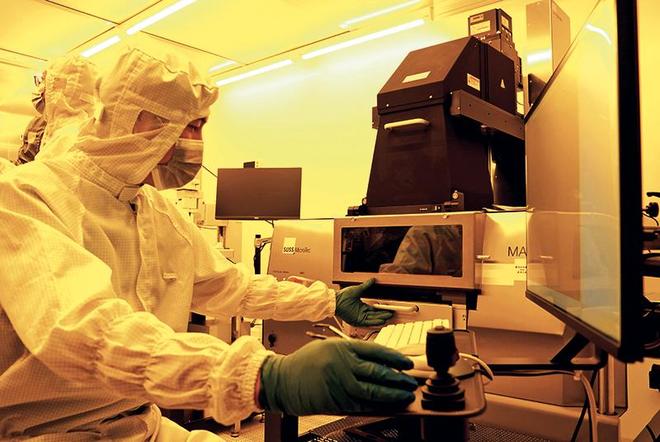
地球知识局 . 人文+地理+设计,全球视野新三观。 合作请联系:xiaobaibai_9999(注明品牌和需求) 以下文章来源于地球知识局 ,作者地球知识局 爆发元年。 作者/浮森黑子 来源/地球知识局 (ID:diqiuzhishiju) 前几天,马斯克抛出一个极具争议的预测:人类能在2 0年内将意识数字化,并上传到特 斯拉的人形机器人Op t imu s 中,达到类似"赛博克隆"的效果。 马斯克这发言在科学界堪称激进,看来未来数年是要死磕脑机接口。 现如今,AI如日中天,但在2 0 2 0年爆发之前,很少有人能预见它今天的盛况。这种现 象在科技前沿并不罕见,许多技术前景远大,但发展时间难以判断,直到爆发临界点到 来,行业外的人才会突然意识到原来它已经完成了蓄力。 今年,类似的迹象再次出现,又一个前沿领域——脑机接口——正被点燃。 脑机接口的爆发 2 0 2 4年至2 0 2 5年,是脑机接口从实验室走向现实的关键两年。 2 0 2 4年1月,马斯克的Ne u r a l i n k公司完成首例人类脑机植入手术。几个月后,受试者 仅凭意念就能控制电脑。这一成果的出现,让脑机接口首次从学术议题变成了可量化、 ...

脑科学与类脑技术领域把握(2025.12.1—2025.12.5):多层次研究与应用需求共振,技术突破驱动认知探索与产业化加速演进
Huafu Securities· 2025-12-08 07:51
Group 1: Core Insights - Brain science has emerged as a strategic high ground in global technological competition, driving advancements in the diagnosis and treatment of major brain diseases like Alzheimer's and supporting breakthroughs in brain-machine interface technologies [2][6][8] - Countries are increasingly incorporating brain science into national technology strategies, with significant initiatives such as the U.S. "BRAIN Initiative," the EU's "Human Brain Project," and China's "Brain Science and Brain-like Research" major project, reflecting a robust investment in research and infrastructure [2][7][8] - The global focus on brain science and brain-like intelligence is expected to continue growing, positioning these fields as key areas for future industrial development and international technological competition [8][9] Group 2: Market Performance - In the pharmaceutical sector, the medical services and traditional Chinese medicine II sub-industries recorded positive returns, with the pharmaceutical commercial sector leading at +5.19% [9][11] - The biopharmaceutical sector's valuation levels showed significant variation, with the highest being for biopharmaceuticals at 87.91 times earnings, while the lowest was for pharmaceutical commerce at 21.61 times [9][12] Group 3: Industry Trends - The recent international conference on artificial hearts highlighted the need for standardized definitions and terminology in the field, with significant participation from Chinese enterprises, indicating a collaborative effort to advance technology and improve clinical evaluations [14][15] - Shanghai is accelerating the development of brain-machine interface technologies, achieving milestones such as the first clinical trials for invasive brain-machine interfaces and the application of non-invasive products in rehabilitation and mental health [17][18]
申万宏源:十五五规划十大投资机会,建议关注人工智能、机器人、航空航天、低空经济、战略资源金属等(图)
Xin Lang Cai Jing· 2025-12-08 04:16
Core Viewpoint - The report by Shenwan Hongyuan outlines ten key investment opportunities during the "14th Five-Year Plan" period, focusing on future manufacturing, information, materials, energy, space, and health sectors [1][14]. Group 1: Future Manufacturing and Information - The robotics industry in China is transitioning from product definition to commercialization, with "Artificial Intelligence +" expected to empower various industries by 2026 [3][16]. - Quantum technology is highlighted as a critical future industry for forward-looking development [3][16]. Group 2: Aerospace and Low-altitude Economy - The aerospace industry is a key focus for the "14th Five-Year Plan," with the establishment of the Space Administration and a three-year action plan to promote high-quality and safe development in commercial aerospace [3][16]. - The drone and low-altitude economy sectors are rapidly forming a clustered development pattern [3][16]. Group 3: Strategic Resources and Metals - Strategic minor metals are receiving policy support, with a joint work plan from eight departments elevating resource security to a strategic level [7][20]. - A table outlines various metals and their applications across different industries, emphasizing their importance in sectors like defense, aerospace, and renewable energy [8][21]. Group 4: Future Energy - The development of controllable nuclear fusion is emphasized as a priority, with significant energy demand driving investments in nuclear power from major companies [9][22]. - The report notes the strategic cultivation of hydrogen energy within the future industrial framework [9][22]. Group 5: Future Health - China's innovative drug development has established global competitiveness in areas like ADC and cell therapy, achieving breakthroughs in both the quantity and quality of research pipelines [11][24]. - Brain-computer interface technology is advancing in clinical applications, with significant progress in medical rehabilitation as a primary commercialization scenario [13][26].


修复瘫痪、增强常人,脑机接口会成未来人类「外挂」吗?
3 6 Ke· 2025-12-08 02:30
Core Insights - The brain-computer interface (BCI) sector is experiencing significant advancements and investments, particularly in Silicon Valley, with companies like Neuralink and Merge Labs leading the charge [1][2] - Chinese companies in the BCI space are taking a more pragmatic approach, focusing on clinical trials and product optimization within a regulated medical framework [1][2] Investment and Financing - Neuralink secured $650 million in funding, reaching a valuation of $9 billion, expanding its focus from severe motor function disorders to include conditions like aphasia and blindness [1] - Merge Labs, founded by Sam Altman, aims to raise $250 million to develop ultrasound technology for reading and modulating brain signals [1] - Synchron raised $200 million in Series D funding, while Paradromics received FDA approval for clinical trials in speech function restoration [1] Clinical Applications - The BCI technology is categorized into three main application areas: brain-controlled output, neural modulation, and sensory reconstruction [4] - The first prospective clinical trial of an invasive BCI system in China was completed by Ladder Medical at Huashan Hospital, with the product entering the "green channel" for expedited regulatory approval [2][4] Future Prospects - The next 5-10 years are expected to see BCI technology transition from medical applications to consumer healthcare, enhancing human-machine interaction and efficiency [5][12] - The potential for BCIs to enable users to control devices through thought alone is highlighted, with implications for both medical recovery and enhanced human capabilities [12][13] Technological Development - Ladder Medical's BCI system utilizes ultra-flexible electrodes, allowing for stable signal collection from the brain, with a minimally invasive implantation process [7] - The second-generation BCI system was recently launched, increasing electrode channels to 256 and expanding application scenarios beyond motor control to include language reconstruction [7] Data and AI Integration - The accumulation of single-cell data from BCIs is crucial for advancing neuroscience and improving product design [8][10] - AI and algorithms are expected to play a significant role in enhancing BCI performance, with the potential to create a foundational model for future patients [10][11] Human-Machine Integration - The relationship between BCIs and AI is seen as a dynamic process, where human intent can guide AI actions, leading to a more integrated human-machine experience [11][14] - The concept of BCIs serving as a bridge between carbon-based and silicon-based life forms is discussed, emphasizing the importance of maintaining human agency in the face of advancing AI [14]
企业“脑”力全开竞逐前沿科技 上海脑机接口产业全链条创新启航
Shang Hai Zheng Quan Bao· 2025-12-07 18:11
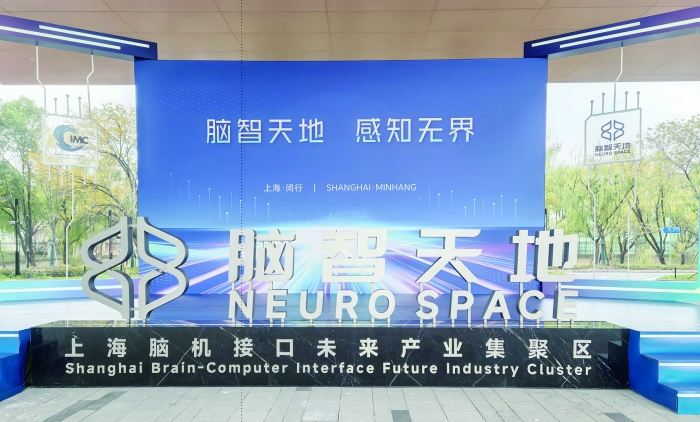
"视觉重建是脑机接口技术临床转化的一个优质场景,其特点是临床需求迫切、临床终点明确。"陈文凯 表示。他还具体阐释了系统的工作原理:"我们的视觉重建系统,创新性地融合了虚拟现实(VR)与脑 机双学习闭环大规模电极刺激。通过植入体内的'RV-IPG'刺激模块与外部'VPU'处理单元协同工作,能 记者 宋薇萍 摄 ◎记者 宋薇萍 近日,在我国首个脑机接口未来产业集聚区——"脑智天地"举行的2025年脑机接口大会上,相关企业纷 纷携新产品、新技术亮相。大会通过全国脑机接口竞技赛、颠覆性技术创新大赛等活动,强化优质项目 发现和加速培育机制,为推进脑机接口前沿技术创新与未来产业发展营造了良好创新环境。 上海市人民政府副秘书长夏科家在致辞时表示,面向未来,上海将持续推动脑机接口前沿技术创新和未 来产业培育。强化高风险高价值基础研究和颠覆性技术创新,推动脑机接口在医疗、教育、工业等更多 领域落地生根。优化完善产业创新生态建设,培育更多具有国际竞争力的企业团队,深化国际交流与合 作,共同推动脑机接口未来产业发展。 企业秀"脑力" 2025脑机接口大会俨然成了企业的"秀场"。 在会场内的核心发布环节,阶梯医疗、景昱医疗、智冉科技 ...
十五五规划十大投资机会:未来产业有哪些?
材料汇· 2025-12-07 15:30
Core Insights - The article emphasizes the development of emerging pillar industries and strategic emerging industry clusters such as new energy, new materials, aerospace, and low-altitude economy, which are expected to create several trillion-yuan markets [1][9]. - It also highlights the forward-looking layout of future industries, promoting quantum technology, biomanufacturing, hydrogen energy, nuclear fusion energy, brain-computer interfaces, embodied intelligence, and sixth-generation mobile communication as new economic growth points, with the potential to recreate a high-tech industry equivalent to another China in the next decade [1][9]. Group 1: Future Industries Overview - Future industries include six major focus areas and ten innovative flagship products, which are crucial for investment direction [2]. - The article outlines four key directions for capital market focus during the 14th Five-Year Plan period: future information, future space and security, future energy, and future health [10]. Group 2: Strategic Emerging Industries - The article discusses the acceleration of strategic emerging industries such as new generation information technology, biotechnology, new energy, new materials, high-end equipment, new energy vehicles, green environmental protection, and aerospace [6]. - It emphasizes the integration of the internet, big data, and artificial intelligence with various industries to foster advanced manufacturing clusters and cultivate new technologies, products, business formats, and models [6]. Group 3: Investment Opportunities - The article identifies ten major investment opportunities, including AI, aerospace, and renewable energy, with specific focus on the development of advanced materials, quantum information, integrated circuits, and intelligent manufacturing technologies [5][14]. - It highlights the importance of the aerospace sector, noting the increasing strategic layout in both China and the US, with initiatives aimed at enhancing commercial aerospace development and reducing regulatory barriers [14][16]. Group 4: Nuclear Fusion and Energy - The article discusses the potential of controlled nuclear fusion as a future energy source, outlining the industry chain that supports its commercialization, including upstream raw materials, midstream equipment manufacturing, and downstream power generation [29][31]. - It contrasts nuclear fusion with nuclear fission, highlighting the safety, sustainability, and environmental advantages of fusion energy [33][35].

周末市场消息精选与板块
Sou Hu Cai Jing· 2025-12-07 15:14
Group 1: Securities Industry Overview - As of September 2025, the total assets, net assets, and net capital of the securities industry are projected to reach 14.51 trillion yuan, 3.27 trillion yuan, and 2.39 trillion yuan respectively, showing significant growth compared to 2021 [2] - The cumulative operating income of the entire industry is expected to exceed 2 trillion yuan, with cumulative net profit surpassing 800 billion yuan [2] - The asset management business scale of the securities industry is anticipated to exceed 9 trillion yuan, and the scale of financial products sold is expected to exceed 4 trillion yuan, reflecting a growth of over 50% since the end of 2021 [2] Group 2: Fund Management Regulations - The draft guidelines for performance assessment of fund management companies have been released, emphasizing performance evaluation and linking various indicators to profitability [3] - Regulatory requirements mandate that senior executives and fund managers increase their investment in their own funds, with at least 30% of their annual performance compensation tied to the purchase of their company's funds [3] - Fund managers' performance compensation will be closely linked to fund performance, with significant reductions in compensation for those whose products underperform benchmarks by over 10 percentage points and have negative profit margins [3] Group 3: Market Trends and Projections - The Chinese cultivated diamond market is expected to exceed 100 billion yuan by 2030, with China currently holding about 63% of the global production capacity [4] - The global first panoramic drone, Yingling A1, recorded over 200 million yuan in sales on its first day, topping sales charts across multiple platforms [5] - OpenAI plans to respond to Google's Gemini 3 with the upcoming release of GPT-5.2, which is now expected to launch on December 9, ahead of its original schedule [6] Group 4: Commodities and Economic Indicators - Citic Securities indicates that the copper price is expected to gradually rise to 12,000 USD/ton by 2028, driven by a weak dollar and strategic importance in global supply chains [7] - The Ministry of Transport and the Ministry of Culture and Tourism have introduced measures to enhance cruise transportation and tourism services [8] - The Ministry of Industry and Information Technology plans to establish a standardization committee for quantum information, focusing on key areas such as quantum computing and communication [10] Group 5: Investment Opportunities - The silver market has seen significant growth, with silver prices reaching historical highs, making it an attractive investment for retail investors [10] - There has been a notable increase in state-owned enterprise mergers and acquisitions, with 265 events reported from January to November, reflecting a 14.22% year-on-year growth [11] - Recent inflation data in the U.S. supports the likelihood of the Federal Reserve lowering interest rates, which could positively impact the stock market [12]
