加密货币

Search documents
今夜 币安币突然暴涨!特朗普宣布赦免赵长鹏!
Zhong Guo Ji Jin Bao· 2025-10-23 16:22
Market Performance - US stock market indices experienced a slight increase on October 23, with the Chinese concept stock index rising approximately 1.5% [2][4] - Major technology stocks saw widespread gains, with notable increases in companies such as Micron Technology (+3.36%), Oracle (+2.90%), and TSMC (+1.56%) [3] Earnings Reports - Over 80% of S&P 500 companies have reported earnings that exceeded expectations, indicating strong overall performance despite individual stock fluctuations [6] - Tesla's stock fell over 1% due to mixed third-quarter results, while IBM's stock dropped 2% despite beating earnings expectations [4] Oil Market and Sanctions - Oil prices surged following new sanctions imposed by the Trump administration on Russian oil companies due to perceived insincerity in peace negotiations regarding the Ukraine conflict [7] Inflation Data - The US Labor Statistics Bureau is set to release the September CPI data, which was delayed due to government shutdown, providing crucial inflation insights ahead of the Federal Reserve's policy meeting [8] - Economists predict a 0.3% increase in core CPI for the third consecutive month, maintaining a year-over-year rate of 3.1% [8] Binance and Regulatory Developments - Former President Trump granted a pardon to Binance founder Zhao Changpeng, potentially paving the way for Binance's return to the US market after previous legal issues [9][10] - The pardon may lead to the early conclusion of a three-year external monitoring period imposed by the Department of Justice, which aimed to ensure compliance with US financial crime laws [11] - The news of the pardon caused a significant spike in Binance Coin's price [11]


今夜,突然暴涨!特朗普,宣布!
中国基金报· 2025-10-23 16:15
Core Viewpoint - The article discusses the recent performance of the U.S. stock market, particularly the rise in major tech stocks, and highlights the implications of Trump's pardon of Binance founder Zhao Changpeng on the cryptocurrency industry [2][11]. Market Performance - On October 23, the three major U.S. stock indices experienced slight increases, with the Chinese concept stock index rising approximately 1.5% [3][2]. - Tech stocks generally saw gains, with notable increases in companies such as Micron Technology (+3.36%), Oracle (+2.90%), and TSMC (+1.56%) [5][6]. - Over 80% of S&P 500 companies have reported earnings that exceeded expectations, suggesting that overall earnings may support high stock prices in the short term [8]. Economic Indicators - The U.S. Labor Statistics Bureau is set to release the September CPI data, which was delayed due to the government shutdown. This data is crucial for the Federal Reserve's upcoming policy meeting [9]. - Economists predict that the core CPI, excluding food and energy, will rise by 0.3% for the third consecutive month, maintaining a year-over-year rate of 3.1% [9]. Federal Reserve Policy - Despite inflation remaining above the Federal Reserve's target, a weak labor market is expected to lead to a second interest rate cut this year following the meeting on October 28-29 [10]. Cryptocurrency Industry - Trump has pardoned Zhao Changpeng, the founder of Binance, which may pave the way for the company's return to the U.S. market after being banned due to violations of anti-money laundering regulations [12][13]. - The pardon is seen as a significant development for Binance, which has faced scrutiny and a record $4.3 billion fine from the U.S. Department of Justice for being a major money laundering hub [16]. - The news of the pardon led to a surge in Binance Coin's price [17].

欧盟通过对俄新制裁方案,从2027年起禁止进口液化天然气,首次将加密平台纳入制裁
Hua Er Jie Jian Wen· 2025-10-23 07:12
据央视新闻,当地时间23日,欧盟外交与安全政策高级代表卡拉斯宣布,欧盟正式通过对俄罗斯第19轮制裁。 当天早些时候,欧盟成员国就第19轮对俄制裁措施达成一致。根据欧盟委员会此前发表的声明,本轮对俄制裁主要涉及能源、金融等领域。欧盟 将从2027年起禁止俄罗斯液化天然气进入欧洲市场,并将俄罗斯原油价格上限下调至每桶47.6美元;俄罗斯石油公司、俄罗斯天然气工业石油公 司将面临全面交易禁令;欧盟将扩大对俄罗斯等国金融机构的交易禁令,并首次将加密货币平台纳入制裁。 报道说,在能源价格、减排目标、本国汽车产业等方面的诉求得到满足后,斯洛伐克成为最后一个同意本轮制裁措施的欧盟成员国。 受此消息影响,国际油价周四延续涨幅,目前涨超3%;天然气价格涨幅不大。 华尔街见闻此前提到, 在与俄罗斯的外交努力陷入僵局后,特朗普政府采取了迄今为止最严厉的经济施压措施,首次对俄罗斯最大的两家石油公 司——俄罗斯石油公司(Rosneft)和卢克石油公司(Lukoil)实施制裁。 分析认为,此次制裁的核心目标是"削弱"俄罗斯的资金流。 随着Rosneft和Lukoil被列入名单,美国现已对俄罗斯全部四家最大的石油公司实施了制裁。其中,Ro ...
“散户热钱”搅动全球资产:从meme股、加密货币到黄金,波动性成新常态
Zhi Tong Cai Jing· 2025-10-23 06:44
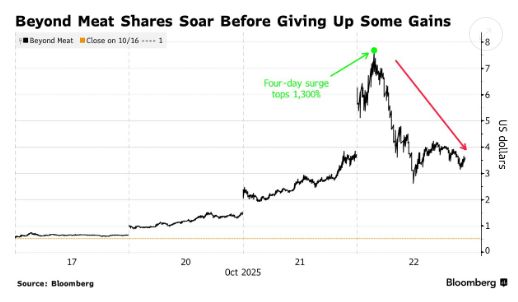
Group 1 - The core observation is that retail investors are becoming a dominant force in the market, often chasing trends and creating volatility, as seen in the recent surge and subsequent drop in stocks like Beyond Meat and quantum computing companies [1][3] - Retail trading volume has significantly increased since the introduction of commission-free trading in 2019, with average daily trading volume reaching approximately 12 billion shares, a 75% increase compared to the previous six years [3][6] - Retail investors are particularly drawn to low-priced stocks and options trading, with a record demand for call options noted, indicating a strong bullish sentiment among non-professional investors [6][7] Group 2 - Retail investors have found profitable opportunities in large-cap stocks, with a basket of favored stocks rising 55% year-to-date, outperforming the S&P 500's 14% increase [7] - The volatility in popular stocks is evident, as the top 10% of performing stocks from August to mid-October have since averaged a decline of 5.7%, while the remaining 70% of stocks have increased [7] - The influx of retail capital is also impacting unconventional assets, with significant investments in cryptocurrency ETFs attracting $47 billion this year, and options-focused ETFs seeing nearly $10 billion in new funds [7][8]
为什么没人确切知晓特朗普家族如今到底赚了多少钱
3 6 Ke· 2025-10-22 11:59
Core Insights - The article discusses the financial activities of Donald Trump's business network, particularly focusing on DT Marks Defi LLC, which has received significant funding, raising questions about the true beneficiaries of these funds [2][4]. Group 1: Company Structure and Ownership - Trump held a 70% stake in DT Marks Defi LLC, which owns 75% of the cryptocurrency project World Liberty Financial, while the remaining 30% is speculated to be held by unnamed family members [3]. - A mysterious agreement surfaced around the time of Trump's inauguration, indicating that the Trump family was selling shares of an unspecified company, likely DT Marks Defi, which may have altered its ownership structure [3][4]. Group 2: Financial Performance and Investments - From January to March, investors purchased approximately $440 million worth of World Liberty tokens, with 75% of that amount ($330 million) directed to DT Marks Defi [4]. - In April, DWF Labs bought $25 million in tokens, with about $19 million going to DT Marks Defi, indicating strong investment interest [5]. - A significant investment plan was revealed, where a UAE investment agency intends to use USD1 stablecoin to invest $2 billion in a cryptocurrency exchange, potentially benefiting World Liberty with billions in deposits and millions in annual interest [5]. Group 3: Revenue Estimates and Future Projections - Forbes estimated that the Trump family could have earned around $1 billion from these transactions, with Donald Trump Jr., Eric Trump, and Barron Trump potentially receiving about $150 million [7]. - The actual earnings depend on the specifics of the January agreement, including how much equity was sold and at what price, with many unknowns surrounding the valuation and potential buyers involved [7].

“太子集团”在韩银行超910亿韩元资产被冻结,旗下银行大批人排队取钱
Mei Ri Jing Ji Xin Wen· 2025-10-22 08:44
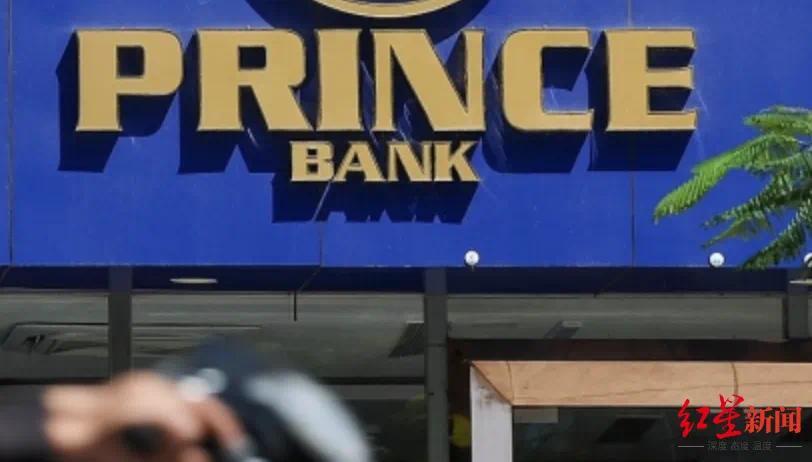
Core Viewpoint - The recent sanctions imposed by the UK and the US on Cambodia's Prince Holding Group and its founder Chen Zhi have triggered a liquidity crisis at Prince Bank, leading to mass withdrawals by customers and operational disruptions at several branches [1][3][6]. Group 1: Sanctions and Immediate Impact - Following the sanctions from the UK and US, the South Korean government is also considering financial sanctions against the Prince Group, with plans to implement them within the month [3][7]. - Prince Bank, one of Cambodia's largest commercial banks, experienced a surge in withdrawal requests, resulting in some branches halting transactions due to liquidity issues [6][7]. - The US Department of Justice has seized nearly 130,000 bitcoins linked to the Prince Group, valued at approximately $15 billion, while Chen Zhi remains at large [3][6]. Group 2: Financial Details and Asset Freezing - Reports indicate that the Prince Group has conducted 52 transactions involving over 197 billion Korean won (approximately $150 million) across five South Korean banks [7]. - Currently, over 91 billion Korean won (approximately $68 million) of the Prince Group's assets are frozen in various South Korean banks, including significant amounts in Kookmin Bank and Jeonbuk Bank [7][8]. Group 3: Criminal Activities and Money Laundering - Chen Zhi has been linked to a complex money laundering operation involving forced labor and cryptocurrency scams, with the group reportedly operating at least ten fraudulent labor camps in Cambodia [9][11]. - The Prince Group employs sophisticated techniques for laundering illicit funds, including the use of "money houses" and cryptocurrency mining operations to disguise the origins of their income [11][15]. - The group has been involved in online gambling operations, continuing to function despite a ban in Cambodia, utilizing mirror sites to launder funds from scams [16].
遭美国没收150亿美元比特币后,柬埔寨“太子集团”在韩银行超910亿韩元资产被冻结,旗下银行大批人排队取钱,夜店也已关门
Mei Ri Jing Ji Xin Wen· 2025-10-22 07:55
Group 1 - The core issue revolves around the panic among Cambodian customers of Prince Bank, leading to a bank run after sanctions were imposed by the UK and US on the Prince Holding Group and its founder Chen Zhi [1][3] - Prince Bank, one of Cambodia's largest commercial banks, faced a liquidity crisis, with multiple branches halting transactions due to a surge in withdrawal requests [6] - The South Korean government is considering financial sanctions against the Prince Group, with reports indicating that over 910 billion KRW (approximately 685 million CNY) of the group's assets have been frozen in South Korean banks [8][9] Group 2 - Chen Zhi, the founder of Prince Group, has been implicated in a complex money laundering scheme involving forced labor and cryptocurrency scams, with significant illegal profits being funneled through various channels [10][11] - The group has established a sophisticated money laundering system, utilizing techniques such as "spraying" and "funneling" to obscure the origins of illicit funds [11][12] - The US Treasury has disclosed that at least $4 billion in illegal funds were laundered through Huione, a key entity in the Prince Group's operations, highlighting the scale of the group's financial misconduct [16]
比特币“安全神话”破灭:电诈集团150亿美元比特币被美国政府查获,分散在25个钱包却被“一锅端”,怎么做到的?专家解读
3 6 Ke· 2025-10-22 01:00
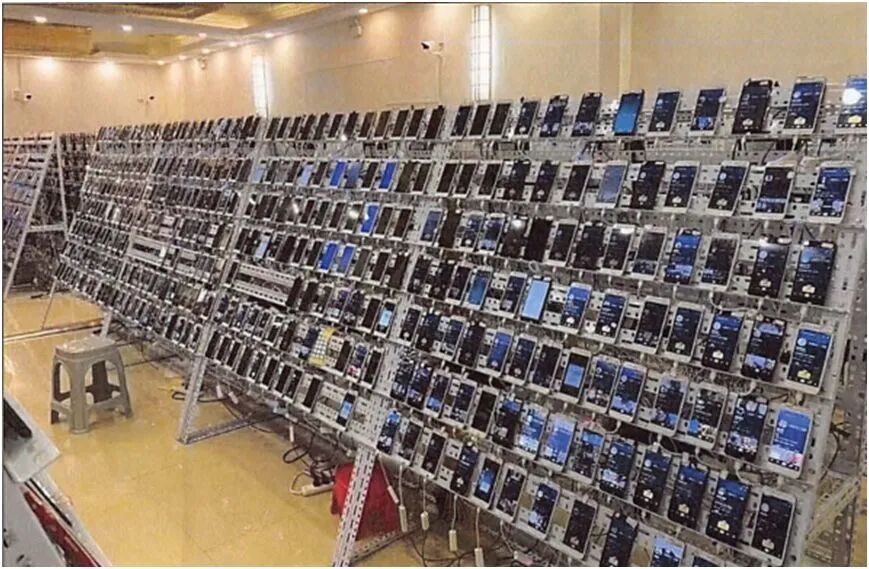
Core Viewpoint - The U.S. Department of Justice has filed criminal charges against Chen Zhi, founder and chairman of Prince Holding Group, and initiated a civil forfeiture lawsuit to seize approximately 127,271 bitcoins valued at up to $15 billion, which are linked to illegal activities such as telecom fraud and money laundering [1][4][5]. Group 1: Legal Actions and Seizures - The case represents one of the largest financial crackdowns in U.S. history and marks the highest quantity of bitcoins ever seized [5]. - The DOJ has confirmed that the seized bitcoins are derived from illegal activities, specifically telecom fraud and money laundering [4]. - The bitcoins are stored in 25 non-custodial wallets controlled by Chen Zhi, which the U.S. government has successfully locked down [1][12]. Group 2: Criminal Operations - Chen Zhi allegedly operated at least ten forced labor scam centers in Cambodia, using a vast business network to facilitate large-scale cryptocurrency investment scams, resulting in losses of billions [5]. - The operation included a "mobile farm" with 1,250 phones controlling approximately 76,000 social media accounts to maximize scam efficiency [5]. - The U.S. Treasury reported that losses from online investment scams have steadily increased, exceeding $16.6 billion, with an estimated $10 billion lost in 2024 alone due to Southeast Asian scams [5]. Group 3: Money Laundering Techniques - Chen Zhi established a complex money laundering system, utilizing "money houses" to process illicit funds through techniques like "spraying" and "funneling" [6][7]. - The "spraying" technique involves breaking large sums into numerous smaller amounts to obscure the original source, while "funneling" consolidates these amounts back into fewer addresses [7][8]. - The group also used cryptocurrency mining as a means to launder illegal proceeds, claiming that profits were derived from scam victims [10][11]. Group 4: Technical Aspects of Asset Recovery - Experts speculate that the U.S. government may have gained access to the private keys through various means, including cooperation from insiders or exploiting software vulnerabilities [16][17]. - The FBI's success in tracing these assets is attributed to advanced blockchain analysis techniques, including the use of graph neural networks and multi-source data integration [14][15]. - The case challenges the notion that non-custodial wallets are immune to government intervention, demonstrating that effective asset recovery is possible through a combination of on-chain tracking and off-chain evidence collection [18][19]. Group 5: Regulatory Implications - The case highlights the need for a comprehensive regulatory framework to combat virtual currency money laundering, emphasizing the importance of legislation, technology, international cooperation, and industry self-regulation [19][20]. - Regulatory efforts should focus on integrating new asset classes like NFTs and DeFi into anti-money laundering laws, enhancing monitoring capabilities, and fostering collaboration among financial intelligence units globally [19].
牛市狂欢中,为何受伤的总是散户?
Sou Hu Cai Jing· 2025-10-21 23:49
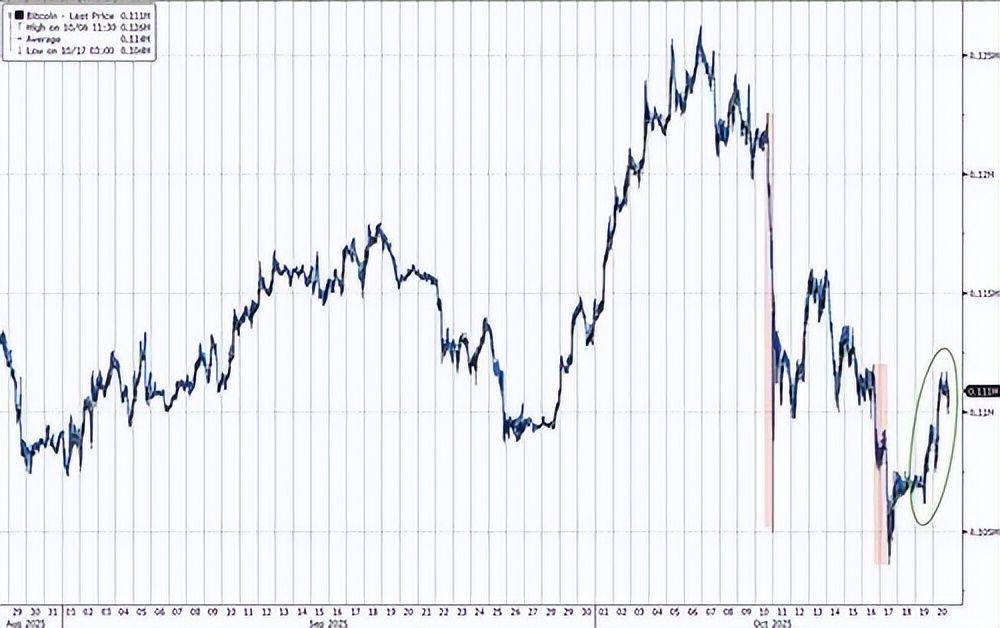
Core Insights - The Japanese Financial Services Agency is considering allowing banks to directly invest in cryptocurrencies like Bitcoin, which has led to a rebound in Bitcoin prices, surpassing the $110,000 mark [1] - Historical data shows that retail investors often suffer significant losses during bull markets, with an average loss of -60% during the 2015 bull market [3] - Behavioral finance explains why investors continue to take risks despite knowing the potential downsides, highlighting phenomena such as herd mentality, loss aversion, and confirmation bias [7] Market Analysis - The 2007 bull market lasted 553 days, with 207 days showing declines, while the 2015 bull market had 212 down days out of 495 trading days, indicating that downturns are common even in rising markets [3][5] - The adjustment in bull markets can be severe, as evidenced by a 22% drop in just six days during the 2007 market [5] - The data from the 2015 market shows a starting price of 4272.11 and an ending price of 3767.10, reflecting an 11.8% decline [6] Institutional Insights - Institutional investors hold the pricing power in the market, and understanding their behavior is crucial for making informed investment decisions [7][10] - A comparison of two stocks illustrates the importance of recognizing institutional activity; one stock showed resilience despite fluctuations, while the other faced continued declines despite apparent rebounds [10][13] - The rise of digital assets is underscored by a 3.5-fold increase in cryptocurrency accounts over five years, indicating a shift in the financial landscape [13] Strategic Takeaways - The evolution of financial markets necessitates that investors adapt and utilize tools that provide clarity on market dynamics [14] - Recognizing the importance of data over expert opinions can lead to better investment decisions in an era of information overload [13][14] - The current situation in Japan, with a debt-to-GDP ratio of 240%, highlights the challenges facing traditional financial systems and the growing significance of digital assets [13]
加密货币会议来临,币圈牛市时间表锁定,散户忽视的三大信号
Sou Hu Cai Jing· 2025-10-21 17:40
Core Insights - The Federal Reserve's recent payment innovation conference led to a decline in Bitcoin and Ethereum prices, indicating a "good news is bad news" phenomenon as the discussions were not directly relevant to mainstream cryptocurrencies [1][3] Regulatory Developments - Regulatory upgrades were a primary focus, with the potential introduction of a "federal crypto license" to replace the fragmented state-level money transmission license system, which may accelerate the elimination of smaller trading platforms due to rising compliance costs [3] - The SEC may issue "non-security statements" for the top 50 tokens, facilitating the entry of major asset management firms like BlackRock and Fidelity, with Bitcoin ETF sizes expected to exceed $500 billion, gradually gaining market pricing power [3] Market Dynamics - The cryptocurrency market experienced a significant crash on October 11, 2025, but institutional inflows into Bitcoin and Ethereum ETFs from October 12 to 15 amounted to $2.71 billion and $488 million, respectively, indicating that institutional investors are capitalizing on lower prices [4] - Institutional holdings of Bitcoin increased from 15% in 2022 to 32% in October 2025, with major institutions like Grayscale and BlackRock holding 18% of the total [6] Macroeconomic Factors - The market anticipates a 99% probability of a 25 basis point rate cut in October, with the Fed potentially ending its balance sheet reduction and lowering reserve rates, which could release trillions in liquidity [8] - Historical data shows that during the last rate cut cycle in 2020, Bitcoin surged from $7,000 to $28,000, a 300% increase [8] Liquidity and Timing - There is a time lag in the liquidity release from rate cuts and balance sheet adjustments, which may lead to speculative trading ahead of actual implementation, potentially causing short-term corrections post-announcement [9] Technological Innovations - Ethereum's Shanghai upgrade has stabilized staking yields at 4.2%, attracting over 28 million ETH, or 22% of the circulating supply, while Bitcoin's Lightning Network transaction volume surpassed $1 billion in September 2025, a 35% month-over-month increase [11] - The Trump administration's "Bitcoin Strategic Reserve" policy positions Bitcoin alongside gold as a reserve asset, indicating growing institutional support [11] Regulatory Framework - The passage of the GENIUS Act in 2025 established a federal regulatory framework for stablecoins, mandating issuers to enhance reserve transparency and maintain a 1:1 peg to the dollar or short-term U.S. Treasury securities [13] AI and Payment Innovations - AI technologies are enhancing payment security and risk management efficiency, with advancements like the LightGPT financial model monitoring on-chain transaction anomalies and improving compliance for stablecoins [15] - The Hong Kong Monetary Authority's mBridge project supports the issuance of stablecoins and has significantly reduced cross-border payment times from three days to five seconds [15]