
深海科技

Search documents
海洋经济再迎利好 多家上市公司已深度布局
Zheng Quan Ri Bao· 2025-07-02 16:30
Group 1 - The Central Financial Committee emphasized the need to promote high-quality development of the marine economy, strengthen top-level design, and increase policy support to encourage social capital participation [1] - As of July 2, the marine economy sector showed active performance, with over 10 companies, including Zhanjiang Guolian Aquatic Products Development Co., Ltd. and Deepwater Haina Water Group Co., Ltd., hitting the daily price limit [1] Group 2 - The 2024 National Marine Economic Statistical Bulletin indicates that the national marine production value will exceed 10 trillion yuan for the first time, accounting for 7.8% of the GDP [2] - The marine economy has become a significant engine for economic growth in China, with marine technological innovation as the core driving force, particularly in deep-sea technology [2][3] - The 2025 Government Work Report highlighted "deep-sea technology" for the first time, promoting the safe and healthy development of emerging industries [2] Group 3 - The deep-sea technology sector is expected to experience rapid growth, particularly in core technology areas such as deep-sea equipment and exploration [3] - By 2025, the marine production value is projected to exceed 13 trillion yuan, with deep-sea technology-related industries accounting for over 25% [3] Group 4 - The deep-sea technology industry has formed a complete industrial chain covering deep-sea detection, resource development, equipment manufacturing, and ecological protection [4] - Companies are accelerating actions to capture market opportunities, focusing on technology innovation and commercial application across the entire industrial chain [4] Group 5 - Companies like AVIC Optoelectronics have developed a series of products for marine oil and gas exploration, deep-sea submersibles, and marine ranching [5] - Deep-sea technology industry players are encouraged to increase investment in core technologies and collaborate with research institutions to overcome technical bottlenecks [5]
深海科技:国家战略新引擎驱动,深海产业迎1-10跨越式发展
2025-07-02 15:49
Summary of Deep Sea Technology Conference Call Industry Overview - Deep sea economy has been elevated to a national strategic level, comparable to commercial aerospace and low-altitude economy, indicating high-level attention and potential for sustained policy and financial support [1][5] - The deep sea industry is characterized by sustainability, explosiveness, and military-civilian integration, with policy planning targeting 2027, 2035, and beyond [3][10] Key Insights and Arguments - The demand for specialized deep sea technology is urgent, with rapid industry progress and ample funding and policy support [1][5] - Recent government reports and meetings have catalyzed market interest, leading to significant stock movements in related companies [2] - The deep sea industry chain is divided into upstream materials and equipment, midstream platforms and facilities, and downstream applications, with a focus on defense systems [3][12] - Key materials include titanium alloys, which outperform traditional materials and are recommended for companies like Western Materials and Jintian Titanium [3][20] - Sonar technology is crucial for underwater reconnaissance, communication, and navigation, with recommended companies including China Marine Defense and Zhongke Hai Xun [3][21] Potential Investment Opportunities - Companies with visible orders and performance changes in sonar technology and titanium alloys are highlighted as investment opportunities, including China Marine Defense, Extreme Shares, and Western Materials [1][5] - The deep sea industry is expected to transition from experimental phases (2023-2025) to industrialization, with significant growth anticipated [3][10] - The development of underwater data centers is emerging, with advantages in energy efficiency and a pilot project already launched in Hainan [17] Policy and Market Dynamics - Recent policies from various regions, including Guangdong and Shanghai, emphasize deep sea development, indicating a collaborative push from central and local governments [11] - The strategic focus on underwater resource development is driven by national security, resource exploration, and the need to enhance competitive capabilities [9] Long-term Outlook - The deep sea industry is expected to experience explosive growth, with a shift from military applications to civilian uses as technologies mature [10][24] - The integration of advanced technologies such as electromagnetic launch systems and comprehensive electric propulsion systems will transform naval capabilities [22][23] Additional Considerations - The relationship between deep sea technology and traditional blue economy is noted, with deep sea focusing on more challenging technological breakthroughs [8] - The potential for offshore wind energy development in deep waters is significant, with a large portion of global resources yet to be utilized [14] This summary encapsulates the key points from the conference call regarding the deep sea technology industry, highlighting its strategic importance, investment opportunities, and the impact of policy developments.
三叔的海洋经济生意经
格隆汇APP· 2025-07-02 11:18
Core Viewpoint - The article highlights the rapid development of China's deep-sea economy, projecting a national marine production value to exceed 10 trillion yuan in 2024, accounting for 7.8% of GDP, with a growth rate surpassing GDP by 0.9 percentage points [1][6]. Group 1: National Strategy and Policy Support - Deep-sea technology has been recognized as a strategic emerging industry, included in the 2025 government work report alongside commercial aerospace and low-altitude economy as new economic engines [3]. - The State Council issued a supplementary document for the "14th Five-Year" marine economic development plan, allocating significant funding to support deep-sea technology industrialization [6]. - Various coastal provinces have introduced policies to support marine economic development, indicating a regional competition to advance into the deep sea [6][7]. Group 2: Market Potential and Industry Growth - By 2030, the market size of core deep-sea technology segments is expected to reach 921.2 billion yuan, with potential for auxiliary maintenance services to push it into the trillion-yuan club [12]. - The global deep-sea mining market is projected to exceed 30 billion USD by 2030, with China holding a technological advantage and the most international exploration contracts [12]. - The deep-sea equipment manufacturing sector is anticipated to see an annual growth rate exceeding 12%, driven by the extreme conditions of deep-sea environments [12]. Group 3: Technological Advancements - China's deep-sea technology has reached the international first tier, with successful trials of the new generation of manned submersibles [9]. - The domestic production rate of high-end components for deep-sea equipment is currently below 65%, indicating significant opportunities for domestic manufacturers [9]. - Innovations in cross-disciplinary fields, such as underwater data centers and AI monitoring systems, are emerging as key areas of growth [9][14]. Group 4: Investment Trends and Capital Flow - The current stage of the deep-sea industry resembles the early days of the new energy sector, characterized by clear policies, technological breakthroughs, and defined application scenarios [16]. - Major investment firms are establishing specialized funds to capitalize on deep-sea projects, indicating a surge in interest and competition among investors [8][16]. - The valuation of companies with full deep-sea operational capabilities is rising, with significant interest from private equity in "hidden champions" within the sector [16].

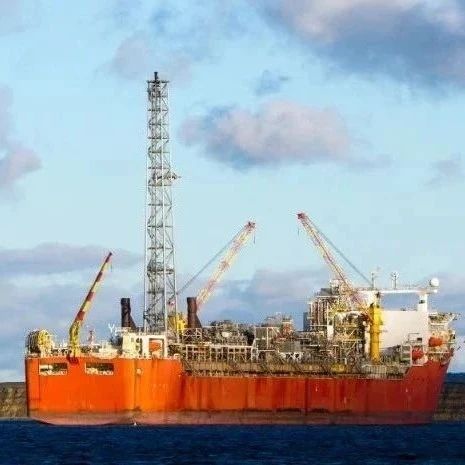
A股三大股指弱势收跌:海洋经济概念股爆发,两市成交超1.3万亿元
Sou Hu Cai Jing· 2025-07-02 07:21
Market Overview - The A-share market showed mixed performance on July 2, with the Shanghai Composite Index down 0.09% to 3454.79 points, the ChiNext Index down 1.13% to 2123.72 points, and the Shenzhen Component Index down 0.61% to 10412.63 points [1] - A total of 1943 stocks rose while 3282 stocks fell, with a total trading volume of 13769 billion yuan, a decrease of 892 billion yuan from the previous trading day [2] Sector Performance - Marine economy stocks surged, particularly in aquaculture and deep-sea technology, with several stocks hitting the daily limit [4] - The steel sector saw a rebound in the afternoon, with stocks like Shengde Xintai and Chongqing Steel reaching their daily limit [4] - The banking sector remained active, with major banks like China Construction Bank and Shanghai Pudong Development Bank reaching historical highs [4] - Semiconductor stocks experienced significant declines, with several companies dropping over 6% [4][5] Future Market Expectations - Zhongyuan Securities predicts a steady upward trend for the A-share market in the short term, supported by increased long-term capital inflow and stable ETF growth [6] - Yingda Securities suggests a relatively positive mid-term market outlook, with expectations of continued upward movement due to financial support policies and potential interest rate cuts from the Federal Reserve [6] - Dongguan Securities notes that the upcoming half-year report disclosures and policy expectations will enhance market drivers [6] - Overall, the market is expected to experience fluctuations, with potential opportunities in sectors like new consumption, media, and non-bank financials [7][8]
四川大决策投顾:引领海洋强国战略的核心力量
Zhong Guo Chan Ye Jing Ji Xin Xi Wang· 2025-07-02 07:09
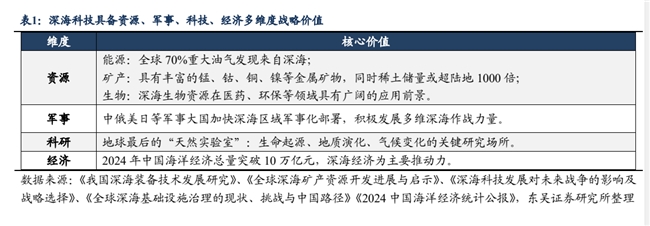
Core Insights - Deep-sea technology is entering a "policy-driven → technological breakthrough → industrial expansion" golden period, similar to the initial stage of the low-altitude economy in 2024 [1][14] - The performance support for deep-sea technology is stronger than that of the early low-altitude economy, and both belong to national strategic emerging industries, indicating a potential continuation of the market trend [1][14] Industry Value Dimensions - **Resources**: Deep-sea resources include abundant energy, minerals, and biological resources, with over 70% of major oil and gas discoveries coming from depths exceeding 1,000 meters [2][4] - **Military**: The militarization of deep-sea regions is accelerating due to global competition for resources, with major military powers developing capabilities for deep-sea operations [2][4] - **Scientific Research**: The deep sea serves as a "natural laboratory" for studying life origins, geological evolution, and climate change, with significant potential yet to be explored [2][4] - **Economic Impact**: China's marine economy is projected to exceed 10 trillion yuan in 2024, with deep-sea technology as a core driver [3][4] Deep-Sea Technology Industry Chain - **Upstream**: Focuses on basic materials and core components, requiring high strength and corrosion resistance due to deep-sea conditions [6] - **Midstream**: Involves equipment manufacturing and system integration, with underwater robots being a key area of development [6] - **Downstream**: Applications include resource development, marine observation, and military defense [7] Key Segments of Deep-Sea Technology - **Underwater Operations Equipment**: The global UUV market is valued at 57 billion yuan in 2023, expected to grow to 85 billion yuan by 2028, with a CAGR of 8.32% [10] - **Marine Engineering Equipment**: The marine engineering sector is experiencing an upturn, benefiting major companies like Zhenhua Heavy Industries and China Shipbuilding [10] - **Offshore Power Generation**: Floating wind and solar power generation are emerging trends, with high entry barriers and promising market potential [11] - **Marine Resource Development**: Offshore oil and gas production is becoming a major source of China's energy increase, with significant reserves in the South China Sea [12] - **Marine Aquaculture**: The marine fishery sector is a crucial part of China's economy, with substantial growth potential in deep-sea aquaculture [13] Investment Logic and Stock Analysis - Deep-sea technology is positioned for growth through a cycle of policy support, technological advancements, and industrial expansion, mirroring the low-altitude economy's development path [14] - Relevant stocks include Zhongtian Technology, Dongfang Cable, and China Shipbuilding, among others [14]

突然爆了!多股涨停!
Zhong Guo Ji Jin Bao· 2025-07-02 03:06
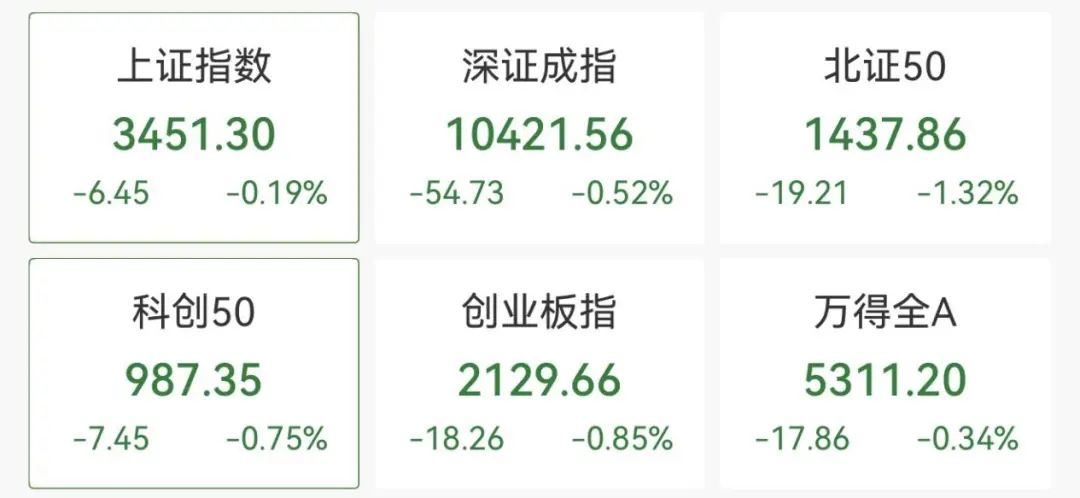
Market Overview - The A-share market experienced fluctuations with the ChiNext index dropping over 1% at one point, while the Shanghai Composite Index fell by 0.19%, and the Shenzhen Component Index decreased by 0.52% [1] - The deep-sea technology sector saw significant gains, with stocks in engineering machinery, energy equipment, and precious metals leading the rise, while sectors like education, advanced packaging, and communication equipment faced notable declines [3] Sector Performance - The deep-sea technology concept stocks surged, with companies such as ShenKai Co., KaiChuang International, ZhenHua Heavy Industries, and JuLi Sockets hitting the daily limit [5] - The aquaculture sector also performed well, with GuoLian Aquatic Products rising over 17%, and companies like KaiChuang International, ZhongShui Fisheries, and BaiYang Co. achieving daily limits [7] Stock Highlights - GuoLian Aquatic Products reached a price of 4.35, with a rise of 19.83% and a trading volume of 234 million [6] - HaiLanXin saw a price of 20.78, increasing by 13.18% with a trading volume of 135 million [6] - ZhenHua Heavy Industries and JuLi Sockets both increased by 10% [6] Policy and Strategic Developments - The Central Financial Committee's sixth meeting emphasized the need to promote high-quality development of the marine economy, enhance top-level design, and increase policy support to encourage social capital participation [9] - The meeting also highlighted the importance of improving independent innovation capabilities in marine technology and fostering leading marine technology enterprises [9] Company News - LingHang Pharmaceutical Biotechnology experienced a dramatic rise of 239.81% at one point, later stabilizing to a 67% increase after announcing a memorandum of understanding to acquire a target company's entire equity, contingent on the target company's acquisition of Conflux blockchain-related assets [10]
突然爆了!多股涨停!
中国基金报· 2025-07-02 02:57
一起来看下最新的市场情况及资讯。 7月2日早盘,A股市场震荡调整,创业板指数一度跌超1% 。 截至发稿,沪指跌0.19%,深成指跌0.52%,创业板指跌0.85%。 【导读】深海科技板块强势拉升,多股涨停 中国基金报记者 李智 | 上证指数 | | 深证成指 | 北证50 | | --- | --- | --- | --- | | 3451.30 | | 10421.56 | 1437.86 | | -6.45 | -0.19% | -54.73 -0.52% | -19.21 -1.32% | | 科创50 | | 创业板指 | 万得全A | | 987.35 | | 2129.66 | 5311.20 | | -7.45 | -0.75% | -18.26 -0.85% | -17.86 -0.34% | 板块上来看, 深海科技概念股走强, 工程机械、能源设备、贵金属等板块涨幅居前;而教育、先进封装、通信设备等板块跌幅较大。 | | | Wind热门概念指数 | | | | | Wind中国行业指致 | | | | --- | --- | --- | --- | --- | --- | --- | --- ...



深海科技 “深海经济”将高速启航!
2025-07-02 01:24
Summary of Deep Sea Technology Conference Call Industry Overview - The deep sea economy has been elevated to a national strategic level, impacting economic development and national security, particularly concerning strategic resources like manganese, iron, cobalt, and rare earths, which are crucial for reducing China's import dependency [1][2][6] - The deep sea technology sector is projected to become a trillion-dollar industry, with significant investment opportunities in infrastructure, exploration, robotics, unmanned equipment, and information technology [1][9] Core Insights and Arguments - The government has recognized deep sea technology in its work report since March 25, 2025, highlighting its importance in resource acquisition, especially in extreme situations [2] - Compared to low-altitude economy, the deep sea economy has unique resource advantages, including oil, natural gas, and strategic metals, making it a vital component of national strategy [3] - Investment opportunities in 2025 are focused on dual-use technologies, policy support, social capital participation, and domestic innovation, particularly in underwater combat and related technologies [3][10] - The Ocean Power Strategy aims to reduce reliance on imported energy and minerals, enhancing national energy security and promoting regional coordinated development [6] Important Measures and Developments - China is implementing various measures to promote deep sea technology, including policy inclusion in government reports and showcasing new combat capabilities during military parades [5] - The establishment of a unified national market is expected to improve traditional industries by optimizing supply structures and enhancing overall efficiency [7][8] Investment Opportunities - Key investment areas for 2025 include: 1. **Dual-use Technologies**: Focus on underwater combat-related companies such as China Marine Defense, China Shipbuilding, and China Power [10] 2. **Policy Support and Social Capital**: Increased government backing and private sector involvement are anticipated [11] 3. **Domestic Innovation and Replacement**: Emphasis on enhancing domestic capabilities in sensors and underwater robotics [12] 4. **Mature and Emerging Industries**: Opportunities in offshore wind power, deep-sea fishing, marine biomedicine, and ecological protection [13] Recommended Companies and Sectors - **Deep Sea Equipment**: Recommended companies include China Shipbuilding, China Marine Defense, and Zhenhua Heavy Industries [16] - **Deep Sea Exploration**: Focus on companies like China Hai Fang and Micro Light [17] - **Deep Sea Information Technology**: Key players include Zhongtian Technology, Huatong Cable, and Dongfang Cable [18] Future Outlook - The deep sea technology sector is expected to experience significant growth, driven by national policies and the urgent need for technological advancements in resource exploration [20] - The industry is seen as a long-term investment opportunity, contributing to both civilian economic transformation and national defense [20]
顶层会议点名海洋经济,将加大政策支持力度
Xuan Gu Bao· 2025-07-01 23:24
Group 1: Marine Economy Development - The Central Economic Committee emphasizes the need for high-quality development of the marine economy as part of China's modernization strategy, aiming for a unique path of maritime strength [1] - The 2024 marine economy is projected to exceed 10 trillion yuan, accounting for 7.8% of GDP, with a production value of 105,438 billion yuan, reflecting a 5.9% increase from the previous year [1] Group 2: Deep Sea Resources and Technology - The deep sea is identified as a significant resource reservoir, containing polymetallic nodules, cobalt-rich crusts, and large amounts of combustible ice, which are potential clean energy sources [2] - The government report for 2025 highlights "deep sea technology" as a new industry alongside commercial aerospace and low-altitude economy, indicating a commitment to developing this sector [2] - The deep sea technology industry is expected to have a market capacity in the trillion-yuan range, with policies likely to stimulate continued investment and financing opportunities [2] Group 3: Companies Involved in Deep Sea Sector - Companies involved in deep sea equipment include Yaxing Anchor Chain, China Shipbuilding, and Zhenhua Heavy Industries, among others [3] - Deep sea exploration companies include China Marine Defense, Micro Light Co., and Tianhai Defense, focusing on detection equipment and deep-sea robotics [3] - Companies in deep sea information technology include Zhongtian Technology, Huatong Cable, and Hailanxin, which are involved in underwater data centers and related infrastructure [3]
深海科技“深海”借“科技”启航
2025-06-30 01:02
Summary of Deep Sea Technology Conference Call Industry Overview - Deep Sea Technology is a key component of China's marine power strategy, expected to receive continued high-level attention, potentially boosting sector prosperity [1][2] - The marine economy is projected to reach 11 trillion yuan by 2025, with deep sea technology accounting for approximately 25%, or about 2.75 trillion yuan [1][4] Core Insights and Arguments - The importance of deep sea resources for China's energy and non-ferrous metal security is emphasized, especially in the context of the US-China trade war, which has intensified the need for China to develop deep sea technology and establish a comprehensive marine observation network [1][5] - The Chinese government has included deep sea technology in its work report for the first time, indicating it will be a strategically supported emerging industry, likely leading to increased sector focus and investment [2][6] - Deep sea mining primarily involves polymetallic nodules, cobalt-rich ferromanganese nodules, and hydrothermal sulfides, which are crucial for ensuring resource security as China's dependence on foreign sources for key minerals exceeds 70% [3][9] Key Areas of Focus - The deep sea technology sector should concentrate on three main areas: equipment manufacturing, exploration technology, and information technology [3][13] - Notable companies in the sector include Yaxing Anchor Chain, China Shipbuilding Industry Corporation, China Power, Zhenhua Heavy Industries, and others, which are involved in unmanned equipment, sensors, and cables [3][8][13] Policy Impact - The Chinese government is expected to implement policies from the central to coastal provinces following the work report, which will drive infrastructure investments and support the industrial chain, leading to a win-win situation for capital, industry, and the nation [6][8] Challenges and Urgency - China is currently about five years behind the US in deep sea mineral resource development technology, with the US already in the early stages of commercial mining [7][11] - The urgency for China to accelerate its deep sea mining development is heightened by the US government's recent actions to authorize commercial licenses for deep sea mining beyond national jurisdiction [10][11] Importance of Marine Observation Network - The marine observation network is a comprehensive monitoring system deployed on the seabed, essential for real-time monitoring of marine environments, geological activities, and biological ecosystems [12] - Accelerating the construction of the marine observation network is critical for China to advance into deep sea exploration and achieve its marine power goals [12] Investment Recommendations - Investment focus should be on equipment manufacturing, exploration technology, and information technology, with specific recommendations for companies involved in these areas [8][13]