
Funds

Search documents
保持亚洲第一 沪深两市ETF全数据出炉 八大亮点
Sou Hu Cai Jing· 2026-02-08 01:49
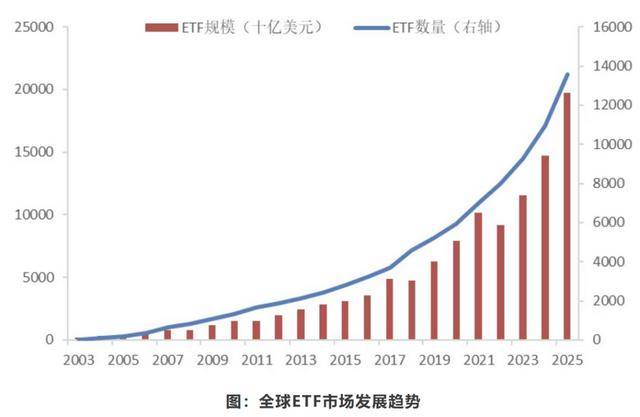
来源:智通财经 中国境内ETF保持亚洲第一优势 去年,全球ETF市场保持快速发展势头。截至去年底,全球挂牌交易的ETF达13865只,资产总规模达 到19.7万亿美元,较2024年底增长31%,全年资金大幅净流入超22271亿美元。 ETF占A股流通市值比重增长、机构投资者持有占比提升、分红总额分红次数翻倍增长等诸多亮点之 下,2026年ETF市场发展重心也有所变迁。 丰富产品供给、优化ETF市场配套机制、引导长期增量资金入市、坚持高水平制度型开放的同时,坚持 强监管防风险导向,筑牢ETF市场高质量发展根基,也将成为行业发展的关键命题。 成为亚洲领先并保持着优势,去年境内ETF市场迎来了量质齐升。 除了规模跨越万亿门槛用时持续缩短,如何从全球视野和境内细分领域的维度,看到中国境内ETF市场 发展的新变化?2月6日,上交所发布的《ETF行业发展报告(2026)》和深交所发布的《ETF 市场发展 白皮书(2025 年)》,全面梳理了去年境内ETF市场的发展脉络。 商品ETF规模约0.7万亿美元,但去年增幅最显著(125%),占比为3.4%;其他类ETF规模约0.4万亿美 元,占比2.2%。 八大亮点看ETF市场的 ...

风口财评|禁言违规财经大V时,别忘追责幕后机构
Sou Hu Cai Jing· 2026-02-07 09:45
2月5日晚间,因涉及基金销售违规行为,拥有数百万粉丝的财经领域大V"爱理财的小羊"在抖音、蚂蚁财 富等平台的账号被永久禁言。此次事件暴露的,远不止"大V带货"的乱象,而是一条由持牌金融机构主 导、无资质个人执行、平台纵容、投资者盲从共同构成的系统性违规链条。若仅将矛头指向一个"自媒 体"博主,恐怕治标不治本。真正该被追责的,是那些为流量放弃专业操守的持牌金融机构。 (大众新闻·风口财经评论员 苏桐) 1月29日,证监会发布《机构监管情况通报》指出:"D基金公司管理的基金产品单日申购量超百亿,涉嫌违 规销售。"虽然未明确点名,但市场普遍认为其内容与1月中旬德邦基金旗下某产品引发广泛关注的情况 高度关联。通报明确提到,该公司与不具备基金销售资格和从业资质的互联网"大V"开展营销合作,向其 支付大额广告费,利用其影响力鼓动投资者跟投,甚至诱导风险承受能力不匹配的普通投资者买入中高风 险产品。这已不是简单的"宣传过界",而是对金融销售基本规则的公然挑战。 (风口财经原创作品,未经允许不得转载!) 这种操作,是持牌机构利用自身合规身份的背书,将违规销售的风险转嫁给无资质大V,形成"机构出钱、大 V冲锋、散户买单"的畸形 ...
ETF牛市中的逆行者:国联安基金规模缩水背后的股东暗战
Sou Hu Cai Jing· 2026-02-07 03:22
Core Insights - The ETF market in China is experiencing unprecedented growth, with total ETF assets surpassing 6 trillion yuan and an increase of over 60% in 2025 [1][3] - Guolian An Fund Management Company stands out as the only major player in the ETF market to experience a significant decline in assets during this booming period [2][6] Industry Overview - The ETF market in 2025 is characterized by rapid growth, with various sectors such as innovative pharmaceuticals, semiconductors, and commercial aerospace seeing substantial inflows [3] - Leading companies like Huaxia, E Fund, and Haitai Baichuan have reported annual asset growth exceeding 100 billion yuan, while even mid-tier players have seen increases in the tens to hundreds of billions [3] Company Performance - Guolian An Fund's ETF management scale decreased from 327 billion yuan at the end of 2024 to 289 billion yuan by the end of 2025, marking a net reduction of 39 billion yuan and a decline of 11.9% [4][6] - This decline positions Guolian An as the only company among major ETF managers with over 10 billion yuan in assets to experience a significant reduction in scale [6] Management Changes - A key management change occurred at the end of 2024, with Tang Hua taking over as general manager from Wang Zheng, which coincided with the company's performance decline [7] - The leadership transition reflects a shift in strategic focus and resource allocation, with Tang Hua's international background contrasting sharply with Wang Zheng's insurance-focused experience [7] Asset Composition - As of December 31, 2025, Guolian An's total asset scale remained stagnant despite a near 12 billion yuan increase in money market fund assets, indicating a lack of growth in higher-value equity funds [8] - The company's ETF offerings, particularly in the semiconductor and major indices, have seen a reduction in scale, raising concerns about the sustainability of its asset management strategy [8][22] Comparative Analysis - In contrast to Guolian An, Guoshou Anbao Fund has seen significant growth in its major ETF products, with substantial inflows and a high percentage of institutional ownership [13][17] - The differences in support from major shareholders, with Guoshou Anbao having a more concentrated ownership structure, highlight the challenges faced by Guolian An in securing consistent backing [29] Strategic Challenges - Guolian An Fund faces deep-rooted challenges related to balancing resource dependency and market competitiveness, compounded by governance structure issues that may hinder decision-making efficiency [30] - The integration of diverse management backgrounds poses additional challenges in aligning investment philosophies and operational processes, which are critical for navigating the competitive landscape [30]

2025年中国境内ETF规模突破6万亿元 为亚洲最大ETF市场
Xin Hua Cai Jing· 2026-02-06 16:21
Group 1 - The core viewpoint of the report indicates that by 2025, China's domestic ETF market has surpassed Japan, becoming the largest ETF market in Asia [1][2] - As of the end of 2025, the total number of ETFs listed globally reached 13,865, with total assets amounting to $19.7 trillion, reflecting a 31% increase from the end of 2024 [1] - The report highlights that the U.S. ETF market accounts for approximately $13.5 trillion, representing 68% of the global market, while Europe and Asia-Pacific account for about $3.2 trillion (16%) and $2.4 trillion (12%) respectively [1] Group 2 - In 2025, China's domestic ETF market exceeded 6 trillion yuan, with the number of listed ETF products reaching 1,381, a 35.7% increase from the end of 2024 [2] - The total scale of ETFs in China reached 6.02 trillion yuan by the end of 2025, marking a 61.4% growth compared to the previous year [2] - The Shanghai Stock Exchange's ETF scale increased to 4.22 trillion yuan, with significant growth in various categories: stock ETFs at 2.72 trillion yuan (30% increase), bond ETFs at 0.6 trillion yuan (291% increase), cross-border ETFs at 0.57 trillion yuan (106% increase), and commodity ETFs at 0.16 trillion yuan (289% increase) [2]
银行理财到期后怎么投?一个自建多元资产配置实例
雪球· 2026-02-06 13:01
Core Viewpoint - The article discusses a customized investment strategy aimed at achieving an annualized return of 8%-12% through a diversified asset allocation model tailored to the specific financial profile and risk tolerance of an individual investor [4][9]. Group 1: Investment Strategy Overview - The investment strategy is based on a "60/30/10" model, allocating 60% to equities, 30% to bonds, and 10% to commodities [10][11]. - Historical data indicates that when the holding period exceeds three years, the probability of achieving positive returns from equity assets exceeds 85% [13]. Group 2: Asset Allocation Breakdown - The equity portion (60%) is divided into three pillars: global technology growth (30%), A-share "barbell strategy" (30%), and a defensive component (10%) in gold [14][15]. - The global technology growth pillar includes QDII funds focused on U.S. and Hong Kong tech stocks, specifically selecting two funds: Franklin Global Technology Internet Fund and GF Global Select Equity Fund [16][17]. - The A-share component employs a "dividend + quantitative" strategy, utilizing various funds to balance stability and market volatility [19][20]. Group 3: Fixed Income and Commodities - The fixed income portion (30%) serves as a "safety cushion," providing liquidity and positive returns regardless of market fluctuations [25]. - The gold allocation (10%) is justified as a hedge against currency devaluation and extreme risks, supported by ongoing central bank purchases and geopolitical tensions [29]. Group 4: Performance Management - The strategy emphasizes the importance of managing expectations, acknowledging potential drawdowns of 15%-20% in extreme market conditions [36]. - The investment approach includes regular portfolio reviews to ensure performance aligns with benchmarks and to make necessary adjustments [36]. Group 5: Conclusion - The article concludes that the key to successful investing lies not in predicting market movements but in establishing a resilient investment framework that diversifies across asset classes and geographies [38].

机构集聚实现战略性突破!傅晓初:广州金融“五篇大文章”结硕果
Xin Lang Cai Jing· 2026-02-06 11:19
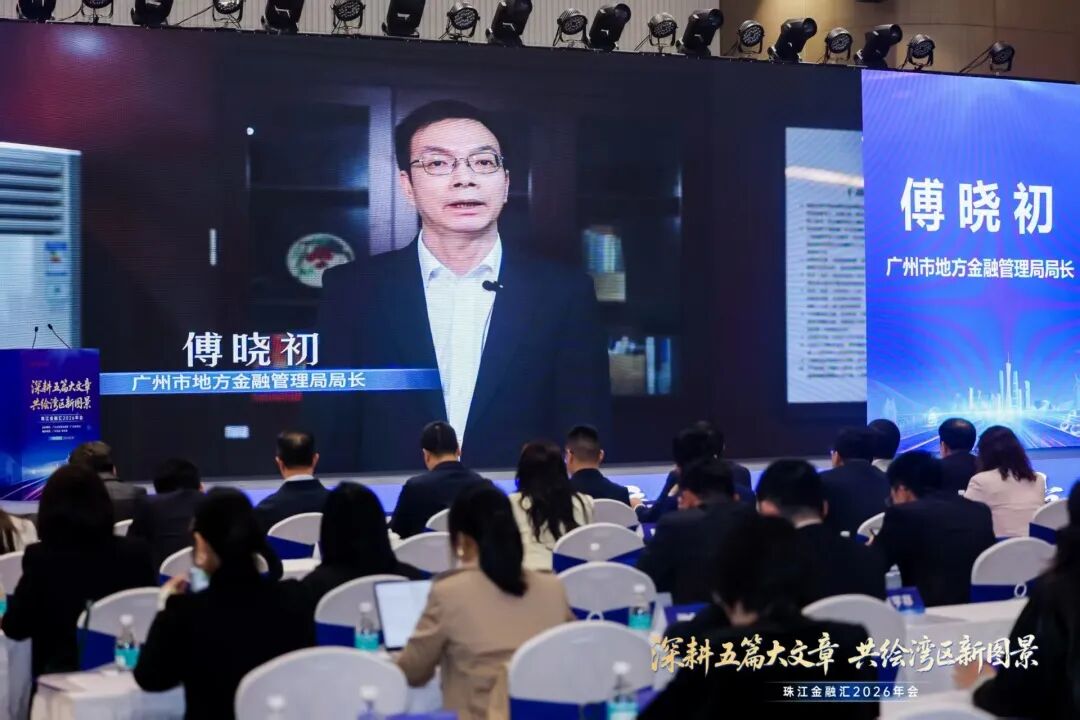
Core Viewpoint - The financial industry in Guangzhou is experiencing robust growth, with a total financial value added of 322.99 billion yuan in 2025, representing a year-on-year increase of 7%, which is 3 percentage points higher than the GDP growth rate, and accounting for 10.1% of the GDP [1][7]. Group 1: Financial Growth and Support for the Real Economy - In 2025, the balance of various loans in both domestic and foreign currencies increased by 510.8 billion yuan, ranking among the top three in the country, effectively supporting the development of the real economy [3][10]. - The "Win-Win Plan for Enterprises" was innovatively launched, benefiting over a thousand enterprises with amounts exceeding 40 billion yuan [3][10]. - The capital market construction made significant progress, with 12 new domestic and foreign listed companies and a merger and acquisition transaction amount exceeding 20 billion yuan, effectively utilizing direct financing functions [3][10]. Group 2: Strategic Breakthroughs in Institutional Gathering - Major policies have been implemented, including the "30 Financial Policies of Nansha," providing strong support for financial reform and development in the Guangdong-Hong Kong-Macao Greater Bay Area [5][11]. - Guangzhou achieved a strategic breakthrough in precise financial investment attraction, with the opening of the second financial asset investment company (AIC) among joint-stock banks in the country, along with several licensed financial institutions [5][11]. Group 3: Accelerated Financial Reforms - Guangzhou has made systematic progress in policy innovation, public service, and market mechanism construction [6][12]. - The city continues to lead in the development of investment advisory services, solidifying its position as the "First City for Investment Advisors" in the country [6][12]. - Several reforms have been initiated, including the establishment of a consumption prepayment fund supervision platform using digital RMB technology to effectively prevent fund misappropriation risks and protect consumer rights [6][12].
极端行情下的公募抉择
阿尔法工场研究院· 2026-02-06 09:38
Core Viewpoint - The incident involving Guotou Ruijin's silver LOF fund highlights the risks associated with unique product designs, extreme market conditions, and delayed information disclosure [3][23]. Group 1: Incident Overview - The silver price experienced a dramatic drop of 26.93% in a single day, marking the largest single-day decline on record, which put Guotou Ruijin's silver LOF fund in the spotlight [4]. - The surge in silver prices at the beginning of the year, with a maximum increase of over 60%, led to a significant influx of capital into the only silver LOF fund in the market, creating substantial arbitrage demand and profit effects [5]. Group 2: Fund Management Response - Guotou Ruijin's handling of the silver LOF situation appeared chaotic, as evidenced by the frequency of purchase restrictions, with four announcements made since December 19, including two within less than a full trading day [7]. - The decision to adjust the valuation reference from domestic silver futures to international silver prices after a significant price drop led to a shocking 31.5% decline in the fund's net asset value, which was the largest single-day drop in public fund history [9][10]. Group 3: Investor Impact - The late announcement of the valuation change left investors unaware of the new settlement rules, resulting in unexpected losses without the opportunity to mitigate their positions [11]. - The situation revealed a lack of adequate product design and risk management, as the fund's unique structure did not have a clear benchmark or reference, making it vulnerable to extreme price fluctuations [13][14]. Group 4: Industry Implications - The incident serves as a warning for the fund industry regarding the necessity for transparent and timely information disclosure, especially during extreme market conditions [17][23]. - Fund companies must prioritize investor protection and establish comprehensive risk management frameworks that include preemptive measures for extreme scenarios [19][22].
跨境服务部分渠道暂未开通,汇丰晋信基金流程兼容性是否能进一步优化?
Sou Hu Cai Jing· 2026-02-06 09:27
Core Viewpoint - HSBC Jintrust Fund faces limitations in cross-border service channels, impacting user experience and operational smoothness, particularly in regions where services are not yet available [1][3]. Group 1: Company Analysis - HSBC Jintrust Fund, as a joint venture, leverages HSBC Group's international resources, particularly in QDII and mutual recognition funds, but may face service gaps due to system integration or localization issues [1][3]. - The fund has made significant investments in its research and technology systems, showcasing a robust foundational capability with a research framework that is "explainable, replicable, and predictable" [3]. - The company has successfully launched long-term products like lifecycle funds, indicating strategic resilience despite current channel limitations [3]. Group 2: Industry Context - The fluidity of cross-border fund services is often constrained by compliance reviews and fund clearing processes, which are complex and not unique to HSBC Jintrust [3]. - HSBC Jintrust has expanded cross-border investment options through channels like Hong Kong Stock Connect, but its coverage in some emerging markets remains behind leading institutions [3]. - The potential for improved service efficiency exists if the company can optimize technical connections in cross-border channels, possibly by leveraging HSBC's global clearing network experience [3].
20cm速递|科创创业ETF国泰(588360)盘中微跌,市场关注长期盈利趋势
Mei Ri Jing Ji Xin Wen· 2026-02-06 07:05
Group 1 - The core viewpoint of the article highlights the long-term profitability trends in the technology sector, particularly focusing on the high R&D investments leading to a significant proportion of loss-making stocks in the Sci-Tech Innovation ETF [1] - The performance of the Sci-Tech Innovation ETF (588360) is linked to the Sci-Tech Innovation 50 Index (931643), which includes 50 securities with large market capitalization and good liquidity, reflecting the overall performance of technology innovation-related listed companies [1] - The article notes that while the pre-earnings rate for electronics and communications remains stable for 2024, there is an improvement in the computer and media sectors, indicating a certain expansion in the technology industry cycle [1] Group 2 - The article emphasizes that the growth momentum in the AI industry is not limited to the technology sector but is also spreading to the midstream manufacturing segment [1] - The ETF's daily price fluctuation limit is set at 20%, and it covers various high-tech fields such as information technology, healthcare, and renewable energy, showcasing significant innovation growth characteristics [1] - The importance of order and business commercialization progress is highlighted as being more critical than profitability for certain stocks within the sector [1]


金价巨震一周:短期资金离场 黄金主题ETF规模缩水427亿
2 1 Shi Ji Jing Ji Bao Dao· 2026-02-06 00:33
Core Viewpoint - The gold market experienced significant volatility, with a historic price drop and subsequent rebound, leading to a substantial reduction in the scale of domestic gold-themed ETFs by approximately 42.7 billion yuan in one week [1][2]. Group 1: Market Performance - On January 29, the international gold price reached a historic high of nearly 5,600 USD/oz, followed by a drop of over 15% [1][2]. - The London gold price fell from 5,413.805 USD/oz to 4,964.83 USD/oz over the week, marking a decline of 8.29% [2]. - Domestic gold prices mirrored international trends, with the Shanghai Gold Exchange's SGE gold price peaking at 1,256 CNY/g, reflecting a year-to-date increase of approximately 29% [2]. Group 2: ETF Market Impact - The total scale of 20 domestic gold-themed ETFs decreased to 348.954 billion yuan, a reduction of about 42.7 billion yuan [1][2]. - Approximately 1.89% of gold-themed ETF funds opted for redemption, resulting in a net outflow of about 6.6 billion yuan, primarily due to a decline in net asset value [1][3]. - The significant drop in ETF scale was largely attributed to passive reductions from falling net values, amounting to approximately 36.1 billion yuan [3]. Group 3: Investor Behavior - Despite the ETF scale reduction, there was no panic selling among domestic investors; the adjustments were seen as short-term emotional responses [3][5]. - On January 30, the day of the gold price crash, 23.38 million yuan was still net subscribed, indicating attempts by some investors to "buy the dip" [3]. - The funds that withdrew were primarily short-term speculative funds, stable short-term allocation funds, and passive following funds [4]. Group 4: Long-term Investment Logic - Analysts believe the recent price fluctuations are a technical adjustment rather than a reversal of long-term trends, with the underlying investment logic for gold remaining intact [5][6]. - Key supporting factors for gold's long-term value include the unchanged Fed rate cut cycle, ongoing central bank gold purchases, and gold's role as a hedge against international order risks [5][7]. - Investment strategies suggest maintaining a long-term perspective on gold, with recommendations to allocate about 20% of investment portfolios to gold assets for risk hedging [6][7].