新能源产业

Search documents
中央重磅文件点题四大新兴支柱产业,这些城市已领跑→
第一财经· 2025-10-24 14:33
Core Viewpoint - The article discusses the development of strategic emerging industries in China, including new energy, new materials, aerospace, and low-altitude economy, highlighting the leading cities and regional clusters that are shaping the future economic landscape [3][4]. New Energy - The top cities in the new energy sector are Beijing, Shanghai, Guangzhou, and Shenzhen, with Beijing leading in overall competitiveness due to its strong enterprises and innovation capabilities [6][7]. - Shenzhen ranks first in the production of new energy vehicles, with an output of 2.935 million units in 2024, while West Xi'an excels in photovoltaic and aerospace technologies [7]. - The East China region dominates the new energy city competitiveness list, with 25 cities featured in the top 50 [7]. New Materials - Suzhou ranks first in the new materials industry, supported by significant advancements in advanced metal materials and nanomaterials, contributing to a trillion-yuan industry cluster [9][10]. - The Yangtze River Delta and Pearl River Delta regions are recognized for their innovative applications in new materials, with notable companies in electronic chemicals and automotive materials [10]. Aerospace - Beijing is the leading city in the aerospace sector, benefiting from a concentration of enterprises and financial resources, with 160 commercial aerospace companies receiving funding from 2014 to early 2025 [11][13]. - Other cities like Shanghai, Xi'an, and Chengdu are also emerging as strong competitors in the aerospace industry, forming regional clusters [13][14]. Low-altitude Economy - The low-altitude economy is gaining traction, with Shenzhen, Beijing, and Chengdu leading in development levels, supported by a robust industrial chain [15][16]. - Shenzhen has over 1,900 companies in the low-altitude economy sector, with an expected annual output value exceeding 90 billion yuan in 2024 [17]. - Shanghai focuses on high-end manufacturing and modern services in the low-altitude economy, aiming for a core industry scale of over 50 billion yuan by 2027 [17].


中共中央新闻发布会
Zheng Quan Shi Bao· 2025-10-24 03:23
Core Viewpoint - The 20th Central Committee of the Communist Party of China has approved the "15th Five-Year Plan" which outlines significant economic and social development strategies for the upcoming period, emphasizing the importance of innovation, market integration, and sustainable growth. Group 1: Economic Development Strategies - The "15th Five-Year Plan" consists of 15 parts and 61 articles, divided into three main sections: general principles, specific strategies, and tasks to strengthen centralized leadership and promote democratic governance [2] - The plan identifies the long-term positive conditions and trends for China's economy, highlighting its strong foundation and resilience [3] Group 2: Industry and Technological Advancements - The plan aims to create new pillar industries and accelerate the development of strategic emerging industries such as new energy, new materials, and aerospace, potentially generating several trillion-level markets [4] - It emphasizes the need for forward-looking layouts in future industries, including quantum technology and sixth-generation mobile communications, which could equate to recreating a new high-tech industry in China over the next decade [4] Group 3: Market Integration and Competition - The plan proposes measures to unify market rules and eliminate local protectionism, which will help unlock the benefits of China's vast market [5] - It is projected that over 700,000 kilometers of underground pipelines will be constructed or renovated during the "15th Five-Year Plan," with an investment demand exceeding 5 trillion yuan [6] Group 4: Marine Economy and Environmental Protection - The total volume of China's marine economy has surpassed 10 trillion yuan, with initiatives aimed at enhancing marine development and ecological protection [7] Group 5: Service Sector and Trade - The plan focuses on expanding market access and opening up service sectors, aligning with international trade standards [8] Group 6: Population and Family Support - The plan includes initiatives to create a family-friendly society, optimizing support and incentive policies for childbirth and child-rearing [10] Group 7: Technological Modernization - The plan outlines a comprehensive approach to technological modernization, emphasizing the integration of education, technology, and talent development to enhance innovation capabilities [11] - It includes the implementation of the "Artificial Intelligence+" initiative to empower various industries [11]
排位有变:青岛最强民企浮出水面!
Sou Hu Cai Jing· 2025-10-23 11:25
Core Insights - The annual ranking of the top private enterprises in Qingdao has been released, showcasing significant changes in the top ten positions compared to last year [2] - Wanda Guomao Group has risen from third place to become the new leader of Qingdao's private economy, while Qingjian Group has dropped out of the top ten [5][7] - New entrants include Shandong Nenglian Holdings at fourth place and Riri Shun Supply Chain Technology at tenth place, reflecting a shift in the industrial landscape [5][6] Ranking Changes - The top ten private enterprises in Qingdao now include: Wanda Guomao Group, Shandong New Hope Liuhe Group, Xinhua Jin Group, Shandong Nenglian Holdings, and Qingdao Century Ruifeng Group [3] - Notably, Wanda Guomao Group's revenue reached 54.845 billion yuan in 2023, showcasing its robust business model across international trade, financial services, and entity investment [7][8] Industry Trends - The ranking changes highlight a new industrial landscape in Qingdao, with strong performances from companies in trade, logistics, and new energy sectors, while traditional construction firms have generally declined [5][12] - The "Haier system" companies have made a significant impact, with nine firms making it to the top 100, including Riri Shun Supply Chain, which jumped to tenth place [6][12] Economic Contributions - The private economy in Qingdao contributes over 60% of the city's investment and tax revenue, and over 70% of its imports and exports [14][15] - The private sector also accounts for more than 80% of urban job creation and represents over 90% of the total number of enterprises [15][17] - The total number of quality small and medium-sized enterprises in Qingdao has reached 8,967, including 3,557 innovative SMEs and 193 "little giant" enterprises [16][17]
中国商务部通告全球:中美新一轮经贸磋商将于10月24至27日举行,引发全球高度关注
Sou Hu Cai Jing· 2025-10-23 10:11
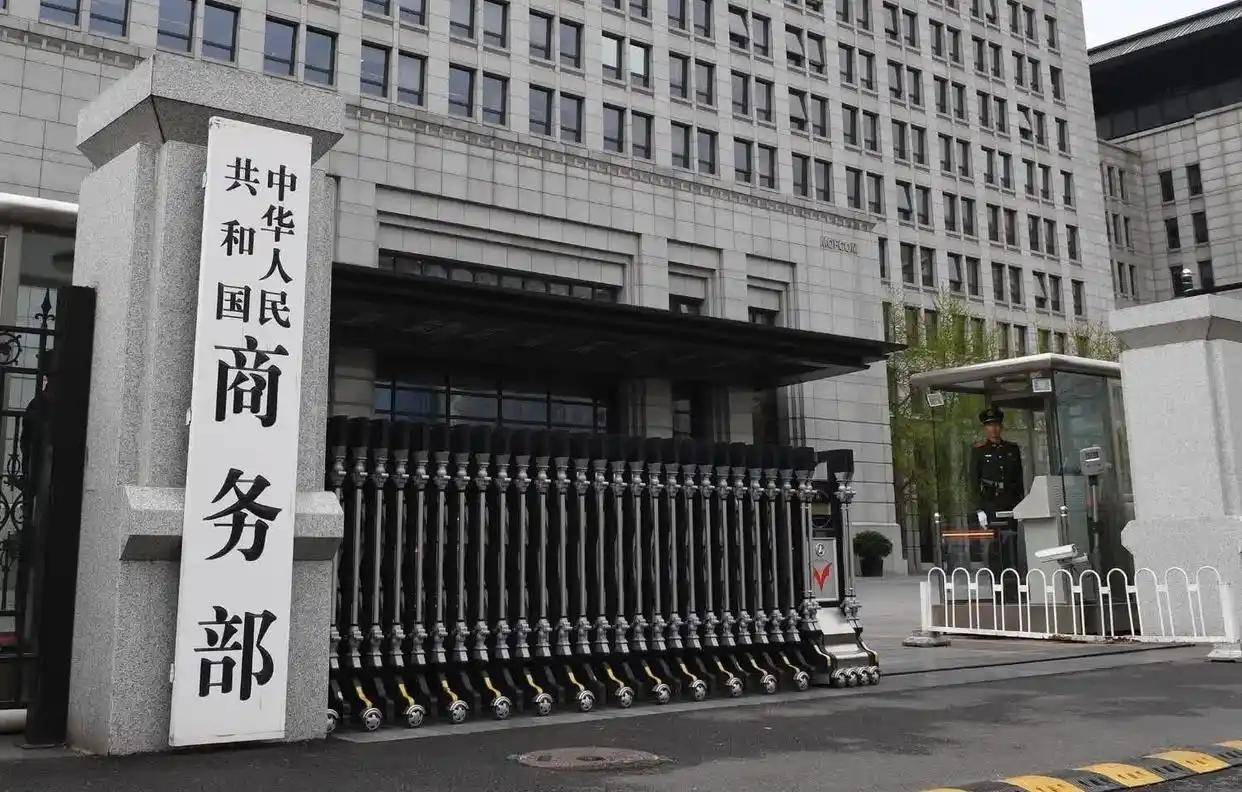
Group 1 - The upcoming high-level talks in Kuala Lumpur, led by Vice Premier He Lifeng, signify a critical moment in U.S.-China relations, moving beyond typical trade negotiations to a strategic confrontation between two major economies [1][3] - The discussions are expected to address not just tariffs but also broader issues such as core technology autonomy, global supply chain restructuring, and the redefinition of multilateral trade rules, indicating a shift in negotiation priorities [3][6] - The limited timeframe of 72 hours for substantive negotiations emphasizes the urgency and potential impact of the outcomes, which could influence financial services, tariff resolutions, high-tech investments, and standards in the new energy sector [6][7] Group 2 - The implications of the U.S.-China negotiations extend globally, affecting Southeast Asian countries, European investors, and developing nations, all of whom are closely monitoring the situation for potential economic opportunities and stability [9] - The negotiations represent a pivotal moment for redefining globalization rules, with the potential to reshape global inflation trends, industry chain dynamics, technological standards, and the evolution of the international monetary system [9][11] - The outcome of these talks will test the strategic choices of both nations, determining whether they will continue a zero-sum game or seek a path of mutual respect and coexistence, which is crucial for the future global order [11][13]
天能股份成功获批AAA主体信用评级
Zheng Quan Shi Bao Wang· 2025-10-20 07:31
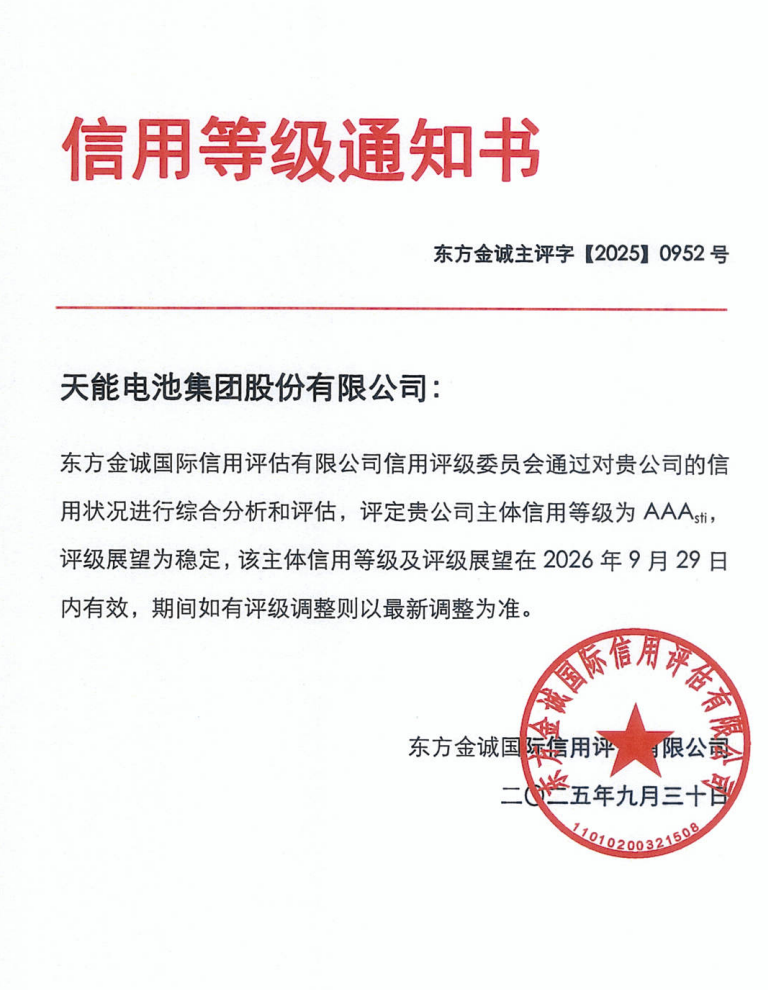
Group 1 - The core viewpoint of the news is that Tianneng Co., Ltd. has successfully obtained an AAA credit rating from Golden Credit Rating International Co., Ltd., marking its first time achieving this rating [1][5] - Tianneng Co., Ltd. is the first private enterprise in Huzhou to receive an AAA credit rating, reflecting the recognition of its comprehensive strength, operational quality, corporate governance, and development prospects by professional institutions and the capital market [5] - The AAA credit rating is seen as a significant affirmation of Tianneng's nearly 40 years of focus on the main business and high-quality operations in the new energy industry, which will inject new momentum into its future sustainable high-quality development [5] Group 2 - Golden Credit Rating International Co., Ltd. is the first state-owned national credit service institution in China, recognized by various regulatory bodies including the People's Bank of China and the China Securities Regulatory Commission [5] - The rating obtained by Tianneng Co., Ltd. is expected to enhance its credibility and support its future growth in the new energy sector [5]

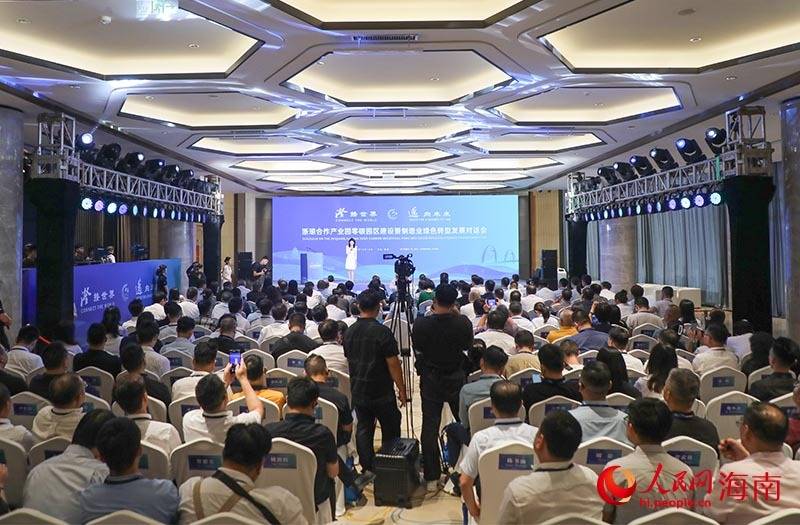
浙琼合作产业园零碳园区正式揭牌 多家企业现场签约入驻
Sou Hu Cai Jing· 2025-10-18 13:46
Core Viewpoint - The 2025 China Chao Mai International Economic and Trade Fair emphasizes the construction of zero-carbon parks and the green transformation of the manufacturing industry, highlighting the importance of sustainable development in the context of the free trade port [1][3]. Group 1: Zero-Carbon Park Development - The dialogue focused on "Zero-Carbon Park Construction and Green Low-Carbon Transformation of Manufacturing," gathering government representatives, industry experts, and entrepreneurs to explore sustainable development paths for manufacturing under the free trade port framework [3]. - The Zhejiang-Qiong Cooperation Industrial Park Zero-Carbon Park was officially inaugurated, with a total land area of approximately 2,613 acres, integrating various clean energy forms such as biomass, solar, and wind energy [7][9]. - The park aims to achieve a green energy system characterized by "multi-energy complementarity and intelligent collaboration," with an expected annual production of 640 million kilowatt-hours of green electricity and a clean energy consumption ratio of 96.2% [9]. Group 2: Investment and Project Development - The park has planned to attract 20 key projects with a total investment scale of approximately 15.113 billion, of which six projects have already been signed [9]. - The biomass cogeneration project, as the energy core of the park, is expected to commence construction by the end of 2025 and be completed by 2027 [9]. - The park's establishment is in substantial progress, with application materials having passed provincial review and being recommended to national ministries for pilot qualification as a national zero-carbon park [9]. Group 3: International Competitiveness and Market Access - Experts noted that with the introduction of international carbon border adjustment mechanisms, green low-carbon products have become essential for manufacturing exports [12]. - The zero-carbon park will provide traceable green electricity, heat, and carbon management services, effectively reducing product carbon footprints and enhancing international competitiveness [12]. - The future production of low-carbon products in the park is expected to carry stronger "green labels," facilitating access to global markets [12].
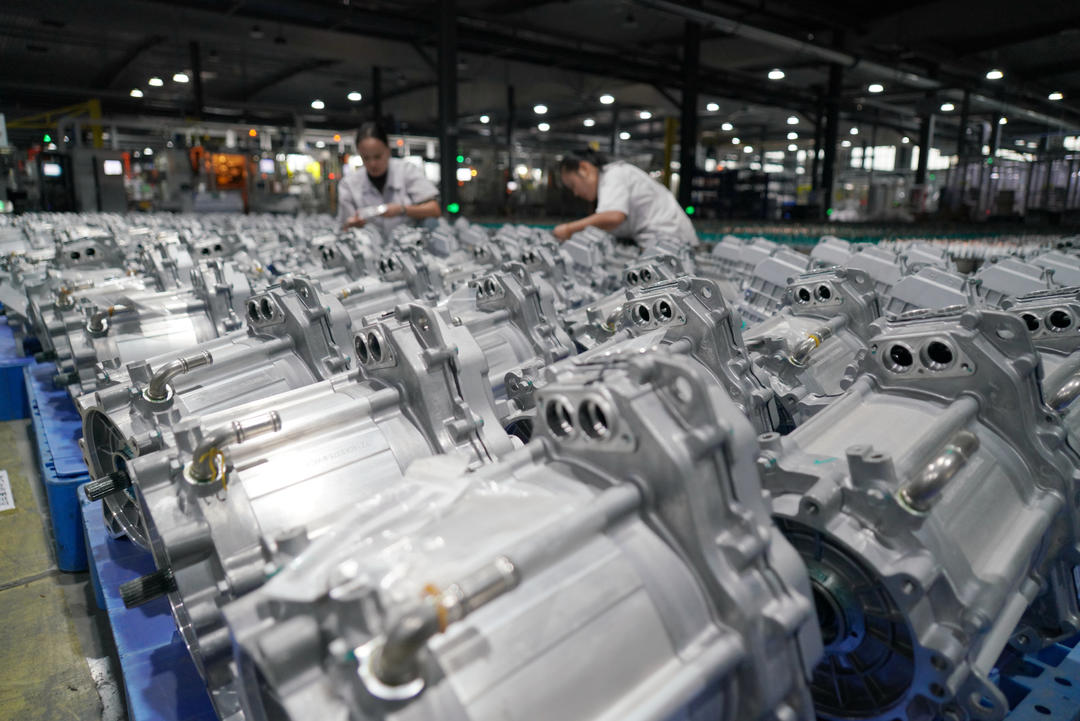
山东沂南:新能源产业激活县域发展新引擎
Qi Lu Wan Bao Wang· 2025-10-18 06:38
Group 1 - The core viewpoint of the article highlights the focus of Linyi City's Yinan County on developing the new energy industry chain, emphasizing innovation, enterprise importance, and cluster dynamics for high-quality economic growth [1] - From January to September, 42 industrial enterprises in the new energy industry chain in Yinan County achieved an output value of 4.02 billion yuan, representing a year-on-year growth of 21.33% [1]
南京鼓楼新能源出海企业+1
Yang Zi Wan Bao Wang· 2025-10-17 15:11
Core Viewpoint - The roundtable meeting focused on exploring practical paths for the high-quality international expansion of China's renewable energy enterprises, particularly in the North African market, amidst significant changes in the global economic landscape [1][2]. Group 1: North Africa Renewable Energy Market Opportunities - The meeting emphasized the development trends of the North African renewable energy market, highlighting the importance of international expansion for sustainable development [2]. - Morocco was identified as a key economic player in North Africa, possessing 71% of the world's phosphate reserves, which are crucial for lithium iron phosphate batteries, thus supporting the renewable energy supply chain [2]. - Morocco has set a clear target for renewable energy to account for 52% of its installed capacity by 2030, and its zero-tariff agreement with the EU positions it as an ideal hub for Chinese renewable products targeting the European and African markets [2]. Group 2: Risk Management in International Expansion - The conference addressed the need for companies to mitigate risks associated with international expansion, particularly in the areas of intellectual property and global tariff barriers [3]. - Strategies for managing intellectual property risks were discussed, including the establishment of overseas intellectual property management systems and utilizing international IP information services [3]. - The analysis of global trade barriers highlighted the necessity for companies to develop compliance maps and origin management systems to navigate the increasingly complex tariff landscape [3]. Group 3: Local Support for Global Expansion - The Nanjing Gulou High-tech Zone was presented as a strong support base for renewable energy companies, providing a conducive environment for growth and international expansion [4]. - The zone has attracted significant investment, including a project by Guojian New Energy Power (Jiangsu) Co., which aims to develop a comprehensive smart power station platform in Central Asia and Southeast Asia [4]. - The Gulou District is focusing on green and low-carbon industries, with 72 key enterprises in the smart grid sector, creating a robust industrial ecosystem that supports local companies in their global endeavors [4].
陈刚在梧州市调研,强调要强化党建引领发挥比较优势推动高质量发展
Guang Xi Ri Bao· 2025-10-17 02:18
Core Insights - The article emphasizes the importance of strengthening grassroots party building and leveraging comparative advantages to promote high-quality development in Wuzhou [1][4]. Group 1: Environmental and Industrial Development - The focus on addressing heavy metal pollution and enhancing the rare earth industry is highlighted as a significant political task, with an emphasis on practical problem-solving and dynamic adjustments [1]. - The need for increased investment in technological innovation and extending the industrial chain to improve value-added in the rare earth sector is stressed [1]. Group 2: Local Economic Growth and Community Engagement - The article discusses the importance of strong leadership and community engagement in rural development, particularly in the context of the Liu Bao tea industry, which is seen as a pillar for poverty alleviation [2]. - The establishment of a robust service system for new employment groups and the promotion of social interaction are also emphasized [2]. Group 3: Business Environment and Infrastructure - The article outlines the necessity for Wuzhou to optimize its business environment and attract leading enterprises to enhance industrial development [3]. - The significance of comprehensive transportation planning and the development of a modern water transport network is highlighted, particularly in relation to the Longzhou Water Conservancy Hub [3][4]. Group 4: Governance and Policy Implementation - The article calls for the implementation of Xi Jinping's directives on governance, emphasizing the need for a dual focus on political and natural ecological systems [4]. - The promotion of artificial intelligence across various sectors is identified as a key strategy for enhancing productivity and economic growth in the region [4].
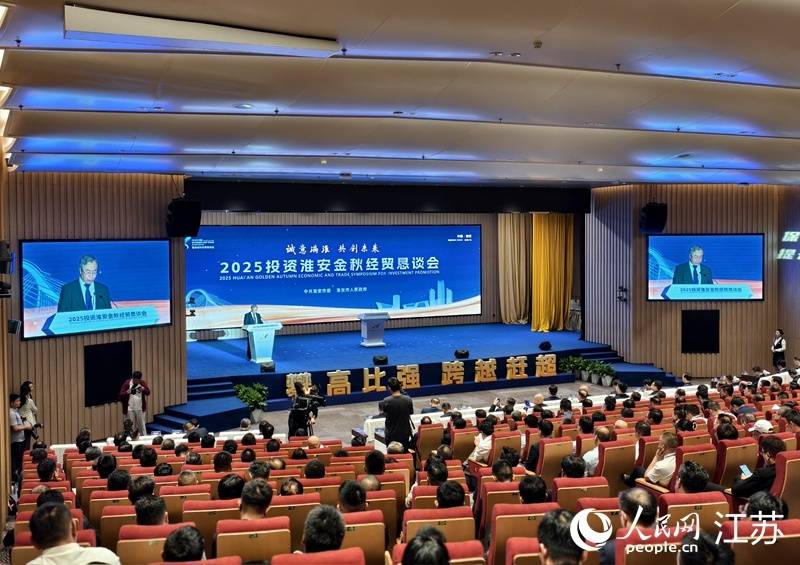
从“洽谈”到“恳谈”,淮安经贸会一字之变藏深意
Sou Hu Cai Jing· 2025-10-16 22:51
Core Insights - The 2025 Investment Huai'an Golden Autumn Economic and Trade Conference has been renamed from "洽谈会" to "恳谈会," emphasizing sincerity and the desire for deeper communication with entrepreneurs [1] - The conference theme is "Sincerity Full Huai'an, Co-create the Future," featuring three main sections: "Gathering in Autumn, Sharing Friendship," "Investing in Huai'an, Winning the Future," and "Embracing Sincerity, Sharing Opportunities" [1] - Huai'an has shown continuous economic vitality, with a GDP growth rate of 7.1% for four consecutive years and a 6.8% growth rate in the first half of this year, ranking first in Jiangsu [1] Economic Development - Huai'an is currently undertaking 52 industrial projects with investments exceeding 3 billion yuan, with 26 projects completed and operational [2] - The number of national and provincial specialized and innovative enterprises has increased to over eight times the number at the end of the 13th Five-Year Plan [2] - The total output value of the new energy and new generation information technology industry clusters is expected to exceed 100 billion yuan this year [2] Transportation and Logistics - Huai'an has been approved as a national comprehensive cargo hub city, enhancing its logistical advantages with 24 multi-modal transport routes opened [2] - The port's cargo throughput reached 61.5 million tons from January to September, a 4% increase, with container throughput growing by 60% [2] Business Environment - The local government has implemented various measures to optimize the business environment, including the establishment of Entrepreneur Day and the introduction of service specialists [2] - The satisfaction of private enterprises has seen a continuous increase, and industrial investment has maintained double-digit growth for 50 consecutive months [2] Future Plans - Huai'an aims to enhance its role as a regional consumption, education, and medical center, ensuring a prosperous environment for businesses and entrepreneurs [4]