旅游业

Search documents
米兰刷新冬奥会经济逻辑
Guo Ji Jin Rong Bao· 2026-02-23 10:41
Core Insights - The Milan-Cortina Winter Olympics represents Italy's return to hosting a major sporting event after 20 years, with significant implications for economic recovery and infrastructure development [3][5] - The event is expected to generate over €53 billion in economic returns, driven by investments in public infrastructure and private capital [5][6] - The Olympics aims to transform short-term tourism influx into long-term economic benefits through improved infrastructure and regional branding [4][7] Economic Impact - The overall budget for the Milan Winter Olympics is approximately €52 billion, with €35 billion allocated for public infrastructure and €17 billion from private investments [5][6] - Direct consumer spending during the event is projected to be around €11 billion, with an additional €12 billion expected from post-event tourism [6][7] - Long-term structural value in the northern Alps region is estimated to reach €30 billion through upgraded facilities and sustainable tourism networks [6] Infrastructure and Cost Management - The event's organization emphasizes cost control, with 85% of venues being existing facilities to minimize new construction costs [10][11] - The budget for the event has increased from an initial estimate of $1.3 billion to over $1.7 billion due to inflation and rising construction costs [10] - The decentralized hosting model aims to reduce environmental impact and enhance community resilience, integrating various regional assets into a cohesive tourism strategy [11][12] Challenges and Considerations - The decentralized venue approach may reduce peak consumption and population flow, potentially compressing short-term revenue despite lowering risks [8][12] - Historical data suggests that the economic benefits of hosting such events may not always justify the high capital expenditures involved [8][9] - The success of the Milan Winter Olympics will depend on balancing immediate economic stimulation with sustainable long-term growth [9][10]


我国城镇犬猫消费市场规模突破3100亿元,约七成养宠人愿意携宠出游
Jin Rong Jie· 2026-02-23 08:39
Core Insights - By 2025, China's urban pet consumption market is expected to exceed 310 billion yuan, reflecting a year-on-year growth of 4.1% [1] - Approximately 70% of pet owners are willing to travel with their pets, indicating a rising trend in "pet-friendly travel" [1] Industry Developments - To promote the standardization and systematic service of pet travel, the "Management Service Standards for Pet-Friendly Tourism Spaces" has been released [1] - The release of these standards aims to address challenges such as safety, hygiene, and epidemic prevention through formal regulations [1] - This year, the "Hundred Families Plan" was launched, which includes the establishment of a smart platform called "Pet-Friendly" and the registration of digital identities to facilitate access to tourism spaces for pet families [1]
春节见闻㉑ | 旅居热与跨境潮:从惠州滨海到香港街头的春节轨迹
申万宏源研究· 2026-02-23 07:35
Group 1 - The article highlights the shift from "check-in tourism" to "deep living" experiences in coastal areas like Xiaojing Bay during the extended 9-day Spring Festival holiday, driven by trends such as "reverse tourism" and "winter residence" [4][3] - Rental rates for seaside apartments surged, with many owners securing long-term rentals well in advance, indicating a transformation of investment properties into essential travel assets during the holiday [4] - High-end hotel prices increased to 3-4 times their usual rates during the holiday, yet demand remained strong, reflecting a robust consumer confidence in holiday spending [4] Group 2 - The article discusses the emergence of the "silver economy" in Huizhou, where over 100,000 "migrant" tourists chose to spend the winter, showcasing Huizhou as a model for China's migratory residence economy [8][9] - Huizhou's advantages include abundant and affordable housing, a suitable climate with January averages around 23°C, and convenient transportation networks, which are essential for attracting the elderly demographic [9] - The aging population is projected to create a significant market for migratory retirement, with estimates indicating that by 2032, the elderly population will exceed 400 million, representing over 30% of the total population [12] Group 3 - The article notes the rapid recovery of cross-border travel, with efficient customs processes and increased high-speed rail connections between mainland China and Hong Kong, enhancing regional connectivity [13][14] - During the Lunar New Year, approximately 11.38 million people were expected to enter and exit Hong Kong, with a 6% increase in mainland visitors compared to the previous year, indicating a strong rebound in tourism [14] - The vibrant atmosphere in Hong Kong during the holiday season, including large-scale events and a bustling tourism scene, reflects the resilience of Hong Kong as a key international travel destination and its integration within the Greater Bay Area [19]

春节海内外几大关注点
Yin He Zheng Quan· 2026-02-23 07:32
Group 1: Domestic Economic Trends - The extended Spring Festival holiday is expected to boost travel, tourism, and consumption significantly, with a projected increase in passenger volume during the Spring Festival travel rush[2] - In 2026, the Spring Festival is anticipated to set five new records for travel intensity, with a notable increase in self-driving trips and strong demand for tourism[9] - The sales of commercial housing during the Spring Festival are expected to show a positive year-on-year growth of 5.2%[4] Group 2: AI and Technological Advancements - The year 2026 is projected to be a pivotal year for the widespread adoption of AI consumer terminals, marking the beginning of competitive AI applications[2] - The introduction of AI technologies during the Spring Festival gala has enhanced public awareness of embodied intelligence, further supporting the notion of 2026 as a key year for AI application competition[34] Group 3: International Trade and Currency - The repeal of Trump-era tariffs is expected to lead to a moderate appreciation of the RMB, with the current tariff rate on Chinese goods at 28.93%, a decrease of 2.3 percentage points from late 2025[4] - The global trade tensions are easing, which is likely to support a resilient growth rate in China's export sector[4] Group 4: Inflation and Economic Data - Inflation rates in the US and Japan are lower than expected, indicating a downward trend, with the US CPI at 2.4% and Japan's at 1.5%[6] - The US GDP growth for Q4 2025 was below expectations, primarily due to temporary impacts from government shutdowns, reflecting a growth rate of 1.4%[6]
便利政策叠加特色体验 外国友人春节"打卡"中国热情高涨
Yang Shi Wang· 2026-02-23 07:25
这个春节,传统景区仍然是入境游的热门目的地。在陕西西安,秦始皇帝陵博物院迎来了客流高峰,不少外籍游客来到兵马俑 一号坑感受中国的历史文化。 央视网消息:在入境便利化政策和丰富文旅产品的双重带动下,越来越多的外国友人选择在春节期间"打卡"中国,"中国年"正 成为全球共享的文旅新IP。 对外免签再扩容 外籍游客来华热情高涨 新春佳节,中国对外免签"朋友圈"再扩容。自正月初一起,中国对加拿大、英国持普通护照人员实施免签政策。在江苏南京, 空港口岸迎来了不少来华的英国和加拿大旅客。 为应对春节客流高峰和免签政策带来的新变化,南京出入境边防检查站推行了入境信息申报前置引导等措施,全力保障口岸通 关安全高效顺畅。据南京出入境边防检查站预测,2026年春节假期,南京禄口出入境旅客约7.6万人次,其中出入境外国人约5000余 人次。 传统景区魅力不减 成入境游热门目的地 在浦东国际机场的离境退税核验点前,来自世界各地的旅客们抓紧时间办理退税手续。在海关"服务专窗+自助终端"的双线协 同模式下,境外游客仅需扫描单证、展示商品,3分钟就能完成退税手续。 沉浸式体验 深度感受中国传统文化 除了打卡重要景点,沉浸式体验中国传统文化, ...
博贺渔港,马年火热|新春走基层
Nan Fang Nong Cun Bao· 2026-02-23 07:01
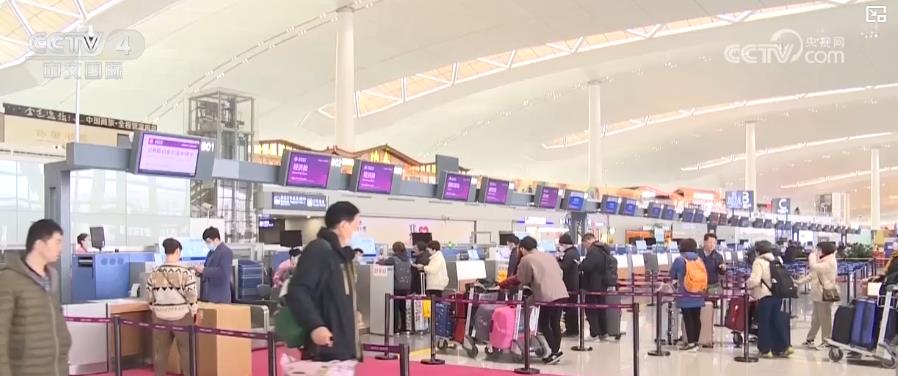
Core Viewpoint - The article highlights the vibrant atmosphere and increased tourism in the fishing town of Boge during the Spring Festival, showcasing its unique cultural and culinary offerings that attract visitors and boost local businesses. Group 1: Tourism and Local Economy - The Boge market, known for its seafood, has seen a surge in visitors during the Spring Festival, leading to fully booked hotels and bustling local businesses [20][21] - The market's operating hours have been extended to accommodate late-rising tourists, enhancing their experience of purchasing fresh seafood [14][15] - The influx of tourists has resulted in a significant increase in restaurant turnover, with some establishments reporting a 4 to 5 times higher table turnover rate compared to normal periods [29] Group 2: Seafood Industry and Cultural Significance - Local seafood sales have skyrocketed, with pre-festival sales reaching three times the usual volume, driven by traditional customs and the demand for fresh ingredients for festive meals [30][31] - The unique cultural practice of "Nian Li," where the community comes together to celebrate with seafood, has further fueled demand, with families ordering large quantities for celebrations [38][49] - The fishing community's rhythm during the festival includes a temporary pause for family reunions, followed by preparations for the upcoming fishing season to meet the demand for seafood [44][48]

【申万宏源研究春节见闻】旅居热与跨境潮:从惠州滨海到香港街头的春节轨迹
Xin Lang Cai Jing· 2026-02-23 05:34
Group 1 - The article highlights the shift from "check-in tourism" to "deep living" experiences in coastal areas like Xiaojing Bay during the extended 9-day Spring Festival holiday, driven by trends such as "reverse tourism" and "winter residence" [1][19] - Rental rates for seaside apartments surged, with many owners securing long-term tenants 1-2 months in advance, indicating a transformation of investment properties into essential travel assets [1][19] - High-end hotel prices increased to 3-4 times their usual rates during the holiday, yet demand remained strong, reflecting a robust consumer confidence in holiday spending [1][19] Group 2 - The article notes a significant increase in consumer activity in supermarkets and restaurants, with sales of seafood, fruits, and hot pot ingredients surging, indicating a high demand for local dining experiences [2][19] - The influx of tourists from various regions has led to a diverse linguistic environment, with local residents becoming a minority, showcasing the area's ability to attract family-oriented tourism previously directed towards destinations like Sanya and Xiamen [2][19] Group 3 - Xiaojing Bay's free beach access and a variety of recreational activities, such as jet skiing and paddleboarding, have attracted many visitors, demonstrating a shift towards experiential consumption [4][19] - The opening of a new coastal greenway has become a popular attraction, enhancing the area's appeal and contributing to a festive atmosphere during the holiday [4][19] Group 4 - The article discusses the emergence of the "silver economy" in Huizhou, where over 100,000 "snowbird" tourists chose to spend the winter, highlighting the city's potential as a destination for retirees [6][24] - Huizhou's advantages include affordable housing, a pleasant climate, and convenient transportation, making it an attractive option for the aging population seeking seasonal residences [7][24] Group 5 - The article emphasizes the importance of infrastructure development and healthcare services in supporting the growth of the silver economy, with Huizhou exploring innovative models for elder care [7][24] - The aging population in China is projected to reach 310 million by 2024, creating a substantial market for seasonal retirement living, with cities like Huizhou positioned to benefit [11][28] Group 6 - The article highlights the rapid recovery of tourism in Hong Kong, facilitated by improved cross-border transportation and streamlined customs processes, which have enhanced connectivity with mainland China [12][29] - During the Lunar New Year, Hong Kong is expected to see approximately 1.14 million visitors, with a 6% increase in daily visitor numbers compared to the previous year, indicating a rebound in tourism activity [13][29] Group 7 - The article illustrates the vibrant atmosphere in Hong Kong during the Lunar New Year celebrations, showcasing the city's resilience as a major international tourist destination [15][34] - The integration of Hong Kong into the Greater Bay Area is highlighted as a key factor in its tourism recovery, with improved infrastructure and policies encouraging mainland visitors [16][34]

多样出游 年味出新(文化中国行)
Ren Min Ri Bao· 2026-02-23 01:04
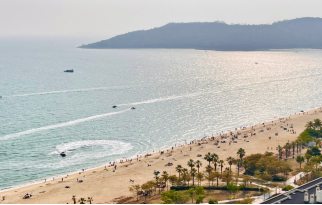
Red Tourism - The Mao Zedong Memorial Museum in Guangzhou attracts visitors interested in revolutionary history, with a focus on the training of over 800 students at the Peasant Movement Training Institute from 1924 to 1926 [6][7] - The museum features original layouts of historical rooms and artifacts, enhancing the educational experience for visitors [6][7] - Young visitors express appreciation for the sacrifices made by past revolutionaries, recognizing the contrast between their current comfortable lives and the hardships faced by earlier generations [7][8] Rural Tourism - Fish Mountain Village in Beijing's Pinggu District has become a popular destination during the Spring Festival, showcasing local culture and art [9][10] - The village has transformed a former power station into an art gallery, generating over 100,000 yuan annually for the community [9][10] - Local agricultural practices, including the cultivation of strawberries and organic vegetables, attract visitors for experiential activities like fruit picking [10] Ice and Snow Tourism - The Jinshanling Galaxy Ski Resort in Hebei has improved its snow quality and facilities, becoming a national-level ski tourism destination [11][12] - The resort offers various snow activities and is focused on enhancing visitor experiences through service upgrades [12] - The "North Polar Village" in Chengde integrates cultural experiences with winter sports, attracting tourists with immersive activities that highlight local history [13] Self-Driving Tourism - Self-driving tourism is gaining popularity, allowing families to explore scenic areas like the Three Gorges and enjoy local culinary specialties [14][15] - The flexibility of self-driving trips enables families to create personalized itineraries, enhancing their travel experiences [15]
文化中国行丨多样出游 年味出新
Ren Min Ri Bao· 2026-02-23 00:19
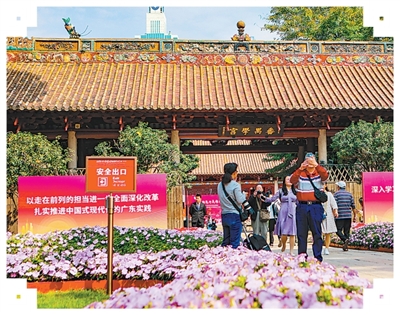
Group 1: Red Tourism - The article highlights the significance of red tourism in China, particularly focusing on historical sites like the former site of the Peasant Movement Training Institute in Guangzhou, which was instrumental in training over 800 students between 1924 and 1926 [2][3] - The current museum preserves historical artifacts and recreates the original environment of the training institute, emphasizing the sacrifices made by revolutionary figures [2][3] - Visitors, including families, express appreciation for the historical context and the impact of past struggles on present-day life, indicating a growing interest in understanding revolutionary history [4] Group 2: Rural Tourism - The article discusses the vibrant rural tourism scene in Fish Mountain Village, Beijing, where local initiatives have transformed the area into a popular destination, generating over 100,000 yuan annually from art exhibitions and coffee sales [5] - The village has diversified its offerings with agricultural experiences, including the cultivation of strawberries and organic vegetables, attracting visitors for hands-on experiences [5][6] - The development of rural tourism has led to significant improvements in local infrastructure and community engagement, enhancing the overall visitor experience [5][6] Group 3: Ice and Snow Tourism - The article describes the growth of ice and snow tourism in Hebei Province, particularly at the Jinshanling Galaxy Ski Resort, which features 18 ski trails and various attractions to cater to different visitor preferences [7][8] - The integration of cultural experiences with ice and snow activities in villages like Jiangjiadian has created unique tourism models that highlight local history and traditions [8][9] - The article emphasizes the increasing popularity of winter tourism, transforming previously quiet seasons into bustling periods for local economies [8][9] Group 4: Self-Driving Tourism - The article illustrates the appeal of self-driving tourism, allowing families to explore scenic routes and cultural landmarks at their own pace, as exemplified by a family's journey through the Enshi Tujia and Miao Autonomous Prefecture [10][11] - Local culinary experiences, such as traditional tea shop beef dishes, enhance the travel experience, showcasing regional flavors and heritage [10][11] - The flexibility of self-driving travel encourages families to discover new attractions and engage with local communities, contributing to a richer understanding of the regions visited [12][13]
长假临近尾声返程车流客流迎高峰,三亚免税销售额持续破亿
Feng Huang Wang· 2026-02-22 23:06
Group 1 - The 9-day Spring Festival holiday is nearing its end, with tourist numbers beginning to decline, yet the tourism market remains robust with multiple data points reaching new highs [1][15] - On February 22, Hunan Province received 21.8 million visitors, a year-on-year increase of 3.47%, with transaction volume reaching 72.4 million, up 52.24%, and transaction value at 7.54 billion yuan, increasing by 42.98% [2] - Hangzhou reported 2.48 million visitors on February 22, with a year-on-year growth of 53.51%, while the previous days saw even higher increases of 65.95% and 71.38% [3] Group 2 - The return travel peak is evident, with significant traffic congestion reported on major highways, indicating high travel activity as people return home [5][9] - The non-heritage immersive tourism experience is gaining popularity, with a 180% increase in search volume for non-heritage experiences during the Spring Festival, particularly among the younger generation [16] - The Guangdong-Hong Kong-Macao Greater Bay Area continues to attract tourists, with the Hong Kong-Zhuhai-Macao Bridge setting new daily traffic records during the holiday [17] Group 3 - Sanya's duty-free sales have exceeded 1 billion yuan, with sales on February 21 reaching 242 million yuan, a year-on-year increase of 214.5% [18][21] - The demand for high-quality hotels in Sanya and Haikou has surged, with occupancy rates significantly surpassing the national average, particularly in prime areas [25][27] - The younger demographic, particularly those born in the 1990s and 2000s, is driving the demand for high-quality, value-for-money accommodations, with some properties experiencing full occupancy during peak periods [27]