
服装

Search documents
深度观察丨贴息“红包”撬动消费潜能
Ren Min Ri Bao· 2025-11-17 01:56
Core Insights - The implementation of the personal consumption loan interest subsidy policy aims to stimulate consumer spending and support economic growth by reducing the cost of consumer credit [1][2][3] - The policy has been positively received by consumers and financial institutions, leading to increased loan applications and consumer spending in sectors like home appliances and furniture [3][6][7] Group 1: Policy Implementation and Impact - The personal consumption loan interest subsidy policy began in September, providing financial incentives to consumers to encourage spending [1][2] - As of the end of October, nearly 1 million customers had signed subsidy agreements, with over 1.8 million transactions recognized as eligible for the subsidy [3][10] - The policy has led to a noticeable increase in consumer purchases, particularly in home appliances and home renovations, with significant savings on interest payments [3][8] Group 2: Consumer Experience - Consumers report a seamless experience when applying for loans and receiving subsidies, with many banks offering automated systems for recognizing eligible transactions [2][9] - The convenience of online applications and automatic recognition of eligible purchases has enhanced consumer satisfaction [2][9] - The subsidy has allowed consumers to make larger purchases without the burden of high interest, leading to increased spending on essential and luxury items [5][11] Group 3: Financial Institutions' Response - Financial institutions have adapted quickly to the new policy, streamlining processes to ensure consumers can easily access the benefits [3][10] - Banks have established dedicated teams to manage the implementation of the subsidy policy, ensuring compliance and efficiency [3][10] - The collaboration between banks and e-commerce platforms has resulted in additional incentives for consumers, further driving sales during promotional events like "Double 11" [6][14] Group 4: Market Trends - The subsidy policy has led to a significant increase in the proportion of products available for interest-free installment payments, with some retailers reporting a rise from under 5% to over 50% [7][14] - E-commerce platforms have seen a nearly 40% increase in transaction volume for products covered by the subsidy since its implementation [14] - The combination of government subsidies, financial support, and retailer discounts has created a robust environment for consumer spending, positioning it as a long-term growth driver for the economy [7][10]
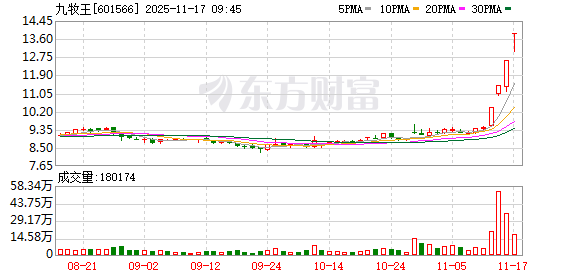
九牧王涨停走出4连板
Mei Ri Jing Ji Xin Wen· 2025-11-17 01:44
Group 1 - The core point of the article is that Jiuwu Wang has experienced a significant stock price increase, achieving a limit-up and marking its fourth consecutive trading day of gains [2] - Over the past four days, Jiuwu Wang's stock has accumulated a total increase of 46.46% [2]


戎美股份11月14日获融资买入1107.63万元,融资余额4834.90万元
Xin Lang Cai Jing· 2025-11-17 01:37
Summary of Rongmei Co., Ltd. Core Viewpoint - Rongmei Co., Ltd. has experienced a decline in stock performance and financial metrics, indicating potential challenges in its business operations and market position. Group 1: Stock Performance and Financing - On November 14, Rongmei's stock fell by 0.97%, with a trading volume of 92.47 million yuan [1] - The financing buy-in for Rongmei on the same day was 11.08 million yuan, while financing repayment was 15.36 million yuan, resulting in a net financing outflow of 4.29 million yuan [1] - As of November 14, the total financing and securities lending balance for Rongmei was 48.35 million yuan, accounting for 1.39% of its market capitalization, which is above the 50th percentile level over the past year [1] Group 2: Business Performance - As of September 30, the number of shareholders for Rongmei was 16,800, a decrease of 11.09% from the previous period [2] - The average circulating shares per person increased by 12.47% to 11,153 shares [2] - For the period from January to September 2025, Rongmei reported revenue of 442 million yuan, a year-on-year decrease of 9.99%, and a net profit attributable to shareholders of 43.29 million yuan, down 34.34% year-on-year [2] Group 3: Dividend Distribution - Since its A-share listing, Rongmei has distributed a total of 363 million yuan in dividends [3] - Over the past three years, the cumulative dividend payout has been 322 million yuan [3]
森马服饰11月14日获融资买入3445.98万元,融资余额1.94亿元
Xin Lang Zheng Quan· 2025-11-17 01:19
Core Insights - On November 14, Semir Apparel experienced a decline of 1.51% with a trading volume of 301 million yuan, indicating market volatility [1] - As of September 30, 2025, Semir Apparel reported a revenue of 9.844 billion yuan, reflecting a year-on-year growth of 4.74%, while the net profit attributable to shareholders decreased by 28.90% to 537 million yuan [2] Financing and Margin Trading - On November 14, Semir Apparel had a financing buy-in amount of 34.46 million yuan and a net financing purchase of 4.35 million yuan, with a total financing and margin trading balance of 197 million yuan [1] - The current financing balance of 194 million yuan accounts for 1.23% of the circulating market value, indicating a high level compared to the past year [1] Shareholder and Dividend Information - As of September 30, 2025, the number of shareholders for Semir Apparel increased by 20.28% to 49,900, while the average circulating shares per person decreased by 16.86% to 44,299 shares [2] - Since its A-share listing, Semir Apparel has distributed a total of 12.585 billion yuan in dividends, with 2.694 billion yuan distributed in the last three years [3]

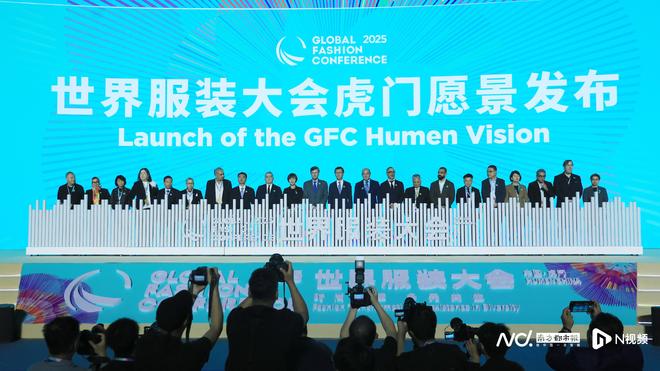
2025世界服装大会在虎门开幕,服装产业经历“三年之变”
Nan Fang Du Shi Bao· 2025-11-17 00:28
Core Insights - The 2025 World Fashion Conference opened in Dongguan, focusing on the theme "Fashion Transformation, Diverse Coexistence," attracting nearly 1,000 participants from around 20 countries and regions [1][3] - The conference emphasized the opportunities presented by a new round of technological revolution and industrial transformation, exploring how technology reshapes industry logic and promotes digital, intelligent, and green transformation [1][5] Group 1: Industry Development - The "Humen Moment" segment highlighted Humen's city industry promotion and clothing industry cooperation trends, positioning Humen as a "flow portal" in the Guangdong-Hong Kong-Macao Greater Bay Area [3][5] - Humen's clothing brand value has exceeded 170 billion yuan, with the successful registration of the "Humen Clothing" collective trademark, enhancing its global brand presence [5][7] Group 2: Industrial Optimization - Humen is optimizing its industrial layout with a "three zones, two belts, and one core" model, collaborating with the China Textile Federation to establish a nearly 10 square kilometer "world-class clothing industry cluster pilot area" [7][8] - The establishment of various clothing industrial parks, such as the Yiliu Fashion Industrial Park, has been accelerated since the World Fashion Conference [7] Group 3: Digital Transformation - Humen is leveraging a "digital intelligence engine" to drive industry innovation, integrating industrial internet and AI across design, production, and management [7][8] - The "Guanfu Cloud" digital platform and other initiatives have been launched to support data analysis, AI design, and cloud supply chain connections, enhancing market responsiveness and production efficiency [7][8] Group 4: Future Directions - Humen aims to focus on "technology, fashion, green, and health" to enhance the "Humen Clothing" brand and create a first-class industrial development environment [8]
贴息“红包”撬动消费潜能
Xin Hua Wang· 2025-11-17 00:15
Core Viewpoint - The implementation of the "Personal Consumption Loan Interest Subsidy Policy" aims to stimulate consumer spending and support economic growth by reducing the cost of consumer credit through government subsidies [1] Group 1: Policy Implementation and Impact - The subsidy policy began in September and is designed to lower the cost of consumer loans, thereby enhancing consumer purchasing power and promoting economic recovery [1] - The policy is expected to work synergistically with other initiatives, such as the "old-for-new" consumption policy, creating a greater overall impact on consumer spending [1] - As of the end of October, nearly 1 million customers had signed subsidy agreements, with over 1.8 million transactions recognized as eligible for the subsidy [3] Group 2: Consumer Experience and Benefits - Consumers have reported significant savings; for example, one individual saved over 1,000 yuan in interest on a loan for home appliances due to the subsidy [2] - The process for consumers to access the subsidy has been streamlined, with many banks implementing systems that automatically recognize eligible transactions, making it easier for consumers to benefit from the policy [2][3] - The policy has led to a notable increase in the adoption of interest-free installment payments, particularly during major shopping events like "Double 11," where the coverage of interest-free products increased by 60% [5] Group 3: Financial Institutions' Role - Financial institutions have adapted their services to facilitate the subsidy, with banks creating dedicated teams to ensure compliance and efficiency in processing applications [3] - The Agricultural Bank of China reported that it had provided 1.2 billion yuan in subsidized loans, benefiting over 10,000 customers [8] - Traffic Bank has also streamlined its processes, issuing over 320 million yuan in personal consumption loans, with a significant portion allocated to automobile purchases [13] Group 4: Broader Economic Implications - The collaboration between fiscal and financial tools is seen as a way to enhance the effectiveness of government spending and lower consumer financing costs, ultimately improving living standards [9] - The policy has encouraged businesses to offer additional discounts and incentives, further stimulating consumer demand and contributing to economic growth [5][10]

浙江步森服饰股份有限公司 关于股票交易异常波动公告
Zhong Guo Zheng Quan Bao - Zhong Zheng Wang· 2025-11-16 22:35
登录新浪财经APP 搜索【信披】查看更多考评等级 本公司及董事会全体成员保证信息披露的内容真实、准确、完整,没有虚假记载、误导性陈述或重大遗 漏。 特别风险提示: 1、公司分别于2025年9月8日、2025年10月9日、2025年11月12日在巨潮资讯网上 (www.cninfo.com.cn)披露了《关于筹划出售资产涉及重大资产重组的提示性公告》(公告编号: 2025-058)、《关于筹划重大资产重组的进展公告》(公告编号:2025-060)、《关于筹划重大资产重 组的进展公告》(公告编号:2025-066)。截至本公告披露日,本次交易尚处于筹划阶段,公司正就有 关事项同各相关方持续沟通协商中,交易各方尚未签署正式交易文件。本次交易相关事项尚存在重大不 确定性,可能出现因外部环境变化导致交易条件发生变化或公司与交易各方未能就相关事项达成一致等 情形,进而导致交易终止的情况。敬请广大投资者充分注意相关风险! 2、公司2024年度审计机构北京国府嘉盈会计师事务所(特殊普通合伙)对公司出具了2024年度审计报 告,公司触及《深圳证券交易所股票上市规则》第9.3.1条(一)的规定:上市公司出现"最近一个会计 年度经 ...

贴息“红包”撬动消费潜能(深度观察)
Ren Min Ri Bao· 2025-11-16 21:54
Core Viewpoint - The implementation of the "Personal Consumption Loan Financial Subsidy Policy" aims to stimulate consumer spending and support economic growth by reducing the cost of consumer credit through financial subsidies [1][2]. Group 1: Policy Implementation and Impact - The subsidy policy began in September and is designed to lower the cost of consumer loans, thereby enhancing consumer purchasing power and promoting economic recovery [1][3]. - The policy has been well-received, with nearly 1 million customers signing subsidy agreements and over 1.8 million transactions recognized as eligible for subsidies by the end of October [3][10]. - The combination of the subsidy policy with other initiatives, such as trade-in programs, is expected to create a synergistic effect that enhances consumer spending [1][7]. Group 2: Consumer Experience and Benefits - Consumers report a seamless experience when applying for loans and receiving subsidies, with many banks offering automated systems for recognizing eligible transactions [2][9]. - For example, a consumer in Dongguan saved over 1,000 yuan in interest by utilizing the subsidy for a loan on home appliances [2][9]. - The policy has led to significant increases in the adoption of interest-free installment plans, with some retailers reporting a 60% increase in eligible products during promotional events [6][7]. Group 3: Financial Institutions' Role - Major banks, including state-owned and joint-stock commercial banks, have actively participated in the implementation of the subsidy policy, streamlining processes to facilitate consumer access [5][16]. - Financial institutions have developed dedicated systems to ensure compliance and efficiency in processing subsidy applications, enhancing customer service [3][10]. - The Agricultural Bank of China reported that it has provided 1.2 billion yuan in subsidies to over 10,000 customers since the policy's launch [10][16]. Group 4: E-commerce and Retail Response - E-commerce platforms and retailers have responded positively to the subsidy policy, with many offering additional discounts and interest-free financing options to attract consumers [6][14]. - The integration of the subsidy with online shopping platforms has made it easier for consumers to benefit from financial support without additional steps [5][14]. - Retailers have noted a significant increase in sales of high-ticket items, such as home appliances and vehicles, attributed to the financial incentives provided by the policy [7][15].
锦泓集团20251114
2025-11-16 15:36
Summary of Jin Hong Group's Conference Call Company Overview - **Company**: Jin Hong Group - **Date**: November 14, 2025 Key Points Financial Performance - **Revenue**: For the first three quarters of 2025, the group's revenue decreased by 1.05% year-on-year, totaling 28.3 billion yuan, with a 3.03% decline in consolidated revenue [2][3] - **Net Profit**: Net profit fell by 29.4% year-on-year, with a significant drop of 97% in Q3 [2][3] - **Cash Flow**: Operating cash flow decreased by 62%, indicating increased short-term operational pressure [2][3][8] - **Q3 Performance**: In Q3, revenue was 8.4 billion yuan, down 0.55% year-on-year, with a consolidated operating profit of 1.499 billion yuan, a 29.5% decline [3][4] Brand Performance - **CNE Brand**: Revenue for the first three quarters was 22.54 billion yuan, down 1.05%, but Q3 saw a 1.69% increase. The brand's net profit showed a 29.78% growth after excluding non-recurring items [2][3][4] - **Vias Brand**: Revenue decreased by 12.64% to 4.99 billion yuan, with a loss of 16.23 million yuan in Q3 [3][4] - **Lin Jing Original Brand**: Revenue increased by 31.4% to 80.31 million yuan, with Q3 growth of 56% [3][4] Sales Channels - **CNE Sales**: Offline sales decreased by 1%, while online sales grew by 3% [2][5] - **Vias Sales**: Offline sales dropped by 11%, with online sales showing growth [2][5] - **Lin Jing Sales**: Both online and offline sales increased, with online growth particularly strong [2][5] Operational Efficiency - **Inventory Management**: Inventory turnover rate decreased, with inventory balance increasing significantly, especially for new brands [9][17] - **Accounts Receivable**: Slight decline in accounts receivable turnover rate, indicating a need for improved operational efficiency [9] Cost and Margin Analysis - **Gross Margin**: The group's overall gross margin was 67%, slightly down year-on-year, with CNE's online gross margin declining significantly due to increased discount rates [6][26] - **Discount Strategy**: Increased discount rates were noted, particularly for new products, impacting gross margins but aimed at enhancing long-term competitiveness [7][25][26] Future Outlook - **Investment in R&D**: R&D expenditure as a percentage of revenue increased to 3.5% [8] - **New Business Growth**: IT licensing business is expected to exceed 60 million yuan in revenue for the year, indicating growth potential in new channels [3][21] - **Strategic Focus**: The company plans to focus on core categories and hero products, with a strategy to streamline product offerings [27][28] Challenges and Risks - **Vias Brand Challenges**: The brand continues to face significant challenges, with cautious investment strategies in place to manage performance [12][32] - **Government Subsidy Changes**: Reduction in government subsidies due to policy adjustments, with future support contingent on compliance with national industrial policies [23] Miscellaneous - **Sales Performance During Promotions**: Positive sales growth was observed during the Double Eleven shopping festival, with increased online discount rates contributing to revenue growth [11][19] - **Future Financial Expectations**: Anticipated decrease in financial expenses in 2026, supporting overall performance outlook [32] This summary encapsulates the key insights from Jin Hong Group's conference call, highlighting financial performance, brand dynamics, operational efficiency, and future strategies.

月度社零解读:大消费景气展望
2025-11-16 15:36
Summary of Key Points from Conference Call Records Industry Overview - **Consumer Goods and Retail**: October saw a significant decline in consumer spending, particularly in home appliances and automobiles, with declines of -14.6% and -6.6% respectively. However, communication equipment and cultural office supplies experienced growth due to low base effects from the previous year [1][2] - **E-commerce and Logistics**: During the Double Eleven shopping festival, express delivery volume reached 13.938 billion packages, with a daily average collection significantly above normal levels, indicating strong consumer enthusiasm [4] - **International Trade**: The 2025 China International Import Expo recorded a historic high in transaction volume at $83.49 billion, reflecting active international trade and potential economic recovery [5] Economic Trends - **Investment Trends**: Investment fell further to -1.7% in October, with fixed asset investment declining to -12.2%. The real estate sector showed a notable downturn, but stabilization in second-hand housing prices may lead to a recovery in new home sales by the second half of 2026 [6][7] - **Economic Growth Forecast**: The target for 5% growth in 2025 remains achievable, but policies need to be implemented to address pressures from export and consumption bases. The real estate market is expected to stabilize with policy support, enhancing economic resilience [8] Emerging Consumer Trends - **New Consumption Areas**: Key trends include the 2.0 era of brand globalization, emotional value, AI applications, and channel transformation. Regulatory measures are expected to increase industry concentration, benefiting compliant large e-commerce companies [9][10] - **AI and 3D Printing**: The AI and 3D printing category saw over 200% growth during Double Eleven, with prices dropping significantly, indicating a growing market and increased consumer penetration [13] Sector-Specific Insights - **Alcohol Industry**: The liquor sector is entering a low season with limited price expectations due to dealer losses, but the downward space is expected to be limited [14][15] - **Restaurant Sector**: The restaurant chain sector showed signs of improvement in October, with a year-on-year growth of 3.81% in retail sales [16] - **Soft Drinks**: The soft drink sector experienced a year-on-year growth of 7.11% in October, with expectations for stable growth despite competitive pressures [17][18] - **Snack Industry**: The snack sector remains in a high prosperity phase, with strong sales expected during the upcoming Spring Festival [19] Regulatory and Market Dynamics - **Tax Regulation Impact**: The implementation of tax regulations has leveled the competitive landscape, favoring larger compliant companies [10] - **Partnerships in the Toy Industry**: The collaboration between Pop Mart and Sony Pictures is expected to enhance IP lifecycle and global market reach, despite some market concerns [11] Technology and Innovation - **Xiaomi's Milok OS**: Xiaomi launched the Milok operating system, marking a significant innovation in the home appliance sector, with potential for market leadership [12] - **AI Glasses Market**: The AI glasses market is expected to grow rapidly, with several new products set to launch [29] Automotive Sector Analysis - **October Performance**: October saw a slight decline in automotive sales, with narrow growth in new energy vehicles. Exports remained strong, particularly for new energy vehicles [37][38] - **Future Outlook**: The automotive market is expected to remain stable in November and December, with new energy vehicle penetration projected to exceed 60% [38][39] Conclusion - The overall economic landscape shows signs of resilience despite challenges in specific sectors. Emerging trends in consumer behavior, regulatory impacts, and technological advancements present both opportunities and risks for investors. Continued monitoring of these dynamics will be crucial for identifying potential investment opportunities.