
船舶制造

Search documents
执法服务并举,助力绿色发展——仪征生态环境局创新模式强化船舶企业群生态环境监管
Yang Zi Wan Bao Wang· 2025-10-13 05:30
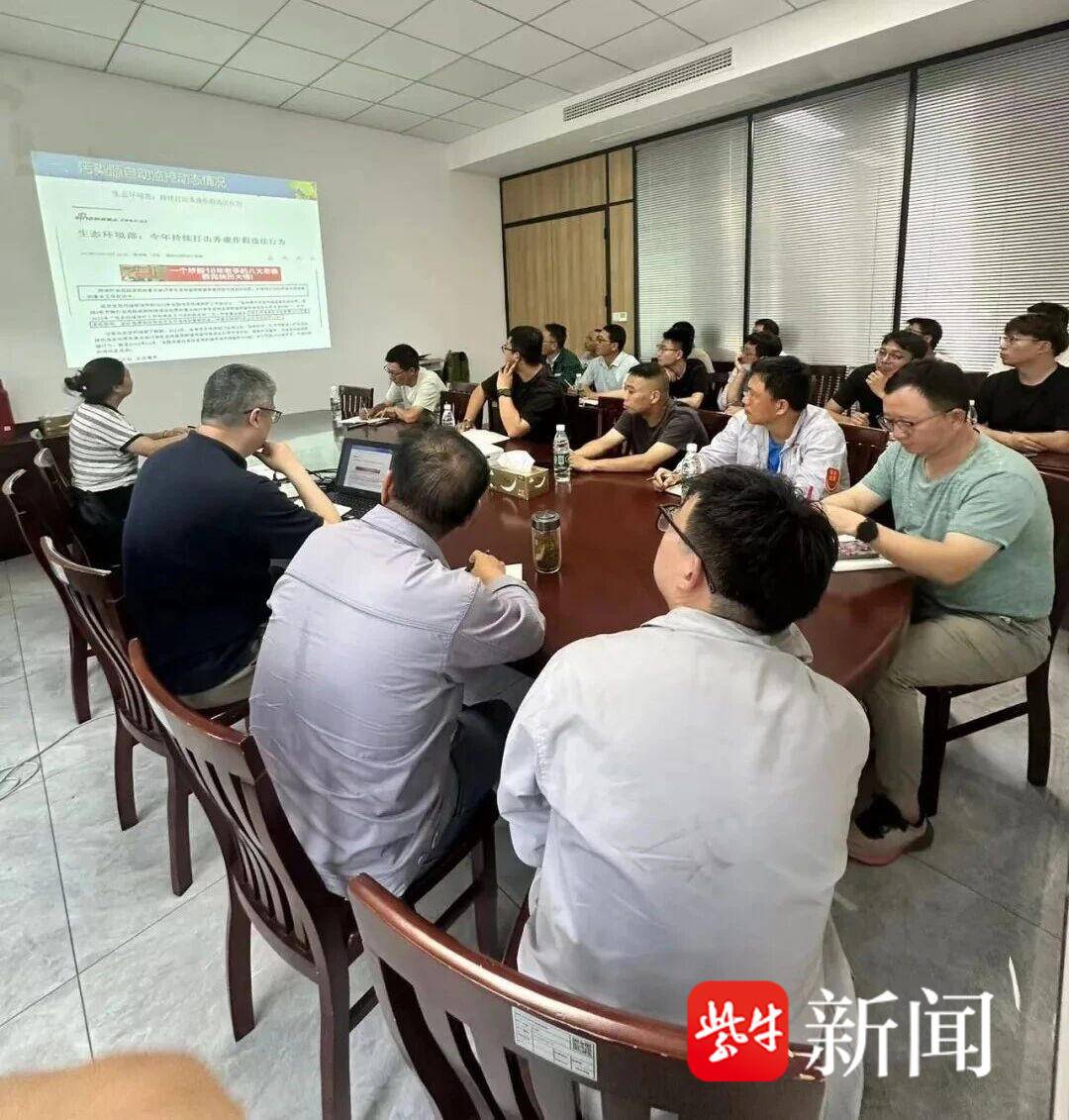
Core Viewpoint - The Yizheng Ecological Environment Bureau is implementing a new model of "law enforcement + service" to enhance environmental management in the shipbuilding industry, promoting green and low-carbon transformation through proactive measures and effective monitoring [1][3]. Group 1: Regulatory and Monitoring Enhancements - The Yizheng Ecological Environment Bureau organized a specialized training session for 11 shipbuilding enterprises to improve the operation management of automatic monitoring facilities, focusing on legal regulations, equipment maintenance, and data management [3]. - A comprehensive non-site law enforcement network is being established, utilizing video surveillance and drone technology to monitor key production areas, enhancing the efficiency and precision of environmental oversight [5]. Group 2: Risk Management and Support Services - The bureau is conducting thorough environmental safety inspections at shipyards, focusing on hazardous waste management and emergency preparedness, while providing guidance to help enterprises improve their environmental risk management capabilities [7]. - Future initiatives will include a combination of strict enforcement and optimized services, leveraging technology for non-site monitoring and continuing legal education and technical support for shipbuilding enterprises to facilitate their green transformation [7].

兴业证券孔祥杰:并购业务将进一步支持科技创新型企业补链强链
券商中国· 2025-10-12 03:58
Core Viewpoint - The "Six Opinions on Deepening the Reform of Mergers and Acquisitions Market" issued by the China Securities Regulatory Commission has revitalized the M&A market, emphasizing marketization, rule of law, and internationalization, reshaping the ecosystem of the M&A market [1][3][10] Summary by Sections M&A Market Dynamics - The implementation of the "Six Opinions" has led to a series of new supportive policies, enhancing the activity level of the M&A market, particularly in hard technology and strategic emerging industries [1][3] - Horizontal mergers are becoming dominant, with most successful cases being within the same industry or along the industrial chain [2][3] Role of State-Owned Enterprises - Central and state-owned enterprises are playing a leading role in driving industrial integration, as seen in significant transactions like China Shipbuilding's acquisition of China State Shipbuilding Corporation, valued at over 100 billion [3] Investment Banking Opportunities - The complex internal and external environment of the capital market presents opportunities for M&A business development, driven by strong demand for industrial integration and supportive policies [5] - The revised regulations have increased the loan ratio for technology-based acquisitions to 70%, alleviating financial pressures on enterprises [5] Strategic Focus of Investment Banks - Investment banks are required to enhance their capabilities in understanding emerging industries and technologies, improving valuation and pricing abilities, and integrating resources effectively [5][6] - Investment banks like Industrial Securities are establishing dedicated departments for M&A, focusing on sectors such as TMT, carbon neutrality, and high-end manufacturing [6] Challenges in Cross-Border M&A - Cross-border mergers, particularly those involving traditional companies entering high-growth emerging sectors, face challenges due to industry knowledge gaps and differing valuation methods [8][9] - The integration of businesses in cross-border M&A requires a deep understanding of industry dynamics and meticulous risk management [8] Future Outlook - Despite challenges, there is confidence in the continued activity of M&A in hard technology and strategic emerging industries, with opportunities in cross-border M&A for technological complementarity and regional layout [10]


大金重工首制船顺利吉水
Xin Lang Cai Jing· 2025-10-11 02:49
Core Insights - The KING ONE, a 40,000-ton deck transport vessel manufactured by Daikin Heavy Industries, has successfully launched, marking a significant advancement in marine engineering transportation capabilities [1] Company Summary - Daikin Heavy Industries has designed and developed the KING ONE specifically for the transportation of offshore wind power and oil and gas equipment, showcasing its commitment to marine engineering [1] - The vessel measures 240 meters in length, 51 meters in width, and 13 meters in depth, with a maximum carrying capacity of 40,000 tons and a range of 16,000 nautical miles [1] Industry Summary - The successful launch of the KING ONE is expected to enhance the efficiency of transporting large marine engineering equipment, addressing the growing demand in the offshore wind and oil and gas sectors [1] - The vessel is set to undergo trials and certification processes, with its first voyage anticipated in early 2026, indicating a proactive approach to meeting industry needs [1]

美国宣布将从芬兰采购11艘破冰船
Xin Hua Wang· 2025-10-10 10:48
Core Points - The U.S. plans to purchase 11 icebreakers from Finland, with some to be built in Finland and others in the U.S. [1] - A memorandum of understanding will be signed to establish commercial cooperation between the U.S. Coast Guard and Finnish companies [1] - The previous U.S. administration signed an agreement with Canada and Finland to jointly develop world-class polar icebreakers [1] - The U.S. aims to strengthen its presence in the Arctic by potentially ordering 48 icebreakers [1] Summary by Categories Purchase Agreement - The U.S. intends to buy 11 icebreakers from Finland, with 4 to be constructed in Finland and 7 in the U.S. [1] - The exact procurement amount has not been disclosed [1] Cooperation and Agreements - A memorandum of understanding will be signed to lay the foundation for business cooperation between the U.S. Coast Guard and Finnish enterprises [1] - The agreement aims to enhance collaboration in icebreaker manufacturing [1] Strategic Intent - The U.S. is focused on strengthening its Arctic presence, as indicated by the potential order of 48 icebreakers [1] - The collaboration with Finland is part of a broader strategy to develop advanced polar icebreakers [1]
中集安瑞科获4艘LNG加注船大单
Xin Lang Cai Jing· 2025-10-10 09:01
Core Insights - CIMC Enric announced contracts for the construction of four LNG bunkering vessels, including two 18,900 cubic meter vessels for Singaporean owner Purus and two plus two 20,000 cubic meter vessels for GSX Energy [1] Group 1 - The contracts with Purus involve leasing the two vessels to Shell [1]

杉杉股份重整落地,“民营船王”任元林拟入主
Huan Qiu Lao Hu Cai Jing· 2025-10-10 08:12
Group 1 - The core point of the article is that Singshan Co., Ltd. has signed a restructuring investment agreement with a consortium led by New Yangzi Trading and New Yangzi Shipping, which will acquire a controlling stake of 23.36% in Singshan Co. for a total consideration of 3.284 billion yuan [1] - The restructuring is a response to the financial crisis faced by Singshan Group following the sudden death of its chairman, Zheng Yonggang, which led to internal control disputes and management turmoil [2] - Singshan Co. focuses on the dual main businesses of lithium battery anode materials and polarizers, with its subsidiary Singshan Technology leading the industry in artificial graphite shipments, accounting for 21% of the total shipments in the anode industry [2] Group 2 - In the first half of this year, Singshan Co. achieved a total operating revenue of 9.858 billion yuan, representing a year-on-year increase of 11.78%, and a net profit attributable to shareholders of 207 million yuan, up 1079.59% year-on-year [2] - The two core main businesses of Singshan Co. generated a combined net profit of 415 million yuan [2]

京东集团沈建光:中国发展游艇经济的五大带动效应
Di Yi Cai Jing· 2025-10-10 07:25
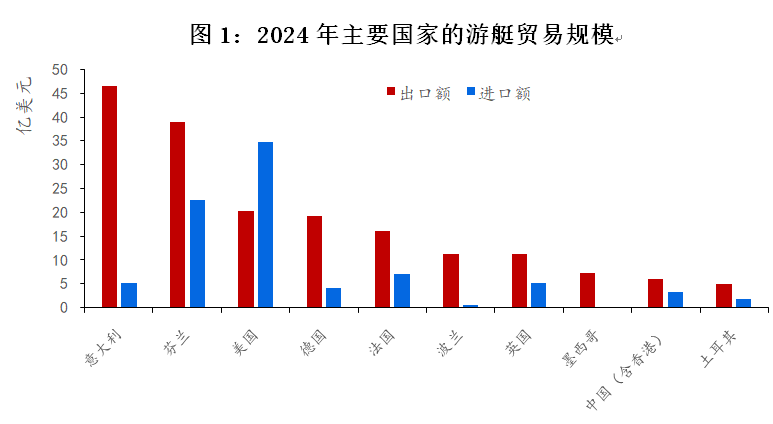
Core Insights - The development of China's yacht economy is still in its early stage characterized by "supply not meeting demand" despite favorable conditions such as a per capita income of approximately $13,500 and good port infrastructure [2][3] - The yacht industry has a long supply chain involving design, manufacturing, sales, consumption, supporting services, and infrastructure, which can significantly contribute to economic growth and job creation [1][2] Industry Overview - China's shipbuilding industry has a dominant global position in oil tankers, cargo ships, and container ships, accounting for over 50% of the global shipbuilding market in terms of completed and ordered vessels [2][3] - In contrast, the yacht manufacturing sector is lagging, with a projected output value of only 12.8 billion yuan ($1.9 billion) in 2024 and exports of merely $600 million, significantly lower than Italy, the Netherlands, and Germany [2][3][4] Economic Impact - The yacht economy can drive service consumption, which has been increasingly important for China's GDP growth, with service consumption currently at only 17.9% compared to the U.S. at 45.8% [9][10] - The yacht economy can stimulate various sectors, including high-end tourism, professional services, and training industries, thereby enhancing overall economic activity [10][12] Employment Opportunities - The yacht economy has the potential to create numerous job opportunities across manufacturing, maintenance, and service sectors, with examples from regions like Zhuhai and Sanya demonstrating significant employment generation [16][17] - In comparison, the U.S. yacht industry saw employment rise from 691,000 in 2018 to 812,000 in 2023, while Italy's yacht economy created 157,000 jobs in 2022 [16][17] Infrastructure Development - The growth of the yacht economy necessitates upgrades to infrastructure, including ports, waterways, and public facilities, which can enhance regional economic attractiveness [17][18] - Successful yacht economies, such as those in Monaco and Cannes, serve as international symbols, attracting investment and talent while improving local infrastructure [17][18] Policy Recommendations - To fully realize the potential of the yacht economy, targeted policies should be implemented during the 14th Five-Year Plan period, focusing on top-level design, market access, and innovation encouragement [2][18]

天海防务终止不超7.9亿定增 近1年半经营现金净额均负
Zhong Guo Jing Ji Wang· 2025-10-10 06:41
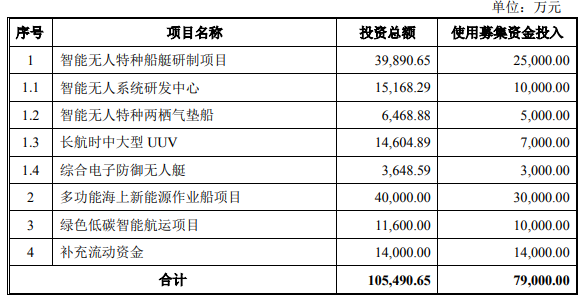
Core Viewpoint - Tianhai Defense has announced the termination of its 2022 plan to issue shares to specific investors due to significant changes in the industry and market environment, which rendered the original plan ineffective in achieving its objectives [1][2]. Summary by Relevant Sections Termination of Share Issuance - The company held a board meeting on October 9, 2025, where it approved the termination of the share issuance plan [1]. - The decision was made after thorough communication and analysis among relevant parties, considering the company's strategic planning and market conditions [1]. Previous Share Issuance Plan - The original plan aimed to raise up to RMB 790 million, with net proceeds intended for projects including the development of intelligent unmanned special vessels, multi-functional offshore new energy vessels, green low-carbon intelligent shipping, and to supplement working capital [2][3]. - Specific projects included: - Intelligent unmanned special vessel development: RMB 250 million allocated from total investment of RMB 398.9065 million - Multi-functional offshore new energy vessel project: RMB 300 million allocated from total investment of RMB 400 million - Green low-carbon intelligent shipping project: RMB 100 million allocated from total investment of RMB 116 million - Supplementing working capital: RMB 140 million [3]. Financial Performance - In 2024, the company reported operating revenue of RMB 3.945 billion, a 9.4% increase from 2023, and a net profit attributable to shareholders of RMB 138.5 million, a 36.4% increase from the previous year [4][5]. - The company has faced negative cash flow from operating activities for the past 1.5 years, with a net cash flow of -RMB 360 million in 2024 [4][5]. - For the first half of 2025, the company reported operating revenue of RMB 1.843 billion and a net profit of RMB 126 million [6].

超百亿!恒力重工两周内签订12艘VLCC
Zhong Jin Zai Xian· 2025-10-10 05:01
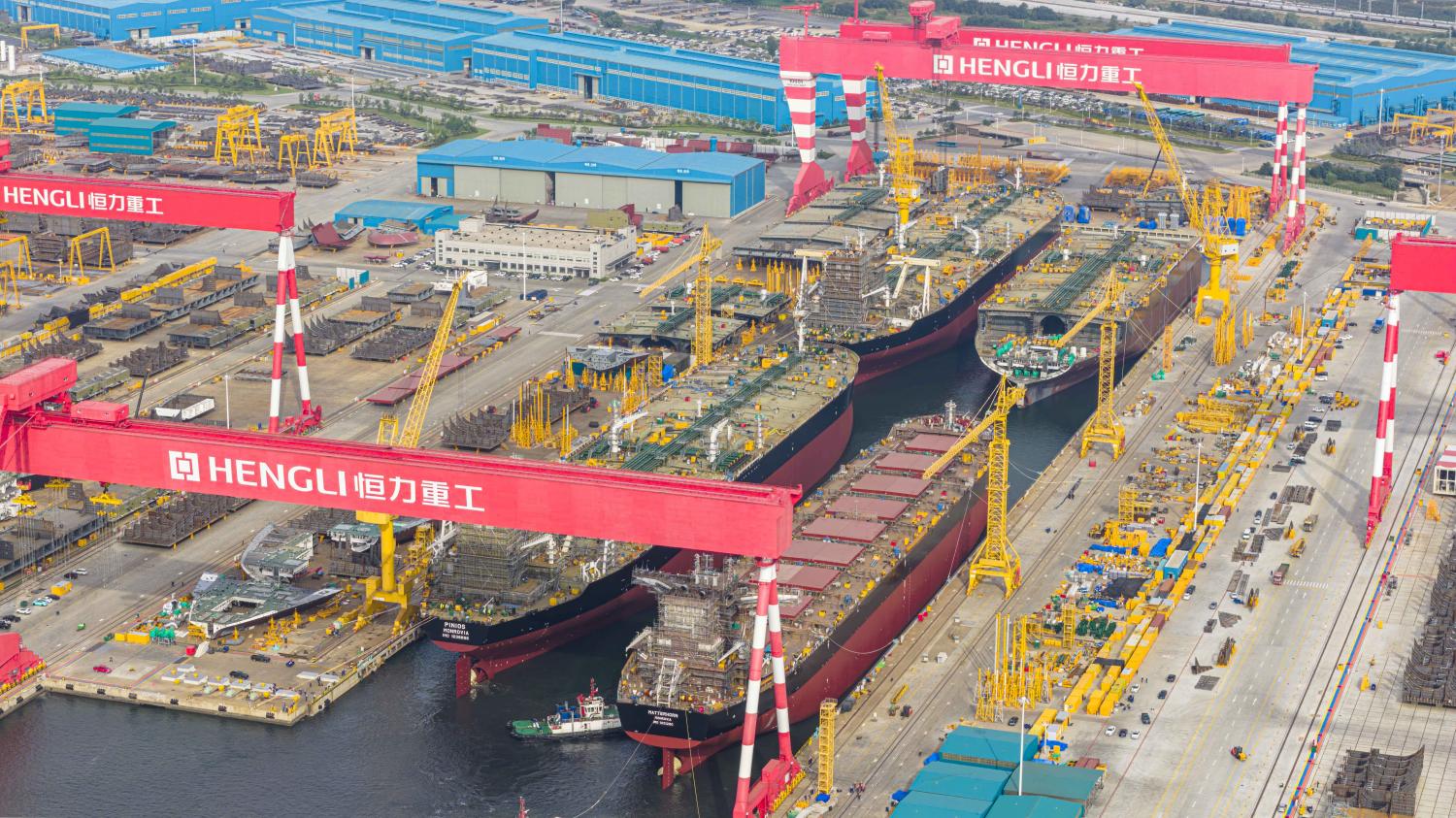
Core Insights - Hengli Heavy Industry has signed contracts for the construction of 12 Very Large Crude Carriers (VLCCs) with several international shipping giants, with total orders exceeding 10 billion [1][2] - The collaboration with companies such as Norway's Frontline and Greece's Dynacom and Laskaridis enhances Hengli Heavy Industry's position in the international shipbuilding market [1][2] Company Performance - Hengli Heavy Industry continues to achieve breakthroughs in high-end shipbuilding, gaining trust from numerous internationally renowned shipping companies due to its advanced technological innovations and rich shipbuilding experience [2] - The signing of these contracts not only demonstrates Hengli Heavy Industry's strong capabilities in shipbuilding but also marks an increase in its influence in the international shipping market [2] Industry Impact - The recent large orders are expected to promote sustainable development in the shipping industry and inject new vitality into the global shipping market [2] - As orders are delivered, Hengli Heavy Industry is likely to occupy a more significant position in the global shipping market, contributing to China's transition from a shipbuilding power to a shipbuilding stronghold [2]
恒力重工两周内签订12艘VLCC,订单总金额突破百亿
Zheng Quan Shi Bao Wang· 2025-10-10 03:33
Core Insights - Hengli Heavy Industry has signed contracts for the construction of 12 Very Large Crude Carriers (VLCCs) with several international shipping giants, with a total order value exceeding 10 billion [1] - The collaboration with companies such as Norway's Frontline and Greece's Dynacom enhances Hengli Heavy Industry's position in the international shipbuilding market and aims to meet global shipping demands with high-quality vessels [1] - Hengli Heavy Industry aims to continue deepening partnerships with international shipping leaders and innovate in high-end shipbuilding to boost China's competitiveness in the global market [1] Company Developments - Hengli Heavy Industry has achieved a significant milestone by completing the transition from "0" to "1" in the design and construction of its first self-designed VLCC within just over a year, showcasing its technical capabilities [2] - The company has received a total of 6 VLCC orders from a major shipping giant, with current orders extending to 2029, positioning Hengli Heavy Industry as the largest single-entity shipbuilding base globally [2] - The company focuses on creating world-class, high-end, intelligent, and environmentally friendly shipbuilding and equipment manufacturing, with a comprehensive competitive advantage in technology and integrated industrial chains [1][2] Industry Context - VLCCs are crucial for global oil transportation due to their large carrying capacity and high efficiency, and their construction is a key indicator of a shipyard's overall strength [1] - The recent contracts and innovations in energy efficiency and environmental protection in VLCC design are expected to enhance operational efficiency and economic benefits for shipowners [2]