啤酒

Search documents
“智改数转”+就近配套!遂宁食品饮料业“风生水起”
Sou Hu Cai Jing· 2025-09-28 16:44
Core Viewpoint - The food and beverage industry in Suining is experiencing rapid growth, with significant investments in smart manufacturing and local supply chain integration, exemplified by the recent developments at Nanbo Brewery and other local enterprises [1][3][6]. Group 1: Company Developments - Nanbo Brewery's second production base, with an annual capacity of 100,000 tons, has commenced construction, aiming to increase the total annual beer production in Suining to 300,000 tons [1]. - The brewery has successfully revived a previously closed facility within six months, with the first batch of products launched in June [1]. - The brewery's production processes have been fully digitized, significantly reducing labor requirements in the bottling process from 100-150 workers to about 10 [5]. Group 2: Industry Growth - Suining's GDP reached 921.8 billion yuan in the first half of the year, with the food and beverage sector growing at a rate of 10.7% [3]. - The local government has introduced initiatives to support the digital transformation and technological upgrades in the food and beverage industry, including a budget of 15 million yuan annually for equipment updates [6][8]. Group 3: Smart Manufacturing - The implementation of smart technologies in food processing, such as AI quality inspection systems and automated production lines, has led to significant labor cost savings, with some companies reporting reductions of over 30% [5]. - The local government is promoting collaboration between enterprises and educational institutions to enhance production technology and product development [6]. Group 4: Local Supply Chain Integration - A recent industry networking event in Suining highlighted the importance of local supply chain partnerships, with many companies seeking to source materials from nearby suppliers to reduce costs [7]. - The establishment of a collaborative working group by the local government aims to strengthen the food and beverage industry's supply chain and enhance local resource sharing [8][9]. - Nanbo Brewery is actively seeking local suppliers for raw materials, including glass bottles and packaging [9].


上市公司掘金“票根经济”
Zheng Quan Ri Bao· 2025-09-28 16:12
Group 1 - The "ticket root economy" is rapidly emerging across China, connecting various consumption scenarios and creating a new consumption model that benefits both businesses and consumers [1][2] - The model allows consumers to use tickets from transportation, sports, and cultural events to receive discounts, points, or vouchers for subsequent purchases, promoting a chain experience rather than a single purchase [2][3] - Various cities are actively promoting the "ticket root economy" in anticipation of the upcoming Golden Week, with initiatives that offer exclusive benefits to consumers based on their event tickets [2] Group 2 - A number of listed companies are seizing opportunities within the "ticket root economy," including those in the outdoor sports, retail, and technology sectors [3] - Beijing Sanfu Outdoor Products Co., Ltd. is leveraging its brand experience to offer discounts to consumers holding tickets from events, even without direct sponsorship [3] - Shanghai New World Co., Ltd. is exploring "thematic marketing" strategies and creating packages that integrate travel, consumption, and accommodation, aiming to build a diverse cultural and tourism consumption ecosystem [3]


飞天茅台批价回升,推荐白酒底部配置
SINOLINK SECURITIES· 2025-09-28 11:13
Investment Rating - The report suggests a positive outlook for the liquor sector, particularly for high-end brands like Guizhou Moutai and Wuliangye, indicating a left-side configuration opportunity in the white liquor segment [3][12][14]. Core Insights - The report highlights that the core products in the liquor industry, such as Feitian Moutai and Wuliangye, have seen a rebound in wholesale prices, attributed to effective channel management by manufacturers [2][12]. - It is anticipated that the sales volume in the white liquor sector will decline by approximately 20% year-on-year, but the rate of decline is expected to narrow compared to previous months, indicating a potential stabilization in the market [11][12]. - The report emphasizes the increasing diversification of purchasing channels for liquor, with a notable shift towards online and new media platforms, which is reshaping consumer behavior [2][12][14]. Summary by Sections White Liquor - The report notes a recovery in the wholesale prices of key products, driven by improved channel management and a positive reception during the upcoming Mid-Autumn and National Day holidays [2][12]. - It suggests that the white liquor sector is entering a phase where inventory levels can be significantly reduced, leading to a temporary release of price pressure [12][14]. - Recommendations include focusing on high-end brands with strong market positions and exploring potential catalysts in the broader liquor market [3][12][14]. Beer - The beer sector is experiencing steady recovery in on-premise consumption, with companies diversifying into non-draft channels and soft drinks [14]. - The report encourages continued attention to the beer sector due to its solid performance and dividend levels [3][14]. Yellow Wine - The yellow wine industry is seeing price increases among leading brands, which may lead to a more stable competitive landscape [14]. - The report highlights the importance of marketing and product innovation in the yellow wine sector as it approaches peak season [14]. Snacks - The snack industry is maintaining high growth, with new retail channels expanding rapidly and product diversity increasing [4][15]. - The report suggests that the upcoming holiday season will boost demand for snack products, particularly nut gift boxes [4][15]. Soft Drinks - The soft drink sector is nearing the end of its peak season, with segments like energy drinks and sugar-free teas showing strong growth [4][16]. - The report indicates that traditional categories are facing challenges, but health-oriented products are performing well [4][16]. Condiments - The condiment sector is stabilizing, with expectations of demand recovery in the restaurant chain segment [5][17]. - The report recommends focusing on companies with strong competitive advantages and improving profit margins [5][17].





食品饮料周观点:白酒龙头积极应对,大众品关注需求边际催化-20250928
GOLDEN SUN SECURITIES· 2025-09-28 09:30
Investment Rating - The report maintains an "Increase" rating for the food and beverage industry, indicating a positive outlook for the sector [5]. Core Insights - The report highlights that leading liquor brands are actively responding to the upcoming peak sales season during the Mid-Autumn Festival and National Day, with signs of marginal improvement in sales after a prolonged bottoming period in Q2 [2]. - In the beer and beverage sector, the departure of the CFO of China Resources Beer is noted, alongside the continuous introduction of new products in the beverage industry, reflecting a competitive landscape [3]. - The report emphasizes the importance of focusing on high-growth companies in the consumer goods sector, particularly those benefiting from policy support or recovery improvements [4]. Summary by Sections Liquor Industry - The report indicates that terminal demand for liquor has shown signs of recovery, with sales in September increasing by 15%-25% month-on-month, although year-on-year figures remain slightly down [2]. - Leading brands like Moutai and Wuliangye are taking proactive measures to stabilize prices and enhance market strategies ahead of the peak sales season [2]. Beer and Beverage Sector - The report notes the resignation of the CFO of China Resources Beer and suggests monitoring the recovery of the restaurant sector and sales structure performance [3]. - New product launches in the beverage sector are highlighted, catering to consumer demand for natural and additive-free drinks [3]. Food Sector - The report mentions that Wanchen Group has submitted an application for listing on the Hong Kong Stock Exchange, with plans to expand its store network and enhance digital capabilities [4]. - The upcoming holiday season is expected to drive demand for dairy products and mooncakes, leading to a temporary surge in sales [4].
“智改数转”+就近配套 遂宁食品饮料业“风生水起”
Si Chuan Ri Bao· 2025-09-28 06:25
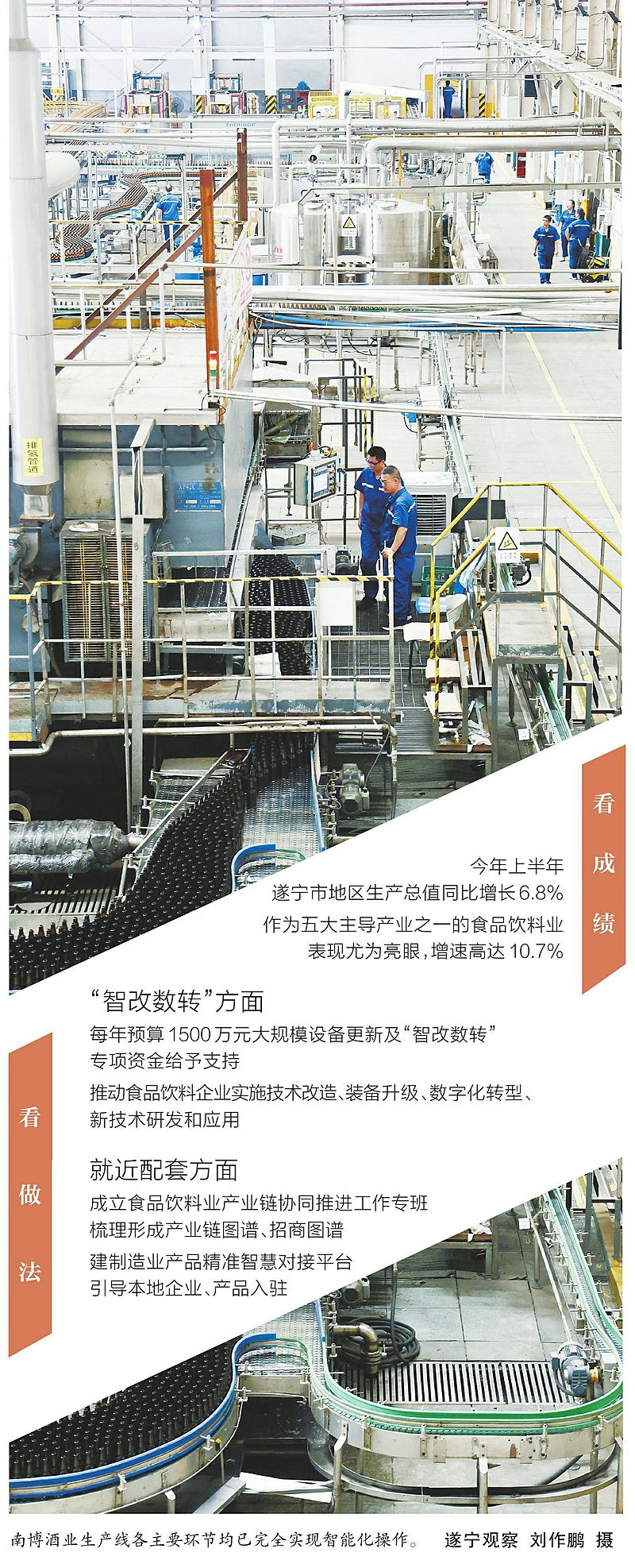
Core Viewpoint - The food and beverage industry in Suining is experiencing significant growth, with a GDP increase of 6.8% in the first half of the year and a remarkable 10.7% growth rate in the food and beverage sector [3][5]. Group 1: Industry Growth and Development - Suining's GDP reached 921.8 billion yuan in the first half of the year, reflecting a year-on-year growth of 6.8% [3]. - The food and beverage industry, one of the five main industries in Suining, has shown a strong performance with a growth rate of 10.7% [3]. - The construction of a new beer production base by Sichuan Nanbo Brewery, which will increase annual beer production capacity to 300,000 tons, exemplifies the rapid development in the sector [3]. Group 2: Technological Advancements - The beer production process has undergone significant automation, reducing the workforce needed from 100-150 workers to about 10 due to smart technology implementation [4]. - The introduction of advanced technologies in meat processing, such as robotic arms and smart quality inspection systems, has led to over 30% savings in labor costs [4]. - AI quality inspection systems in food production have reduced error rates to one in ten thousand, achieving nearly 60% savings in labor costs [4]. Group 3: Policy Support and Investment - The Suining government has launched initiatives to support the digital transformation and technological upgrades in the manufacturing sector, including a budget of 15 million yuan annually for equipment updates [5]. - The 2025 Suining Food and Beverage Industry Promotion Plan aims to enhance production efficiency through technology upgrades and research collaborations [5]. - In the past year, the food and beverage industry in Suining achieved a technological transformation investment of 97 million yuan [5]. Group 4: Local Collaboration and Supply Chain - A recent industry networking event in Suining facilitated connections between over 40 local food and beverage companies, promoting local sourcing and cost-sharing [6]. - Local companies have reported significant reductions in inventory costs and improvements in production efficiency through partnerships with nearby suppliers [6]. - The establishment of a collaborative working group by the Suining government aims to enhance local supply chain integration and support the growth of key enterprises [7].
金字火腿拟跨界半导体;西贝投资成立新公司;百事任命首席科学官
Sou Hu Cai Jing· 2025-09-28 03:18
Investment Dynamics - McDonald's China plans to invest over 400 million RMB in talent training and development over the next three years, focusing on upgrading its Hamburger University with three main directions: "smarter, more open, and more focused on holistic growth" [3] - Jinzi Ham announced a plan to acquire up to 300 million RMB for a 20% stake in Zhongsheng Microelectronics, indicating a strategic shift towards the semiconductor industry due to slow growth in its main business [5] - Heineken announced a cash acquisition of Florida Ice and Farm Company (FIFCO) for 3.2 billion USD (approximately 227.52 billion RMB), expanding its beverage and retail business in Central America [7] Brand Dynamics - Xibei has established a new restaurant management company, Fan Jiji, with a registered capital of 500,000 RMB, aiming to isolate risks from its main brand due to declining customer traffic [9] - Xiaobing Xiaobing has formed a new restaurant management company, Xiaoniu, with a registered capital of 50 million RMB, marking a shift towards a "headquarters platform + partner" model [13] - Starbucks has launched a limited edition product line inspired by Dunhuang murals, enhancing store efficiency and providing a replicable model for "coffee + cultural tourism" [16][17] Product Development - Magnum Ice Cream plans to utilize AI technology from NotCo to reformulate products and develop new offerings, marking a significant step in AI-driven food research [20] Personnel Dynamics - René Lammers has been appointed as Executive Vice President and Chief Research and Innovation Officer at Estée Lauder, effective October 1, indicating a shift in R&D strategy to a board-level decision-making process [23] - The CFO of China Resources Beer, Zhao Wei, has resigned, creating a potential gap in financial decision-making at a critical time [26] - Wei Zhe has been appointed to the Food Safety and Sustainability Committee of Yum China, reflecting an upgrade of ESG and food safety oversight to the board level [29]



百果园拟筹约3亿元还债;LVMH集团出售KVD;宜家母公司CEO换届
Sou Hu Cai Jing· 2025-09-28 03:06
Investment Dynamics - China Resources Holdings' subsidiary Huachuang Xinxin plans to reduce its stake in Shanxi Fenjiu by up to 16.20 million shares, representing a maximum of 1.33% of the company's total share capital. The company currently holds 10.50% of Shanxi Fenjiu [3] - Huachuang Xinxin has previously reduced its holdings, with a total of 6.30 million shares sold between December 2024 and February 2025. The parent company, China Resources, maintains confidence in Shanxi Fenjiu's future despite the reduction [3] Brand Dynamics - LVMH's beauty incubator Kendo has sold its vegan makeup brand KVD Beauty to private equity fund Windsong Global, marking Kendo's first brand sale. KVD will join the multi-brand beauty platform Belle Brands [11] - Netflix has signed a global co-marketing agreement with Anheuser-Busch, focusing on promotional activities for shows like "The Gentlemen" and "Culinary Class Wars," featuring Budweiser and other brands during major events [14] - McDonald's is launching a Mid-Autumn Festival campaign in collaboration with the game "Black Myth: Wukong," featuring themed products and events across over 7,100 restaurants [17] - Lanzhou Beef Noodle has entered a strategic partnership with Coca-Cola to promote cultural heritage and develop co-branded products through various marketing channels [20] - The tea brand "Bawang Chaji" is opening new stores in Hong Kong, expanding its market presence since entering in 2024 [23] - Alibaba's Amap has waived the annual entry fee for all restaurant merchants and is providing various support services to enhance business opportunities [26] - IKEA's parent company Inter IKEA Group announced a CEO transition, with Jakub Jankowski set to take over in January 2026, aiming to drive international manufacturing and digitalization [28]

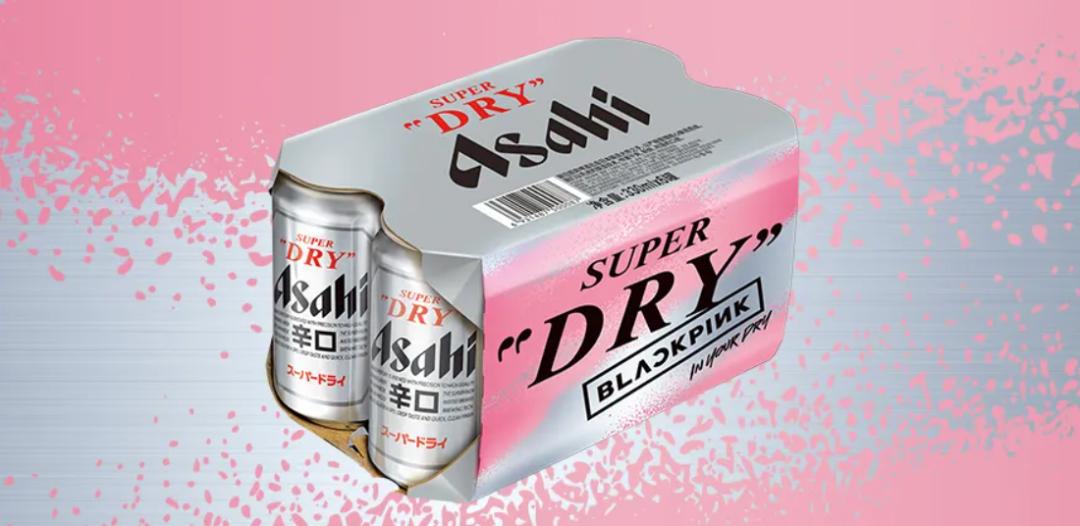
每箱最高涨20元:朝日啤酒在华部分产品发调价通知,称是“艰难决定”,有啤酒经销商预计同行不会贸然跟涨
3 6 Ke· 2025-09-28 02:38
Core Viewpoint - Asahi Beer has announced a price increase for two imported beer products in China due to rising operational costs, effective from September 25, 2023, with specific increases of 5 yuan and 20 yuan per box for different product sizes [1][3][5]. Price Adjustment Details - The price adjustment affects two products: Asahi Super Dry Beer 135ml*24 cans, with a price increase of 5 yuan per box, and Asahi Super Dry Beer 2L*6 cans, with a price increase of 20 yuan per box [3][5]. - Orders placed and paid for before September 24, 2023, will be honored at the original prices to mitigate the impact on distributors [3][5]. Reasons for Price Increase - The company cites a complex global market environment and continuous cost increases as the primary reasons for the price adjustment, emphasizing the need to maintain high-quality product offerings and service levels [3][5][8]. - Asahi Beer has previously implemented multiple price increases in the Japanese market, with a notable increase planned for April 2024 affecting 68 products, with price hikes ranging from 6% to 62% due to rising costs of raw materials and transportation [5][7]. Market Impact and Competitor Response - The price increase may not immediately affect the end consumer, as online flagship store prices remained unchanged at the time of inquiry [5]. - Other Japanese beer brands, such as Kirin and Suntory, are also facing similar cost pressures, leading to speculation that they may adopt a cautious approach to price adjustments to avoid losing core customers [8][10]. - Non-Japanese imported brands may benefit from this price increase by capturing market share, as their prices are generally lower than Asahi's [8][10]. Asahi Beer’s Market Position - Asahi Beer has a significant presence in Japan and has expanded to over 50 countries, becoming a representative brand in the international beer market [11][13]. - The company entered the Chinese market in 1994 and has made strategic decisions to withdraw and re-enter based on market conditions, with a renewed focus on high-end products in China due to growing demand [13][15]. - Despite having a loyal consumer base, Asahi Beer currently holds a market share that does not place it among the top ten in China, where major competitors dominate [16].
食品饮料行业周报:旺季尾声批价回稳,行业调整仍在继续-20250927
Shenwan Hongyuan Securities· 2025-09-27 14:42
Investment Rating - The report maintains a positive outlook on the food and beverage industry, particularly on high-end liquor and leading consumer goods companies, indicating long-term investment value in stocks like Kweichow Moutai, Yili, and Qingdao Beer [6][8]. Core Viewpoints - Despite a recovery in liquor demand during the peak season, the industry is still undergoing adjustments, and patience is required for the fundamental recovery [6][7]. - The liquor sector is entering a destocking phase, but achieving a balance between volume and price will take time, with expected pressure on Q3 reports [6][7]. - The consumer goods sector is expected to benefit from cost advantages and new product opportunities driven by evolving consumer preferences [6][8]. Summary by Sections 1. Weekly Industry Insights - The food and beverage sector saw a decline of 2.49% last week, with liquor down 3.03%, underperforming the broader market [5][6]. - Key stocks showing significant gains include Yangyuan Beverage (up 32.49%) and Jinzi Ham (up 11.93%) [5]. 2. Liquor Sector Analysis - Kweichow Moutai's bottle price is 1800 RMB, up 45 RMB week-on-week, while the box price is 1830 RMB, up 60 RMB [7][10]. - The industry faces challenges such as high inventory, weak demand recovery, and price discrepancies leading to unprofitable channels [7][8]. 3. Consumer Goods Sector Analysis - The report highlights a favorable outlook for dairy products due to declining costs and improving supply-demand dynamics, recommending stocks like Yili and New Dairy [8]. - The beer industry remains stable, with recommendations for Yanjing Beer and Qingdao Beer [8]. 4. Market Performance - The food and beverage industry underperformed the Shenwan A index by 2.79 percentage points, with the liquor sector lagging by 3.33 percentage points [44].


啤酒板块,跌到头了吗
Ge Long Hui· 2025-09-27 08:05
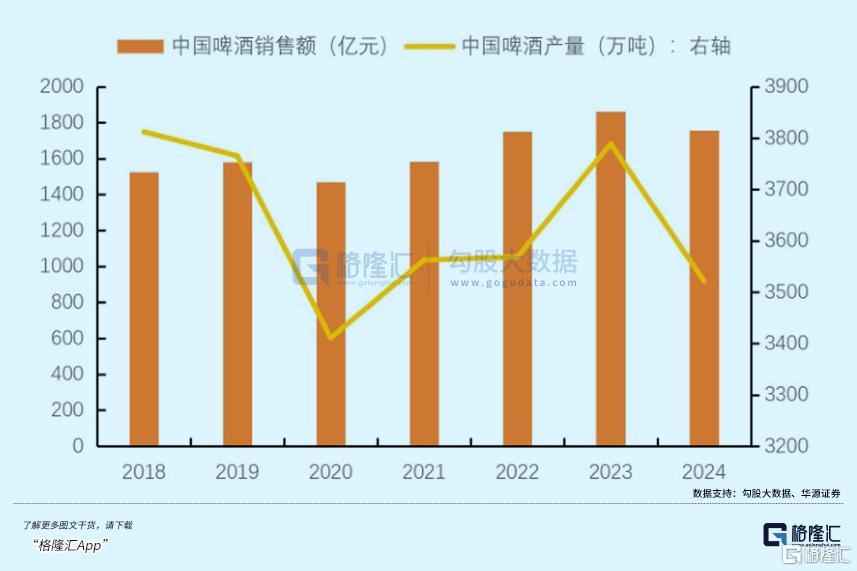
Group 1: Industry Overview - The demand for liquor, particularly white liquor, has shown slight improvement as the Mid-Autumn Festival and National Day approach, indicating a potential seasonal boost in sales [1] - The beer industry, however, has not yet shown signs of recovery after a prolonged downturn since early 2020, with production in 2024 expected to decline by 0.6% year-on-year [2][4] - The beer sector's revenue for the first half of 2025 is projected at 41.534 billion yuan, a year-on-year increase of 2.75%, while net profit is expected to rise by 11.81% to 6.512 billion yuan [4] Group 2: Company Performance - Major beer companies are experiencing varied performance, with Qingdao Beer reporting a revenue of 20.491 billion yuan, a year-on-year increase of 2.11%, while Chongqing Beer saw a slight decline in revenue [6] - Budweiser APAC, once a leader in the domestic beer market, reported a 6.1% decline in total beer sales and a 5.6% drop in revenue for the first half of 2025, with net profit down 24.4% [7][8] - The competitive landscape is shifting, with Budweiser APAC's market share falling to around 40%, indicating a significant change in the rankings among domestic beer companies [8][9] Group 3: Market Trends - The beer market has transitioned from a phase of rapid growth to one of saturation, with a notable shift towards high-end products, which now account for 72.7% of Qingdao Beer's sales [12][14] - The average price of beer in China remains relatively low compared to global standards, suggesting potential for future price increases [19] - The rise of the Z generation as a key consumer group is driving demand for craft and low-alcohol beers, with expected consumption growth rates of 17% for craft beer by 2025 [20] Group 4: Strategic Developments - Beer companies are diversifying their product lines, with some entering the yellow wine market and others focusing on beverage innovations to capture new consumer segments [22][23] - The rise of instant retail channels has become a significant sales avenue for beer, with sales penetration reaching 6.5% and expected to grow rapidly [23][24] - The beer industry is expected to recover from its current low point through new product categories and channel expansions, with a projected market size in instant retail expected to exceed 1.2 trillion yuan by 2026 [26]