医美
Search documents
报告:预计2030年中国医美行业的市场规模将增长至1.3万亿元
Zhong Guo Zheng Quan Bao· 2025-11-07 01:36
Core Insights - The report by KPMG highlights the rapid growth of China's medical aesthetics industry, with a market size of 3,115 billion yuan in 2023, projected to reach 13 trillion yuan by 2030 [1] - The industry is characterized by increasing consumer demand, particularly among younger demographics, and is reshaping the global medical aesthetics market [1] Group 1: Market Growth - China's medical aesthetics industry is one of the fastest-growing markets globally, driven by a large market size, evolving technologies, and rising consumer demand [1] - The middle-income group in urban areas has surpassed 400 million people, expected to reach 800 million in the next decade, contributing to the transformation of medical aesthetics from a luxury to an optional consumption [1] Group 2: Consumer Trends - There is a growing demand for non-invasive medical aesthetic services, particularly among emerging middle-aged and elderly consumers, which is becoming a significant supplement to industry growth [1] Group 3: Challenges and Innovations - Despite strong growth, the industry faces challenges such as safety compliance, talent shortages, and consumer outflow [2] - Innovations in medical aesthetics, including telemedicine and new business models, are shaping the future landscape of the industry [2] - Subscription-based beauty plans may emerge as a new business model, providing regular income for companies and enhancing customer loyalty [2] Group 4: Regional Expansion - With increasing demand for medical aesthetic services in Southeast Asia, Chinese medical aesthetic companies are expected to expand their operations into this market [2]
被港股通资金 “越跌越买”,昊海生物科技能否找到估值回升的钥匙
Zhi Tong Cai Jing· 2025-11-06 14:16
Core Viewpoint - Haohai Biological Technology has been actively repurchasing its shares, indicating a strategy to support its stock price amid declining performance metrics in the medical aesthetics sector [1][4]. Share Buyback Activity - The company spent HKD 805,700 to repurchase 29,600 shares on November 5, marking the third consecutive trading day of buybacks in November [1]. - In total, Haohai has conducted 23 share buybacks this year, with 11 in the first half and 12 in the second half [1]. - The share buybacks in the second half were divided into two phases: the first from September 15 to September 24, and the second from October 27 to November 5 [1]. Financial Performance - For Q3 2025, the company reported revenue of CNY 594 million, a year-on-year decline of 11.29%, and a net profit of CNY 93.58 million, down 11.39% [4]. - Year-to-date revenue for the first three quarters was CNY 1.899 billion, down 8.47%, with a net profit of CNY 305 million, a decrease of 10.63% [4]. - The decline in revenue is attributed to insufficient domestic consumer demand, intensified industry price competition, and tax rate adjustments [4]. Business Segment Performance - The medical aesthetics segment generated CNY 575 million, accounting for 44.35% of total revenue, with hyaluronic acid products contributing CNY 347 million, down 16.80% [5]. - The epidermal growth factor products saw revenue of CNY 92.38 million, reflecting a growth of 13.73% [5]. Market Position and Valuation - Haohai's current PE (TTM) ratio is 14.82, below the industry average of 20, indicating potential undervaluation [3]. - Despite the stock price decline, the company maintains a net asset value of HKD 26.93 per share, providing an arbitrage opportunity for investors [7]. - Since August 20, 2023, the proportion of shares held by Hong Kong Stock Connect investors has increased from 30.35% to 35.78% [7]. Strategic Focus on Botulinum Toxin - The company has invested USD 31 million in Eirion to develop various botulinum toxin products, aiming to capture a share of the growing market [9]. - The medical aesthetics injection market is dominated by hyaluronic acid and botulinum toxin, which together account for 65% of the market [10]. - The domestic penetration rate for botulinum toxin is significantly lower than in mature markets, suggesting substantial growth potential [12]. Future Outlook - Despite current performance challenges, the company's ongoing development in the botulinum toxin sector may provide a pathway for recovery [14]. - The collaboration with Eirion is expected to yield new products that could enhance market presence and profitability in the future [14].
被港股通资金“越跌越买”,昊海生物科技能否找到估值回升的钥匙
Zhi Tong Cai Jing· 2025-11-06 13:14
Core Viewpoint - Haohai Biological Technology has been actively repurchasing its shares, indicating a strategy to support its stock price amid declining performance metrics in the medical aesthetics sector [1][4]. Share Buyback Activity - The company spent HKD 805,700 to repurchase 29,600 shares on November 5, marking the third consecutive trading day of buybacks in November [1]. - In total, Haohai has conducted 23 share buybacks this year, with 11 in the first half and 12 in the second half [1]. - The second phase of buybacks occurred from October 27 to November 5, following an initial phase from September 15 to September 24 [1]. Financial Performance - For Q3 2025, the company reported revenue of CNY 594 million, a year-on-year decline of 11.29%, and a net profit of CNY 93.58 million, down 11.39% [4]. - Year-to-date revenue for the first three quarters was CNY 1.899 billion, down 8.47%, with net profit decreasing by 10.63% to CNY 305 million [4]. - The decline in revenue is attributed to insufficient domestic consumer demand, intensified industry price competition, and tax rate adjustments [4]. Business Segment Analysis - The medical aesthetics segment generated CNY 575 million in revenue, accounting for 44.35% of total revenue, with hyaluronic acid products contributing CNY 347 million, down 16.80% [4][6]. - The epidermal growth factor products saw a revenue increase of 13.73% to CNY 92.38 million [4][6]. Market Position and Valuation - Haohai's current PE (TTM) ratio stands at 14.82, below the industry average of 20 [3]. - Despite the declining stock price, the company maintains a net asset value of HKD 26.93 per share, providing potential profit opportunities for investors [8]. Strategic Focus on Botulinum Toxin - The company has entered a partnership with Eirion to develop botulinum toxin products, aiming to capture a share of the growing market [10][15]. - The botulinum toxin market is dominated by foreign brands, but there is significant room for growth in China, where the penetration rate is currently low compared to mature markets like the U.S. [12][13]. Industry Trends - The medical aesthetics market is experiencing a shift, with hyaluronic acid and botulinum toxin being the leading materials, comprising 98% of the injection market [10]. - The domestic market for collagen is growing rapidly, with a projected compound annual growth rate of 41.45% from 2023 to 2027 [11].
浦银国际赖烨烨:香港IPO热潮将持续,中概股有望成新增量
Zheng Quan Shi Bao Wang· 2025-11-06 08:44
Core Viewpoint - The Hong Kong IPO market has been thriving since 2025, with expectations to maintain its leading position in the global new stock financing market due to attractive listing systems, broad industry coverage, and ample liquidity [1][7]. Summary by Sections IPO Market Performance - In the first ten months of this year, the total IPO fundraising in Hong Kong reached HKD 215.46 billion (approximately USD 27.72 billion), significantly exceeding the initial annual fundraising expectation of USD 17-20 billion [2]. - The improvement in liquidity and the rapid decline in Hong Kong dollar interest rates have lowered borrowing costs, enhancing investor enthusiasm for new listings [2]. Characteristics of the Current IPO Wave - A+H listing model has become mainstream, with over 50% of new companies having overseas operations, accounting for 80% of the fundraising amount [3]. - The "technology + consumption" dual-drive model is evident, with the consumer sector dominating IPOs, particularly in emerging consumption and service-oriented segments [3]. - New IPOs have shown significantly better performance compared to the average of the past five years, with an average return of approximately 38% on the first trading day and 60% after three months [3]. Investor Sentiment and Market Dynamics - The new stock breaking rate has dropped to a new low, with many newly listed companies experiencing minimal price discounts, which may encourage more companies to consider listing [4]. - Investors are increasingly focusing on future growth potential and cornerstone shareholder ratios rather than just company size when considering new listings [4]. Foreign Investment Trends - Global investors have actively participated in the Hong Kong IPO market, with cornerstone investments and institutional placements seeing significant involvement from international institutions [6]. - Passive foreign capital has maintained a net inflow trend, while active foreign capital is expected to increase due to the attractive performance of new stocks [6]. Regulatory and Market Environment - The Hong Kong Stock Exchange has implemented several reforms since 2018 to optimize the listing process, significantly improving listing efficiency [7]. - The number of companies preparing for IPOs has increased to nearly 300, surpassing the previous peak of about 200 in August 2021, indicating a robust pipeline for future listings [7]. Return of Chinese Companies - The return of Chinese companies listed in the U.S. to Hong Kong is anticipated to provide new growth in the IPO market, driven by ongoing U.S.-China trade tensions [8][9].
A股指数集体高开:创业板指涨0.6%,存储器、电网等板块涨幅居前
Feng Huang Wang Cai Jing· 2025-11-06 01:34
Market Overview - Major indices opened higher with Shanghai Composite Index up 0.10%, Shenzhen Component Index up 0.37%, and ChiNext Index up 0.60% [1] - The storage, HBM, and power grid sectors showed significant gains [1] Index Performance - Shanghai Composite Index: 3973.35, up 0.10%, with a trading volume of 83.35 billion [2] - Shenzhen Component Index: 13272.47, up 0.37%, with a trading volume of 101.14 billion [2] - ChiNext Index: 3185.13, up 0.60%, with a trading volume of 41.02 billion [2] External Market Influences - U.S. stock indices experienced slight gains, with S&P 500 up 0.37%, Nasdaq up 0.65%, and Dow Jones up 0.48% [3] - Chinese concept stocks rebounded, with notable performances from Alibaba, JD.com, and NIO, while Pinduoduo and others also showed mixed results [3] Sector Insights - Citic Securities anticipates multiple factors will likely drive gold prices upward, influenced by geopolitical tensions and U.S. economic performance [4] - CITIC Construction believes the medical device sector is at a turning point, with opportunities for valuation and performance recovery, especially in respiratory testing and home device sales [5] - China Merchants Securities highlights strong performance in the securities industry, with a year-on-year increase in revenue and net profit for listed brokerages [6] - CICC is optimistic about the recovery in the restaurant and tourism sectors, expecting policy expansion to boost demand [7][8]
中金2026年展望 | 轻工零售美妆:分化延续,优选成长(要点版)
中金点睛· 2025-11-05 23:52
Core Viewpoint - The light industry retail beauty sector is experiencing a weak recovery since 2025, with significant differentiation among sub-sectors and companies due to varying attributes and policy sensitivities. Domestic demand remains weak, while certain segments like trendy toys and beauty products show growth. International trade policies are slowing export growth. Looking ahead to 2026, government policies are expected to support consumption stabilization, but the marginal effects may diminish, leading to differentiated growth across sub-sectors [3]. Beauty and Aesthetic Medicine - The beauty sector is projected to achieve mid-single-digit growth in 2026, driven by domestic demand recovery. Ingredient upgrades and product innovations, particularly with emerging components like collagen and PDRN, are expected to enhance consumer purchasing needs. Competition is intensifying, leading to a concentration of market share among leading brands. The industry is anticipated to exhibit three trends: 1) National brands are moving towards globalization and group development; 2) Channel efficiency and operational capabilities are becoming more critical; 3) Market share is increasingly concentrated among top-performing brands [6]. - The aesthetic medicine sector is expected to see double-digit growth in 2026, supported by increased penetration rates and continuous market education. The supply side is becoming richer, stimulating demand. Two key trends are anticipated: 1) Midstream institutions are focusing on premium products and marketing capabilities; 2) Leading institutions are expanding through enhanced user operations and solutions [7]. Personal Care - The personal care sector is expected to benefit from increased online penetration and the rise of self-care demands, leading to a restructuring of the market. Product structures are anticipated to upgrade towards efficacy and premiumization. The rise of content e-commerce platforms is reshaping consumer access and marketing, providing opportunities for domestic brands to gain market share, particularly in segments like baby care, women's hygiene, and oral care [8]. Commercial New Retail - The retail sector is expected to continue its steady recovery into 2026, characterized by three trends: 1) Consumers are increasingly valuing cost-performance ratios, prompting businesses to focus on differentiated product offerings; 2) The clearance of outdated retail formats is nearing completion, with improved operational efficiency leading to profitability; 3) New consumption trends driven by emotional value are creating demand, supported by innovative product categories and localized operations [10]. Light Industry Manufacturing - The light manufacturing sector is facing weak overall demand but presents structural opportunities. Companies that can leverage industry transformation to develop new business models are expected to thrive. Key opportunities include: 1) Industry transformation driven by technological advancements, particularly in AI applications; 2) Export opportunities as companies enhance resilience through diversified global production and capitalize on improving overseas demand [13][14].
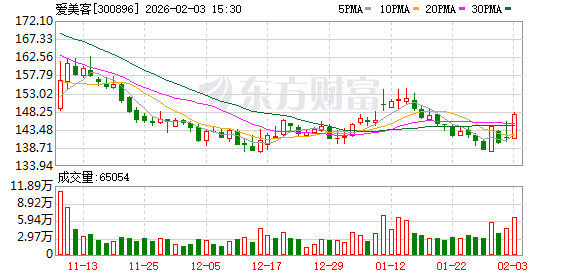
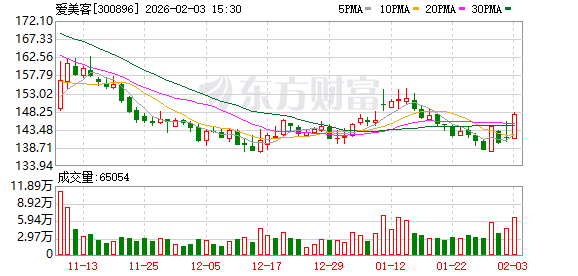
爱美客:公司产品的终端价格受下游渠道竞争、消费者需求等多重因素影响
Zheng Quan Ri Bao Wang· 2025-11-05 13:40
Group 1 - The core viewpoint of the article highlights that the terminal prices of the company's products are influenced by multiple factors, including downstream channel competition and consumer demand [1] - For the period from January to September 2025, the company's comprehensive gross profit margin is reported at 93.36%, a decrease from 94.80% in the same period last year [1] - The company's ex-factory prices have remained relatively stable despite the changes in gross profit margin [1]
A股异动丨华熙生物跌约4% 股价创近4个月新低
Ge Long Hui A P P· 2025-11-05 07:30
华熙生物(688363.SH)盘中跌3.9%至50.02元,股价创7月8日以来近4个月新低。华熙生物公告称,股东国寿成达(上海)健康产业股权投资中心(有限合伙)计划 通过集中竞价或大宗交易方式减持公司股份合计不超过963.36万股,占公司总股本比例不超过2%。减持原因为自身资金需求,减持期间为2025年11月26日 至2026年2月23日。上述股份来源于公司首次公开发行前取得的股份。(格隆汇) ...
华熙生物:国寿成达拟减持不超2%股份,控股股东逆势增持彰显信心
Jin Rong Jie· 2025-11-05 03:13
Core Viewpoint - The announcement of shareholder Guoshou Chengda's plan to reduce its stake in Huaxi Biological is a normal exit within the investment cycle, while the controlling shareholder Huaxi Xinyu's counter-cyclical increase in holdings reflects confidence in the company's long-term value and core capabilities [1][2]. Group 1: Shareholder Actions - Guoshou Chengda plans to reduce its holdings in Huaxi Biological by up to 9.6336 million shares, representing no more than 2% of the total share capital, from November 26, 2025, to February 23, 2026 [1]. - As of the announcement date, Guoshou Chengda holds 28.9365 million shares, accounting for 6.01% of the total share capital [1]. - After the reduction, Guoshou Chengda's stake will fall below 5%, eliminating its status as a related party, which may allow for renewed investment from insurance and asset management funds [1]. Group 2: Company Performance and Strategy - Huaxi Xinyu, the controlling shareholder, increased its stake by approximately 4.519 million shares for a total amount of 257 million yuan, raising its ownership to 60.11% [2]. - The increase in holdings is seen as a strong endorsement of the company's core value amid intensified competition in the medical aesthetics industry [2]. - Huaxi Biological has established a comprehensive ecosystem in the ECM field, focusing on synthetic biology manufacturing, which supports its competitive edge in technology transformation [2]. Group 3: Industry Context and Development - Huaxi Biological's development path exemplifies the upgrade of China's manufacturing industry, transitioning from raw material processing to becoming a global leader in hyaluronic acid [3]. - The company is shifting from product competition to technology competition in the medical aesthetics sector, leveraging its synthetic biology platform and ECM technology [3]. - The balance between the orderly exit of institutional shareholders and the continued increase in holdings by the controlling shareholder is expected to optimize the company's equity structure and enhance market liquidity [3].
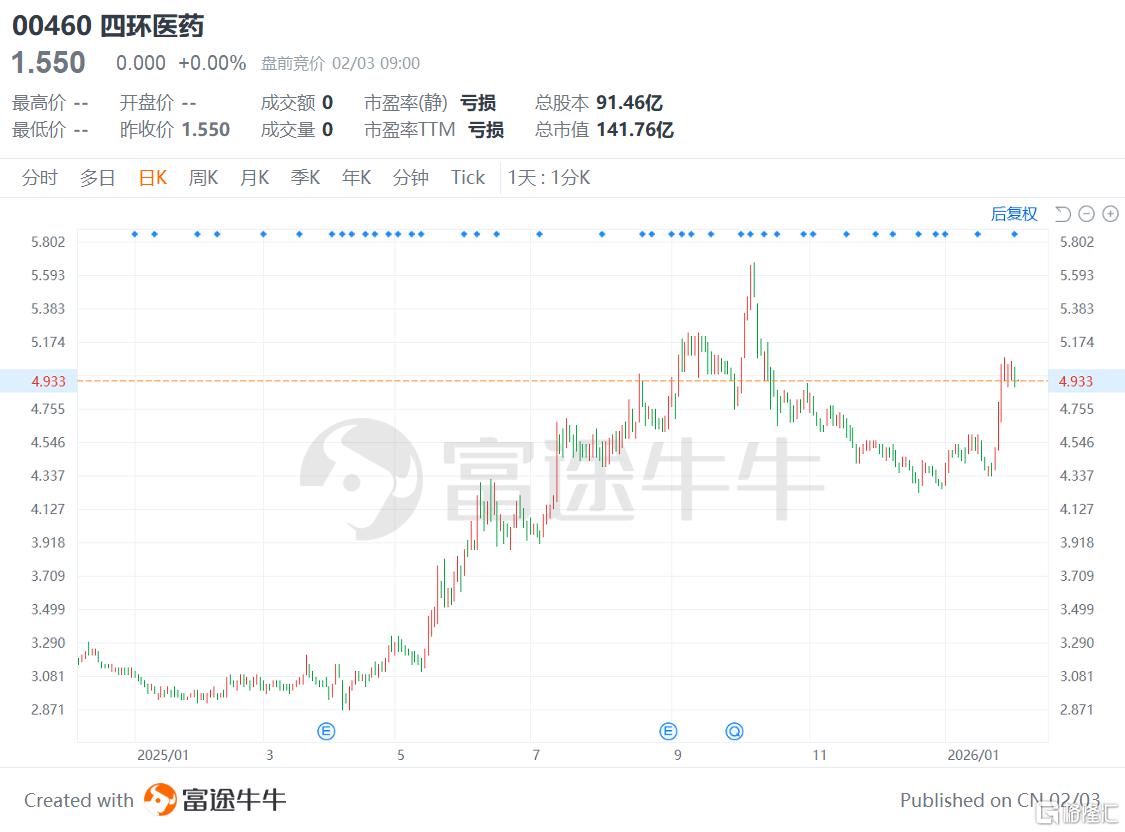
四环制药20251104
2025-11-05 01:29
Summary of the Conference Call for Sihuan Pharmaceutical Industry Overview - Sihuan Pharmaceutical has been expanding into the medical aesthetics sector since 2014, starting with the Korean botulinum toxin product, Letibotulinum, which was approved for sale in China in 2020. The revenue from this product is expected to reach nearly 1 billion yuan by 2025, accounting for 80% of the medical aesthetics business [2][3][4]. Key Points and Arguments - **Revenue Growth**: In the first half of the year, Sihuan Pharmaceutical achieved revenue of 585 million yuan, representing a year-on-year growth of 81%. The company anticipates a full-year growth of no less than 50% [2][3]. - **Product Launches**: The company has introduced self-developed products such as the "Youthful Needle," "Girl Needle," and "Water Light Energy Serum," which are expected to contribute significantly to revenue [2][3]. - **Market Coverage**: Sihuan Pharmaceutical has established a strong market presence, covering over 7,000 medical aesthetic institutions and achieving 100% coverage with 500 leading institutions. Additionally, strategic cooperation agreements have been signed with 1,400 key institutions [2][3]. - **Production Capacity**: The company operates three production bases to ensure product quality and currently sells six major products, including botulinum toxin, hyaluronic acid, and self-developed products [2][4]. - **Research and Development**: Sihuan Pharmaceutical has built five major R&D platforms, covering international innovative materials and regenerative materials, with over 60 medical aesthetic products in its portfolio. The company conducts hundreds of medical training sessions and market activities annually to enhance academic promotion [2][4]. - **Financial Position**: The company has approximately 3.9 billion yuan in cash, indicating strong financial resources to support future growth [2][4]. Competitive Landscape - **Botulinum Toxin Market**: Letibotulinum currently accounts for about 80% of Sihuan Pharmaceutical's medical aesthetics revenue. As new self-developed products are launched, this proportion is expected to decrease. Letibotulinum is the first Korean botulinum toxin brand approved in China and has maintained a leading position due to its suitability for Asian skin [3][4]. - **Market Penetration**: The domestic botulinum toxin market has low penetration rates, but the company believes that increased competition will drive growth in market penetration. The safety and affordability of botulinum toxin are expected to attract more consumers [4][5]. Product Differentiation - **Hyaluronic Acid Product**: The company’s hyaluronic acid product, "Bohuanrun," utilizes HEXALINK™ unidirectional cross-linking technology, enhancing its resistance to pressure and deformation, with a stable shaping effect lasting up to one year. It is positioned competitively in a crowded market [6]. - **Comprehensive Product Line**: Sihuan Pharmaceutical offers a wide range of products, including injectables, fillers, water light needles, collagen, and silk protein, establishing a comprehensive product layout [7]. Unique Selling Proposition - **CDK 4/6 Inhibitor**: The company’s CDK 4/6 inhibitor is the first and only approved drug for monotherapy in the domestic market, with low toxicity and broad indications. The company plans to leverage its unique characteristics and clinical performance to maximize market potential [8][9]. Future Outlook - **Revenue Targets**: Sihuan Pharmaceutical aims to achieve over 1 billion yuan in revenue from existing products and 200 million yuan from new products by 2025, with total revenue reaching 1.2 billion yuan. The company expects to maintain an annual growth rate of no less than 50% over the next two to three years [2][4][12].