体育用品制造

Search documents
“一年涨三次,有没有人能管管!”涨幅超过黄金!网友吐槽:买不起了……
新浪财经· 2025-09-02 09:07
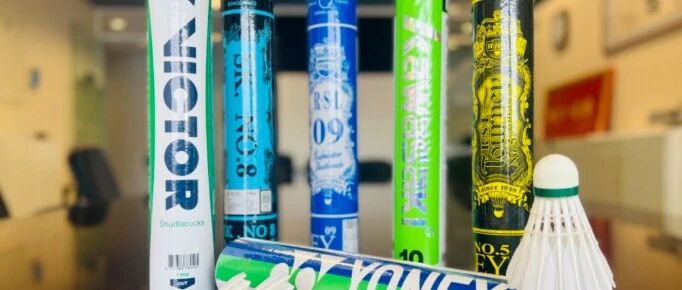
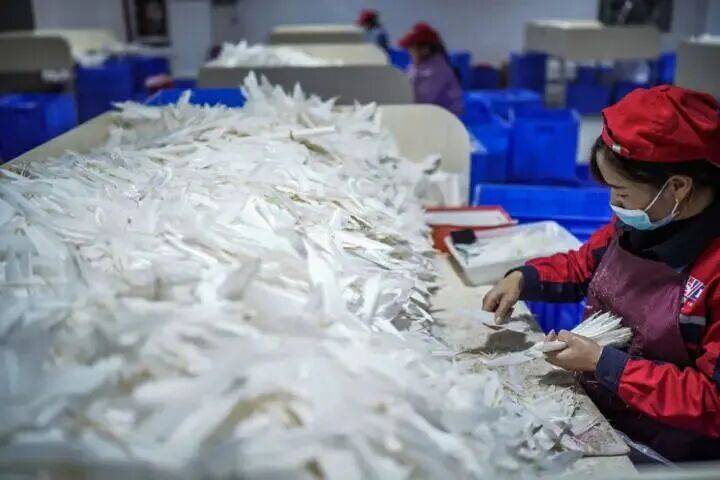
Core Viewpoint - The price of badminton products, particularly from well-known brands like Yonex and Victor, has been rising significantly, with increases of approximately 30-40 yuan per barrel, leading to consumer frustration and calls for a boycott of these brands [2][4][5]. Price Increase and Consumer Reaction - The price of Yonex's popular AS-05 model has risen from 275 yuan to 350 yuan per barrel, translating to an increase of over 3 yuan per shuttlecock, which is nearly a 20% rise [4]. - Consumers express their discontent on social media, comparing the cost of playing badminton to more expensive activities and lamenting the affordability of the sport [3][4]. Supply Chain Challenges - The surge in prices is attributed to a significant decline in the supply of ducks and geese, which are essential for producing high-quality shuttlecocks. The number of ducks has decreased from approximately 4.878 billion in 2019 to 4.22 billion in 2024, while geese have dropped from 634 million to 569 million [5]. - The increase in pork production has also squeezed the resources available for duck and goose farming, exacerbating the supply shortage [5]. Market Dynamics - The rapid growth of badminton's popularity in China has led to increased domestic demand, prompting suppliers to shift focus from exports to the local market, intensifying competition for limited raw materials [5]. - A manufacturer reported that prices for duck and goose feathers have more than doubled since the end of 2022, with some price changes occurring within hours [5]. Production Insights - The production facility in Guizhou, which has become a significant hub for badminton manufacturing, produced over 400 million shuttlecocks last year, with an export value of nearly 9 million USD [8]. - The factory has seen a 40% increase in exports compared to the previous year, driven by rising demand and proactive measures to expand production capacity [8][9]. Alternative Solutions - The use of synthetic materials for shuttlecock production is being explored as a viable alternative, aligning with the World Badminton Federation's sustainability goals. Several manufacturers have already introduced synthetic shuttlecocks with positive market feedback [6]. - The market is also witnessing a rise in the sales of nylon and plastic shuttlecocks, although they do not match the performance of natural feather shuttlecocks, particularly for professional players [10].


“一年涨三次”“比黄金涨得还猛!”网友:买不起了……
Sou Hu Cai Jing· 2025-09-02 07:04
Core Viewpoint - The price of badminton shuttlecocks has been rising significantly, with major brands like Yonex and Victor increasing prices by approximately 30-40 yuan per barrel, leading to consumer frustration and calls for a boycott [1][3][4]. Price Increase and Consumer Reaction - The price of the popular Yonex AS-05 model has increased from 275 yuan to 350 yuan per barrel, resulting in a per shuttlecock price of 26.25 yuan, which is an increase of over 3 yuan or nearly 20% [3]. - Consumers express concerns about the affordability of badminton, with some stating that playing badminton is now more expensive than drinking milk tea [2][3]. Supply Chain and Material Shortages - The increase in shuttlecock prices is attributed to a shortage of raw materials, particularly duck and goose feathers, which are essential for manufacturing high-quality shuttlecocks [3][4]. - The production of ducks and geese in China has declined significantly, with duck production dropping from approximately 4.878 billion in 2019 to 4.22 billion in 2024, and goose production decreasing from 634 million to 569 million [4]. Market Dynamics and Demand Surge - The rapid growth of badminton as a popular sport in China has led to increased domestic demand, causing suppliers to shift focus from exports to the local market [4][6]. - A supplier reported that prices for duck and goose feathers have more than doubled since the end of 2022, with some price changes occurring within hours [4]. Production Capacity and Economic Impact - The badminton production industry in Guizhou has seen significant growth, with companies like Aislong producing over 400 million shuttlecocks and achieving an export value of nearly 9 million USD [6][10]. - The factory in Guizhou has increased production capacity and revenue, with a reported 40% increase in exports compared to the previous year [6][10]. Alternative Materials and Future Trends - The use of synthetic materials for shuttlecocks is being explored as a sustainable alternative, with positive market feedback for recreational synthetic shuttlecocks [4][12]. - The market is witnessing a rise in sales of nylon and plastic shuttlecocks due to the high prices of natural feather shuttlecocks, although they do not match the quality of traditional feather shuttlecocks [12].
【财经分析】创新业态场景 探索多元发展——体育用品制造业向服务业转型拓展观察
Xin Hua She· 2025-08-31 01:33
Core Viewpoint - Domestic sports goods manufacturing companies are increasingly exploring transformation from traditional manufacturing to service-oriented models, driven by government policies and market demand [1][2][4]. Group 1: Industry Trends - The National Sports Administration's "14th Five-Year Plan for Sports Development" encourages the development of smart and home-based sports equipment, promoting the integration of manufacturing and service industries [1][4]. - Companies are moving away from a "heavy production, light service" model to innovate new business formats and application scenarios, aiming to create a new industrial development pattern [1][4]. Group 2: Company Transformations - Tianxiang Sports has transitioned from manufacturing to operating marathon events and developing a smart sports complex, investing 510 million yuan in the Tianxiang Yuedong City project, which is expected to be completed by the end of the year [2][3]. - Xtep has established running clubs in various cities, providing both free and paid services, enhancing brand recognition and consumer loyalty [3][4]. - Shuhua Sports has launched its own chain of fitness centers, integrating its fitness equipment with services, and plans to introduce AI technology to create a smart gym experience [3][4]. Group 3: Market Opportunities and Challenges - The growing trend of national fitness has created new market opportunities for sports companies, but many still rely on traditional revenue models, facing challenges in establishing profitable service-oriented businesses [2][5]. - Companies like Shuhua and Xtep are exploring new business models and consumer engagement strategies to enhance profitability and reduce reliance on single business lines [4][5]. - The industry faces challenges such as undervaluation of service offerings, low consumer recognition, and a lack of skilled talent, necessitating government support and infrastructure improvements [5][6].

创新业态场景,探索多元发展——体育用品制造业向服务业转型拓展观察
Xin Hua She· 2025-08-30 14:01
Core Viewpoint - Domestic sports goods manufacturing companies are increasingly exploring transformation from traditional manufacturing to service-oriented models, driven by government policies and market demand [1][2][4]. Group 1: Industry Transformation - The National Sports Administration's "14th Five-Year Plan for Sports Development" encourages the development of smart and home-based sports equipment, promoting the integration of manufacturing and service industries [1]. - Companies are moving away from a "heavy production, light service" model to innovate business formats and application scenarios, creating a new industrial development pattern [1][4]. - The trend of national fitness is driving rapid growth in fitness demand, creating new market opportunities for companies [2]. Group 2: Company Strategies - Tianxiang Sports has transformed by operating marathon events and developing a smart sports complex, Tianxiang Yuedong City, which focuses on fitness and leisure for citizens [2][3]. - Xtep has established running clubs in various cities, enhancing brand recognition and customer loyalty through services that cater to runners [3]. - Shuhua Sports has launched its own chain of fitness centers, integrating sales of fitness equipment with service offerings, and plans to introduce AI technology for a comprehensive fitness experience [3][4]. Group 3: Challenges and Recommendations - Despite the shift towards service-oriented models, many companies still rely on traditional manufacturing, leading to a lack of a mature symbiotic relationship between manufacturing and services [5]. - Companies face challenges such as undervaluation of service offerings, low consumer recognition, and weak talent support [5]. - Recommendations include increased government support through financial incentives, improved infrastructure for "Internet+" and big data, and a focus on enhancing customer experience and service quality [5].
决胜“十四五” 打好收官战丨创新业态场景,探索多元发展——体育用品制造业向服务业转型拓展观察
Xin Hua Wang· 2025-08-30 08:38
Core Viewpoint - The sports goods manufacturing industry in China is undergoing a transformation towards service-oriented business models, driven by government policies and market demand for diversified consumer experiences [1][2][5]. Group 1: Industry Transformation - Sports goods manufacturers are shifting from a focus on production to expanding service offerings, such as event operations and fitness services [2][3]. - The National Sports Administration's "14th Five-Year Plan" encourages the development of smart and home-based sports equipment, promoting the integration of manufacturing and services [1][5]. - Companies like Tianxiang Sports and Xtep are innovating by creating new consumption scenarios, such as smart sports complexes and running clubs, to enhance consumer engagement [2][3]. Group 2: Business Models and Strategies - Tianxiang Sports is investing 510 million yuan in a smart sports complex, aiming to create a new service model centered around community fitness [2]. - Xtep has established 77 running clubs across various cities, focusing on community engagement and brand loyalty through free and paid services [3]. - Shuhua Sports is expanding into fitness services with over 60 gyms, integrating their own fitness equipment and offering a range of services [3][4]. Group 3: Challenges and Recommendations - The industry faces challenges such as undervaluation of service offerings, reliance on traditional manufacturing, and low consumer recognition [6]. - Experts suggest that government support through subsidies and tax incentives is crucial for fostering collaboration and optimizing the business environment [6]. - Companies are encouraged to enhance customer experience and service quality while leveraging technology and data to support their transformation [6].
算体育赛事的“经济账”:从竞技到经济
Huachuang Securities· 2025-08-29 12:11
Group 1: Economic Potential of Sports Events - The recent "Scottish Super League" generated nearly 38 billion in revenue from tourism, travel, dining, accommodation, and sports within just six rounds of matches, highlighting the immense potential of sports economics[1] - The Chinese sports consumption as a percentage of income is approximately 0.84%, comparable to the average of 0.85% in developed economies like the US, UK, Japan, and South Korea[2] - The per capita sports consumption expenditure in China is less than 40 USD, which is about 1/6 of the average in major developed countries[4] Group 2: Structure of Sports Consumption - In 2020, over 60% of China's sports consumption was on physical goods, significantly higher than the EU's 35% and close to the US's 2005 level[5] - Spending on services such as watching events and fitness only accounted for 11% of total sports consumption in China, compared to about 20% in the US in 2005[5] - The sports service sector in China, particularly in events, lags behind the US, where the value added from sports events accounted for 32% of the sports industry in 2014, while in China it was only 2% in 2023[3] Group 3: Economic and Employment Impact of Sports Events - The estimated contribution of sports events to China's GDP is around 0.1%, which is significantly lower than the 0.4%-0.5% seen in Europe and the US[6] - Employment in the sports industry in China accounts for about 0.15% of the total workforce, lower than the 0.5% in the UK and US, indicating a need for improvement in employment absorption capacity[8] - The correlation between income levels and sports consumption is strong, with a correlation coefficient of 0.88 across 23 sample provinces and cities, suggesting that increasing income is crucial for boosting sports consumption[4]
张瑜:从竞技到经济——算算体育赛事的“经济账”
一瑜中的· 2025-08-29 08:34
Core Viewpoint - The core constraint on the development of China's sports economy lies not in consumer willingness but in income levels and industrial structure [3][4]. Group 1: Consumption Potential - Income is the decisive factor for sports consumption, with China's sports consumption as a percentage of income comparable to developed countries at approximately 0.84% in 2020, while per capita sports spending is less than $40, which is 1/6 of the average in major developed countries [3][5]. - There is a strong correlation between regional income levels and sports consumption, with a correlation coefficient of 0.88 across 23 sample provinces and cities, indicating that higher income leads to increased sports spending [5][15]. - Japan's experience shows that sports consumption rises during economic upturns and declines during stagnation, emphasizing that income is a critical determinant of sports spending [18][20]. Group 2: Consumption Structure - China's sports consumption is heavily weighted towards physical goods, with over 60% of sports spending on tangible products in 2020, significantly higher than the EU's 35% and close to the U.S. in 2005 [6][23]. - Service consumption in sports, particularly for viewing and fitness, is low at only 11%, compared to about 20% in the U.S. in 2005, indicating a need for a shift towards service-oriented spending [7][23]. - Even in high-income regions like Beijing and Xiamen, physical goods dominate sports spending, suggesting untapped potential for service consumption [25]. Group 3: Event Economy - Currently, the economic impact of sports events in China is limited, contributing approximately 0.1% to GDP, which is lower than the 0.4%-0.5% seen in Europe and the U.S. [8][29]. - The supply side of sports events in China lacks the scale and quality seen in the U.S., where top leagues generate billions in revenue, while Chinese leagues like CBA and CSL are significantly smaller [34][36]. - Employment absorption in the sports industry is low, with only 0.15% of the workforce engaged in sports-related jobs, compared to about 0.5% in the U.S. and U.K., indicating room for growth in this sector [9][38].

河北富恩体育用品有限公司成立 注册资本300万人民币
Sou Hu Cai Jing· 2025-08-29 07:39
Group 1 - A new company, Hebei Fun Sports Goods Co., Ltd., has been established with a registered capital of 3 million RMB [1] - The legal representative of the company is Yan Kai [1] - The business scope includes manufacturing, wholesale, and retail of sports goods and equipment, as well as import and export activities [1] Group 2 - The company is also involved in the manufacturing and sales of metal structures and photovoltaic equipment and components [1] - The operations are conducted in accordance with the business license, allowing for independent business activities without the need for additional approvals [1]
安徽柳桥体育用品有限公司成立 注册资本2000万人民币
Sou Hu Cai Jing· 2025-08-29 01:43
Core Viewpoint - Anhui Liuqiao Sports Goods Co., Ltd. has been established with a registered capital of 20 million RMB, indicating a new player in the sports goods industry [1] Company Summary - The legal representative of the company is Li Guanliang, which may suggest a centralized leadership structure [1] - The company’s business scope includes manufacturing, wholesale, and retail of sports goods and equipment, indicating a comprehensive approach to the sports market [1] - Additional services offered include technical services, sports event planning, and health services, showcasing a diversified business model [1] Industry Summary - The establishment of the company reflects ongoing growth and investment in the sports goods sector in China, which may present new opportunities for market expansion [1] - The wide range of activities, including sports competition organization and equipment rental, suggests a focus on enhancing consumer engagement in sports [1] - The inclusion of various manufacturing and sales activities, such as textiles and safety equipment, indicates a potential for cross-industry collaboration and innovation [1]
四大体育用品集团安踏上半年增速最高,品牌并购逻辑曝光
Nan Fang Du Shi Bao· 2025-08-27 11:27
Core Insights - Anta Group's revenue for the first half of 2025 reached RMB 38.54 billion, marking a 14.3% year-on-year increase and setting a new historical high, maintaining its position as the leading sportswear brand in China [2][13] - The combined revenue of Anta Group and Amer Sports exceeded RMB 100 billion, with Anta's revenue surpassing that of its competitors, including Nike China and Adidas China [2][4] Revenue Performance - Anta brand revenue was RMB 16.95 billion, up 5.4% year-on-year; FILA revenue was RMB 14.18 billion, up 8.6%; other brands, including Kolon and Descente, generated RMB 7.41 billion, a significant increase of 61.1% [4] - Amer Sports reported revenue of USD 2.709 billion, a 23.5% increase, with Greater China revenue growing by 42.4% to USD 856 million [4] Store Efficiency and Growth - Anta Group's revenue increased by 163% from RMB 14.669 billion in H1 2020 to RMB 38.544 billion in H1 2025, while the number of stores remained relatively stable, indicating a significant improvement in retail efficiency [6] - New store formats such as "Anta Arena Level" and "FILA Fusion" have enhanced consumer experience and targeted customer engagement [8] Strategic Initiatives - Anta Group emphasizes a strategy of "multi-brand assets + excellent operations + global collaboration" for sustainable growth, including acquisitions of high-potential brands and establishing joint ventures [11] - The acquisition of the German outdoor brand Jack Wolfskin is expected to become a significant revenue growth point in the outdoor sector [11] Research and Development - R&D investment for H1 2025 remained stable at RMB 1 billion, with a cumulative investment of RMB 20 billion over the past decade, and plans for an additional RMB 20 billion over the next five years [12] - Anta Group has established seven design and R&D centers globally, collaborating with over 70 universities and research institutions [12] ESG Performance - Anta Group was included in the Hang Seng ESG 50 Index and ranked in the top 6% of global textile, apparel, and luxury goods companies in the S&P Global Corporate Sustainability Assessment [12] Competitive Landscape - Among China's major sportswear brands, Anta led with a 14.3% revenue growth, while Li Ning reported a 3.3% increase, indicating a strong competitive position [13] - Recent market rumors suggest potential acquisition interest in Puma by Chinese brands, including Anta, although the company has not commented on these speculations [15]