核电

Search documents
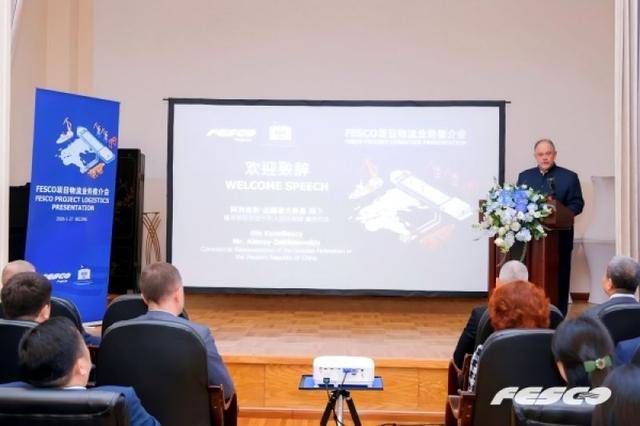
中俄经贸“质升量稳”深化合作, 俄罗斯综合物流巨头破解重大项目“极限运输”难题
Sou Hu Cai Jing· 2026-01-29 14:17
Core Viewpoint - The logistics support for Sino-Russian trade is seeking to become more stable and professional amidst a complex external environment, with a projected trade volume of $228 billion by 2025, despite adjustments due to external factors [2][3]. Group 1: Trade and Economic Cooperation - Sino-Russian trade is expected to recover by 2026, entering a new phase characterized by qualitative improvements and stable quantities, with specialized and reliable logistics becoming a crucial pillar for major engineering projects [3]. - Over the past four years, China's exports of electromechanical products and industrial equipment to Russia have surpassed the total from the first two decades of this century, indicating a continuous growth in industrial exports [2]. Group 2: Logistics and Transportation - The demand for engineering project logistics is increasing, particularly for oversized, heavy, and high-tech cargo, driven by deepening cooperation in energy, infrastructure, and industrial manufacturing [4]. - FESCO, a leading Russian logistics company, has successfully executed multiple major industrial project logistics involving Chinese suppliers, utilizing a multi-modal transport solution that combines sea, river, and heavy road transport [7]. - FESCO's core advantage lies in its strong internal engineering team, which engages in early project phases to optimize safety, cost, and efficiency through route surveys and loading plan designs [7]. Group 3: Future Trends in Logistics - By 2025, Sino-Russian logistics cooperation is expected to deepen, showcasing significant systematization and refinement, with enhanced infrastructure connectivity and optimized customs processes [8]. - The establishment of an integrated international logistics information platform aims to reduce cargo delays at borders and improve service capabilities, particularly in extreme weather and complex terrains [9]. - The logistics model is becoming increasingly customer-centric and highly customized, ensuring the smooth progress of existing major projects and laying a solid logistical foundation for future cooperation in high-tech and green energy sectors [9].

东电公司公布柏崎刈羽核电站重启故障的推断原因
Zhong Guo Xin Wen Wang· 2026-01-29 13:48
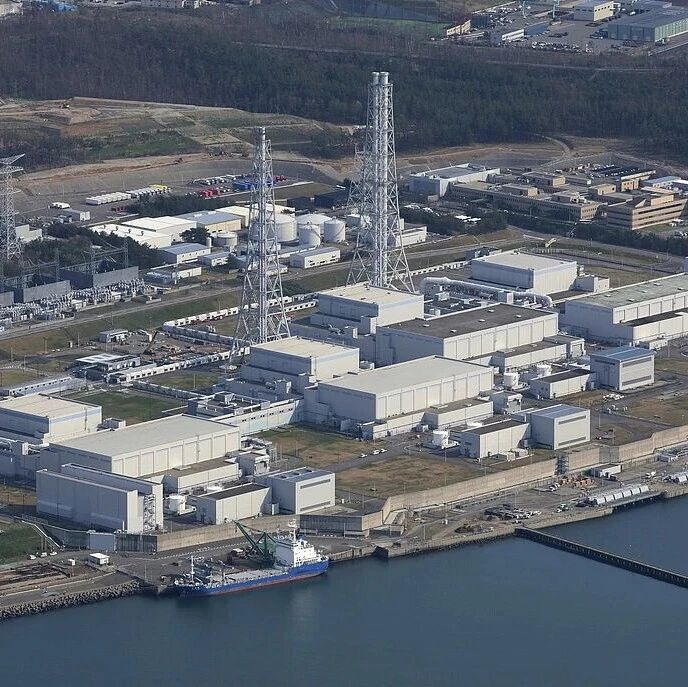
据日本共同社报道,稻垣武之29日在新闻发布会上说,推断故障原因可能是变频器和驱动控制棒之间的 组合设定出现问题。 本文为转载内容,授权事宜请联系原著作权人 稻垣武之表示,故障原因逐渐明朗,预计反应堆重启之日不会太远。(完) 中新经纬版权所有,未经书面授权,任何单位及个人不得转载、摘编或以其它方式使用。 关注中新经纬微信公众号(微信搜索"中新经纬"或"jwview"),看更多精彩财经资讯。 东电公司公布柏崎刈羽核电站重启故障的推断原因 来源:中国新闻网 中新网东京1月29日电 东京电力公司柏崎刈羽核电站站长稻垣武之29日说,变频器和驱动控制棒之间的 组合设定出现问题,可能是该核电站6号机组反应堆重启后触发警报的原因。 编辑:王永乐 位于新潟县的柏崎刈羽核电站是日本最大的核电站。该核电站6号机组反应堆本月21日重启,但在22日 凌晨抽出反应堆控制棒的作业过程中出现故障引发警报。东京电力公司在更换相关设备的电子部件后, 情况未有改善。为调查故障原因,东京电力公司22日决定停止该反应堆的运行。 广告等商务合作,请点击这里 ...
2025年度能源行业十大科技创新成果
国家能源局· 2026-01-29 11:21
Core Viewpoint - The article highlights ten significant technological innovations in the energy sector for 2025, showcasing advancements in various energy generation and storage technologies that enhance efficiency, safety, and sustainability. Group 1: Solar and Thermal Energy Innovations - The 100 MW multi-tower solar thermal power generation system introduces a new architecture for concentrated solar power, improving system integration and resource utilization, applied in a 700,000 kW project in Gansu [3] Group 2: Hydropower Innovations - The 500 MW large impact water turbine generator set represents a breakthrough in high-head, large-capacity hydropower technology, featuring the world's largest 6.23-meter turbine and supporting the construction of hydropower bases in Tibet [5] Group 3: Nuclear Energy Innovations - The 2 MW liquid fuel thorium molten salt experimental reactor technology demonstrates the feasibility of using thorium resources, achieving thorium-uranium fuel conversion for the first time [7] Group 4: Coal and Clean Energy Innovations - The 700 MW high-efficiency ultra-supercritical circulating fluidized bed boiler technology significantly reduces coal consumption by approximately 20 grams per kilowatt-hour compared to traditional systems, supporting new coal power projects [9] Group 5: Power Transmission Innovations - The ultra-high voltage direct current transformer with on-load tap changer technology enhances voltage regulation without power interruption, achieving the highest global parameters and supporting large-scale clean energy transmission [11] Group 6: Smart Mining Innovations - The large open-pit coal mine unmanned transportation system addresses key challenges in autonomous operation, filling a technological gap in 300-ton mining trucks for large-scale applications [15] Group 7: Oil and Gas Pipeline Innovations - The large-diameter oil and gas pipeline welding robot technology advances the intelligent transformation of pipeline construction, enhancing efficiency and adaptability in complex field conditions [17] Group 8: Energy Storage Innovations - The large-capacity solid-liquid hybrid lithium-ion battery storage system, with a capacity of 314 amp-hours, enhances performance and safety, applied in a 200 MW/400 MWh energy storage project in Guangdong [19] Group 9: Green Hydrogen and Ammonia Innovations - The large-scale green hydrogen and ammonia integrated flexible synthesis technology supports the non-electric consumption of renewable energy, with demonstration projects in Jilin set to operate in 2025 [21]
日本最大核电站重启后发生故障初步原因公布
中国能源报· 2026-01-29 08:48
Core Viewpoint - The article discusses the preliminary findings regarding the malfunction of the control rod at the Kashiwazaki-Kariwa Nuclear Power Plant, Japan's largest nuclear facility, after its recent restart [3]. Group 1: Incident Overview - The Tokyo Electric Power Company announced on January 29 that the preliminary cause of the control rod alarm malfunction in Unit 6 of the Kashiwazaki-Kariwa Nuclear Power Plant was due to issues with the combination settings between the inverter and the control rod drive system [3]. - Unit 6 of the plant was restarted on January 21, after being offline since the 2011 Great East Japan Earthquake [3]. - The alarm was triggered during the control rod withdrawal operation on January 22, leading to the suspension of the operation for investigation [3]. Group 2: Future Operations - The plant manager, Takezaki Takeshi, indicated that the future operational schedule for Unit 6 will be reassessed and adjusted based on the results of the ongoing investigation into the malfunction [3].
山东政协委员履职献策 为高质量发展贡献智慧力量
Zhong Guo Xin Wen Wang· 2026-01-29 07:22
中新网济南1月29日电 (陈宛婷)近日,山东省政协十三届四次会议委员集中采访活动在济南举行。来自 不同行业与领域的10位山东省政协委员结合其自身工作实践,分享履职故事,回应民众期盼,精准建言 献策,为山东高质量发展凝聚智慧力量。 赋能经济发展 "民营经济与金融机构互为鱼水、共生共荣。"山东省政协委员,中国工商银行山东省分行党委书记、行 长李峰介绍说,目前,山东民营经济贷款余额已超4万亿元(人民币,下同)。其中,该行近两年的民营 贷款年均增速接近20%,贷款余额超2800亿元。 山东省政 山东是民营经济大省,民营市场主体超过1400万家,贡献了超50%的GDP、近70%的税收、80%以上的 就业。为更好地让金融"活水"精准润泽民营经济,李峰表示,该行聚焦先进生产力、特色场景及延链展 链,2025年,其民营科技企业贷款余额突破千亿元,为60家重点民企量身定制全面金融解决方案;截至 目前,已为190条供应链上的5000多户企业提供数字供应链融资。 "济钢集团在停产后搬迁到了青岛都市圈的日照市东港区。过去济钢生产线上淌的是钢水,现在'躺'的 是火箭配件,这样就同时实现了济南高端产业的延链与日照钢铁产能的升级。"采访现 ...
中广核:“十四五”期间境内新能源在运装机容量较“十三五”末增长近三倍
Zheng Quan Ri Bao Zhi Sheng· 2026-01-29 03:10
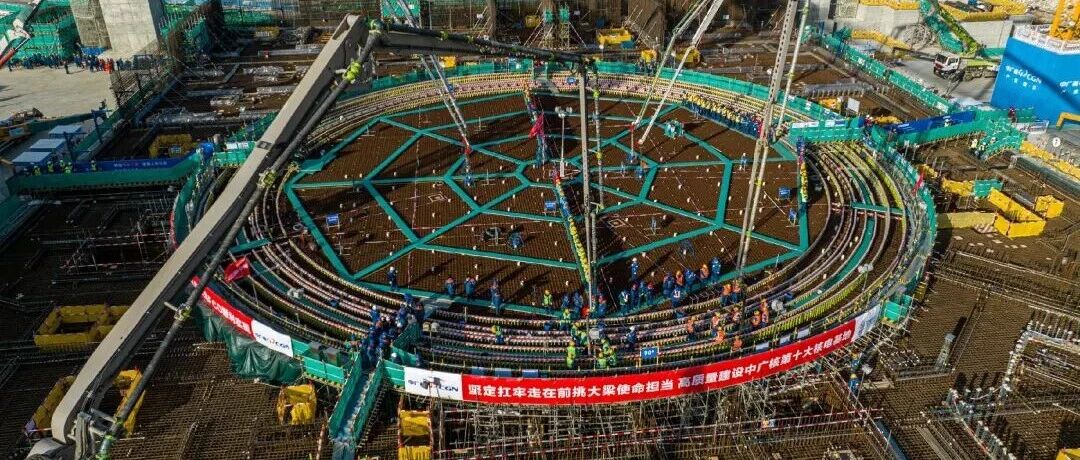
在深耕国内市场的同时,中广核海外绿色足迹同样亮眼,境外新能源控股装机规模超过1300万千 瓦。"十四五"期间,新增在建、在运装机约580万千瓦,已累计为18个国家和地区提供清洁电力超3700 亿千瓦时,点亮"一带一路"万家灯火。 "我们深耕'一带一路'共建国家,积极融入能源领域国际合作,并在此过程中持续拓宽清洁能源合作'新 路径、新场景、新模式'。"在中国广核能源国际控股有限公司党委副书记、总经理欧阳孜看来,中广核 境外新能源发展正从电站投资者,向为合作国提供深度本地化能源解决方案的伙伴转型。 记者从中广核获悉,截至目前,其核电在运机组28台,在建机组20台,总装机容量超5600万千瓦。其 中,目前,有18台在建核电机组采用"华龙一号"。 作为我国核电走向世界的"国家名片","华龙一号"12项主要技术指标达国际最优水平,成功通过欧洲用 户要求认证和英国通用设计审查,是目前唯一无审查重大问题、无审查重大遗留问题的堆型。中广核工 程有限公司党委书记、董事长宁小平介绍,中广核"华龙一号"示范工程——广西防城港核电3、4号机组 于2024年高质量投产,全面验证了该技术的安全性、先进性和可靠性。随着"华龙一号"技术持续 ...

超千亿核电新账本:山东如何跑通商业路径?
经济观察报· 2026-01-29 02:40
Core Viewpoint - Shandong Province is pioneering the world's first commercial nuclear heating project, "Warm Nuclear No. 1," extending the nuclear energy industry chain from electricity generation to urban heating networks, marking a significant shift in energy structure and a revolution in the "nuclear+" business model [3][4]. Summary by Sections Nuclear Power Development Goals - By 2030, Shandong aims to have an operational nuclear power capacity exceeding 13 million kilowatts and a nuclear heating area targeting 200 million square meters, forming a nuclear energy industry cluster worth 500 billion [3][22]. Commercial Model and Challenges - The commercial model involves a collaboration between nuclear power plants, government platforms, long-distance pipeline companies, and heating companies, which is essential for the sustainable replication of the model [5][11]. - Key challenges include unstandardized design and construction, cross-regional coordination, and profit distribution mechanisms [5][4]. Economic Viability - The cost of nuclear heating is comparable to that of thermal power, with a cost control of 50 to 60 yuan per gigajoule within a 50-kilometer radius, significantly lower than traditional coal and natural gas heating [9][8]. Infrastructure and Coordination - A communication mechanism involving government leadership and enterprise participation has been established to facilitate the construction of a 83-kilometer main pipeline [14][11]. - The transition from local to cross-city coordination has increased complexity, necessitating repeated discussions on heat source distribution and maintenance responsibilities [13][14]. Technological and Market Dynamics - The nuclear power market in Shandong features diverse technological routes, including AP1000 and domestically developed technologies, which can lead to higher operational costs and challenges in standardization [17][18]. - The introduction of private capital into nuclear projects, such as the Zhaoyuan nuclear project, represents a significant shift in capital structure and aims to alleviate financial pressure on state-owned enterprises [19][20]. Local Industry Development - Local equipment manufacturing has gained opportunities due to the nuclear heating projects, with companies like Yantai Taihai Nuclear Power securing significant orders [20][19]. - The establishment of a long-distance pipeline company as a new commercial entity is crucial for the cross-regional replication of the nuclear heating model [20][21]. Strategic Planning for the 14th Five-Year Plan - The strategic layout of Shandong's nuclear power development has evolved to encompass a comprehensive energy system and a 500 billion-level nuclear energy industry cluster [22][21]. - The provincial energy bureau has set clear quantitative targets for nuclear power capacity, heating area, and industry scale by 2025 and 2030 [22][23]. Policy and Standardization Efforts - Shandong is exploring policy solutions to address challenges in standardization, coordination, and funding, including the establishment of a provincial-level coordination agency or fund [24][25]. - The focus is on creating a market-oriented, diversified financing mechanism to attract more social capital into the nuclear energy sector [25][24].

中广核矿业再涨超11% 核电重要性或系统性抬升 公司铀产品定价与市价挂钩
Zhi Tong Cai Jing· 2026-01-29 01:52
Group 1 - The core viewpoint of the article highlights the significant rise in the stock price of China General Nuclear Power Corporation (CGN) due to positive developments in the nuclear energy sector, as indicated by the World Nuclear Association's report projecting global nuclear power capacity to reach 1446 GW by 2050, exceeding previous targets [1] - CGN's stock increased by over 11%, with a current price of 5.55 HKD and a trading volume of 284 million HKD, reflecting strong market interest [1] - The report from Huayuan Securities emphasizes that nuclear power and uranium are transitioning from "optional energy" to "strategic necessities," suggesting a potential increase in long-term pricing power, cash flow stability, and capital attractiveness for the sector [1] Group 2 - Uranium prices have risen to approximately 91 USD, nearing a two-year high, driven by a weaker dollar and military exercises in the Middle East, which have contributed to rising commodity prices [1] - CGN benefits from the increase in global nuclear power demand, as all of its uranium products are sold to its parent company, with pricing linked to market rates, allowing the company to capitalize on favorable market conditions [1]

超千亿核电新账本:山东如何跑通商业路径?
Jing Ji Guan Cha Wang· 2026-01-29 01:28
Core Viewpoint - Shandong Province is advancing its nuclear power development strategy, focusing on integrating nuclear energy into heating solutions, thereby creating a new commercial model that extends beyond electricity generation [1][12]. Nuclear Power Development Goals - By 2030, Shandong aims to have an operational nuclear power capacity exceeding 13 million kilowatts and a nuclear heating area targeting 200 million square meters, forming a nuclear energy industry cluster worth 500 billion [1][12]. Commercial Model and Challenges - The commercial model involves a collaboration between nuclear power plants, government platforms, long-distance pipeline companies, and heating companies, but faces challenges such as inconsistent design standards and coordination issues across regions [2][5]. - The transition from a demonstration phase to a sustainable commercial model is a critical question for Shandong as it embarks on its 14th Five-Year Plan [2]. Economic Viability - The cost of nuclear heating is comparable to that of coal and natural gas heating, with a cost control range of 50 to 60 yuan per gigajoule within a 50-kilometer radius, potentially saving around 60 million yuan in heating costs for a season covering 5 million square meters [4]. Infrastructure and Coordination - A specialized technical team has been established to manage land acquisition and pipeline construction, with existing heating companies transitioning to nuclear heating operations [6]. - A communication mechanism involving government leadership and enterprise collaboration has been developed to address cross-regional coordination challenges [6]. Industrial Applications and Efficiency - The nuclear heating system is designed to prioritize residential heating in winter while increasing industrial steam supply in non-heating seasons, improving energy utilization rates from 36.69% to 55.9% [7]. - The model has successfully expanded from local to inter-city applications, maintaining principles that prevent price increases for residents and additional burdens on the government [7]. Technological Diversity and Industry Structure - Shandong's nuclear power market features diverse technological routes, including AP1000 and domestically developed CAP series technologies, which can lead to higher operational costs and challenges in standardization [8]. - The introduction of private capital into nuclear projects, such as the Zhaoyuan nuclear power project, represents a significant shift in capital structure and aims to alleviate financial pressures on state-owned enterprises [9][10]. Local Equipment Manufacturing Opportunities - Local companies have emerged as key players in the nuclear supply chain, providing essential equipment and services, which helps reduce construction and operational costs while fostering industry competitiveness [10]. Future Directions and Policy Initiatives - Shandong is exploring policy measures to standardize design, construction, and acceptance criteria for nuclear energy projects, aiming to resolve existing bottlenecks [14][15]. - The province is also considering establishing a provincial-level coordination body to address cross-city pipeline construction and heat source allocation issues [15]. Strategic Vision for the 14th Five-Year Plan - The 14th Five-Year Plan marks a pivotal shift for Shandong's nuclear power sector, transitioning from project-based development to a strategic, integrated energy system aimed at achieving a 500 billion industry scale [12][16].
山东两会|超千亿核电新账本:山东如何跑通商业路径?
Jing Ji Guan Cha Wang· 2026-01-29 01:15
Core Insights - Shandong Province is advancing its nuclear power development strategy, focusing on integrating nuclear energy into heating solutions, marking a shift from traditional electricity generation to a comprehensive energy service model [2][3][26] - The province aims to exceed 13 million kilowatts of operational nuclear capacity and provide heating for 200 million square meters by 2030, establishing a significant nuclear energy industry cluster valued at 500 billion [3][23] Group 1: Nuclear Energy Development - The Shandong government has outlined plans to construct the Haiyang Nuclear Power Phase III and expand clean heating projects, indicating a strategic shift towards nuclear energy applications beyond electricity [2][3] - The Haiyang Nuclear Power Station has initiated the world's first commercial nuclear heating project, "Warm Nuclear No. 1," which extends the nuclear energy supply chain into urban heating networks [2][3][17] Group 2: Economic Viability and Challenges - The cost of nuclear heating is comparable to that of coal and natural gas, with a projected savings of approximately 60 million yuan per heating season for a heating area of 5 million square meters [8][15] - Challenges include the need for standardized design and construction practices, as well as effective cross-regional coordination and profit-sharing mechanisms [4][22] Group 3: Business Model Innovation - A collaborative business model involving nuclear power plants, government platforms, long-distance pipeline companies, and heating companies is being developed to ensure the sustainability of nuclear heating [9][10] - The model aims to balance the interests of various stakeholders, including government, nuclear enterprises, and users, while maintaining stable pricing for residents [15][24] Group 4: Technological and Operational Developments - The integration of nuclear heating has led to technological advancements, such as the successful adaptation of AP1000 turbine technology for heating purposes, which has improved energy efficiency [7][18] - The Shandong nuclear power market features diverse technological routes, which, while fostering innovation, also present challenges in standardization and operational efficiency [18][19] Group 5: Future Directions and Policy Initiatives - The provincial government is exploring new financing mechanisms and collaborative models to attract private investment into nuclear projects, aiming to alleviate financial pressures on state-owned enterprises [20][25] - Future strategies include establishing a provincial-level coordination body to address cross-regional challenges and promote standardized practices in nuclear energy utilization [25][26]