
自动驾驶

Search documents
滴滴和港中文最新的前馈3D重建算法UniSplat!史少帅参与~
自动驾驶之心· 2025-11-08 16:03
Core Insights - The article discusses the introduction of UniSplat, a novel feed-forward framework for dynamic scene reconstruction in autonomous driving, which addresses challenges in existing methods due to sparse camera views and dynamic environments [6][44]. Group 1: Background and Challenges - Reconstructing 3D scenes from urban driving scenarios is a core capability for autonomous driving systems, supporting tasks like simulation and scene understanding [5]. - Recent advancements in 3D Gaussian splatting have shown impressive rendering efficiency and fidelity, but existing methods often assume significant overlap between input images, limiting their applicability in real-time driving scenarios [5][6]. - The challenges include maintaining a unified latent representation over time, handling partial observations and occlusions, and efficiently generating high-fidelity Gaussian bodies from sparse inputs [5][6]. Group 2: UniSplat Framework - UniSplat is designed to model dynamic scenes using a unified 3D scaffold that integrates multi-view spatial information and multi-frame temporal information [6][9]. - The framework operates in three stages: constructing a 3D scaffold from multi-view images, performing spatio-temporal fusion, and decoding the fused scaffold into Gaussian bodies [6][9]. - The dual-branch decoder strategy enhances detail retention and scene completeness by predicting Gaussian bodies from both sparse point locations and voxel centers [6][9]. Group 3: Experimental Results - Evaluations on the Waymo Open and NuScenes datasets demonstrate that UniSplat achieves state-of-the-art performance in both input view reconstruction and new view synthesis tasks [7][34]. - The model exhibits strong robustness and superior rendering quality when synthesizing views outside the original camera coverage, thanks to its temporal memory mechanism [7][34]. - Comparative results indicate that UniSplat consistently outperforms existing methods, such as MVSplat and DepthSplat, across all metrics [33][34]. Group 4: Conclusion and Future Directions - UniSplat represents a significant advancement in dynamic scene reconstruction and new view synthesis, providing a robust framework for integrating spatio-temporal information from multi-camera video [44]. - The framework's potential applications extend to dynamic scene understanding, interactive 4D content creation, and lifelong world modeling [44].

小马、文远同天上市同遭破发:资本市场开绿灯还是亮黄灯?
Sou Hu Cai Jing· 2025-11-08 14:45
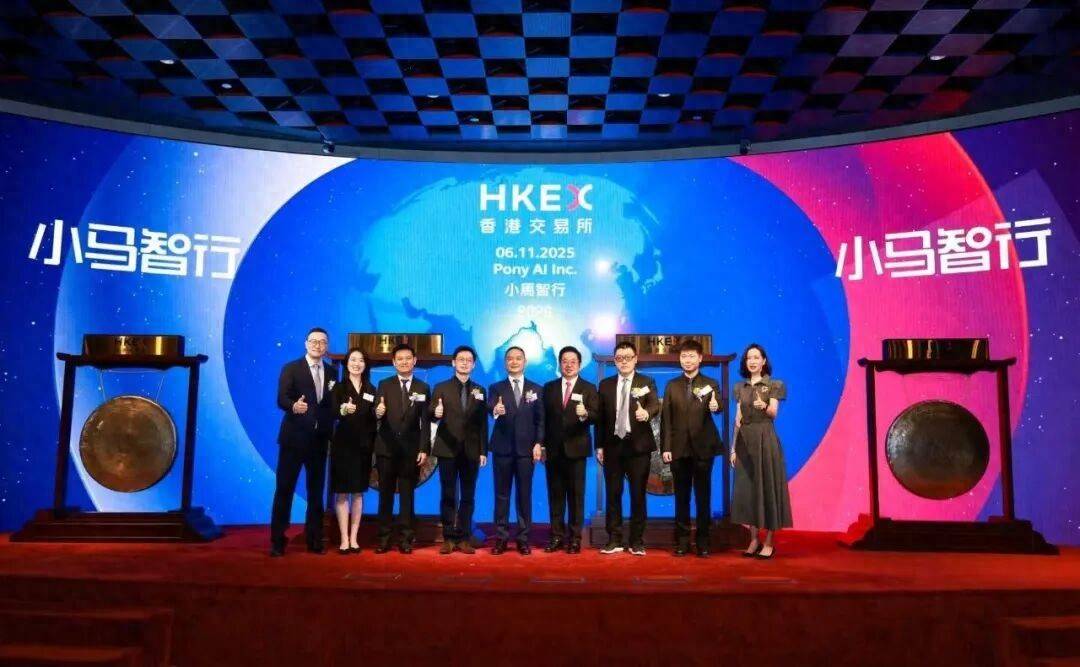
Core Insights - The dual listing of two leading domestic autonomous driving companies on the same day, both experiencing a drop in share price, reflects the capital market's complex attitude towards the autonomous driving industry, offering both hope and skepticism [1][3]. Group 1: Capital Market Dynamics - Xiaoma Zhixing's IPO on November 6 raised a total of 7.7 billion HKD, marking it as the largest IPO in the global autonomous driving sector for 2025 [3]. - The dual listing of Xiaoma Zhixing and another company, WeRide, indicates a significant moment for the autonomous driving industry, yet both companies faced a cautious market response with their shares falling on the first day [3][6]. - Xiaoma Zhixing's strategic plan allocates 50% of the raised funds for large-scale commercialization of L4 autonomous driving technology, 40% for R&D, and 10% for operational funds [6][8]. Group 2: Business Performance - Xiaoma Zhixing reported a revenue of 35.43 million USD (approximately 254 million RMB) in the first half of 2025, a year-on-year increase of 43.3%, with Q2 revenue reaching 154 million RMB, a 75.9% increase year-on-year [10]. - The core business, Robotaxi, generated 3.26 million USD (approximately 23.32 million RMB) in revenue during the first half of 2025, reflecting a significant year-on-year growth of 178.8% [10]. - The passenger fare revenue for Robotaxi saw an increase of approximately 800% year-on-year in Q1 2025 and over 300% in Q2 2025, indicating a shift in user behavior towards viewing Robotaxi as a regular transportation option [10]. Group 3: Cost Management - The introduction of the seventh-generation L4 autonomous driving system represents a pivotal shift from "technically feasible" to "commercially viable," achieving a 70% reduction in total costs compared to previous generations [12]. - The new system utilizes automotive-grade components, allowing Robotaxi vehicles to have an operational lifespan of up to 600,000 kilometers, and significantly reduces costs for key components like LiDAR and onboard computing units [12]. Group 4: Operational Efficiency - Xiaoma Zhixing has developed a remote assistance platform for Robotaxi, achieving a management efficiency ratio of 1:20, where one remote staff member can manage 20 vehicles [14]. - The company treats Robotaxi as "digital assets," allowing for simultaneous maintenance tasks, which can be completed by one person for 20 vehicles within an hour [14]. Group 5: Competitive Landscape - Xiaoma Zhixing and WeRide are positioned in a competitive landscape where their revenue structures differ significantly, with Xiaoma Zhixing's revenue primarily from autonomous truck services and technology licensing, while WeRide focuses more on autonomous taxi services [16]. - Both companies face competition from Baidu's Apollo Go, which has surpassed 250,000 weekly orders as of October 31 [16]. Group 6: Market Trends - The capital market's perception of the autonomous driving sector is shifting from speculative concepts to tangible commercial viability, with a renewed focus on foundational technologies [17]. - Regulatory measures have been introduced to clarify the terminology used in the industry, pushing companies to focus on product quality rather than marketing hype [17]. Group 7: Future Outlook - Despite challenges, the autonomous driving market holds significant potential, with projections indicating that the L4 Robotaxi penetration rate in China could reach 8% by 2030 [18]. - The global mobility market is expected to reach approximately 4.5 trillion USD by 2025, with Robotaxi services anticipated to achieve commercialization around 2026 [20]. - The competition in the autonomous driving sector is evolving from technical feasibility to scaling operations, with market recognition increasingly tied to profitability models [21].
被裁,大多输在薪资太高!
自动驾驶之心· 2025-11-08 12:35
Group 1 - The current job market is experiencing ongoing layoffs, with companies prioritizing cost over employee capability when making decisions on who to retain [3][6] - High-performing employees are often the first to be laid off due to their higher salaries, as companies focus on reducing costs rather than maintaining talent [3][5] - Companies have developed strategies to manage product quality issues by silencing dissent rather than addressing problems, indicating a shift in workplace dynamics where cost is prioritized over employee value [5][6] Group 2 - The changing workplace logic emphasizes that cost is more critical than capability, leading employees to consider their job security and potential alternatives proactively [6][7] - Companies that do not respect their employees may ultimately face consequences from customers, as the quality of service cannot be maintained solely through cost-cutting measures [7]

滴滴和港中文最新的前馈3D重建算法UniSplat!史少帅参与~
自动驾驶之心· 2025-11-08 12:35
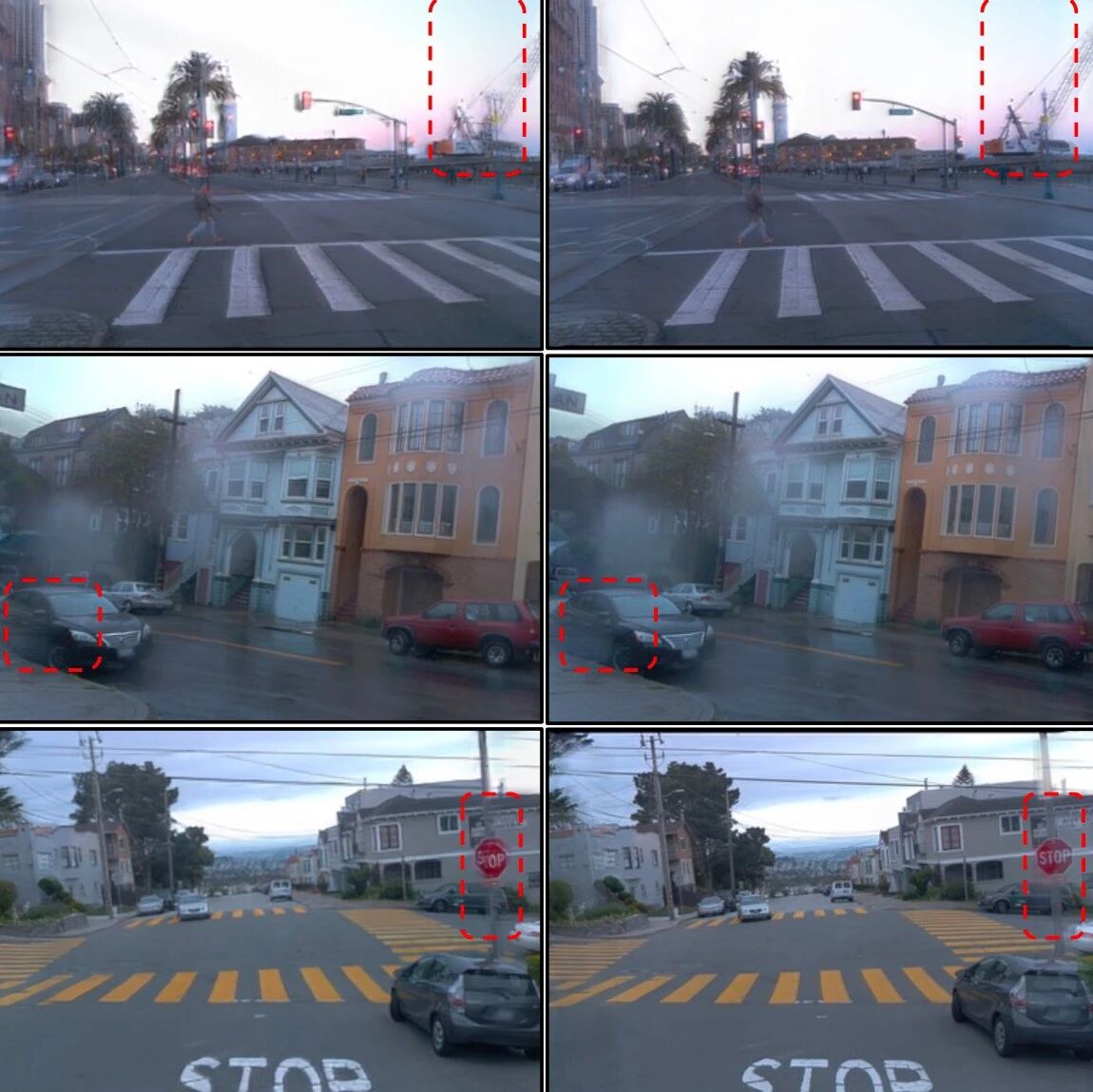
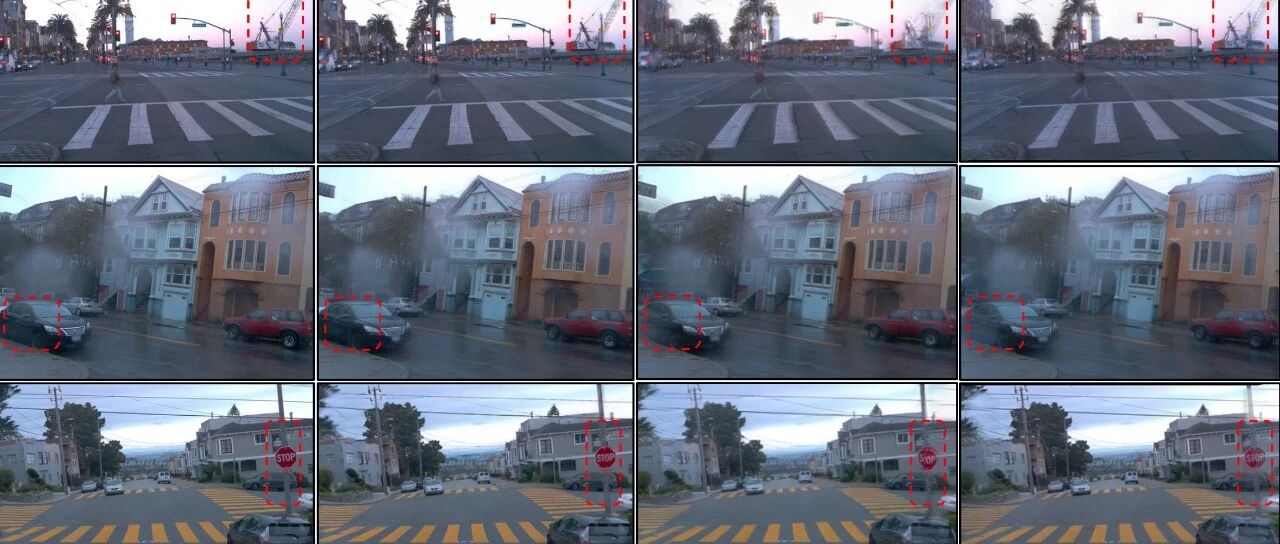
Core Viewpoint - The article discusses the introduction of UniSplat, a novel feed-forward framework for dynamic scene reconstruction in autonomous driving, which effectively integrates spatio-temporal information from multi-camera video inputs to enhance the robustness and quality of 3D scene reconstruction [6][44]. Background Review - Reconstructing 3D scenes from urban driving scenarios has become a core capability for autonomous driving systems, supporting critical tasks such as simulation, scene understanding, and long-horizon planning [5]. - Recent advancements in 3D Gaussian splatting technology have shown impressive rendering efficiency and fidelity, but existing methods often assume significant overlap between input images and rely on scene-by-scene optimization, limiting their applicability in real-time driving scenarios [5][6]. UniSplat Overview - UniSplat is designed to address the challenges of robust reconstruction in dynamic driving scenes by constructing a unified 3D Scaffold that integrates multi-view spatial information and multi-frame temporal information [6][9]. - The framework operates in three stages: building a 3D Scaffold from multi-view images, performing spatio-temporal fusion, and decoding the fused Scaffold into Gaussian primitives [6][9]. Experimental Results - Evaluations on the Waymo Open dataset and NuScenes dataset demonstrate that UniSplat achieves state-of-the-art performance in both input view reconstruction and new view synthesis tasks, showcasing strong robustness and superior rendering quality even for views outside the original camera coverage [7][34]. - In the Waymo dataset, UniSplat outperforms existing methods such as MVSplat and DepthSplat across all metrics, achieving a PSNR of 25.37 and an SSIM of 0.765 [34]. - The model effectively distinguishes between dynamic and static elements in scenes, successfully mitigating ghosting artifacts during scene completion [40]. Methodology Details - The 3D Scaffold is constructed by inferring geometric structures using a geometric backbone model and supplementing it with semantic information from a visual backbone model [14][16]. - A dual-branch decoder is employed to generate dynamic-aware Gaussian primitives, enhancing detail retention and scene completeness [23][27]. - The framework incorporates a memory mechanism to accumulate static Gaussian representations over time, facilitating long-term scene completion [29][31]. Conclusion - UniSplat represents a significant advancement in the field of dynamic scene understanding and interactive 4D content creation, providing a robust foundation for future research in lifelong world modeling and autonomous driving applications [44].
招募4D标注和世界模型方向的合伙人!
自动驾驶之心· 2025-11-08 12:35
Group 1 - The article emphasizes the increasing demand for corporate training and job counseling in the autonomous driving sector, highlighting the need for various training programs and industry insights [2][4] - There is a specific focus on assisting individuals who struggle with their resumes and require project experience and guidance [3] - The company is inviting professionals in the autonomous driving field to collaborate on technical services, training, course development, and research guidance [4][5] Group 2 - The main areas of collaboration include roles such as autonomous driving product managers, 4D annotation/data closure, world models, VLA, autonomous driving large models, reinforcement learning, and end-to-end solutions [5] - The job description targets both B-end (corporate and academic training) and C-end (students and job seekers) for training cooperation, course development, and original article creation [6] - Interested parties are encouraged to reach out for further consultation via WeChat [7]
小马智行、文远知行双双登陆港交所 开启中国自动驾驶“港股时刻”
Zhong Guo Jing Ying Bao· 2025-11-08 11:03
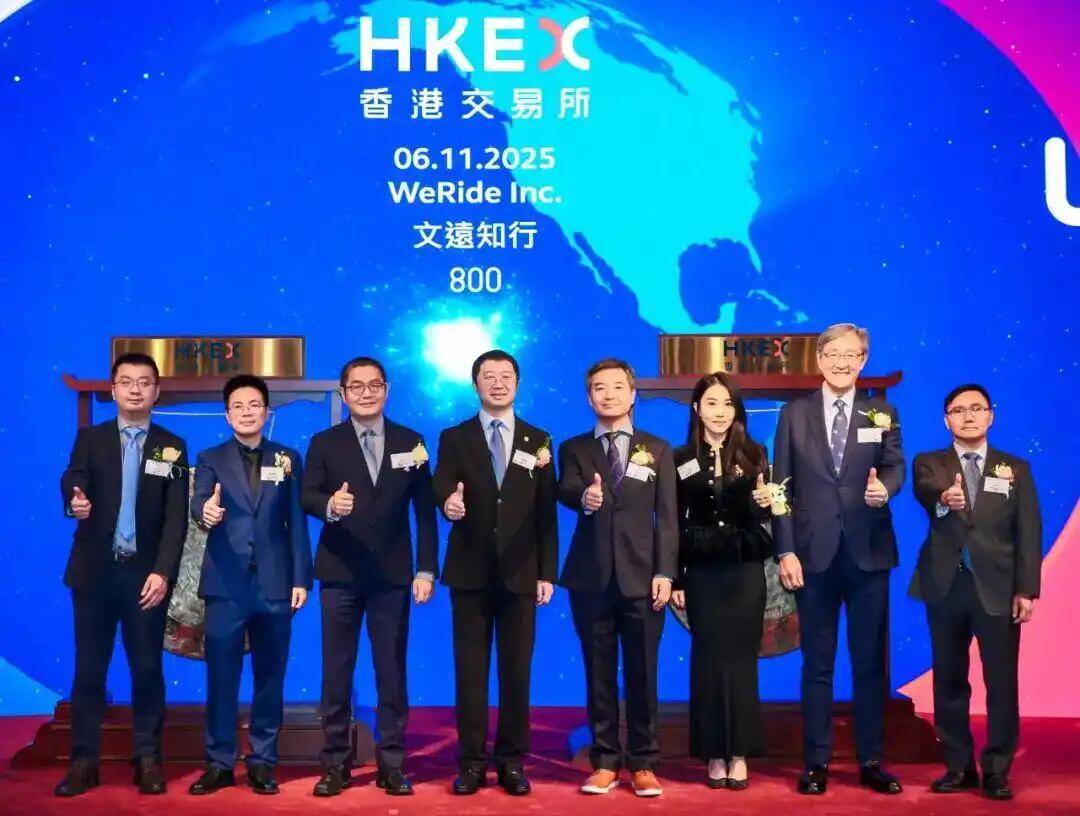
Group 1 - The core event is the successful dual listing of two leading autonomous driving companies, Xiaoma Zhixing and Wenyuan Zhixing, on the Hong Kong Stock Exchange, marking a significant milestone in the commercialization of autonomous driving in China [1][2] - Xiaoma Zhixing raised a total of 7.7 billion HKD by issuing approximately 48.25 million shares, making it the largest IPO in the global autonomous driving sector for 2025 and the highest fundraising in the AI sector on the Hong Kong market this year [1] - The funds raised by Xiaoma Zhixing will primarily be used for the commercialization of autonomous driving, mass production of vehicle-grade technology, and research and development [1] Group 2 - Xiaoma Zhixing has established R&D centers in major cities including Beijing, Shanghai, Guangzhou, Shenzhen, as well as in Silicon Valley and Luxembourg, and is the only company in China to operate fully unmanned Robotaxi services in the four first-tier cities [2] - Wenyuan Zhixing issued a total of 88.25 million shares, with a public offering of 17.65 million shares and an international placement of 70.6 million shares, raising 2.39 billion HKD before the greenshoe option [2] - Wenyuan Zhixing's L4 autonomous vehicle fleet exceeds 1,500 units, with over 700 Robotaxis, and the company plans to deploy tens of thousands of autonomous vehicles by 2030 [2] Group 3 - The founders of Xiaoma Zhixing and Wenyuan Zhixing celebrated their listings together, symbolizing a new phase of accelerated development for the Chinese autonomous driving industry [3] - Both companies' successful listings are seen as a representation of the Chinese autonomous driving sector moving towards a more prominent position on the global stage [3]
祝贺文远知行成功在香港交易所挂牌上市
Sou Hu Cai Jing· 2025-11-08 02:05
Group 1 - WeRide Inc. successfully completed a dual primary listing on the Hong Kong Stock Exchange with a stock code of 0800.HK, following its listing on NASDAQ in 2024, expanding its global capital market strategy [1] - The total number of shares offered globally before the greenshoe option was 88.25 million, with 17.65 million shares allocated for public offering and 70.60 million shares for international placement, priced at HKD 27.1 per share, raising a total of HKD 2.39 billion [1] - The completion of the Hong Kong listing allows WeRide to establish a dual financing platform of US and Hong Kong stocks, enhancing its financing flexibility and risk resilience, which is crucial for the long-term competition in autonomous driving commercialization [1] Group 2 - Founded in 2017, WeRide is a leading global autonomous driving technology company operating in over 30 cities across 11 countries, with more than 2,200 days of operational experience [2] - The company possesses one of the largest L4 autonomous vehicle fleets globally, with over 1,500 autonomous vehicles, including more than 700 Robotaxis, and has the second-largest Robotaxi fleet in the Middle East outside of China and the US [2] - WeRide is focused on developing safe and reliable autonomous driving technologies, with applications in smart mobility, smart logistics, and smart sanitation, and has entered the commercialization phase with a product matrix that includes Robotaxi, Robobus, Robovan, Robosweeper, and Advanced Driver-Assistance Systems [2]


小马智行美股跌5.3%近1个月跌42% 港股上市首日破发
Zhong Guo Jing Ji Wang· 2025-11-08 01:48
Group 1 - The core viewpoint of the news is that Pony.ai's stock has experienced significant declines in both the US and Hong Kong markets following its recent IPO [1] - On November 7, Pony.ai's stock closed at $14.04 in the US market, reflecting a drop of 5.26% [1] - The stock price has decreased by 41.65% from $24.06 on October 2 to the recent closing price [1] Group 2 - Pony.ai was listed on the Hong Kong Stock Exchange on November 6, opening below its issue price and closing at HKD 126.10, down 9.28% [1] - The final offering price for the company's shares in Hong Kong was HKD 139.00, raising a total of HKD 6.707 billion, with a net amount of HKD 6.454 billion [1]
文远知行美股跌6.7%近8个交易日跌32% 港股上市破发
Zhong Guo Jing Ji Wang· 2025-11-08 01:48
Core Points - The stock price of Wunyan Zhixing (NYSE: WRD) closed at $7.99 on November 7, reflecting a decline of 6.66% [1] - From October 28, when the stock closed at $11.72, the price has dropped by 31.83% over 8 trading days [1] - Wunyan Zhixing (00800.HK) was listed on the Hong Kong Stock Exchange on November 6, opening below its issue price and closing at 24.40 HKD, down 9.96% [1] - The final offering price for the Hong Kong shares was 27.1 HKD, raising a total of 2.392 billion HKD, with a net amount of 2.264 billion HKD [1]
一家企业融到C13轮了
36氪· 2025-11-08 01:19
Core Insights - The investment enthusiasm in the autonomous driving sector is reportedly returning, with significant financing activities observed recently [2][4][11]. Financing Activities - Momenta has completed two rounds of financing (C12 and C13), with the C13 round achieving a valuation of $6 billion [4]. - In the past month, over 10 financing events in the domestic autonomous driving sector have occurred, totaling more than 10 billion [5][7]. - Notable financing events include Didi's autonomous driving company raising 2 billion yuan in D round financing and New Stone's over $600 million in D round financing, which set a record for single financing in the sector [8][11]. Market Trends - The number of financing events in the autonomous driving industry in 2023 is approximately 140, with a total amount of around 20 billion yuan, indicating a clear "warming" signal in the market [11]. - The investment landscape has shifted, with large private equity firms increasingly participating in the sector, contrasting with the previous cautious sentiment [11][21]. Key Drivers of Investment - The push towards large-scale commercial applications, exemplified by companies like NineSight aiming for significant delivery targets, has sparked renewed investor interest [13][20]. - The emergence of embodied intelligence concepts has provided new opportunities for the autonomous driving sector, enhancing its appeal to investors [14][16]. Competitive Landscape - The current investment trend shows a clear tilt towards leading companies in the sector, particularly those demonstrating verifiable progress in commercialization [19][20]. - Companies like New Stone and Didi are highlighted as leaders in the field, with New Stone being the first to deliver over 10,000 L4 autonomous vehicles [20]. Future Outlook - The entry of major players like Huawei into the autonomous driving space is seen as a potential game-changer, with expectations that the competitive landscape will consolidate to a few dominant players [22]. - The industry is anticipated to transition from a phase of diverse players to a more concentrated market, with only a few key players remaining [22].
