低空经济

Search documents
持续提升“五个中心”能级,上海拿出了施工图
第一财经· 2026-02-04 06:35
Core Viewpoint - Shanghai aims to achieve a GDP growth rate of around 5% for 2025, with a focus on enhancing its status as an international economic, financial, trade, shipping, and technological innovation center [3][5][12]. Group 1: Economic Goals and Projections - The main expected economic targets for Shanghai in 2025 include a GDP growth of approximately 5%, a 2% increase in local public budget revenue, and R&D expenditure reaching 4.6% of GDP [3][12]. - The "15th Five-Year Plan" outlines an average annual GDP growth target of around 5%, with potential growth levels estimated between 4.6% and 5.2% [3][12]. Group 2: Development of the "Five Centers" - The report emphasizes the continuous enhancement of the "Five Centers," which include international economic, financial, trade, shipping, and technological innovation centers [5][7]. - Specific initiatives include supporting industries such as smart connected vehicles, marine economy, low-altitude economy, aerospace, and satellite internet [5][11]. Group 3: New Quality Productivity - The focus is on integrating technological and industrial innovation to foster new quality productivity, including accelerating the application of major technological achievements and promoting intelligent, green, and integrated industrial development [9][10]. - Shanghai's R&D expenditure as a percentage of GDP reached approximately 4.5% in 2025, with significant growth in key industries like integrated circuits, biomedicine, and artificial intelligence [9][10]. Group 4: Modern Industrial System - The "2+3+6+6" modern industrial system aims to establish a world-class high-end industrial cluster, with a focus on traditional industry transformation and the development of three leading industries: integrated circuits, biomedicine, and artificial intelligence [10][13]. - By 2030, the plan targets that the total output value of strategic emerging industries will account for over 50% of the total industrial output value [12][13]. Group 5: Future Industry Layout - The report highlights the importance of forward-looking layouts in future industries, including quantum technology, brain-computer interfaces, and bio-manufacturing, to enhance Shanghai's competitive edge [14][12]. - The establishment of a reasonable investment mechanism for manufacturing and the promotion of collaboration between industry, academia, and research in emerging fields are emphasized [14][13].

以科创引领,青岛正描绘出城市空间布局持续进阶的新图景
Da Zhong Ri Bao· 2026-02-04 05:52
以科创引领,青岛正描绘出城市空间布局持续进阶的新图景 一条科创走廊,通往更具想象力的未来 一条走廊,折射出一座城市的科创决心与发展战略。 从红瓦绿树、碧海蓝天的文旅名片,到享誉全球的"品牌之都",青岛的城市形象早已深入人心,有 着清晰的印记。然而,在科技创新成为城市竞争主赛道的今天,这座百年名城正面临一场深刻而紧迫的 自我审视:打造具有核心竞争力的科技强市,新的空间载体在哪里? 这条走廊,将为实验室里那些"前途未卜"的早期技术,提供一个低成本、高效率的"试炼场",把技 术风险和市场风险在产业化前期大幅降低。 创新生态,塑造人才引力场 创新,是青岛与生俱来的基因。一条南北延伸53公里的滨海轴线,让答案愈发清晰。 以未来的眼光审视当下,站在创新发展的高点,谋划新的城市空间布局成为青岛的选择。2025年11 月7日,青岛科创大走廊启动建设。这被视为"点燃新质生产力"布局的关键落子,其目标是打破长期横 亘于发展路径上的隐性壁垒,让青岛从一座"拥有著名品牌和优质海岸线的宜居城市",跃迁为"全球一 流的海洋科技创新与产业高地、全国知名的青年'创享'高地、全国领先的'智造'产业高地"。 穿珠成链,贯通"创新主动脉" 青岛科 ...
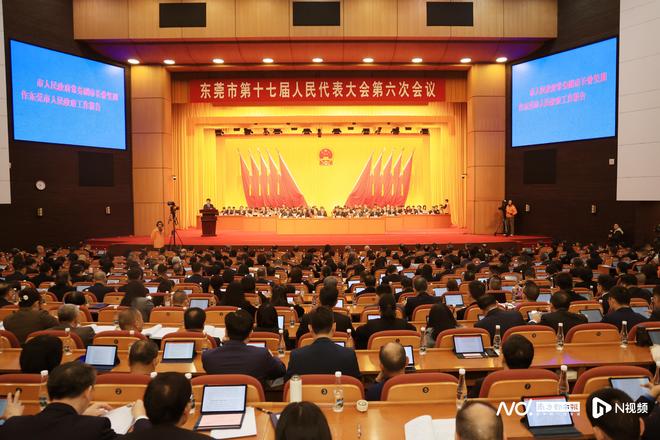
东莞:制造业当家地位愈发牢固!AI、低空经济将是下步重点
Nan Fang Du Shi Bao· 2026-02-04 02:38
Core Viewpoint - Dongguan is solidifying its position as a manufacturing hub, with significant contributions from the industrial sector to GDP growth and a focus on advanced manufacturing and digital transformation initiatives [3][4]. Group 1: Manufacturing Sector Developments - The contribution of the industrial sector to Dongguan's GDP exceeds 80%, with advanced manufacturing value-added growth at 15.8%, accounting for 52.2% of the industrial sector [3]. - Dongguan has been selected as a pilot city for national initiatives in manufacturing technology upgrades and digital transformation, with over 50% growth in technology investment and nearly 2,000 new digital transformation projects annually [3]. - The city has established a modern industrial system categorized as "8+8+4," with over 1,800 new projects worth over 100 million yuan and nearly 200 projects worth over 1 billion yuan [3]. Group 2: Emerging Industries and Innovations - Dongguan is actively seizing opportunities in the "Artificial Intelligence +" sector, launching policies to support AI and service industry development, including the operation of the first city-level large model center in the manufacturing field [4]. - New industries such as low-altitude economy and robotics are thriving, with a focus on fashion and domestic products showcasing manufacturing aesthetics [5]. Group 3: Future Plans and Strategic Actions - In 2026, Dongguan plans to implement the "Industrial System Enhancement" action to cultivate new productive forces and modernize its industrial system, aiming to increase the proportion of strategic emerging industries [6]. - The city will focus on AI and robotics, aiming to develop capabilities in AI mobile devices, servers, and glasses, and establish training grounds for intelligent robots [6]. - Plans include constructing low-altitude economic infrastructure and semiconductor industry parks, targeting a scale of over 65 billion yuan for the semiconductor and integrated circuit industries [8]. Group 4: Service Sector and Brand Development - Dongguan aims to enhance its modern service industry, targeting an increase in the service sector's contribution to GDP to 45% [9]. - The city is focused on building a brand matrix for manufacturing, fostering local, leading, and international brands, and supporting the development of the Hongmeng ecosystem [10].
低空经济那些事儿之《低空经济标准体系建设指南》解读
2026-02-04 02:27
戴晨 东吴证券计算机首席: 各位同事,大家晚上好。就是昨天,这个市市管总局联合这个通管办,然后发改委等 10 个部门,发布了这个低空经济标准体系的一个建设指南,当然是 2025 年版这个我们其实 也可以理解为国内的这个金融经济的这个标准化建设应该进入了一个新的一个阶段了。那 这个重磅的一个文件的发布,我们觉得也是对这个过去 1~2 年的,对这个低空经济的发展 的一个需求的一个国家的一个积极的一个回应吧。我觉得更重要的点也是来推动国内的这 个低空经济。高质量发展这个顶层设计的一个非常重要的一个,这个环节。 所以我们今天也邀请到了整个这个领域里面,参与到这个标准。这个建设指南的一个专家 给大家做一个这个解读。这个,专家您好。首先就是能不能先从您自己的,对这个指南的 理解角度,给大家做一个相对来说比较详尽的一个分享。您这个首先就从政策上,从这个 指南上来看,您觉得哪些是这个首先这个指南对您觉得对这个行业的意义是什么?另外就 是您觉得这个指南里面有哪些点是值得重点去关注和对这个产业有比较大的一些,这个推 动的一些方向,对。 提问人: 好的。 低空经济标准建设专家: 那根据,就是最近发布的这个指导标准,那我们大概可以看 ...
金融界财经早餐:“十五五”首个中央一号文件发布!央行今日开展8000亿元买断式逆回购操作;交易所调整贵金属风控参数;1月A股开户数创十年次高(2月4日)
Jin Rong Jie· 2026-02-04 01:16
Company and Industry Insights - Texas Instruments is reportedly in deep negotiations to acquire chip design company Synaptics for approximately $7 billion, with Synaptics' stock surging over 45% post-announcement [7] - CATL and Fulin Precision are increasing capital in their subsidiary Jiangxi Shenghua to establish a new 500,000-ton ferrous oxalate project, securing upstream raw material supply [7] - Good Products' controlling shareholder, Ningbo Hanyi, has received an execution notice due to overdue debts, potentially putting some of its shares at risk of forced execution [7] - Tianyi Research Institute has completed IPO counseling registration with the Hunan Securities Regulatory Bureau, known for launching 37 satellites into space, dubbed the "Pinduoduo" of the aerospace industry [8] - Huafa Co. plans to raise no more than 3 billion yuan through a private placement to fund nine real estate projects, supplementing project development capital [8] - Kailong High-Tech intends to acquire 70% of Jinhua Wanda through a combination of stock issuance and cash payment, with shares resuming trading on February 4 [8] - Cambrian Technology experienced a drop of over 14% during trading, closing down 9.18% at 1,128 yuan per share, nearing a 30% decline from its high in August [8] - Walmart's market capitalization has surpassed $1 trillion for the first time, with a year-to-date increase of 13%, joining the exclusive club of trillion-dollar retail companies [8] - Disney has appointed Josh D'Amaro as the new CEO, succeeding Bob Iger, with a base salary of $2.5 million and a target one-time stock award of $9.7 million [8] - HP has appointed Bruce Broussard as interim CEO, effective immediately, following the resignation of Enrique Lores [8] - Sun Kai, Vice President and Secretary of the Board at Industrial Bank, has increased his stake in the company by purchasing 40,000 shares, reflecting confidence in the company's future development [8]
2025年上海政府工作报告聚焦实体经济,四大新兴产业集群成发展核心引擎
Jin Rong Jie· 2026-02-04 01:16
Group 1 - The report emphasizes the dual-driven model of upgrading traditional industries and nurturing emerging industries, focusing on the transformation of sectors like petrochemicals and steel through digital and green technology [1][2] - Shanghai's traditional manufacturing industry has achieved an 85% coverage rate in intelligent transformation, which is expected to accelerate energy efficiency improvements and structural optimization [2] - Emerging industries such as intelligent connected new energy vehicles and low-altitude economy are prioritized, with Shanghai opening 1,200 kilometers of testing roads for autonomous vehicles, accumulating over 10 million kilometers of testing mileage [2] Group 2 - The report highlights the low-altitude economy as a new focus area, with Shanghai laying out plans in core fields like drones and eVTOL, which will enhance the collaborative effects across the industry chain [2] - The satellite internet and aerospace industries are expected to synergize with Shanghai's technological reserves in integrated circuits and artificial intelligence, creating a "space-ground integration" industrial ecosystem [2] - The ongoing industrial policy in Shanghai is projected to strengthen the foundation of the real economy, with new productive forces becoming the core driver of economic growth, benefiting the Yangtze River Delta and the national industry [2][3]
时报观察|低空经济发展要立标准,更要打通堵点
证券时报· 2026-02-04 00:15
近日,十部门联合发布《低空经济标准体系》,覆盖航空器、基建、空管等五大板块,明确到 2030年基本形成结构优化、先进合理、国际兼容的低空经济标准体系。标准落地不是终点,唯有 破解空域管理、基建配套等现实堵点,才能让低空经济真正飞入寻常百姓家,成为新质生产力的 重要增长极。 校对: 苏焕文 版权声明 证券时报各平台所有原创内容,未经书面授权,任何单位及个人不得转载。我社保留追 究相关 行 为主体 法律责任的权利。 转载与合作可联系证券时报小助理,微信ID:SecuritiesTimes END 低空经济的潜力有目共睹。中国民航局预测,到2035年,我国低空经济的市场规模有望突破3.5万 亿元。近年来,低空经济运营已在多地试点推进,合肥搭建低空配送网络,深圳让AI赋能低空飞 行服务,无人机巡查、低空物流、载人观光等场景已逐步落地,低空经济已从"概念热"迈向"规范 跑"。此次标准体系出台,恰好补齐了此前技术、管理无统一规范的短板,为产业发展画出"施工 图",避免了无序竞争与重复建设。 热潮之下,落地难题仍不容忽视。如不少地方陷入"重标准、轻落地"的误区,空域审批繁琐、基 建滞后、人才短缺等问题制约着产业发展。有的地 ...

全国工业百强区宝安区跃居第二
Nan Fang Du Shi Bao· 2026-02-03 23:16
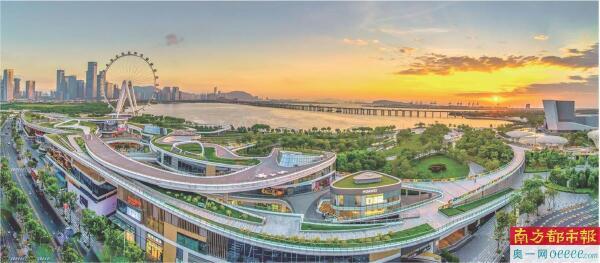
引才 "人才导航"与人工智能等赛道精准对接 宝安城区图。 宝安区宣供图 "处其实,不居其华。"这是南都N视频记者在宝安区七届五次党代会现场最直观的感受。 2025年,既是"十四五"规划的收官之年,也是宝安跨入"万亿工业大区"后的起步之年。回望过去一年, 宝安的"实"体现在一组极具分量的坐标中。 这一年,宝安以"实"稳台阶,筑牢了万亿工业大区的深厚底蕴。规上工业总产值突破万亿大关,稳居全 国工业百强区第二;机场货运百万吨、旅客千万级双双刷新纪录;进出口总额跨越6000亿元门槛,展现 出衔接全球的强大韧性。 这一年,宝安以"活"聚人气,塑造了世界级商圈的活力名片。社消零总额超1600亿元,58万平方米新开 商业面积领跑全市;前海·宝中商圈跻身世界级TOP30潜力榜单,大悦城、冰雪世界闪耀亮相;千万级 客流在湾区核心奔涌,让万亿工业大区散发出热气腾腾的烟火气与国际范。 这一年,宝安以"新"求突破,释放了新质生产力的澎湃动能。战新产业总产值直冲1.2万亿元,具身智 能、低空物流等首创平台集中启用;12款发明上榜《时代》周刊,专利授权连续六年夺冠;实现了从硬 件制造向"含智量"的跃升,挺起了"智造强区"的坚实脊梁。 这 ...
国资委:加快打造引领未来竞争的新兴支柱产业
Zhong Guo Zheng Quan Bao· 2026-02-03 20:28
● 本报记者刘丽靓 新兴产业是赢得未来发展的"必答题",发展新兴产业已成为中央企业优化布局结构的"必选项"。 不少地方和中央企业系统梳理产业发展图谱,推动精准布局,开辟"第二曲线":如招商局集团、国机集 团并购整合、项目直投布局生物制药、仪器仪表产业;中国通号、中国航信深耕低空经济细分领域;中 核集团新一代可控核聚变实现离子电子"双亿度";国投探索"绿电+算力"融合互促新路径;中国国新发 起设立新兴产业发展专项基金;北京加快形成新一代信息技术、智能网联汽车两个千亿级规模产业;江 苏、浙江等地构建覆盖全链条基金群,支持战新产业(300832)发展…… 数据显示,"十四五"以来,中央企业在战略性新兴产业累计投资超过10万亿元,占总投资比重从"十四 五"初期的22%提升至40%以上。2025年,中央企业完成战略性新兴产业投资2.5万亿元、占总投资的 41.8%,中央企业战略性新兴产业营收规模超过12万亿元,连续三年实现了"每年1万亿"可喜增长。 国务院国资委科技创新局局长张剑龙近日在国新办新闻发布会上表示,2026年,国务院国资委将以高质 量编制实施"十五五"规划为契机,接续推动中央企业加快布局新兴产业,抢占未来竞 ...
“十五五”期间地区生产总值年均计划增长5%左右 江苏:奋力书写“强富美高”新篇章
Shang Hai Zheng Quan Bao· 2026-02-03 18:19
Core Insights - Jiangsu aims for an average GDP growth of around 5% during the "15th Five-Year Plan" period, with a focus on high-quality development and integration of technological and industrial innovation [6][7] - The province's GDP reached 14.2 trillion yuan during the "14th Five-Year Plan," with an average annual growth of 5.7% and significant contributions from manufacturing and service sectors [3][4] - Jiangsu plans to invest heavily in infrastructure, targeting 240 billion yuan in transportation, 45 billion yuan in water conservancy, and 170 billion yuan in energy by 2026 [7] Economic Performance - Jiangsu's GDP per capita reached 167,000 yuan, with public budget revenue exceeding one trillion yuan during the "14th Five-Year Plan" [3] - The manufacturing sector accounted for 33.5% of the GDP, while the service sector contributed 54% [3] - The province has maintained the highest level of new loans in the country for four consecutive years, with a strong presence in the stock market [3] Innovation and Technology - Jiangsu's R&D investment intensity reached 3.38%, with an average of 34.2 high-value invention patents per ten thousand people [3] - The province has established six national technology innovation centers and over 480 joint innovation centers with enterprises [3] - Plans for 2026 include the establishment of 10 provincial concept verification centers, 30 benchmark incubators, and 10 provincial manufacturing pilot platforms to enhance innovation [7] Industrial Development - Jiangsu has deepened the "1650" industrial system construction, with 14 national advanced manufacturing clusters and a strategic emerging industry fund exceeding 200 billion yuan [4] - The province aims to enhance the international competitiveness of its manufacturing base by focusing on high-quality development in key industries [4][8] - Future industries such as quantum technology, biomanufacturing, and hydrogen energy are prioritized for development [8]