
城市更新

Search documents
城市辩证法——关于城市进化论的四川答卷
Si Chuan Ri Bao· 2025-11-10 00:05
Core Insights - The article highlights the significant urban development and modernization efforts in Sichuan, particularly focusing on the integration of old and new urban elements to enhance living conditions and preserve cultural heritage [3][4][5][6]. Urban Renewal and Development - Sichuan has initiated urban renewal projects that include the renovation of old neighborhoods, with over 113,000 urban village renovations benefiting more than 310,000 people, and 192,000 units of dilapidated housing being upgraded, benefiting around 500,000 individuals [6][8]. - The urbanization rate in Sichuan has increased from 47.69% in 2015 to 60.1% in 2024, indicating a shift towards quality urban development [8]. Cultural Preservation - The transformation of industrial heritage sites, such as the Dongjiao Memory Park, has become a model for cultural and creative industries in Southwest China, attracting nearly 17.6 million visitors and generating over 3 billion yuan in revenue in 2024 [6]. - The integration of historical elements into urban design, such as the renovation of old neighborhoods with cultural themes, reflects a commitment to preserving local history while improving living conditions [5][6]. Infrastructure and Public Services - Sichuan has made substantial investments in infrastructure, with urban road networks reaching 42,300 kilometers and a wastewater treatment capacity of 1,332,100 tons per day, more than doubling in five years [13][14]. - The province has implemented a comprehensive public service system, including the expansion of housing provident fund services, which saw an increase of 4.065 million new accounts in the past five years [14][15]. Housing and Community Development - The introduction of the "Good Housing Evaluation Standard" marks a significant step towards improving housing quality, transitioning from merely providing housing to ensuring good living conditions [11]. - Sichuan's housing supply structure has been optimized to meet diverse needs, with 367,000 units of various types of affordable housing constructed during the 14th Five-Year Plan period [15].

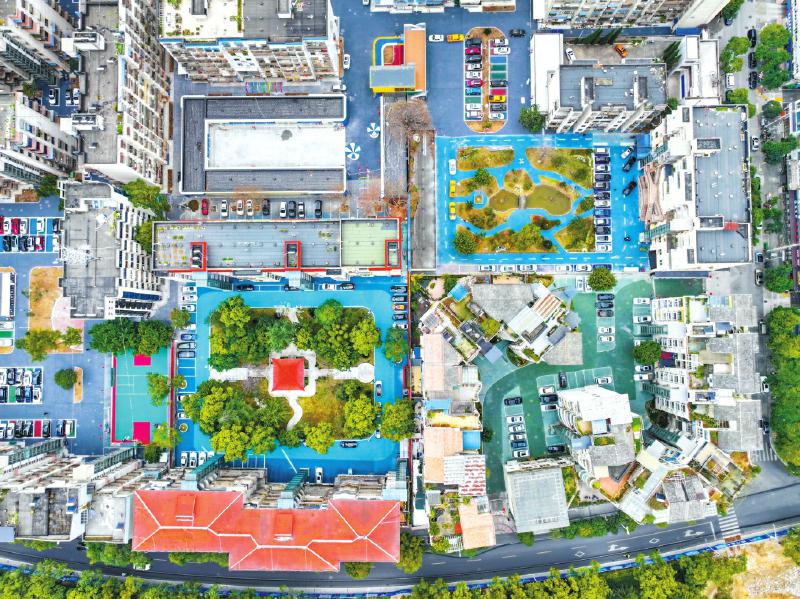
下楼潮流街区 转角遇小公园,武汉用“微更新”装下大城生活
Chang Jiang Ri Bao· 2025-11-07 10:55
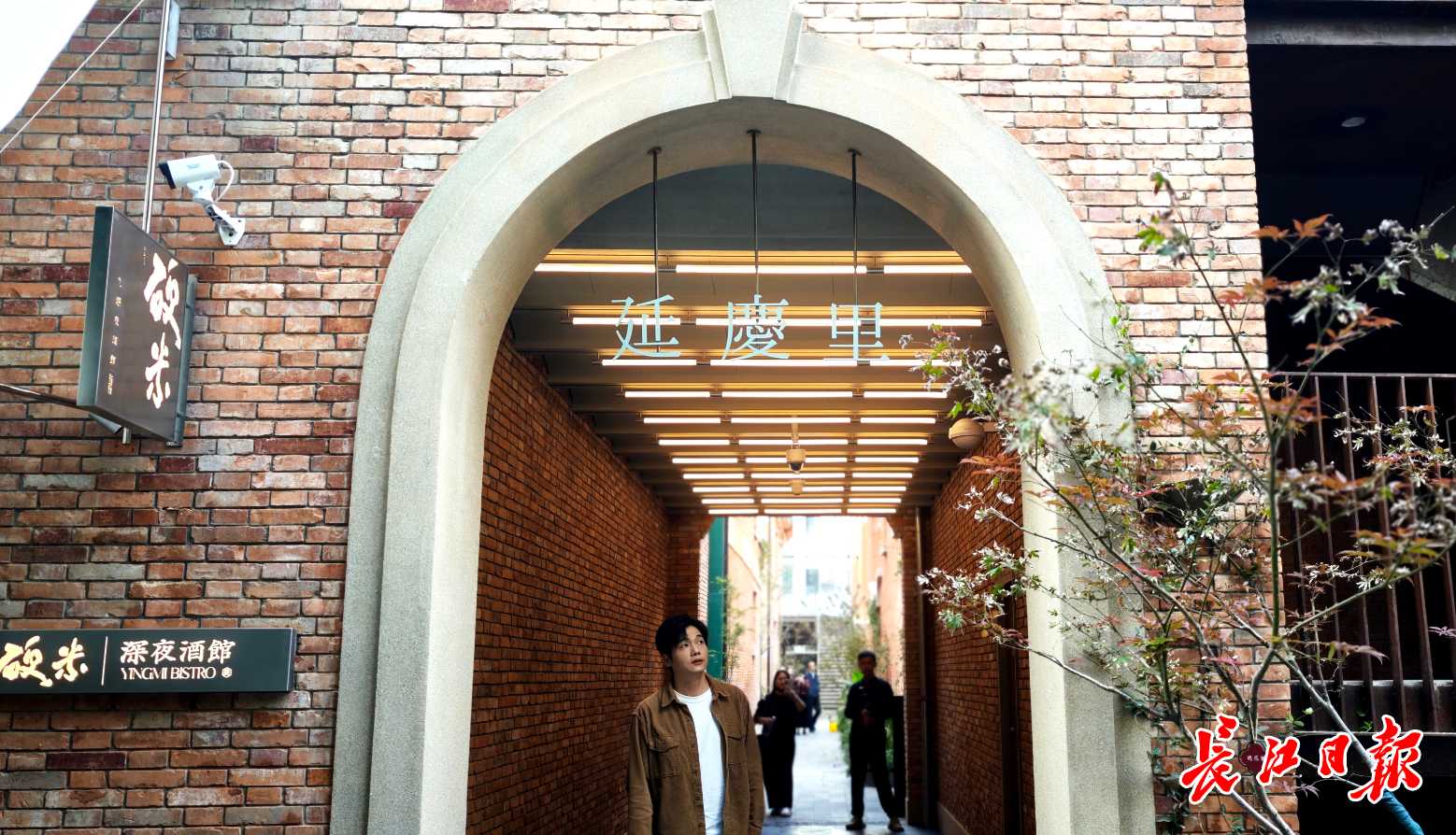
Core Insights - Wuhan has launched its first batch of urban renewal representative projects, transforming old neighborhoods into modern living spaces that are suitable for living, working, and tourism [2] - The projects include the revitalization of the old neighborhood "Yuanqingli" into a hub for lifestyle aesthetics, the transformation of industrial sites into financial and cultural parks, showcasing a new model of urban renewal that combines spatial reconstruction with industrial empowerment [2] Group 1: Urban Renewal Projects - The "Yuanqingli" area, built in 1933, has been transformed into a "lifestyle aesthetics hub," attracting young visitors and maintaining the local cultural vibe [11][12] - The "Xiaoliujiabian" area in Wuchang has undergone a successful update, activating approximately 20,500 square meters of idle space and introducing community facilities and high-quality parks [6][7] - The financial and cultural park at Huazhong Xiaogui Mountain has been developed from a former equipment production base, housing over 60 institutions with a financial industry share of 70% and an investment scale of approximately 11 billion [16][19] Group 2: Community Engagement and Economic Impact - The revitalization projects have led to increased community engagement, with local businesses reporting high foot traffic, such as a handmade crafts store attracting over 300 visitors daily [12] - The "Yuanqingli" area has hosted 12 art exhibitions and 26 themed markets, receiving over 500,000 visitors, thus becoming a key attraction in the "Sanyang Design Capital" [12] - The financial park has created a complete financial cultural industry ecosystem, recognized with multiple awards, and serves as a benchmark for urban integration [19]
相关单位会上作交流发言:迎难而上 不胜不休
Chang Jiang Ri Bao· 2025-11-07 00:29
Core Viewpoint - The central urban work conference emphasizes the goal of building modern, innovative, livable, beautiful, resilient, civilized, and smart cities, highlighting that urban renewal is a complex system project requiring collaborative efforts from various stakeholders [1] Group 1: Urban Renewal Goals and Projects - Wuhan aims to establish its urban renewal projects as a national model, focusing on the implementation of 80 "small but beautiful" renewal areas, including the renovation of old buildings, neighborhoods, and factories [2] - The Qiaokou District plans to initiate 30 projects over three years, including the revitalization of historical sites and the renovation of 42 old residential communities [2] - Wuchang District is exploring urban renewal to promote intrinsic development, successfully revitalizing idle factory areas and transforming them into financial and cultural hubs [2][3] Group 2: Challenges and Solutions - Urban renewal faces challenges such as land acquisition, funding, and procedural hurdles, necessitating innovative policy solutions to streamline planning, land allocation, and project execution [5] - The National Development Bank has provided over 150 billion yuan in credit for urban renewal across eight key areas, demonstrating a commitment to financing urban development projects [5][6] Group 3: Innovation and Technology in Urban Renewal - The integration of smart construction and technology is crucial for urban renewal, with companies like China State Construction Engineering Corporation planning to expand their services in this area [7] - The city plans to establish a unified digital platform for urban renewal projects, enhancing management and approval processes through innovative technologies like BIM (Building Information Modeling) [8]
衔接中央部署和地方实践,串联行业创新和民生需求,第23届城博会启幕
Hua Xia Shi Bao· 2025-11-06 13:56
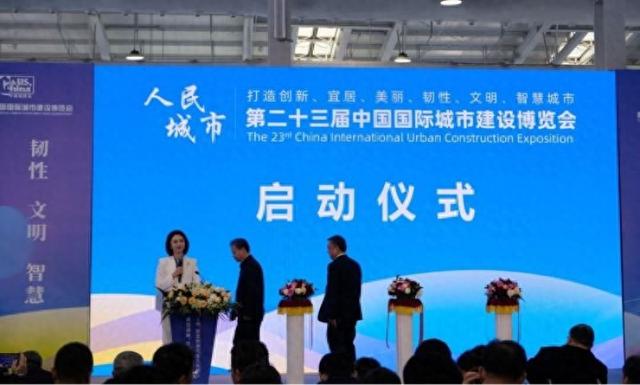
Core Insights - The 23rd China Urban Expo officially opened on November 6, 2025, at the Shougang International Exhibition Center in Beijing, featuring a new display system with "two core pavilions, three types of exhibitions, and four core themes" [2][3][7] - The expo aims to connect central policies with local practices, showcasing innovations in housing quality, urban renewal, and governance, emphasizing the theme of "People's City, Happy Home" [3][4][9] Exhibition Overview - The exhibition covers nearly 10,000 square meters with over 100 participating companies, focusing on urban renewal, quality housing, and smart construction [3][4] - Pavilion 7 focuses on urban renewal and new city construction, while Pavilion 14 emphasizes quality housing and smart building technologies [4][5] Thematic Focus - The expo's four core display areas include: 1. **Beautiful and Livable City Construction**: Showcasing typical cases of old community renovations and accessibility improvements [7][8] 2. **Safe and Resilient City Construction**: Highlighting urban infrastructure updates and risk prevention technologies [8] 3. **Innovative Smart City Construction**: Presenting modern governance practices and smart monitoring systems [8] 4. **Village and Town Construction and Industrial Development**: Focusing on rural revitalization and the integration of urban and rural development [8] Innovative Display Techniques - The expo introduces XR and MR technologies to enhance the architectural culture experience, along with interactive sandboxes and digital twin animations to visualize urban renewal processes [9] - The exhibition transforms traditional displays of municipal facilities into immersive, touchable experiences, illustrating their role in urban development [9] Strategic Importance - The expo serves as a vital link between central government directives and local implementation, reflecting the outcomes of the Central Urban Work Conference and the subsequent policy documents [9][10] - It aims to facilitate communication and collaboration among government, enterprises, and research institutions to promote high-quality urban development [6][9]
推进超大城市更新与空间治理现代化
Xin Hua Ri Bao· 2025-11-05 21:53
Core Insights - Urban renewal is a crucial approach for building modern cities and effective spatial governance in China, facing challenges such as high demand, diverse scenarios, weak momentum, fragmented governance, and low effectiveness [1] - A recent report by East China Normal University evaluates urban renewal and governance in 35 major cities, providing a systematic diagnosis and development suggestions to enhance urban planning and governance [1] Group 1: Current Challenges and Characteristics - China's urban renewal is characterized by government leadership and rapid advancement, but it also faces issues like insufficient market participation, inadequate governance, and a lack of assessment mechanisms [1] - The report highlights the need for scientific evaluation of urban renewal and spatial governance to improve urban planning and construction levels [1] Group 2: Recommendations for Modernization - It is recommended to design public policies that focus on spatial quality and equity, ensuring balanced urban renewal policies [2] - Collaboration among various factors is essential to promote reasonable allocation of population, land, housing, and industry, particularly for improving housing and welfare for low- and middle-income groups [2] - A balanced approach to spatial development is necessary, integrating residential, employment, and transportation facilities to create high-quality living spaces [2] - Optimizing supply through coordinated development of existing and new resources, including innovative land use models for urban village redevelopment, is crucial [2] - Urban planning should be integrated with housing supply to ensure coherence between urban development and housing needs [2] - A modernized policy framework for spatial governance is needed to transition from rapid development to high-quality urban renewal and governance [2]
常州两项城市更新经验获省厅推广
Yang Zi Wan Bao Wang· 2025-11-04 05:18
Core Insights - Jiangsu Province's Housing and Urban-Rural Development Department has released a third batch of replicable experience practices, with Changzhou's innovative regulations on traditional building renovation and the establishment of a "Urban Renewal Promotion Management Center" in Zhonglou District being recognized as exemplary practices for urban renewal in the province [1][2] Group 1 - Changzhou has continuously innovated its coordination mechanisms and strengthened technical support to inject vitality into urban renewal through diverse practices [1] - The newly introduced regulations for traditional building renovation address safety, fire design, and construction management standards, ensuring the integration of historical features with modern functionality [1] - The establishment of the Urban Renewal Promotion Management Center in Zhonglou District serves as a model for comprehensive management of urban renewal projects, including planning, tracking, and policy research [1] Group 2 - Changzhou will continue to leverage its exemplary experiences to enhance the urban renewal policy framework and work mechanisms, aiming to improve urban quality and living environments [2]
陈迹“焕新”:天津盘活利用存量资源见闻
Xin Hua Wang· 2025-11-02 01:24
Group 1 - The Tianjin Tianmei Art District has become a popular destination for tourists and locals, showcasing a blend of contemporary art and historical architecture within just four months of opening [1] - The district revitalized five historical buildings and utilized the artistic creativity from the nearby Tianjin Academy of Fine Arts, transforming the area into a "growing art container" [1] - Since its opening, the district has attracted approximately 490,000 visitors and hosted over 30 cultural events, featuring six main business categories and 22 brand merchants [1] Group 2 - The city of Tianjin is focusing on sustainable urban development through the integration of scenic areas, educational institutions, urban districts, and communities, as stated by the chairman of Tianjin Yiwen Run City Urban Renewal Industry Operation Co., Ltd [2] - Recent urban renewal projects in Tianjin, such as the Cotton 3 Creative District and Tianjin Jinmao Hui, aim to enhance the city's cultural heritage while promoting economic vitality [2] - The transformation of old factories into new landmarks has garnered positive public feedback and attracted numerous tourists [2] Group 3 - The Tianjin First Machine Tool Factory urban renewal project, "Jin Yi·PARK," showcases the integration of historical industrial elements with modern aesthetics, creating a new landmark that narrates the story of Tianjin's industrial development [3] - The project has attracted over 30 enterprises, with various dining, performance, and exhibition spaces opening, thus transforming the old factory into a hub for innovation and cultural tourism [3] - The preservation of Tianjin's industrial heritage is emphasized as a unique resource that contributes to the city's identity and memory [3][4]
城市更新“施工图”变成群众满意“实景图”
Guang Xi Ri Bao· 2025-11-01 02:53
Core Insights - Since the beginning of the 14th Five-Year Plan, Guangxi has actively implemented urban renewal initiatives, focusing on the renovation of old urban communities, urban villages, and urban infrastructure to enhance urban safety and resilience [1][2] Group 1: Urban Renewal and Housing - Guangxi has constructed approximately 368,100 units of various types of affordable housing and renovated urban dilapidated housing, benefiting 835,800 residents [1] - A total of 7,189 old urban communities have been renovated, improving the living conditions for 735,800 households [1] - The installation and upgrading of 3,786 old residential elevators have effectively addressed mobility issues for the elderly [1] - The establishment of 34 pilot complete communities has led to the addition of 408 community service facilities, addressing gaps in services such as elderly care and childcare [1] Group 2: Urban Safety and Infrastructure - Guangxi has completed the construction and renovation of 13,408 kilometers of underground pipelines, focusing on gas safety and water supply [2] - The region has conducted safety inspections and rectifications at 167 water supply plants, effectively eliminating 111 sections of urban black and odorous water bodies [2] - The daily sewage treatment capacity in urban areas has reached 6.992 million tons [2] - The number of urban flooding risk points has decreased by over 230 compared to 2023 [2] Group 3: Cultural Heritage and Community Engagement - Guangxi has integrated historical and cultural preservation into urban construction, achieving full coverage of protection planning for 3 national historical and cultural cities and 36 cultural heritage districts [2] - The region has announced 962 new historical buildings and added 1,134 new plaques, with both figures reaching historical highs [2] - A collaborative governance model involving government guidance, market operation, and public participation has been established to encourage private sector involvement in urban renewal projects [3]
四中全会精神在基层丨财政不花大钱,政府靠什么让“忧居”变“优居”?
Xin Hua Wang· 2025-10-31 23:51
Core Insights - The article discusses the transformation of old housing into modern living spaces in Guangzhou, highlighting a shift in urban governance from large-scale demolition to micro-renovation without significant financial investment from the government [1][2]. Group 1: Urban Transformation - The project "Hongqiao·Xiaoshijiji" in Guangzhou exemplifies a successful micro-renovation, turning 17 old buildings into a single modern structure with various amenities, completed in just six months [1][2]. - The shift in urban development strategy reflects a broader trend in China, moving from large-scale expansion to enhancing existing urban spaces, focusing on quality over quantity [2][8]. Group 2: Community Involvement - A working group was established in July 2023 to facilitate discussions among residents, project designers, and stakeholders to address renovation needs and preferences [2][4]. - The funding model for the renovation involves contributions from residents, enterprises, and government support, promoting a collaborative approach to urban renewal [3][8]. Group 3: Innovative Solutions - The project employs a "unified design, aggregated property rights, and overall approval" model to tackle the complexities of property ownership in old neighborhoods [5]. - Modular construction techniques were utilized to reduce construction time by approximately 60%, addressing concerns about disruption during renovations [7]. Group 4: Governance and Policy - The government's role has evolved from being a direct builder to a facilitator, focusing on creating rules and platforms for diverse stakeholders to collaborate [8]. - New regulations introduced in June 2024 aim to ease restrictions on small-scale renovations, allowing for more community-driven improvements [2].
重庆发布支持城市更新“金融十条”
Zheng Quan Shi Bao Wang· 2025-10-29 12:16
Core Viewpoint - The Chongqing Financial Regulatory Bureau, in collaboration with other local authorities, has introduced ten measures to enhance financial support for urban renewal, focusing on spatial restructuring, functional optimization, industrial upgrading, and ecological restoration [1][2]. Group 1: Spatial Restructuring - The measures emphasize the role of policy financial tools to address capital shortfalls and attract more social funds for urban renewal, particularly in the renovation of old residential areas, enhancement of public spaces, and improvement of infrastructure [1]. - The goal is to revitalize old buildings and streets, bringing new life to these areas [1]. Group 2: Functional Optimization - Increased financial support for public facilities such as road networks is highlighted, aiming to promote smart urban system upgrades and improve the 15-minute convenient living circle [1]. - The measures also support the protection of historical and cultural districts, ensuring the continuity of urban cultural heritage [1]. Group 3: Industrial Upgrading - Financial resources will be directed towards industrial upgrades, facilitating the transformation of inefficient factories and parks into new industries such as technology innovation and health care [1]. Group 4: Ecological Restoration - The focus is on green and low-carbon transformations, supporting projects like low-carbon communities and sponge cities through green finance tools such as green loans and bonds [1]. Group 5: Financial Mechanism and Environment - The measures aim to create a more organized and effective financial support system for urban renewal, establishing a dedicated financial working group to enhance collaboration among government, financial institutions, and enterprises [2]. - There is an emphasis on innovative financial products, including specialized loans for urban renewal, to ensure precise and long-term resource allocation [2]. - The initiative seeks to foster a stable and sustainable financial service environment, encouraging financial institutions to balance development and safety while addressing project financing challenges [2].