养老科技

Search documents
多款养老机器人在杭州“上岗”
Mei Ri Shang Bao· 2025-12-08 23:34
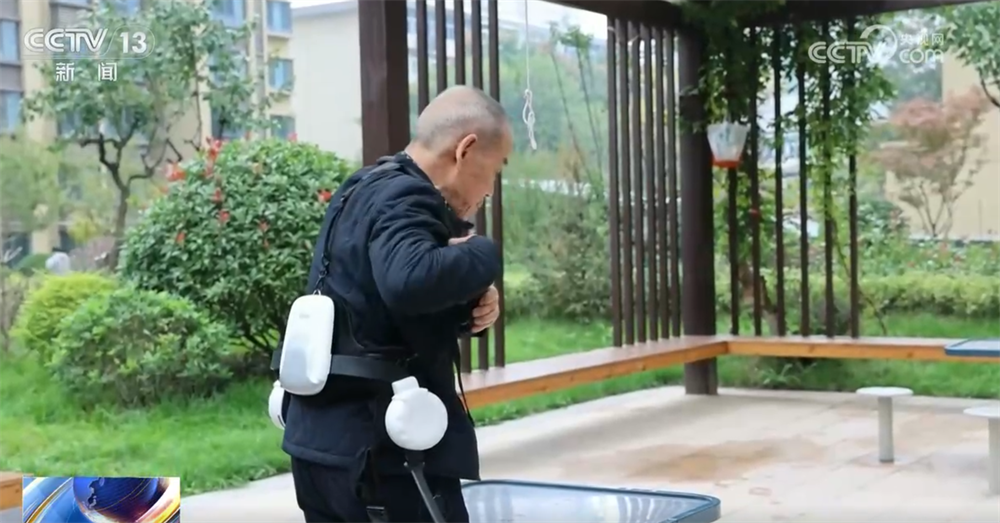
Core Insights - The aging industry is increasingly looking towards "smart elderly care robots" to meet the growing demand for intelligent and technological upgrades in elder care services [1] Group 1: Government Initiatives - The Ministry of Industry and Information Technology and the Ministry of Civil Affairs have announced a list of 32 pilot projects for smart elderly care robots, focusing on ten service scenarios including emotional companionship and rehabilitation support [1] - These initiatives aim to develop a range of robotic products that cater to diverse and multi-layered elderly care needs [1] Group 2: Robot Functionality and User Experience - The "Xiao Xi" robot at the Hangzhou Qiantang District elderly care center serves as both a "trusted companion" and a "health manager," capable of engaging in multi-turn conversations and monitoring health metrics [2][3] - The robot can generate detailed health records, including electronic prescriptions and health histories, enhancing the quality of care for elderly users [2] Group 3: Market Trends and Innovations - The Hangzhou Silver Age Living Experience Center showcases various elderly care technologies, including the "Xiao Xi" robot, exoskeleton robots, and AI-based traditional Chinese medicine diagnostic tools [4] - Exoskeleton robots are gaining attention for their ability to assist elderly individuals with mobility issues, providing support and improving gait through advanced mechanical and algorithmic systems [4][5] Group 4: Challenges and Future Outlook - Despite the promising developments in elderly care robots, challenges such as high costs and limited functionality remain, hindering broader market adoption [6] - The industry is focused on upgrading products to make them more accessible and user-friendly for the elderly population, with hopes for a significant shift towards intelligent solutions in elder care [6]

上海市养老科技产业园:打造“银发经济”生态圈
Ke Ji Ri Bao· 2025-11-24 05:36
Core Insights - The Shanghai Aging Technology Industry Park is showcasing innovative aging technology products aimed at addressing the needs of the elderly population in Shanghai, which is experiencing significant aging demographics [1][2][3] Group 1: Aging Population Statistics - By the end of 2024, the elderly population (aged 60 and above) in Shanghai is projected to reach 5.7762 million, accounting for 37.6% of the total population [2] - The "Shanghai Action Plan for Promoting Aging Technology Innovation Development (2024-2027)" aims to establish a highland for aging technology innovation and industry development by 2027 [2] Group 2: Industry Development and Infrastructure - The Shanghai Aging Technology Industry Park, covering an area of 1.3 square kilometers, consists of two main functional areas: "Evergreen Years: Innovation R&D Zone" and "Silver Hair: Industry Bearing Zone" [2] - The park has established public service platforms for R&D testing, demonstration, and incubation, collaborating with universities and research institutions for technology project development [2][3] Group 3: Innovative Products and Solutions - The park features various innovative products, including a "Nano Bath Cabin" that cleans disabled elderly individuals using only 500 milliliters of water in 15 minutes [3] - A lightweight exoskeleton robot developed by Shanghai Sanlian Ren Technology Co., Ltd. provides over 30% walking assistance for elderly individuals with lower limb weakness [3] - An intelligent adult diaper with real-time monitoring capabilities has been developed to enhance care for disabled elderly individuals [3] Group 4: Collaborative Initiatives - The "2025 Silver Technology Partner Program" received 189 project applications from 16 provinces, with 15 projects selected for acceleration, focusing on areas like smart monitoring and AI emotional companionship [4][5] - The program aims to facilitate the real-world application and iterative optimization of selected products in nursing homes [5] Group 5: Ecosystem Development - The Shanghai Aging Technology Industry Park is fostering collaboration among government, enterprises, and aging institutions to create a supportive ecosystem for the "silver economy" [6] - The park aims to provide a complete innovation ecosystem that includes scene matching, data loops, and commercial transformation [6] Group 6: Future Goals - The goal is to establish a world-class aging technology industry park within seven years, with an expected industry scale exceeding 20 billion yuan, positioning Shanghai as a leader in the "silver economy" [7]
视频丨时尚感、科技范儿!银发一族生活愈发“有滋有味”
Yang Shi Xin Wen Ke Hu Duan· 2025-11-14 07:26
Core Insights - The consumption philosophy of the elderly is shifting from "cost-effectiveness" to "intelligent products" [10] Group 1: Elderly Consumer Trends - Elderly individuals are increasingly adopting fashionable and technological lifestyles, as evidenced by the popularity of products like exoskeletons and smart health devices [3][10] - Sales of elderly-friendly products have seen significant growth, with categories like mobility aids and hearing devices nearing a scale of 20 billion [10] - The elderly market is projected to grow significantly, with the silver economy expected to reach 30 trillion by 2035, accounting for 10% of GDP [19] Group 2: Innovative Products and Technologies - New technologies are being developed for elderly care, such as AI-driven exoskeletons that provide tailored support for mobility [11][14] - Smart health products, including sleep monitoring rings and non-invasive blood glucose monitors, have seen sales increase by over 200% year-on-year [10] - Innovative products like smart diapers that enhance comfort and dignity for the elderly have gained market traction [13] Group 3: Lifestyle and Leisure Activities - The elderly are engaging in diverse leisure activities, including music, photography, and travel, reflecting a trend towards "self-fulfilling consumption" [20][33] - The market for elderly cultural and entertainment services has grown, with sales in related sectors increasing by over 20% [33] - Elderly individuals are actively participating in community activities, such as forming bands and taking photography classes, showcasing their vibrant lifestyles [22][29] Group 4: Service Supply and Innovation - The service supply for the elderly is rapidly evolving, with a focus on personalized and immersive experiences, including online courses and themed community spaces [34][36] - New initiatives like "silver consultants" are being introduced to assist elderly individuals with practical needs, enhancing their quality of life [42] - The demand for customized services, such as meal assistance and medical support, is driving innovation in the elderly care sector [42]


“科技范儿”“悦己型”……银发消费花式“上新”潜能迸发 服务供给加速升级
Yang Shi Wang· 2025-11-14 04:38
Core Viewpoint - The consumption concept of the elderly is shifting from "cost-effectiveness" to "intelligent" products, indicating a growing demand for smart and comfortable living solutions tailored for seniors [1][7][20]. Group 1: Market Trends - The sales of elderly-friendly products have significantly increased, with categories like mobility aids and hearing aids nearing a market size of 20 billion [5]. - In the first ten months of the year, innovative smart health products such as sleep monitoring rings and AI hearing aids saw transaction volume growth exceeding 7.6 times and transaction value growth over 200% [7]. - The silver economy in China is currently valued at approximately 7 trillion, accounting for about 6% of the GDP, and is projected to reach 30 trillion by 2035, representing 10% of the GDP [12]. Group 2: Product Innovations - New technologies are being developed for exoskeletons to provide better support for seniors with joint issues, with advancements in response times approaching 0.1 seconds [9]. - The introduction of smart products like sensing and communicating adult diapers has gained significant market attention [9][11]. Group 3: Consumer Behavior - The elderly are increasingly engaging in "self-pleasing consumption," investing in hobbies and activities such as music, photography, and travel, reflecting a vibrant retirement lifestyle [13][20]. - Sales in cultural entertainment, tourism services, and health services for the elderly have seen year-on-year increases of 20.7%, 26.2%, and 23.9% respectively [20]. Group 4: Service Supply Upgrades - The service supply for the elderly is rapidly innovating, with a rise in customized online courses and immersive offline experiences, enhancing the overall service ecosystem [21][23]. - The establishment of "silver consultants" has effectively addressed the urgent needs of the elderly, such as home modifications for better accessibility [27].
北京前三季度新设机构27.81万户同比增长21%
Zhong Guo Zhi Liang Xin Wen Wang· 2025-10-30 07:01
Core Insights - The number of newly established institutions in Beijing reached 278,100 in the first three quarters of 2025, representing a year-on-year growth of 21%, indicating a strong upward trend in both quantity and quality [1] Group 1: Digital Economy - The digital economy in Beijing is experiencing rapid growth, with 18,100 new institutions established, a year-on-year increase of 46.97% [2] - Within the digital economy, the application of digital technology accounts for over 60% (63.66%), with software development growing by 135.28% and information technology services increasing by 23.14%, together contributing 61.92% to the city's digital economic growth [2] - The new institutions in the digital economy are concentrated in the Plain New Town, with over 7,500 new establishments (up 51.37%) and in the central urban areas with over 7,400 new institutions (up 88.4%) [2] Group 2: Elderly Care Industry - The elderly care industry is expanding rapidly, with 138,600 new institutions established, a year-on-year growth of 30.54%, surpassing the city's average growth rate by 9.54 percentage points [3] - Institutions focused on elderly technology and smart elderly care services saw significant growth, with 95,100 new establishments (up 47%) and smart elderly care services alone increasing by 70.87% [3] - The central urban areas contributed 55,600 new elderly care institutions (up 54.59%), while the Plain New Town added 57,000 (up 44.31%), together accounting for over 80% of the total [3] Group 3: Cultural Industry - The cultural and related industries are showing steady recovery, with 33,600 new institutions established, reflecting a year-on-year growth of 17.57% [4] - Content creation and production institutions led the growth with 23,500 new establishments (up 19.42%), while cultural investment and operation institutions surged by 111.3% [4] - In the central urban areas, 15,600 new cultural institutions were established (up 49%), while the Plain New Town saw 11,400 new institutions (up 29.34%), together representing over 80% of the total [4] Overall Summary - The overall trend indicates a robust growth in newly established institutions across key sectors such as digital economy, elderly care, and cultural industries, contributing to the high-quality economic development of the capital [1][2][3][4]
让老年人老有所依:科技如何助力?
Yang Shi Wang· 2025-10-27 19:10
Core Viewpoint - The integration of technology is essential for providing effective elderly care, emphasizing the need for both institutional support and innovative technological solutions [1] Group 1 - The development of various types of elderly care robots is highlighted as a significant advancement in the sector [1] - The incorporation of smart technology into elderly-friendly renovations enhances the quality and accessibility of care services [1] - Modern technology enables more precise, convenient, and personalized elderly care services [1]
前三季度北京新设机构27.81万户 同比增21%
Zhong Guo Xin Wen Wang· 2025-10-27 05:52
Group 1 - In the first three quarters of this year, Beijing established 278,100 new institutions, representing a year-on-year increase of 21% [1] - The central urban areas accounted for 115,200 new institutions, a growth of 42.42%, making up 41.43% of the total [1] - The digital economy sector saw the establishment of 18,100 new institutions, with a significant growth of 46.97%, particularly in software development which grew by 135.28% [1] Group 2 - The cultural and related industries in Beijing continued to show recovery growth, with 33,600 new institutions established in the first three quarters, marking a 17.57% increase [2] - The content creation and production sector contributed 23,500 new institutions, growing by 19.42% [2] - Cultural investment and operation institutions surged by 111.3%, driven by the integration of cultural tourism funds and performing arts investment platforms [2]
前三季度,北京智慧养老服务新设机构同比增长超七成
Bei Jing Ri Bao Ke Hu Duan· 2025-10-27 03:49
Core Insights - The number of newly established institutions in Beijing reached 278,100 in the first three quarters of this year, representing a year-on-year growth of 21%, indicating a strong upward trend in both quantity and quality [1][5] - The smart elderly care service sector saw the most significant growth, with 11,300 new establishments, marking a year-on-year increase of 70.87% [1][4] Industry Summaries Elderly Care Industry - The elderly care industry established 138,600 new institutions, a year-on-year increase of 30.54%, surpassing the city's average growth rate by 9.54 percentage points [4] - Institutions focused on elderly technology and smart elderly care services accounted for 95,100 new establishments, with a year-on-year growth of 47% [4] - The central urban area contributed 55,600 new elderly care institutions, a growth of 54.59%, while the plain new city added 57,000, growing by 44.31% [4] Digital Economy - The digital economy and its core industries saw 18,100 new institutions, with a year-on-year increase of 46.97% [3] - Software development experienced a remarkable growth of 135.28%, while information technology services grew by 23.14%, together contributing 61.92% of the city's digital economy increment [3] - The plain new city established over 7,500 new digital economy institutions, a growth of 51.37%, while the central urban area added over 7,400, growing by 88.4% [3] Cultural Industry - The cultural and related industries continued to recover, with 33,600 new institutions established, reflecting a year-on-year growth of 17.57% [4] - Content creation and production institutions led the sector with 23,500 new establishments, growing by 19.42% [4] - The central urban area saw 15,600 new cultural institutions, a growth of 49%, while the plain new city added 11,400, growing by 29.34% [4] Overall Economic Development - The overall growth in newly established institutions in Beijing indicates a robust momentum in key sectors such as the digital economy, elderly care, and cultural industries, contributing to the multi-faceted support for high-quality economic development in the capital [5]

短信+电话激活百万老人,“不创新”的科技黑马,凭啥融资2.3亿?
3 6 Ke· 2025-10-14 10:24
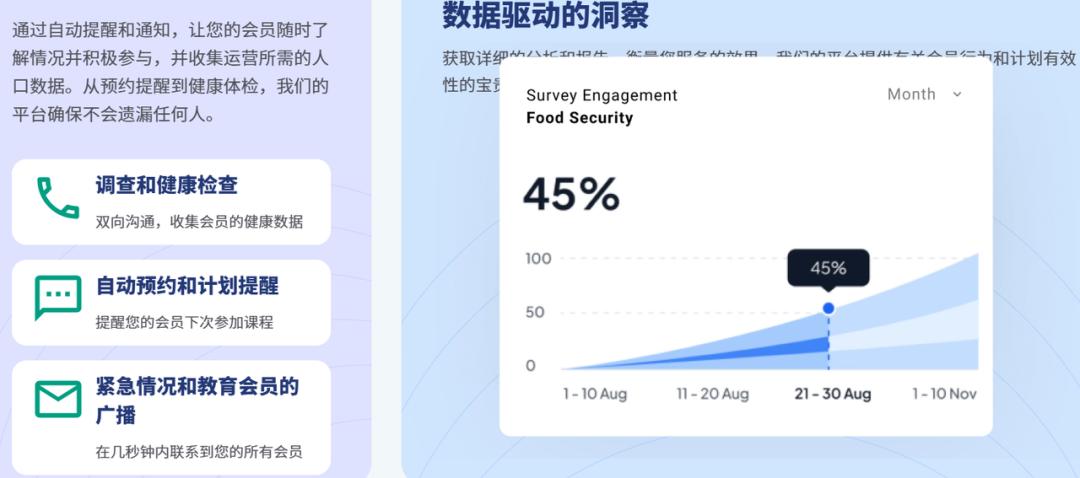
Core Insights - The article discusses how innovative companies are leveraging familiar technologies to engage elderly individuals, thereby transforming the silver economy and addressing the technological gap faced by seniors [1][28] - The focus is on integrating technology into the daily lives of older adults without requiring them to learn new systems, which has proven to be a successful business strategy [1][28] Group 1: Communication Strategies - Companies are utilizing traditional communication tools like automated phone calls and SMS to reach millions of elderly individuals, achieving a threefold increase in participation rates [4][5] - Blooming Health has raised $32.5 million and operates in over 1,000 communities, providing cost-effective solutions for activity notifications and health reminders through simple phone interactions [4][5] Group 2: Simplified Technology Solutions - Carevocacy offers AI-driven support via SMS, allowing seniors to ask questions about technology without needing to download apps, thus enhancing accessibility [7] - Storii enables seniors to share their life stories through guided AI conversations, creating a digital legacy that can be shared with family [10][12] Group 3: Home Entertainment and Engagement - JubileeTV transforms televisions into user-friendly platforms for remote care, significantly reducing the time families spend managing technology [14] - Uniper provides interactive live activities through various devices, helping to combat loneliness among seniors [16] Group 4: Value-Driven Health Solutions - Wellth employs behavioral economics to improve medication adherence, resulting in a 42% reduction in hospitalization rates and significant cost savings for healthcare providers [21] - TSOLife's AI platform enhances emotional care for seniors, extending their stay in facilities by over six weeks [23] Group 5: Comprehensive Service Platforms - Speak2 Family integrates various services into a single platform, allowing seniors to easily access information and services through voice commands or apps [25][26] - The company has acquired competitors to strengthen its market position and enhance service offerings [26] Group 6: Human-Centric Approach - The success of these companies lies in their ability to adapt technology to the needs of seniors rather than forcing seniors to adapt to new technologies [28] - By focusing on B2B models and providing measurable returns for clients, these companies are effectively addressing the challenges of the aging population [28]
X世代崛起:全球消费格局的代际重构
Sou Hu Cai Jing· 2025-10-11 00:52
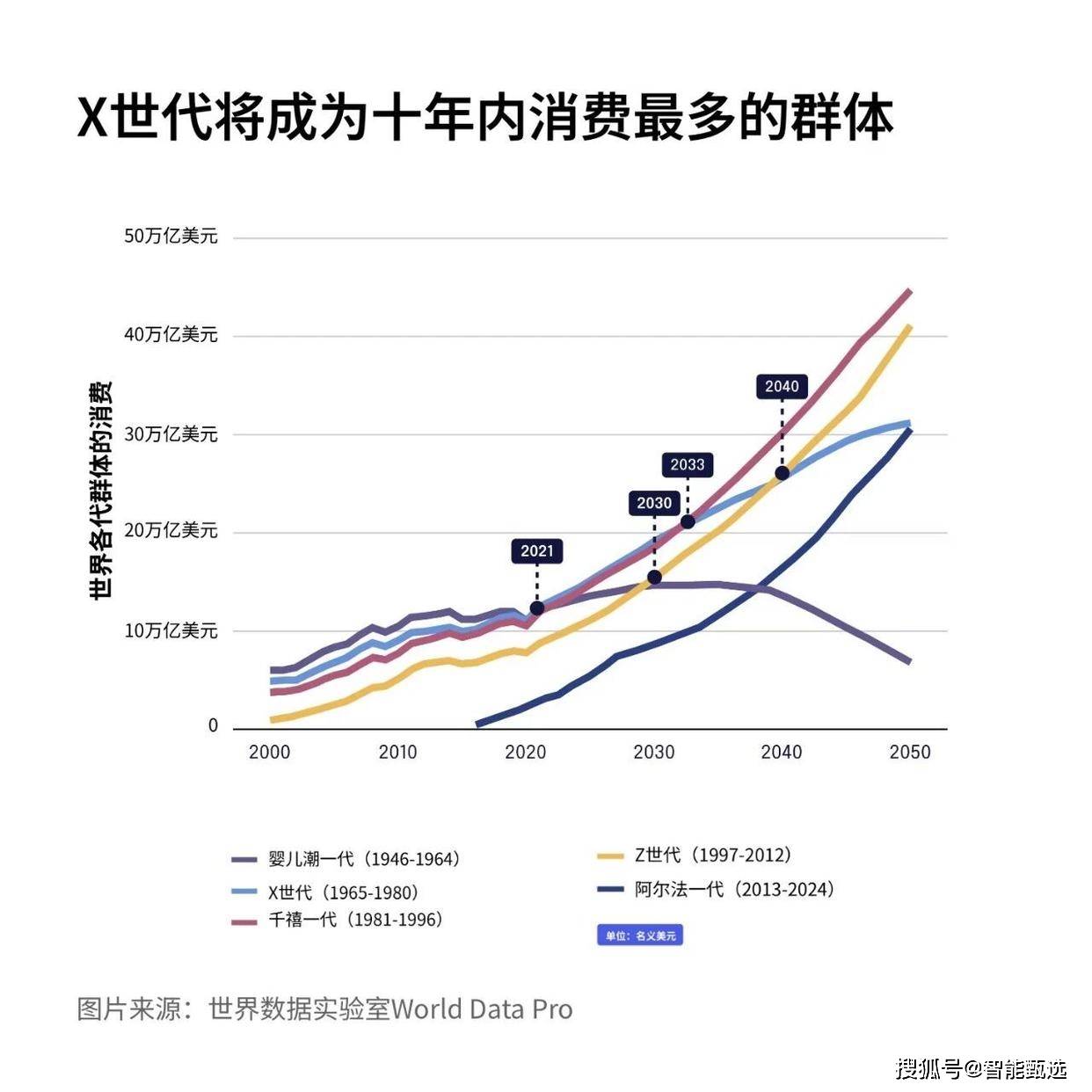
Core Insights - The global consumer market is undergoing a silent revolution driven by Generation X, which is projected to spend $15.2 trillion annually by 2025, significantly reshaping business dynamics [1][4] Group 1: Scale Advantage - Generation X accounts for 24% of global consumption despite representing only 17% of the population, with their spending power in high-income countries exceeding that of Millennials by 30% [4] - Their annual spending of $15.2 trillion is nearly double China's total annual consumption [4] Group 2: Structural Characteristics - The "sandwich generation" phenomenon drives Generation X's consumption, as they support both aging parents and adult children, with 16.2% of their spending allocated to education [5] - In North America, spending on elder care technology is growing at over 10% annually [5] Group 3: Regional Disparities - Generation X's consumption patterns vary significantly by region, dominating high-end appliances and health products in developed markets while focusing on basic durable goods in lower-income regions [6] - In China, 37% of Generation X faces dual responsibilities of caring for parents and raising children, influencing their spending on gifts and educational services [6] Group 4: Decision Logic - Unlike Millennials, Generation X exhibits a "dual-track" brand selection process, influenced by their experiences with economic crises and an understanding of brand value [7] Group 5: Technology Adoption - Generation X shows a practical approach to technology, favoring products that enhance functionality and usability [8] Group 6: Sustainable Consumption - 59% of Generation X supports recycling, but only 12% are willing to pay more than 10% for "green labels," indicating a cost-sensitive approach to sustainability [8] Group 7: Product Innovation - High-end appliance manufacturers are catering to Generation X's needs through products designed for elder care, while the beauty market is focusing on anti-aging products that combine quality and efficiency [9] Group 8: Channel Transformation - Generation X prefers a shopping behavior characterized by online research and offline purchasing, necessitating brands to create seamless online-to-offline (OMO) experiences [10] Group 9: Marketing Strategies - Trust-building through long-term relationships is crucial for Generation X, with peer recommendations and key opinion consumers (KOCs) having a greater impact than social media ads [11] Group 10: Future Consumption Peaks - Generation X's consumption influence is expected to peak in the early 2030s, particularly in high-value markets such as health care, luxury travel, and art collection [12] Group 11: Wealth Transfer - Over the next decade, Generation X is set to inherit approximately $30 trillion, which will significantly impact global asset allocation and create new consumer and financial service opportunities [13] Group 12: Silver Economy - As the first wave of Generation X reaches retirement age in 2030, there will be a structural shift in the silver economy, with increased demand for smart elder care communities and educational platforms for seniors [14] Group 13: Education Investment - Education-related expenditures, including MBA programs and student loan repayments, are becoming core spending areas for middle-class families [15] Group 14: Brand Trust - 72% of Generation X prioritize manufacturer credibility over marketing gimmicks when purchasing well-known brands, while 22% are willing to pay for high-quality niche brands [16] Group 15: Smart Appliances - The penetration rate of health-monitoring smart appliances among the 45-60 age group is 68%, indicating a strong market for health-related technology [16] Group 16: Health Technology - Generation X contributes 43% of sales in the wearable device market, surpassing Millennials' contribution of 29% [16]