行为经济学

Search documents
追求信仰还是听从概率
猛兽派选股· 2026-03-21 03:57
Group 1 - The core idea of the article emphasizes the significance of complex economics and its relevance to understanding market dynamics, particularly through the concepts of increasing returns and asset pricing [2] - Complex economics, as pioneered by Brian Arthur, utilizes computational simulations to replicate stock market behaviors, demonstrating patterns of low and high volatility, as well as phenomena like bubbles and crashes [2] - The article discusses the dual nature of market participants' beliefs, where some believe in the momentum of rising prices while others anticipate declines after peaks, reflecting the interplay of positive and negative feedback in pricing [3] Group 2 - The article suggests that the current pricing in the market is a result of the combined effects of these two opposing beliefs, which evolve over time and can lead to significant shifts in market behavior [3] - It highlights the importance of individual strategies in trading, noting that what works for one trader may not work for another, emphasizing the personal nature of investment strategies [3][4] - The concept of faith as a starting point for positive feedback is introduced, suggesting that belief drives effort and adjustments in strategies, which in turn reinforces that belief through rewards [4]


饮品过甜,泰国政府发起“半糖运动”
Huan Qiu Shi Bao· 2026-02-23 22:49
Core Viewpoint - Thailand's health department has implemented a new sugar standard for beverages, reducing the sugar content by 50% for drinks at normal sweetness levels, as part of a broader initiative to combat obesity and chronic non-communicable diseases [1][2] Group 1: Sugar Reduction Initiative - The initiative involves collaboration with nine major beverage companies to lower sugar levels in drinks, with an example being the reduction of sugar in local beverages like fresh coffee from an average of 7.3 teaspoons to approximately 3.7 teaspoons [2] - The "half-sugar movement" aims to make lower-sugar options more visible and accessible to consumers, promoting healthier choices without restricting consumer autonomy [2] Group 2: Health Concerns and Background - Thai citizens consume an average of 21 teaspoons of sugar daily, significantly exceeding the World Health Organization's recommended limit of 6 teaspoons, prompting government action to address public health issues [1] - The country has previously implemented a phased sugar tax since 2017, which links tax rates to sugar content, encouraging companies to reformulate their products [2]
在投资中,越努力就会越幸运吗?
雪球· 2026-01-25 13:46
Core Viewpoint - The article discusses the paradox of increased effort in investing not necessarily leading to better returns, highlighting the concept of "inertia" in investment behavior [6][9]. Group 1: Investment Behavior - Many investors, despite being diligent, have seen lower returns compared to simply holding investments long-term due to poor trading and timing decisions [7]. - A significant number of investors tend to leave their funds in cash within personal retirement accounts (IRAs), often for extended periods, which is detrimental to long-term growth [11][12]. - Research indicates that many investors are unaware of their cash-heavy allocations, leading to unintentional inaction regarding their investments [12]. Group 2: Default Options and Inertia - The concept of "default options" is crucial; if retirement funds are automatically directed into better-performing investments like target-date funds, it can significantly enhance retirement wealth [13]. - Inertia can be both a hindrance and a benefit in investing, depending on how investment plans are structured [16]. - The power of default options is illustrated by the higher participation rates in 401(k) plans that use automatic enrollment compared to those that require voluntary participation [14]. Group 3: Market Predictions and Adjustments - Investors often base their market predictions on recent performance, which can lead to incorrect expectations about future market movements [17]. - It is advisable for investors to prepare for potential market corrections by rebalancing their portfolios, especially after significant market gains [18]. Group 4: Financial Education and Decision-Making - The article emphasizes the importance of financial education for children, suggesting that early discussions about money can shape their future investment behaviors [27]. - Parents are encouraged to simplify financial concepts and make learning enjoyable to foster healthy financial habits in their children [26].

记者追踪:“投资铜条”价差大,专家直言:本质更像一场情绪游戏
证券时报· 2026-01-22 10:19
Core Viewpoint - The article discusses the recent emergence and price volatility of "investment copper bars" in the Shenzhen Shui Bei market, highlighting the confusion and speculation surrounding their value and market acceptance [2][3]. Price Fluctuations - The price of "investment copper bars" has shown significant variability, with quotes ranging from 120 yuan to 280 yuan for the same 1000 grams, indicating a lack of standardization in pricing [2][3]. - On January 20, one seller quoted a price as high as 280 yuan, while another reported a price of 195 yuan just days earlier [2]. Market Dynamics - Despite high interest, actual transactions remain low, with only 14 sales recorded on second-hand platforms despite over 22,000 views [2]. - Many sellers are reportedly only selling the bars without offering buyback options, indicating a lack of a structured market for these products [3]. Market Sentiment - The surge in popularity of "investment copper bars" is attributed to social media influence, with some buyers motivated by curiosity rather than genuine investment intent [3][4]. - Industry experts suggest that the purchase of copper bars resembles an emotional game rather than a sound investment strategy, as industrial metals are typically traded in tons rather than grams [4]. Future Outlook - The article references a report from Citigroup predicting that copper prices could exceed $13,000 per ton by early 2026, driven by demand from energy transition and artificial intelligence sectors [3].

在投资中,越努力就会越幸运吗?
Morningstar晨星· 2026-01-22 01:06
Core Viewpoint - The article discusses the paradox of increased effort in investing leading to lower returns, emphasizing the concept of "inertia" in behavioral finance and the importance of default investment options to improve investor outcomes [1][3][4]. Group 1: Investment Behavior - Many investors believe they are actively managing their portfolios, but in reality, a significant amount of funds remain idle in cash, particularly in individual retirement accounts (IRAs) [5][6]. - Research indicates that younger investors often leave their funds in cash for extended periods, sometimes over seven years, which is detrimental to their long-term retirement savings [5][6]. - The lack of awareness about their investment allocations contributes to this issue, as many investors mistakenly think their funds are invested in the market [6][7]. Group 2: The Role of Inertia - Inertia, or the tendency to do nothing, is identified as a powerful force in behavioral finance, influencing investment decisions significantly [7][8]. - Default options in investment plans, such as target-date funds, can lead to better long-term outcomes for investors by automatically directing funds away from cash [8][10]. - The article highlights that the design of investment plans can either exacerbate or mitigate the negative effects of inertia, depending on whether they include beneficial default options [10][11]. Group 3: Market Predictions and Adjustments - Investors often base their market predictions on recent performance, which can lead to incorrect expectations about future market movements [11][12]. - The article suggests that investors should focus on long-term strategies and be prepared for market corrections, as overexposure to equities can occur during prolonged market uptrends [11][12]. - Rebalancing portfolios to maintain desired asset allocations is recommended as a proactive measure to manage risk [12]. Group 4: Financial Education and Personalization - The future of behavioral finance is expected to focus on individual well-being and personalized financial advice, taking into account unique investor goals and preferences [13][14]. - Early financial education for children is emphasized as crucial for developing healthy financial habits and decision-making skills [18][19]. - The article advocates for simplifying financial concepts and making learning enjoyable to foster positive attitudes towards money management among young individuals [18].

投资懒一点,反而更容易赚钱?
雪球· 2026-01-21 13:00
Core Viewpoint - The article discusses the paradox of increased effort in investing leading to lower returns, emphasizing the concept of "inertia" in investment behavior and the importance of default options in retirement accounts [5][9][12]. Group 1: Investment Behavior - Many investors believe they are actively managing their portfolios, but a significant amount of funds remain idle in cash, particularly among younger investors and those with smaller accounts [12][13]. - The research indicates that if funds in retirement accounts are automatically invested in target-date funds instead of remaining in cash, it could significantly increase retirement wealth by six figures over time [13][16]. Group 2: Default Options and Inertia - Default options have a powerful influence on investor behavior, as seen in 401(k) plans where automatic enrollment leads to higher participation rates compared to voluntary enrollment [14]. - The inertia of doing nothing can be both a hindrance and a benefit, depending on the design of investment plans and product choices [17]. Group 3: Market Predictions and Adjustments - Investors often base their market predictions on recent performance, which can lead to incorrect expectations; thus, a long-term perspective is recommended [18]. - The article suggests that investors should be prepared for market corrections and consider rebalancing their portfolios to maintain their desired asset allocation [19]. Group 4: Financial Well-being and Personalization - The future of behavioral finance may focus on individual well-being, emphasizing the need for personalized financial advice that considers each person's unique utility curve [20][21]. - The shift in behavioral finance research is moving from identifying problems to providing actionable solutions that can improve the financial lives of many [21]. Group 5: Decision-Making Styles - The distinction between "satisficing" and "maximizing" decision-making styles is highlighted, with satisficers often experiencing greater happiness despite potentially lower investment performance [22][24]. - Individuals may exhibit different decision-making styles based on their expertise in a given area, suggesting that knowledge can influence whether one pursues optimal choices or satisfactory ones [25]. Group 6: Financial Education for Children - Early financial conversations and experiences can significantly impact a child's future investment behavior, with a focus on making learning enjoyable and positive [27][28]. - Parents are encouraged to help children feel included in the financial world, fostering good financial habits and decision-making skills for their future [28].

趋势交易有关的精华书单
猛兽派选股· 2026-01-17 05:23
Core Concepts - The article discusses various influential books that provide insights into investment strategies, trading systems, and psychological aspects of trading, emphasizing the importance of understanding complex theories and behavioral economics in the financial markets [1][2][3][4][5][6][7][8] Group 1: Fundamental Thinking - "Complex" by Michele Waldrop introduces complex theory in economics, highlighting the evolution of thought among academic elites and its implications for understanding stock markets through multi-dimensional thinking [1] - "Nudge" by Richard Thaler explores the intersection of economics and psychology, revealing human biases and impulsive behaviors that challenge traditional economic assumptions, offering valuable insights for investment and life [1] - "The Art of War" by Sun Tzu provides strategic principles applicable to stock trading, such as cautious engagement and psychological tactics, which can enhance trading decisions [1] Group 2: Trading Systems - "Market Wizards" by Stan Weinstein outlines a comprehensive trend trading system, emphasizing the importance of understanding market phases and relative strength, making it an excellent entry point for traders [2] - "Stock Market Wizards" by Mark Minervini offers a refined trading system with practical insights, building upon Weinstein's work and providing a deeper understanding of trend speculation [2] - "How to Make Money in Stocks" by William O'Neil presents the CANSLIM system, which encapsulates the essence of trend speculation and has proven effective for many of O'Neil's disciples [3] Group 3: Technical Tactics - "Technical Analysis of the Futures Markets" by John Murphy serves as a comprehensive guide to technical analysis, combining practical application with authoritative insights, making it a revered resource in the field [4] - "The Chen Theory" by Chen Zhongshuo integrates mathematical logic with market dynamics, offering a unique perspective on technical analysis that stands out among conventional literature [4] - "The Wyckoff Method" by Meng Hongtao simplifies the complex Wyckoff theory, focusing on the essence of price-volume analysis and its relevance to contemporary behavioral economics [5] Group 4: Psychological Aspects - "The Wall Street Ghost" emphasizes the importance of psychological preparedness and decisiveness in trading, highlighting the mental aspects that can influence trading success [7] - "Reminiscences of a Stock Operator" by Jesse Livermore provides insights into the psychological challenges faced by traders, focusing on mindset and behavior in the face of market volatility [7] Group 5: Trading History and Personalities - "Market Wizards" by Jack Schwager documents interviews with successful traders, offering valuable lessons and insights into their strategies and mindsets, beneficial for aspiring traders [8] - "The New Market Wizards" continues the exploration of trading success stories, providing inspiration and practical wisdom for future market participants [8]

单次或套餐,你会怎么选丨生活中的经济学
Xin Lang Cai Jing· 2026-01-11 05:54
Core Viewpoint - The article discusses the consumer behavior regarding single payments versus subscription packages, highlighting the psychological factors influencing these choices. Group 1: Advantages of Subscription Packages - Subscription packages allow businesses to secure cash flow and reduce refund rates, leading to increased repurchase rates and stable operational expectations [1] - They enable businesses to accumulate user data through repeated consumption, facilitating targeted marketing and enhancing brand loyalty [1] Group 2: Consumer Preferences for Single Payments - A significant portion of consumers, 36.6%, prefer single payments when using shared bicycles, indicating a strong inclination towards flexibility [1] - Consumers may avoid subscription packages due to the fear of "sunk costs" associated with unused credits, which can lead to a negative consumption experience [3] Group 3: Psychological Factors Influencing Choices - The concept of "loss aversion" suggests that consumers experience greater pain from potential losses than pleasure from equivalent gains, making them hesitant to commit to subscription packages [4] - The pressure to utilize subscription services can transform enjoyment into a chore, as consumers may feel compelled to meet usage quotas rather than enjoying the service [4] Group 4: Suitability of Payment Options - Subscription packages are more suitable for consumers with stable consumption patterns, such as daily coffee drinkers or regular gym-goers, while those with variable lifestyles may prefer the flexibility of single payments [5] - The article emphasizes that true savings come from spending money willingly and comfortably, rather than being constrained by subscription commitments [6]
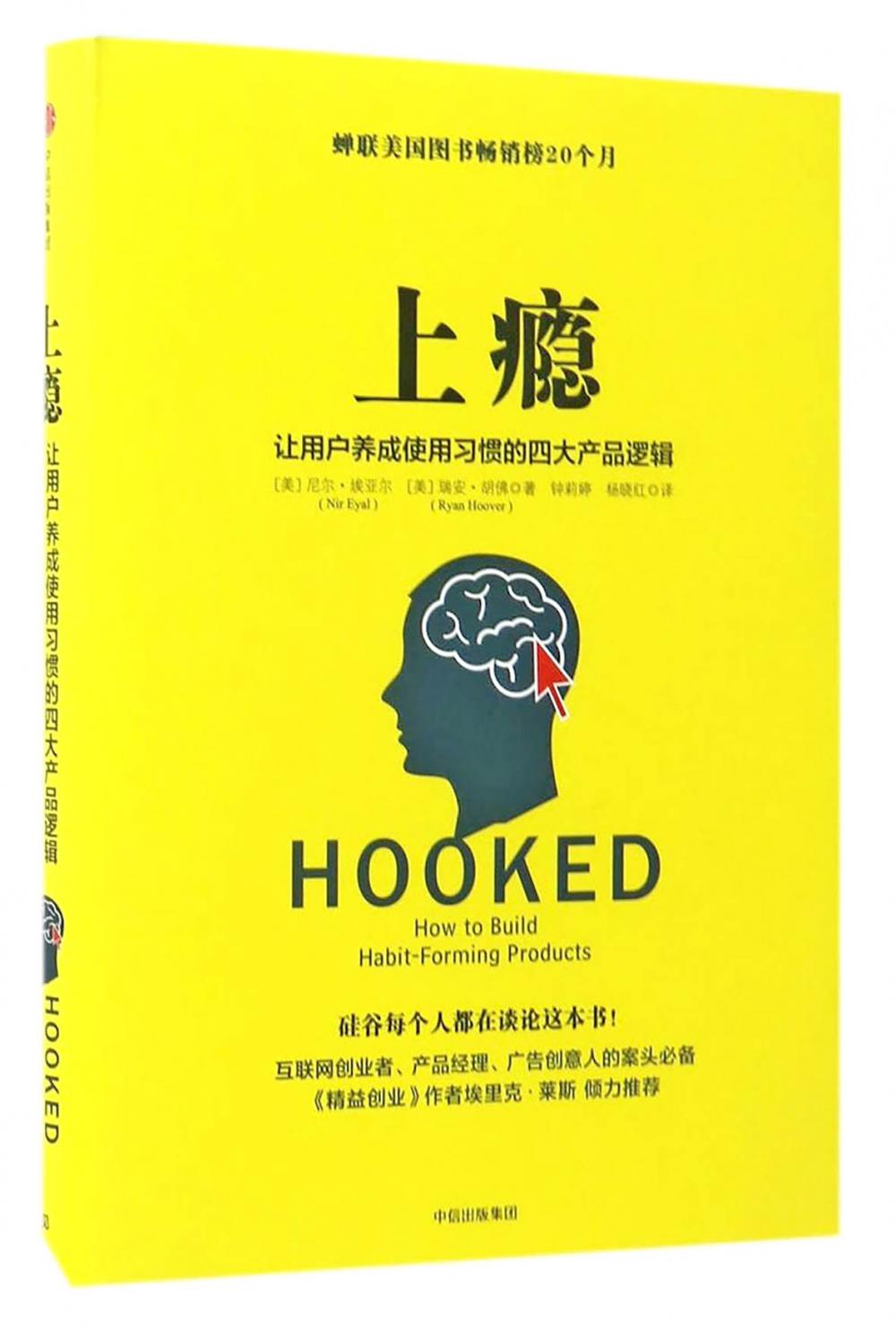
产品设计的深层行为逻辑丨书评
Xin Lang Cai Jing· 2026-01-04 23:12
Core Idea - The book "Hooked: How to Build Habit-Forming Products" by Nir Eyal and Ryan Hoover explores how certain products create habitual usage among users, emphasizing the importance of product design in fostering user engagement and dependency [1][4]. Group 1: Target Audience and Purpose - The primary audience for the book includes product managers, designers, marketers, and anyone interacting with users, highlighting the need for understanding user habit formation [4]. - The authors aim to provide a systematic approach to embedding services (like apps) into users' daily lives, transforming products from optional to essential [4]. Group 2: Theoretical Framework - The book is grounded in behavioral psychology, cognitive science, and behavioral economics, utilizing theories such as Skinner's operant conditioning and the Fogg Behavior Model to support its arguments [4][5]. - It emphasizes the significance of external stimuli in driving user behavior and creating lasting engagement with products [5]. Group 3: Ethical Considerations - While the book acknowledges that product designers should bear some ethical responsibility, it does not deeply explore the conflicts between user addiction and corporate interests [6]. - The discussion on "addiction" is metaphorical, focusing on how to design products that encourage repeated use without delving into the potential negative impacts on vulnerable populations, such as minors [5][6]. Group 4: Practical Implications - The book serves as a practical guide for product developers, illustrating how psychological mechanisms can be leveraged to create a cycle of trigger-action-reward-investment that fosters user dependency [6]. - It provides a lens for social policy researchers to critique the addictive nature of digital products designed by large companies, prompting a need for reflection on individual agency in product usage [6].
葛卫东29句话
投资界· 2025-12-22 08:27
Core Viewpoint - The essence of investment lies in deep self-reflection and minimizing unnecessary social interactions, focusing on understanding one's inner self [1] Group 1: Investment Philosophy - Introverted individuals tend to have deeper thoughts, which is beneficial for investment [1] - Successful investment requires a balance between emotional awareness and rational analysis, as emotions can cloud judgment [6][12] - The importance of understanding market dynamics and maintaining a distance from it is emphasized as an art form [3] Group 2: Research and Analysis - Effective research requires a methodical approach, avoiding excessive focus on details that obscure the bigger picture [4] - Investors must recognize the limitations of their knowledge and the chaotic nature of the market, understanding that conclusions are merely possibilities [14][24] - Continuous self-reflection and learning are crucial for overcoming mental barriers in trading [20][21] Group 3: Emotional Management - Emotional states can significantly impact decision-making, and maintaining a balance between stress and relaxation is essential [9][10] - Listening to market signals is deemed more reliable than making predictions, as many predictions fail during actual crises [12][13] - Cultivating an open mind and the ability to listen to the market is vital for successful trading [26][28]