
基金投顾

Search documents
四连冠!盈米基金斩获新华财经金谘奖,成为基金投顾领域标杆
Cai Fu Zai Xian· 2025-12-02 04:50
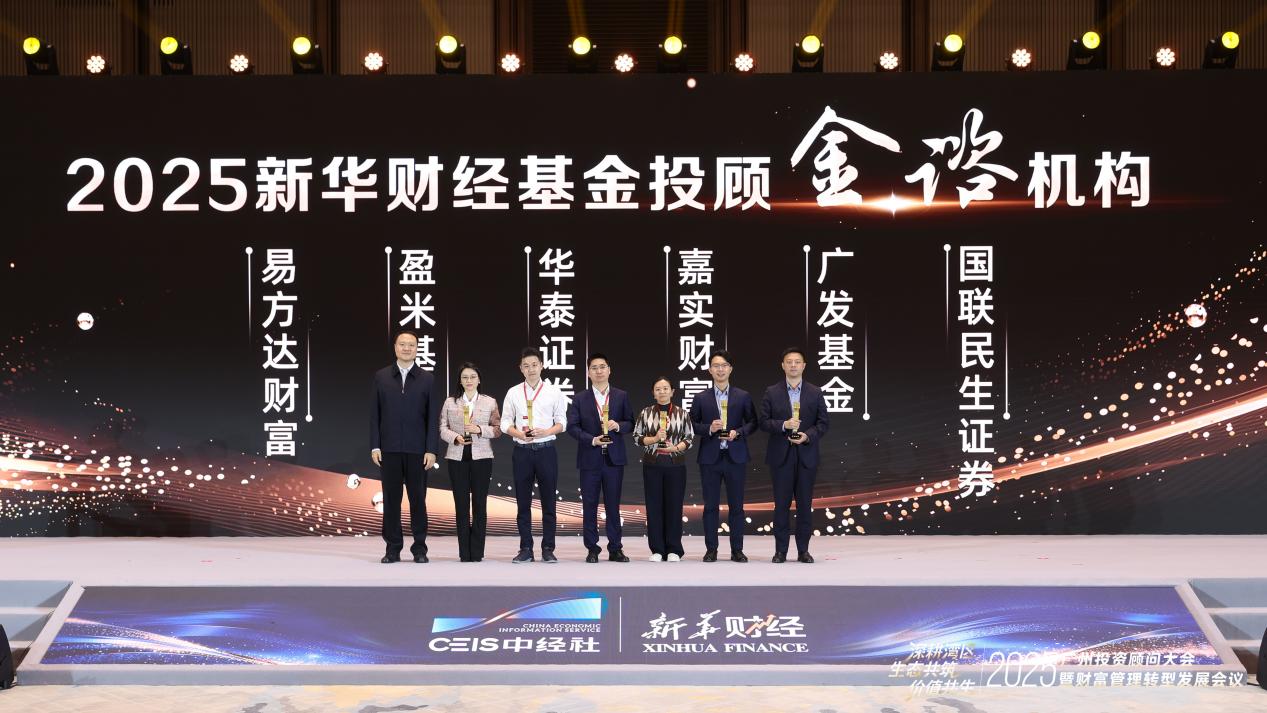
Group 1 - The core viewpoint of the news is that Yingmi Fund has been recognized for its excellence in investment advisory services, winning multiple awards for its innovative practices and contributions to the industry [1][2][3] - Yingmi Fund has won the 2025 Xinhua Finance Fund Advisory "Golden Advisory Institution" award and the "Advisory Star" award for outstanding contributions to the construction of the advisory ecosystem in Guangzhou, marking its fourth consecutive year of recognition [1] - The company has established itself as a leader in the buy-side advisory sector, demonstrating significant achievements in the innovation of advisory service models and the development of the TAMP platform [1][2] Group 2 - Yingmi Fund launched the first fund combination platform in China in 2016, initiating the buy-side advisory 1.0 era, and has since evolved to introduce the advisory service 2.0 model, which integrates various solutions centered around account management [2] - As of September 2025, the average holding period for clients on the Qieman platform is 772 days, with a profit ratio of 96%, indicating strong client trust and satisfaction compared to self-trading clients [2] - The new "Fellow Traveler Rights System" introduced by Qieman is the first in the industry to use "investment duration" as a core dimension for client rights classification, aiming to encourage long-term holding through positive value incentives [2] Group 3 - Yingmi Fund's TAMP platform has served over 200 institutions, providing essential capabilities for teams and institutions to conduct fund advisory business [3][4] - The TAMP platform is designed to support advisory teams and financial institutions with backend services, including strategy management, portfolio trading, and operational support, thereby enhancing efficiency and professionalism in serving investors [3][4] - Strategic partnerships have been established with institutions such as Yuekai Securities and AVIC Securities to provide comprehensive support in advisory strategy output, product research, and client management [4] Group 4 - Yingmi Fund has launched the "Investment Advisor TAMP Platform Anhui Empowerment Base" project, aiming to set a benchmark for wealth management transformation and buy-side advisory practices in East China and nationwide [5] - The company is actively exploring institutional advisory solutions across six dimensions, including advisory strategy, asset allocation, and technology support, to address the transformation needs of financial institutions [7] - The introduction of AI technology in the advisory service system aims to enhance operational efficiency and compliance management, with the launch of the Yingmi Fund Compliance Review System [8]

中欧财富郑焰:投顾业务步入发展新阶段,用户需求转向“多元资产配置”
Xin Hua Cai Jing· 2025-11-26 13:50
Core Insights - The fund advisory industry is entering a rapid development phase, with significant changes in customer demand and behavior, particularly emphasizing "diversified asset allocation" as a key trend in 2025 [1][2] Group 1: Industry Trends - A survey by China Europe Wealth indicates that 71% of clients prefer "diversified asset allocation" strategies in 2025, reflecting a mature investment philosophy focused on risk diversification and stable long-term returns [2] - There is an increasing trend among investors to allocate more to overseas and commodity assets within public funds, indicating a shift towards a more balanced investment approach [2] Group 2: Company Performance - China Europe Wealth's total assets under management for fund advisory services exceeded 10 billion yuan, marking a 135% year-on-year growth [1] - Nearly 90% of clients expressed satisfaction with advisory services, highlighting the importance of trust and reputation in wealth management [1] Group 3: Product Development - The company has launched the "Target Profit" product line in collaboration with brokerage firms, focusing on absolute returns, which has received positive acceptance from users [2] - Customized asset allocation and position optimization services are being offered to high-net-worth clients, showcasing a trend towards personalized financial services [2]
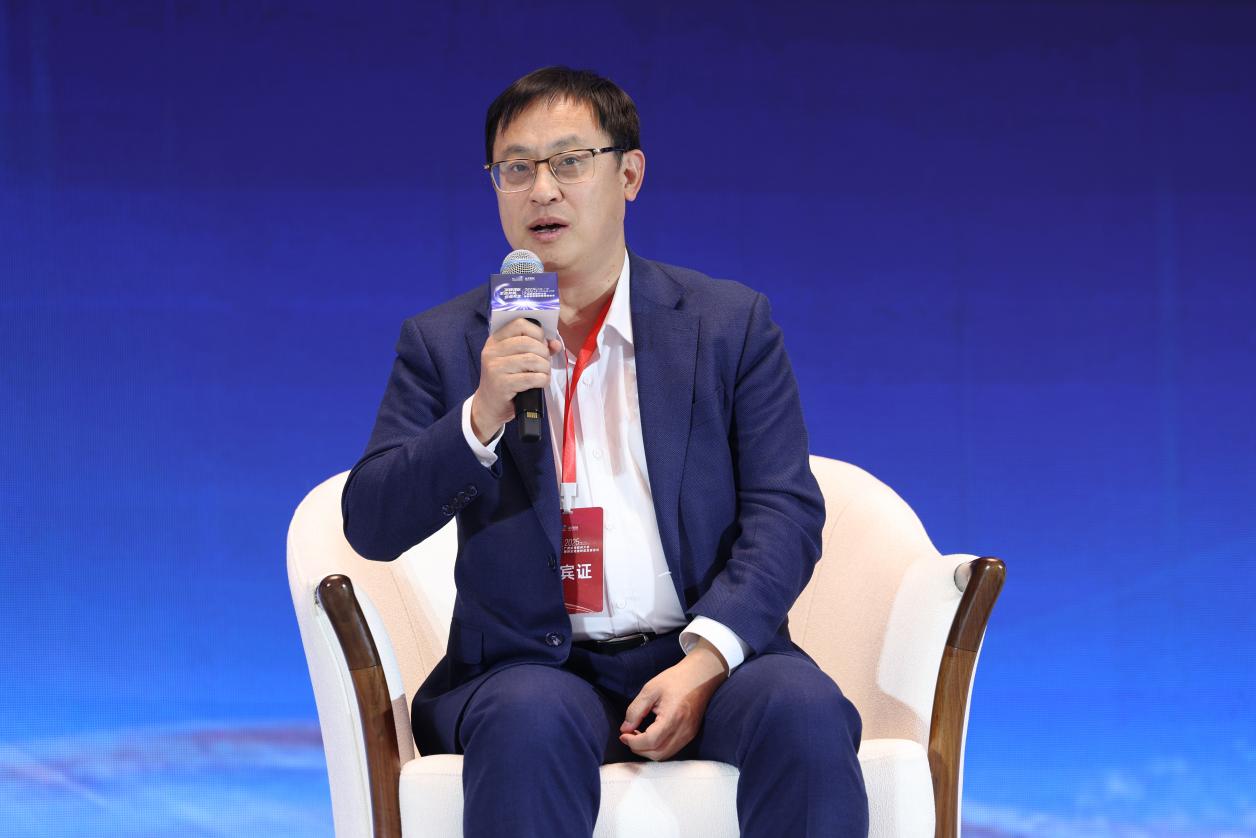
猫头鹰基金研究院总经理矫健:投顾生态的构建需要工具把认知快速赋能给持有人
Xin Hua Cai Jing· 2025-11-26 13:42
Core Viewpoint - The "2025 Guangzhou Investment Advisory Conference and Wealth Management Transformation Development Meeting" emphasizes the importance of building a collaborative ecosystem in wealth management, focusing on the integration of financial products and tools to enhance client understanding and engagement [1][2]. Group 1: Wealth Management Ecosystem - The construction of the investment advisory ecosystem involves two main aspects: "investment" and "advisory," requiring a combination of financial products into fund advisory components [2]. - There are over 15,000 financial products in the market, necessitating a selection process to identify the best options for clients [2]. - The industry lacks a fully established ecosystem among branch institutions, indicating a need for training and education for frontline advisory personnel [2]. Group 2: Tools and Empowerment - Tools are essential for empowering clients, especially since many clients are part of the long tail market, requiring efficient means to enhance their understanding [2]. - The Owl Fund Research Institute aims to empower all industry-related personnel through SaaS, API, and systems, enhancing the experience of clients [2]. - A suggestion was made for advisory personnel with limited expertise to utilize a one-click diagnostic report for basic communication with clients, followed by deeper discussions based on their professional capabilities [2].
盈米小帮投顾团队-10月月度复盘及第17次信号发车
老徐抓AI趋势· 2025-11-09 02:10
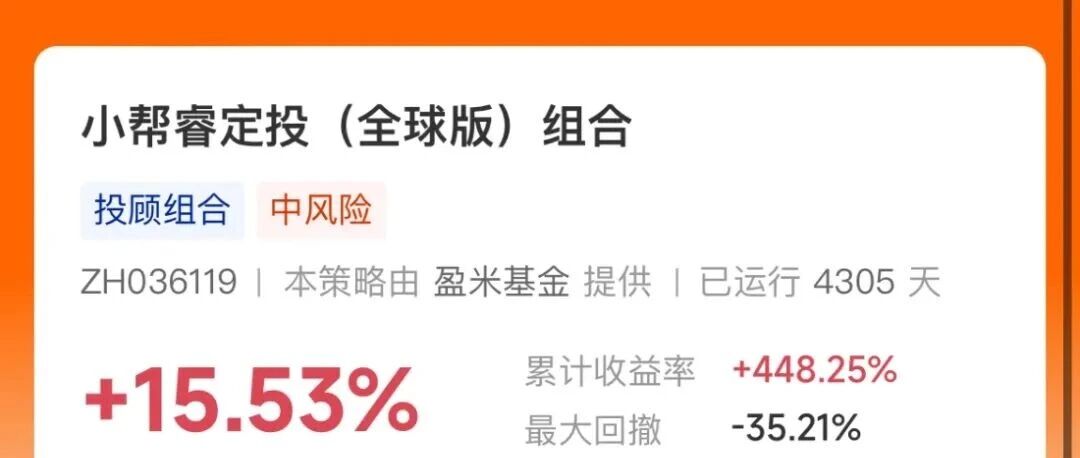
Core Viewpoint - The article emphasizes the importance of global market diversification, highlighting that different markets exhibit varying performances, which presents investment opportunities [1][3]. Market Performance Summary - In October, A-shares remained flat with a 0% change, while the dividend index rose by 3.05%. Hong Kong stocks fell by 3.53%, and US stocks increased by 4.77%. This disparity illustrates the need for a diversified investment approach [2][1]. - The global allocation strategy outperformed in this mixed market environment, with the "Rui Ding Tou Global Version" achieving a monthly return of 2.66%, the "Lazy Balanced Portfolio" returning 2%, and the "Worry-Free Bond Portfolio" rising by 0.7% [1][6]. Diversification Benefits - The article discusses the benefits of diversification, stating that it captures more profit opportunities while effectively spreading risk. When A-shares and Hong Kong stocks weaken, the strength of US stocks and other assets supports overall performance [3][11]. - The consistent upward trend of the overall portfolio is attributed to the collaborative performance of global assets, which helps mitigate volatility [4][3]. Performance Metrics - The "Rui Ding Tou Global Version" has shown a year-to-date return of 19.98% as of November 2025, with previous annual returns of 7.87% in 2024 and 13.13% in 2023. This indicates a strong long-term structural performance rather than short-term luck [8][6][7]. - The "Lazy Balanced Portfolio" achieved a return of 2% in October and has a cumulative return of 13.83% for the year, demonstrating its stability during market fluctuations [17][14]. Investment Strategy - The article suggests that the global allocation strategy is suitable for long-term investment, as it tends to have lower volatility compared to single markets. Regular investments can help average costs and benefit from long-term compounding growth [12][13]. - The "Lazy Balanced Portfolio" is characterized as a more conservative option, with a lower equity ratio and higher bond and dividend proportions, making it suitable for investors seeking stability [17][14].
试点六年 基金投顾供需错配仍存
Bei Jing Shang Bao· 2025-10-29 16:40
Core Insights - The article highlights the significant progress and challenges in the development of the public fund investment advisory business in China over the past six years since its pilot launch [1][2][3] Group 1: Business Development - The pilot program for public fund investment advisory services was officially launched by the China Securities Regulatory Commission (CSRC) on October 25, 2019, with 60 institutions obtaining pilot qualifications [2] - As of October 2025, the asset scale of buyer advisory services has exceeded 120 billion yuan, with some institutions reporting a high profitability ratio among their advisory accounts [2][3] - The overall profitability of advisory accounts has been significantly higher than non-advisory accounts, with reported excess returns of 7.01%, 4.23%, and 1.33% over one, two, and three years respectively [2] Group 2: User Experience and Strategy - Institutions have developed diverse strategies to cater to different investor needs, including liquidity management, conservative investments, and aggressive investments [3] - Feedback from clients indicates a generally positive experience with advisory services, although challenges remain in user awareness and service content alignment with client needs [3][4] Group 3: Fee Structure and Optimization - Suggestions for optimizing the fee structure include diversifying the charging model and linking advisory fees to product performance to align the interests of advisors and investors [4] Group 4: Investment Variety and Regulatory Support - There is a call for a broader range of investment products, including overseas markets and various asset classes, to meet diverse investor demands [5][6] - The CSRC is actively working to transition the advisory business from pilot to regular status, with plans to include more investment options such as Sci-Tech Innovation Board ETFs [6][7]
基金投顾试点六周年(下):AI赋能“千人千时千面”,投资品种亟待丰富
Bei Jing Shang Bao· 2025-10-28 14:30
Core Insights - The fund advisory pilot program has been in place for six years but still faces challenges such as user awareness, a relatively single business profit model, and a mismatch between service content and client needs [1][4][9] - Regulatory bodies are pushing for the transition of fund advisory from pilot to regular status, with suggestions to expand investment options beyond current limitations [1][9] Group 1: Current Challenges - User awareness needs improvement, and ordinary investors tend to focus on short-term returns, leading to a single profit model and insufficient client engagement [4][5] - Various institutions are proposing solutions, such as enhancing user education and trust through knowledge dissemination and personalized service [4][5] - The need for a diversified fee structure is highlighted, with suggestions for performance-based advisory fees to align interests between advisors and investors [5] Group 2: AI Integration - AI technology is becoming a core driver for enhancing advisory services, with institutions using AI tools to improve efficiency and personalize client interactions [6][8] - AI applications are being integrated into all stages of the advisory process, from pre-investment to post-investment analysis [6][7] - Institutions like Yingmi Fund are developing specialized AI models to address the unique challenges of the financial sector, aiming to enhance service quality and user experience [7][8] Group 3: Regulatory Developments - The China Securities Regulatory Commission (CSRC) is actively working on regulations to facilitate the transition of fund advisory services to a regular framework [9][10] - There are calls for a unified qualification certification system for fund advisors and the introduction of advisory services in personal pension accounts [10][12] - The CSRC has proposed including various investment products, such as ETFs and other financial instruments, to enrich the advisory service offerings [11][12]

基金投顾这六年:“用户信任”成为行业锚点
Shang Hai Zheng Quan Bao· 2025-10-27 20:50
Core Insights - The fund advisory business has evolved over six years, achieving steady growth in management scale and user base, with over 60 institutions now operating in this space and several exceeding 10 billion yuan in scale [1][2] - The industry has shifted from a "product-oriented" approach to a "service-oriented" model, with "user trust" becoming a central focus, significantly enhancing the investor experience [1][2] - Future developments will see advisory fees becoming the primary source of profit for advisory institutions, pushing the industry back to its wealth management roots [1][5] Development Milestones - The fund advisory business began its pilot phase in October 2019, coinciding with a golden period for public funds, leading to rapid scale expansion [1] - In 2022, institutions started to reflect on their strategies, moving towards "dynamic buy advisory strategies" to help users with timing and selection challenges in equity investments [2] - By October 15, 2023, the user accounts of a specific advisory program reported a profit ratio of 94.43%, demonstrating the effectiveness of the new strategies [2] Trust Building Challenges - Building investor trust is both a key focus and a challenge for the industry, requiring performance, companionship, and time [3][4] - Some advisory institutions have chosen to prioritize trust over scale, with a notable example being a firm that maintained close communication with clients, managing an average of 500 clients per advisor [3] - Data shows that advisory services have outperformed non-advisory accounts in terms of returns, with specific figures indicating a 7.01% higher return over the past year [4] New Opportunities - Recent reforms in fund fee structures emphasize prioritizing investor interests and preventing conflicts of interest, indicating a shift towards advisory fees as the main revenue source [5] - Institutions like Yingmi Fund are adapting their fee structures to align with these reforms, moving from transaction fee deductions to monthly advisory fees [5] - The transition to a more professional and personalized advisory service model is expected to create opportunities for outstanding institutions to thrive amid industry changes [6]
且慢突收投顾费!E大40万跟投者卡壳:去留怎么选?
Sou Hu Cai Jing· 2025-10-24 07:51
Core Viewpoint - The investment advisory platform "Qie Man" has significantly changed its fee structure for its popular investment plans, transitioning from a model where transaction fees offset advisory fees to a monthly advisory fee system, which has sparked considerable discussion within the industry [1][8]. Fee Structure Changes - The new fee structure for the "Changying Index Investment Plan" includes: - 0.5% per year for assets below 1 million - 0.45% per year for assets between 1 million and 3 million - 0.4% per year for assets between 3 million and 5 million - 0.35% per year for assets above 5 million - A monthly fee cap of 2000 yuan [2][4][5]. Impact on Investors - The introduction of a 0.5% advisory fee represents an additional cost for investors, as they previously only paid management fees to the fund companies, which were already deducted from the net asset value [5][8]. - The "Changying 150" plan has a cumulative return of 69.74% and an annualized return of 5.26%, but the new fee structure could reduce the annualized return to approximately 4.75% after accounting for the advisory fee [8][10]. Industry Context - The fee changes are a response to new industry regulations that prohibit advisory firms from charging clients multiple fees on the same assets, effectively ending the previous model of offsetting advisory fees with transaction fees [8][26]. - The shift reflects a broader trend in the investment advisory industry moving from "wild growth" to "regulated development," where firms must provide genuine services and charge for their value [26]. User Sentiment and Reactions - There is significant concern among investors regarding the new fees, with some expressing dissatisfaction and considering withdrawing their investments [17][20]. - The platform's popularity, driven by influential figures like "E Da," raises questions about whether the added costs will lead to a loss of followers and funds [20][26].

基金投顾试点六周年:零到近两千亿元跨越式增长
2 1 Shi Ji Jing Ji Bao Dao· 2025-10-23 00:21
Core Insights - The public fund advisory business in China has transitioned from a "seller-driven" model to a "buyer-agent" model over the past six years, achieving significant growth from zero to nearly 200 billion yuan in assets under management [4] - The industry is at a pivotal moment, with a projected market penetration of less than 0.1% compared to 16.1% in the U.S., indicating substantial growth potential as household financial assets approach 400 trillion yuan [3][4] - The integration of AI technology is transforming the advisory landscape, shifting from being a useful tool to becoming a core driver of development, enhancing personalized service and operational efficiency [8][9] Industry Growth and Performance - The fund advisory business has seen steady growth, with major firms like Huatai Securities reporting a 16.36% increase in assets under management, reaching 21.037 billion yuan by mid-2025 [3] - The number of clients for major firms has surged, with CITIC Securities reporting over 16 million clients and a significant increase in customized business assets [3] - The overall assets under management for the fund advisory sector are expected to exceed 10 trillion yuan by 2030, showcasing immense growth potential [3] AI Empowerment in Fund Advisory - AI is expected to enable personalized strategies and interactions, allowing for tailored solutions based on clients' life stages and risk profiles [2] - The use of AI in advisory services has led to improved client engagement, with a reported 35.7% higher retention rate for clients using AI-driven services compared to those who do not [7] - Companies like Yingmi Fund are leveraging AI to enhance service efficiency and client understanding, moving towards a more personalized advisory experience [8][9] Client Experience and Investment Behavior - Fund advisory services have significantly improved clients' investment experiences, with a higher percentage of advisory accounts showing profitability compared to non-advisory accounts [5][6] - The implementation of systematic investment strategies has helped clients achieve better returns, with a reported 94.43% of clients in a specific program being profitable [6] - The overall profitability rate for clients using the "帮你投" service has exceeded 90%, indicating strong client satisfaction and effective investment strategies [6][7] Future Outlook and Industry Challenges - The industry recognizes the need for improved service depth and client trust, as current offerings do not fully meet client needs [11] - There is a call for enhanced investor education to raise awareness about fund advisory services and their benefits [11] - The competitive landscape is expected to evolve towards a model of "professional division and ecological win-win," with firms focusing on their unique strengths to build competitive advantages [11]
基金投顾六周年,管理规模扩容与投顾能力升级并行
Sou Hu Cai Jing· 2025-10-19 14:48
Core Insights - The fund advisory business in China has experienced significant growth over the past six years, with an increase in the number of advisory institutions, management scale, and client base, marking a transition from exploration to a mature development phase [2][4][8]. Group 1: Evolution of Advisory Capabilities - The advisory capabilities have evolved from providing basic fund combinations to offering diversified strategies that include equities, bonds, commodities, and overseas assets [4]. - The service model has shifted from standardized offerings to personalized advisory services that cover pre-investment and post-investment stages [4][5]. - The focus has been on creating a long-term investment habit among clients, promoting diversified asset allocation, and improving overall client experience [5][6]. Group 2: Growth in Scale and Client Experience - The number of advisory institutions has increased from five to nearly sixty, with total assets under management surpassing 200 billion yuan in some cases [8][9]. - As of September 30, 2023, the proportion of profitable clients using advisory services reached 77.29%, with an average holding period of over 1000 days [5]. - Data from various institutions indicate that clients using advisory services have a higher probability of profitability compared to those who trade independently, with profit rates exceeding 90% in some cases [6][9]. Group 3: Differentiated Service Models - Different types of institutions have developed unique service models, with public funds excelling in strategy development, securities firms leveraging their extensive client bases, and third-party sales platforms focusing on technology and customer engagement [10]. - The future landscape is expected to be a multi-layered ecosystem where professionalism and client-centricity remain foundational [10][11]. Group 4: AI and Technological Integration - AI is becoming a core driver of change in the fund advisory business, enhancing service efficiency and enabling personalized client interactions [13][15]. - The integration of AI allows for improved data analysis, risk monitoring, and real-time client support, although it is acknowledged that human advisors are still essential for building trust and providing complex strategy design [20][21]. Group 5: Challenges and Future Opportunities - Despite significant progress, challenges such as low market penetration, insufficient awareness, and a shortage of qualified advisory talent remain [25][26]. - The industry is poised for further growth driven by policy support, increasing market demand, and technological advancements, with a focus on account-level management becoming crucial for future success [27][29].