夜间经济

Search documents
“夜京城”IP矩阵浮出水面 北京夜经济场景再扩容
Bei Jing Shang Bao· 2025-10-21 12:36
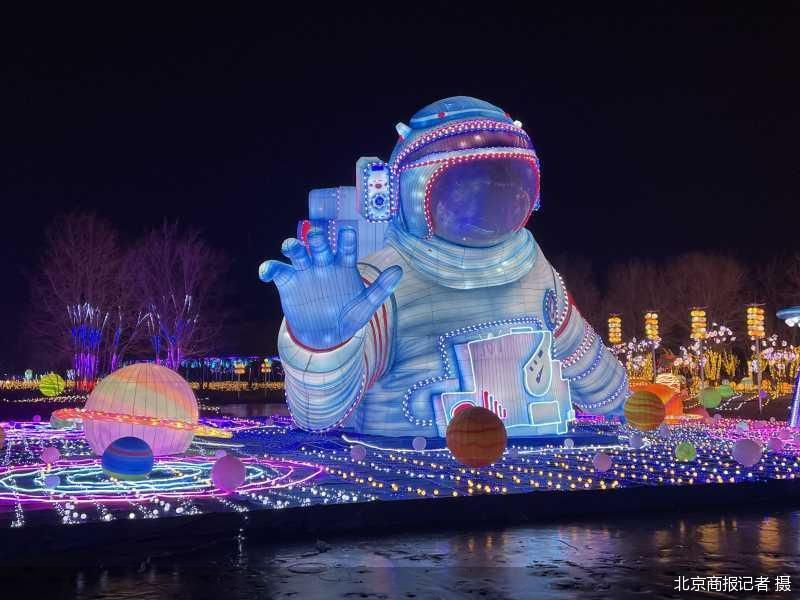
Core Viewpoint - The newly released "14th Five-Year Plan for Urban Lighting Development in Beijing" aims to enhance the night economy by transitioning from "point lighting" to a comprehensive "all-region quality improvement" approach, leveraging the "Night Beijing" IP matrix to stimulate consumption and employment [2][6]. Urban Nightscape Structure - The plan proposes a nightscape structure of "one core, two axes, four rings, and multiple points," highlighting the capital's urban features during both day and night [3]. - "One core" refers to the capital's functional core area, "two axes" are the central axis and its extensions, and "four rings" represent the second to fifth ring roads, with "multiple points" indicating areas outside the central city [3]. Operational Management - The management approach shifts from fixed models to refined control, introducing a new "major event guarantee" level to dynamically adjust lighting times and modes based on various factors [4]. - The plan aims to increase the application rate of LED light sources from 60% to 90%, enhancing user experience while reducing energy consumption [4]. Transition from Point Lighting to Systematic Layout - The night economy development in the "14th Five-Year Plan" focused on key commercial areas, while the "15th Five-Year Plan" emphasizes a qualitative leap towards a comprehensive layout [6]. - The new structure aims to create a three-dimensional nightscape network that connects urban areas and breaks the dominance of central districts in the night economy [6]. Scene Creation and IP Matrix Operation - The plan shifts from single business types to an IP matrix operation, integrating various night-time activities and experiences [6]. - The "Night Beijing" IP will connect major water systems and parks, creating a "blue night artery" and a "green night puzzle" to enhance cultural and ecological integration [6]. Economic Value of Night Economy Expansion - The implementation of the IP matrix is expected to stimulate consumer enthusiasm for night-time spending, extending consumption time and space [7]. - Data indicates that during the 2024 light festival, key commercial areas in Chaoyang District saw over 12 million visitors, a 13% increase year-on-year, with sales reaching 2.8 billion yuan, a 5% increase [7][8]. Industry and Cultural Integration - The IP matrix will promote the integration of cultural industries with tourism and commerce, leading to the development of derivative products and services [8]. - The unique IP matrix is anticipated to enhance Beijing's national and global recognition, positioning it as an attractive international tourism destination [8].

重庆:山水搭台 创新赋能
Ren Min Ri Bao· 2025-10-11 05:48
Core Insights - The retail sales of consumer goods in Chongqing reached 1.11 trillion yuan from January to August this year, with nighttime consumption accounting for over half of this total [1] - The unique topography of Chongqing has created an unparalleled nighttime aesthetic, enhancing the appeal of its night economy [2] - The local government's strategic planning has been pivotal in promoting the "Never Sleep Chongqing" brand, which includes a comprehensive nighttime consumption map featuring over 120 unique venues [3] Group 1 - The nighttime economy in Chongqing is significantly driven by its distinctive night scenery, which includes views from the Yangtze River cruises and the "Cloud Eye" observation point [2] - The government has developed a systematic approach to enhance the nighttime economy, focusing on cultural identity and emotional resonance for both tourists and locals [3] - The challenges of managing nighttime economic activities, such as food safety and noise control, are being addressed through a coordinated governance mechanism [3] Group 2 - The growth of Chongqing's nighttime economy serves as a model for future urban competition, emphasizing the importance of cultural charm, innovation, and operational excellence [3] - The transformation from "quick visits" to "in-depth experiences" in nighttime consumption reflects a shift towards enhancing visitor satisfaction and quality of life for residents [3] - The integration of local cultural resources and brand building is crucial for sustaining the long-term effects of the nighttime economy [3]
点亮夜间经济 提升消费体验
Ren Min Ri Bao· 2025-10-10 01:03
Core Insights - The article emphasizes the significance of nighttime economy in Chongqing, highlighting that over half of the city's consumption occurred at night in the first half of the year [1] - The development of nighttime cultural and tourism economy has been a focus for the local government, with 15 national-level nighttime cultural and tourism consumption clusters established [1][2] Changes in Nighttime Economy - The transformation from specific commercial districts to unique streets has introduced "non-standard commercial" elements, creating visually appealing landmark scenes [3][4] - A meeting in 2017 initiated the inclusion of backstreets into the nighttime economy development plan, aiming to create a more diverse consumption ecosystem [5][6] New Consumption Spaces - The revitalization of the previously neglected Shancheng Alley has led to an average daily foot traffic of over 20,000 visitors in the first half of the year [6][7] - The introduction of "non-standard commercial" shops in the Luzumiao area has resulted in over 70% of the shops being unique and personalized, catering to consumer preferences for individuality [7][8] Diverse Nighttime Offerings - The Nine Streets area has evolved from a simple dining street to a vibrant hub featuring various activities, including live performances and fitness options, attracting a young demographic [9][10] - The "Five Nights" business model, focusing on diverse nighttime experiences, has been promoted by local authorities to enhance consumer engagement [11][12] Management Innovations - The management of nighttime markets has shifted from strict regulations to more refined services, enhancing the overall consumer experience [14][15] - The establishment of a management office for the Nanfang Garden Night Market has significantly reduced complaints and improved business for vendors [15][16] Future Directions - The government aims to refine management strategies to address challenges such as market saturation and competition among nighttime markets [16][19] - Plans are in place to develop more unique commercial projects and enhance the aesthetic appeal of nighttime consumption spaces across the city [8][19]
点亮夜间经济 提升消费体验(人民眼·提振消费)
Ren Min Ri Bao· 2025-10-09 22:22
Core Viewpoint - The development of nighttime economy in Chongqing has become a significant aspect of urban commerce, with over half of the city's consumption occurring at night in the first half of the year. The government is actively promoting this sector through various initiatives and infrastructure improvements [4][5][6]. Group 1: Changes in Nighttime Economy - The transformation of Chongqing's nighttime economy has shifted from specific commercial districts to include unique streets and alleys, introducing "non-standard commercial" models to create visually appealing landmark scenes [4][5][6]. - The government has initiated discussions to incorporate backstreets into the nighttime economy development plan, aiming to enhance the overall consumption ecosystem [5][6]. - The "Mountain City Alley" has been successfully revitalized, attracting an average of over 20,000 visitors daily in the first half of the year, contributing to a 7% year-on-year increase in tourist numbers during the National Day and Mid-Autumn Festival holidays [6][7]. Group 2: Supply Changes - The nighttime economy has evolved from a single scene to a diverse array of experiences, with various entertainment and dining options available, particularly in areas like the "Nine Streets" [11][12]. - The focus on content supply has led to a shift in business types, with the introduction of trendy shops and recreational venues catering to younger consumers [12][13]. - The "Big Nine Streets" project combines vibrant areas like Nine Streets and North Warehouse, attracting a significant number of young consumers, with visitor numbers increasing by 28.1% and 9.5% respectively during recent holidays [13][14]. Group 3: Management Changes - The management approach for nighttime markets has transitioned from strict regulation to more refined services, enhancing consumer experience while addressing local residents' concerns [15][16]. - The establishment of dedicated management offices for nighttime markets has improved operational efficiency, reducing complaints significantly and fostering a better relationship between vendors and local communities [16][17]. - The government is focusing on detailed management strategies to address challenges such as market saturation and competition, ensuring the sustainability of the nighttime economy [17][18][21].
山水搭台 创新赋能(有所思)
Ren Min Ri Bao· 2025-10-09 22:22
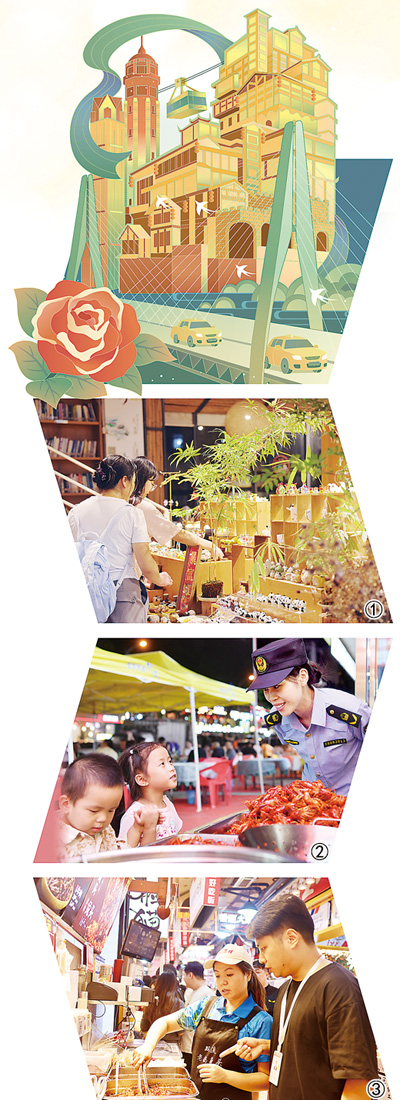
Core Insights - The night economy in Chongqing has become a significant driver of consumption, with retail sales reaching 1.11 trillion yuan from January to August, and nighttime consumption accounting for over half of this total [1][2]. Group 1: Night Economy Development - Chongqing's night economy thrives due to its unique night scenery, shaped by its mountainous terrain, providing a stunning backdrop for nighttime activities [1]. - The local government has strategically planned the "Never Sleep Chongqing" urban brand, creating a night consumption map that includes over 120 unique venues, covering a full range of services from dining to entertainment [2]. Group 2: Cultural and Emotional Aspects - The night economy transcends mere economic activity, serving as a vital medium for cultural and emotional resonance, attracting tourists not just for food and sights but for unique life experiences [2]. - Emphasizing local cultural resources and brand development has allowed Chongqing to extend the long-tail effects of its night economy [2]. Group 3: Challenges and Governance - The surge in nighttime visitors presents challenges such as food safety and noise control, requiring effective governance to balance tourist satisfaction with residents' quality of life [2]. - Chongqing has established a coordinated mechanism to address management challenges, transforming quick visits into deeper experiences for consumers [2]. Group 4: Future Competitiveness - The future of urban competition will hinge on cultural appeal, innovation capabilities, and operational excellence, necessitating continuous innovation and refined services to attract both tourists and residents [2].
超过一半的城市消费发生在夜间,山城重庆—— 点亮夜间经济 提升消费体验(人民眼·提振消费)
Ren Min Ri Bao· 2025-10-09 22:02
Core Viewpoint - The development of nighttime economy in Chongqing has become a significant aspect of urban commerce, with over half of the city's consumption occurring at night in the first half of the year, driven by government initiatives and local innovations [1][5]. Group 1: Changes in Nighttime Economy - The transformation of specific commercial areas to unique streets has introduced "non-standard commercial" models, creating visually appealing landmark scenes [2][4]. - A meeting in 2017 initiated the inclusion of back streets in the nighttime economy development plan, aiming to create a more diverse consumption ecosystem [3][4]. - The government has guided the renovation of areas like the Mountain City Alley, which has now become a popular nighttime destination with an average daily footfall of over 20,000 visitors [5][6]. Group 2: Supply Changes - The variety of nighttime consumption experiences has expanded from single scenes to diverse business formats, catering to the preferences of younger consumers [9][11]. - The "Big Nine Street" project combines vibrant areas like Nine Street and North Warehouse, attracting a significant number of young visitors, with foot traffic reaching 150.5 million and 34.5 million during the recent holidays, respectively [12][13]. Group 3: Management Changes - The management of nighttime markets has shifted from strict regulation to refined services, focusing on enhancing consumer experience while addressing local residents' concerns [14][15]. - The introduction of a "building management" system in areas like Good Food Street has improved relationships between managers and merchants, fostering a collaborative environment for business growth [16][17]. - The establishment of detailed operational guidelines and regular inspections has led to improved hygiene and service quality in nighttime markets, resulting in increased customer retention [18][19].
奔赴消费新“夜”态
Jin Rong Shi Bao· 2025-08-29 02:37
Core Insights - The summer season and nighttime activities are creating unique opportunities for boosting consumer spending [1] - Night tourism, as a vital part of the nighttime economy, is enhancing cultural experiences and reflecting changes in lifestyle [2] - Local governments are implementing supportive policies to promote nighttime tourism and economic activities [3] Group 1: Nighttime Economy - The combination of summer and nighttime activities is revitalizing consumer engagement in cities like Yangzhou [1] - Night tourism is witnessing a significant increase in demand, with domestic travel numbers reaching 3.285 billion and spending hitting 3.15 trillion yuan in the first half of 2025, marking a year-on-year growth of 20.6% and 15.2% respectively [2] - The projected total expenditure for nighttime tourism in China is approximately 1.91 trillion yuan for 2024, indicating a sustained upward trend in consumer interest [2] Group 2: Government Initiatives - Various local governments, including those in Yunnan and Sichuan, are launching policies to support nighttime tourism and economic growth [3] - Initiatives include the development of nighttime cultural and tourism consumption zones, enhancement of nighttime entertainment offerings, and the creation of unique nighttime festivals [3] - The shift from daytime to nighttime activities is fostering a vibrant urban atmosphere, integrating traditional culture with modern consumer experiences [3]
央视用半小时长篇呼吁全网来佛山感受消费魅力
Sou Hu Cai Jing· 2025-08-28 07:48
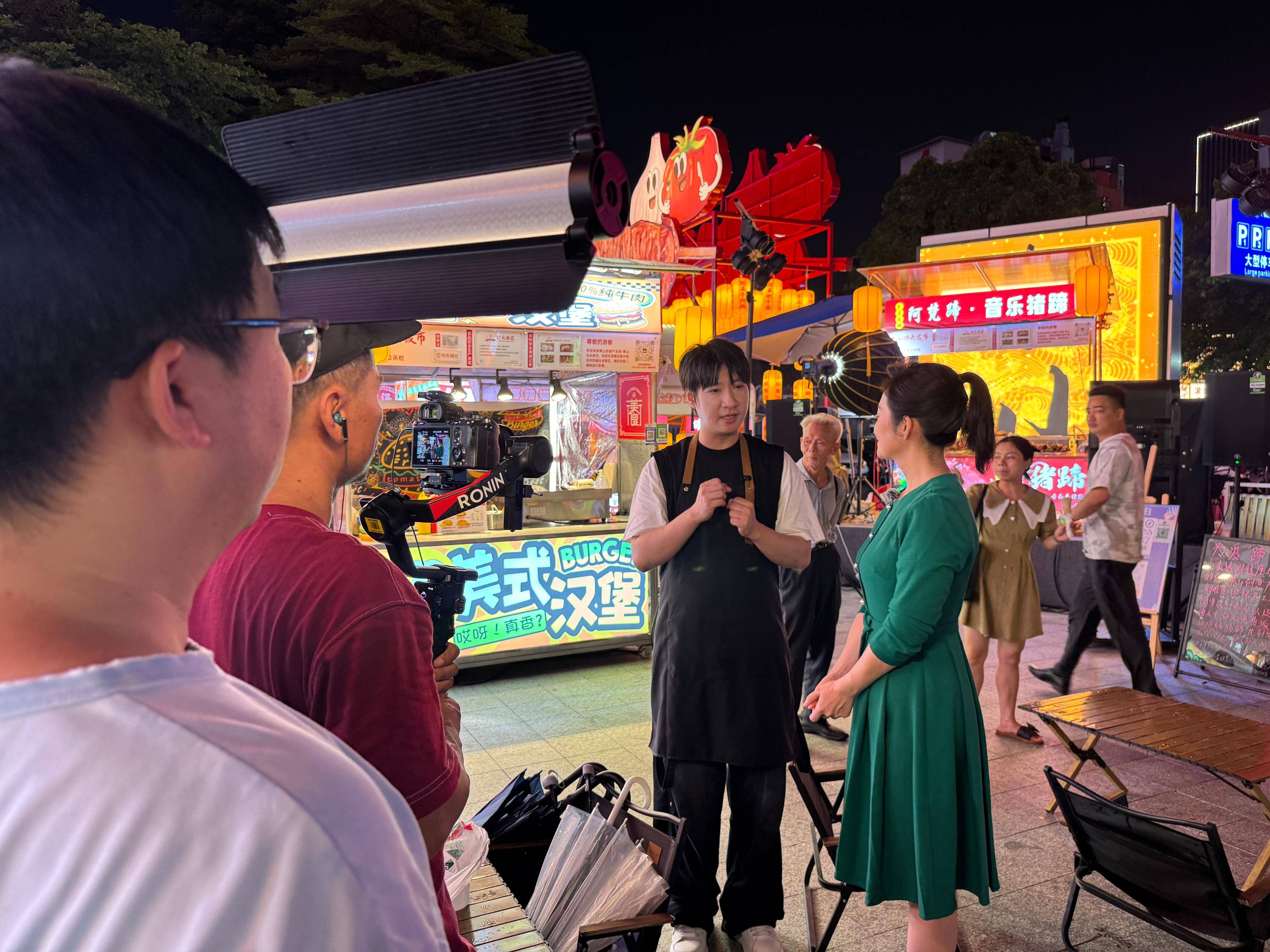
Core Viewpoint - The program "Consumption Advocacy" by CCTV highlights the vibrant night economy and diverse cultural tourism offerings in Foshan, showcasing the city's vitality and charm through experiential narratives [1][5]. Group 1: Night Economy Development - The program focuses on Foshan's "Four Mountains and Two Rivers" cultural tourism strategy, utilizing natural resources to reshape night consumption patterns [3]. - It emphasizes the unique ecological corridor of Lingnan, featuring rich tourist attractions, food streets, traditional folk activities, and trendy entertainment spots as key elements of Foshan's night economy [3][10]. - The program analyzes night economy data from the first half of 2025, demonstrating its significant contribution to urban commercial growth compared to traditional consumption periods [8]. Group 2: Consumer Experience and Engagement - The host, Hu Xiao, explores various night consumption scenes in Foshan, including popular areas like Huashang City and the Creative Industry Park, showcasing the emerging trends in GDP growth and consumption indicators [5][8]. - The program includes interviews with consumers and businesses across major commercial complexes, traditional night markets, and cultural tourism sites, highlighting the vitality embedded in Foshan's economy [10]. - It features a segment on Shunde, known as the "World Food Capital," where local delicacies like fish sashimi and rice porridge are explored, illustrating how food culture enhances the appeal of tourism products [11]. Group 3: Invitation to Experience - The program concludes with an invitation for viewers to experience Foshan's night economy, which integrates diverse sectors such as dining, tourism, entertainment, and performance, while preserving traditional Lingnan culture [13]. - Foshan is positioned as a popular destination for night consumption in the Greater Bay Area, combining modern elements like light shows and trendy markets with local culinary experiences [13].
时空科技(605178) - 关于2025年半年度主要经营数据的公告
2025-08-22 11:32
证券代码:605178 证券简称:时空科技 公告编号:2025-057 北京新时空科技股份有限公司 关于 2025 年半年度主要经营数据的公告 本公司董事会及全体董事保证本公告内容不存在任何虚假记载、误导性陈述 或者重大遗漏,并对其内容的真实性、准确性和完整性承担法律责任。 二、 已签订尚未执行的重大项目进展情况 截至报告期末,公司无已签订尚未执行的重大项目。 上述经营数据为初步统计数据,与定期报告披露的数据可能存在差异。 特此公告 北京新时空科技股份有限公司 董事会 2025 年 8 月 23 日 1 一、 新签项目情况 | 类型 | 新签项 | 年 2025 4-6 新签合同金额 1 | 月 同比增减 | 新签项 | 年 月 2025 1-6 新签合同金额 | 同比增减 | | --- | --- | --- | --- | --- | --- | --- | | | 1 目数 | (万元) | | 目数 | (万元) | | | 夜间经济 | 10 | 5,065.77 | 48.43% | 20 | 8,463.98 | -12.97% | | 2 智慧城市 | 3 | 4.06 | 100% | 3 ...

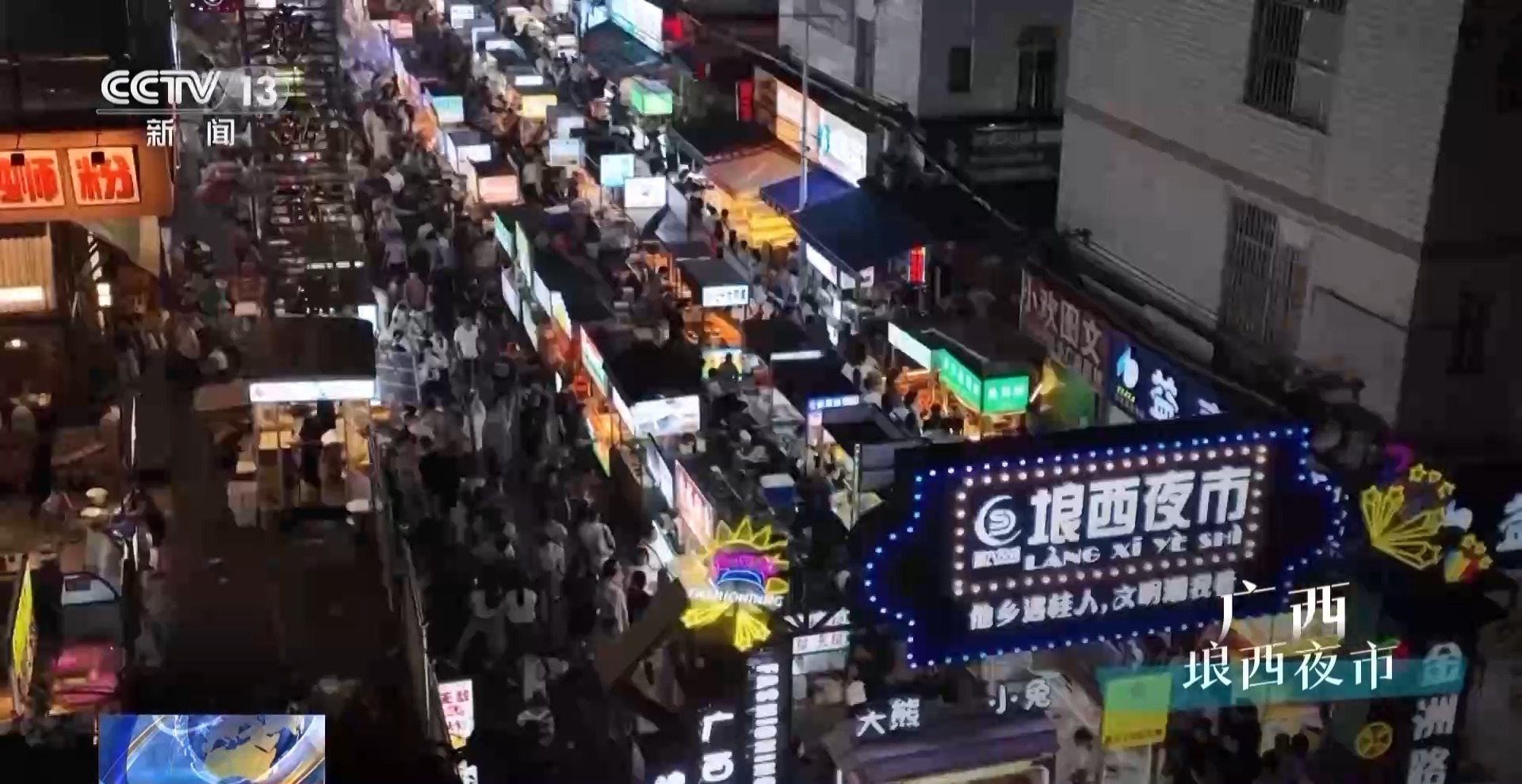
曾经日落而息,如今彻夜狂欢!我国夜经济正在崛起→
Yang Shi Xin Wen Ke Hu Duan· 2025-08-16 01:29
Core Insights - The traditional urban lifestyle is being transformed as nighttime becomes a key period for leisure consumption, driving urban development, economic growth, and cultural prosperity [1] - Nighttime consumption spans various sectors including dining, shopping, cultural tourism, and sports, providing new momentum for urban economies [1] - In the summer cultural and tourism consumption season, approximately 39,000 cultural tourism events will be held nationwide, with last year's nighttime tourism expenditure nearing 2 trillion yuan [1] Group 1: Nighttime Economic Activities - In Xishuangbanna, the starry night market attracts nearly 40,000 visitors daily during the summer [1] - Nanning's Laoxi Night Market has seen a 12.65% year-on-year increase in revenue in the first half of the year after professional management was introduced [1] - Quanzhou has hosted over 1.41 million visitors since July, marking a 14.8% increase, with various nighttime activities launched [3] Group 2: Cultural and Entertainment Events - Suzhou's outdoor concerts attracted over 400,000 attendees in the first half of the year, showcasing the city's vibrant cultural scene [5] - Haikou's diverse nighttime activities, including night buses and street performances, generated over 1 million yuan in revenue in the first week [7] - Chongqing's nighttime consumption has exceeded 60%, highlighting the city's appeal as a vibrant nighttime destination [9] Group 3: Shanghai's Night Economy - Shanghai's nighttime consumption reached over 88 billion yuan, with various innovative venues and activities enhancing the nighttime experience [21] - The city has implemented measures to extend operating hours and improve nighttime transportation, contributing to a thriving nighttime economy [36] - The introduction of immersive experiences, such as the night tours at Yuyuan Garden, has attracted significant visitor interest [25][27] Group 4: Emerging Trends and Innovations - The rise of new consumption scenarios has led to the emergence of new job roles, particularly in the drone light show industry in Chongqing [44] - Shanghai's night economy is characterized by a blend of traditional and modern elements, appealing to a diverse audience [19][21] - The integration of technology and cultural experiences is reshaping the nighttime landscape, as seen in the immersive exhibitions at the Shanghai Museum [31][38]