
广告代理

Search documents
企业如今才开始统计美国政府停摆造成的影响
Xin Lang Cai Jing· 2025-12-11 12:02
Core Insights - The longest government shutdown in U.S. history, lasting 43 days, has ended, but its consequences are just beginning to manifest in domestic and international businesses [1] - Companies closely tied to federal government spending, contracts, and regulatory approvals are assessing the impact on their revenues and profits, with warnings ranging from cautious to downward revisions of earnings guidance [1] Group 1: Impact on Specific Companies - Clearfield, a manufacturer of fiber and telecom products, reported that the entire industry's fiber supply is constrained, and delays in the $42.5 billion Broadband Equity, Access, and Deployment (BEAD) program approvals have created uncertainty in the community broadband market [1] - Spectrum AI, which applies AI tools in medical diagnostics, has lowered its revenue guidance due to anticipated reductions in contract-related work with the Biomedical Advanced Research and Development Authority as a result of the shutdown [6] - Kejie, a molecular diagnostics company, stated that the shutdown has negatively impacted sales, exacerbating funding constraints in the academic and research sectors [7] Group 2: Broader Industry Effects - The advertising agency WPP, listed in London, significantly lowered its earnings guidance due to a decline in revenue from its government public relations services, which led to a drop in its stock price [3] - Hilton Foods, a meat and fish packaging company, issued a profit warning stating that its Greek smoked salmon factory would not restart production this year due to U.S. freight regulatory restrictions not being lifted in time [8] - DiamondRock Hospitality and Red Robin Gourmet Burgers attributed reduced customer traffic and low consumer sentiment to the government shutdown, leading DiamondRock to lower its fourth-quarter earnings expectations [9] Group 3: Capital Market Implications - UBS identified the government shutdown as a potential negative factor for initial public offerings (IPOs), indicating that delays in the IPO schedule could impact equity capital market revenues [9] - Unilever postponed the spin-off of its Magnum ice cream business due to the U.S. Securities and Exchange Commission's inability to timely declare the necessary registration statement effective for its stock listing [9] - The overall economic impact of the shutdown is significant, with some companies or industries experiencing far greater negative effects than average, although the duration of these impacts remains uncertain [3][10]
Green Dot Stock Declines 4% Since Reporting Q3 Earnings Beat
ZACKS· 2025-11-12 17:26
Core Insights - Green Dot (GDOT) reported strong third-quarter 2025 results, with both earnings and revenues exceeding the Zacks Consensus Estimate, yet the stock declined by 4% post-earnings release on November 10 [1] Financial Performance - Quarterly earnings per share (EPS) of 6 cents, excluding 62 cents from non-recurring items, surpassed the consensus estimated loss of 11 cents and improved by 53.9% year-over-year [2] - Revenues reached $491.9 million, beating the Zacks Consensus Estimate by 1% and increasing by 20% year-over-year [2] Segment Performance - B2B Services revenues surged by 32% to $364.2 million, driven by a BaaS partner and stability across the BaaS portfolio [3] - Money Movement Services revenues declined by 6% to $29.8 million, affected by a slight dip in Money Processing, although Tax Processing saw revenue growth [3] - Consumer Services segment revenues fell by 10% to $88.3 million, primarily due to secular headwinds in the Retail channel, partially offset by the recent launch of PLS [4] Key Metrics - Gross dollar volume increased by 18% to $39.5 million, while purchase volume decreased by 5.1% to $4.74 billion [5] - Active accounts rose by 0.9% year-over-year to 3.51 million [5] - Adjusted EBITDA totaled $23.57 million, down 17% year-over-year, with the adjusted EBITDA margin decreasing by 220 basis points to 4.8% [6] Balance Sheet & Cash Flow - Green Dot ended the third quarter with $1.64 billion in unrestricted cash and cash equivalents, up from $1.59 billion at the end of Q4 2024, and had no long-term debt [7] - The company generated $201.03 million in cash from operating activities [7] Guidance - Green Dot provided 2025 guidance for total operating revenues between $2 billion and $2.1 billion, with the midpoint aligning with the Zacks Consensus Estimate [8] - Adjusted EPS guidance was raised to a range of $1.31-$1.44, above the previous range of $1.28-$1.42, with the midpoint exceeding the Zacks Consensus Estimate of $1.35 [9] - Adjusted EBITDA is expected to be between $165 million and $175 million, an increase from the previous guidance of $160 million to $170 million [9]



咸宁市咸安区锦瑟年华珠宝工作室(个体工商户)成立 注册资本0.3万人民币
Sou Hu Cai Jing· 2025-11-01 01:48
Core Viewpoint - A new jewelry studio named "Jinse Nianhua Jewelry Studio" has been established in Xianning City, with a registered capital of 0.3 million RMB, indicating a growing interest in the jewelry retail sector in the region [1] Company Summary - The legal representative of the studio is Liu Shenghong, highlighting individual entrepreneurship in the jewelry industry [1] - The business scope includes retail and wholesale of jewelry, advertising design and agency, marketing planning, and information consulting services, indicating a diversified approach to business operations [1] - The studio is also involved in the sale of pre-packaged food through e-commerce, showcasing an expansion into the food sector alongside jewelry [1] Industry Summary - The establishment of the jewelry studio reflects the ongoing development and potential growth within the jewelry retail market in Xianning City [1] - The inclusion of various services such as advertising and marketing planning suggests a trend towards integrated service offerings in the jewelry industry [1] - The ability to operate in multiple sectors, including food sales, may indicate a strategic move to diversify revenue streams within the local market [1]
WPP发布Q3财报:收入下滑8.4%,新CEOCindy Rose承诺采取AI战略进行业务整改
Jing Ji Guan Cha Wang· 2025-10-31 05:21
Financial Performance - WPP reported a Q3 revenue decline of 8.4%, with a year-over-year decrease of 3.5% [2] - The company now expects a revenue decline of 5.5% to 6.0% for 2025, revised down from a previous forecast of 3% to 5% [2] - WPP issued its second profit warning for the year, indicating ongoing financial challenges [2] Leadership and Strategy - New CEO Cindy Rose emphasized that the current financial performance is "clearly far from acceptable" and committed to implementing corrective measures [2] - In her first two months, Rose focused on enhancing WPP's AI capabilities, including a $400 million agreement with Google and the launch of the WPP Open Pro AI platform [3] - WPP Media was rebranded from GroupM, with Rose expressing confidence in the leadership of Brian Lesser to create a data and AI-driven ecosystem [3] Client Acquisition and Market Challenges - Despite challenges, WPP Media secured new business from clients such as Mastercard, Maersk, and Marks & Spencer [4] - The departure of WPP Media's North America CEO Sharb Farjami raised questions about the company's future direction [4]

电通退守东京?
Hu Xiu· 2025-09-13 01:42
Core Insights - Dentsu is evaluating a potential divestiture of its international operations, possibly retaining only its domestic Japanese business [1] - The CEO has stated that no decisions have been made yet, emphasizing the goal of rebuilding international operations [2][3] - The advertising industry is experiencing significant turmoil, with various companies exploring sales or partnerships [4][5][6] Financial Performance - Dentsu's international business has faced declining profits for several years, with Q2 results showing a 0.2% year-over-year decline in overall revenue, while domestic operations grew by 5.3% [7] - The company has adjusted its annual profit forecast from a profit of 66 billion yen to an expected loss of 3.5 billion yen (approximately 24 million USD), primarily due to goodwill impairment and restructuring costs [7] - The profit margin for international operations is significantly lower than domestic, at around 10%, contributing to overall performance pressure [7] - Dentsu announced a global workforce reduction of approximately 3,400 positions, representing about 8% of its international staff [7] Historical Context - Dentsu's international expansion began in the late 20th century, with significant investments and acquisitions aimed at enhancing its global presence [10][11][18] - The acquisition of Aegis in 2012 marked a pivotal moment, allowing Dentsu to establish a more integrated global structure [19][20] - From 2015 to 2019, Dentsu completed over 100 acquisitions, indicating a strategy focused on rapid growth through mergers [23][24] Strategic Challenges - Dentsu has struggled with integrating its international acquisitions, leading to a lack of cohesion and shared objectives among its global operations [38][49] - The company has faced cultural challenges, with a persistent "Japan-centric" approach that has hindered effective global management [45][65] - The departure of global CEO Wendy Clark in 2022 highlighted ongoing leadership challenges and the difficulty in implementing a unified global strategy [54][55] Industry Trends - The advertising industry is witnessing a shift, with companies either seeking to sell or form strategic partnerships to navigate the changing landscape [4][5][6] - Regulatory environments are becoming more lenient, as seen with the FTC and CMA easing antitrust scrutiny, allowing for potential consolidations [6]
当下,品牌还需要代理公司吗?
Hu Xiu· 2025-09-06 13:40
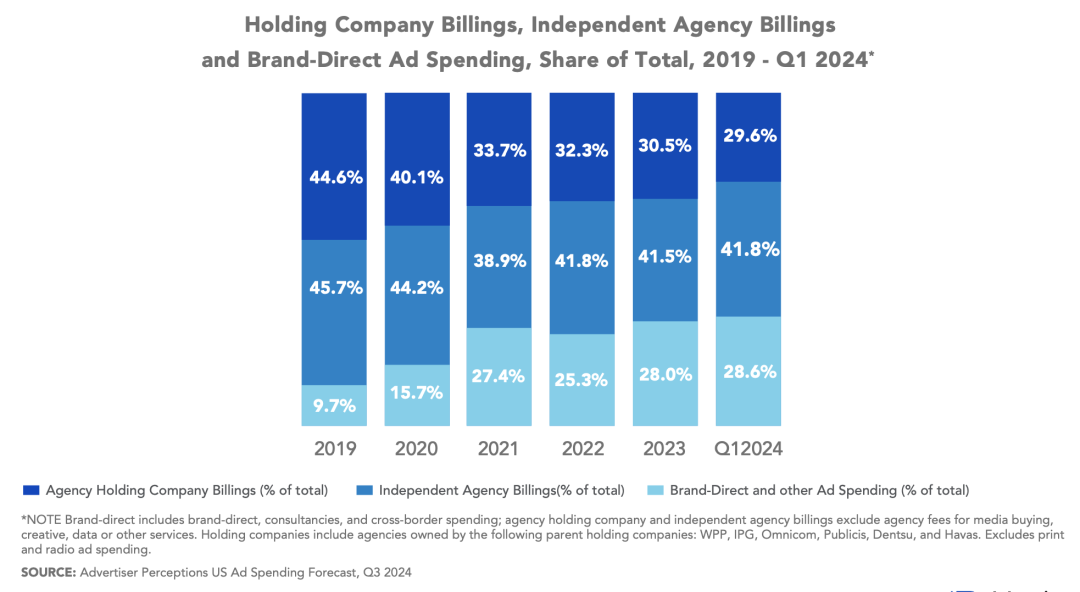
Group 1 - T-Mobile has decided to shift most of its creative agency responsibilities from Dentsu to in-house, marking a significant change in its advertising strategy [1][4] - Last year, T-Mobile had just transferred its creative account to Dentsu, indicating a rapid turnaround in agency relationships [2][5] - Dentsu is facing its own operational challenges, reporting a $540 million operating loss in Q2, alongside a $580 million goodwill impairment in its international business [5] Group 2 - There is a growing trend of brands internalizing their agency functions, with Kraft Heinz's in-house agency, The Kitchen, expanding significantly from 4 to 19 brands in three years [6] - Unilever has initiated a plan to establish 21 AI-assisted design studios globally by 2026, integrating them into its offices to support its home care brands [7] - LEGO has also expanded its in-house agency to include a new business unit focused on commerce, reflecting a broader shift towards in-house capabilities [8] Group 3 - The proportion of advertising budgets controlled directly by brands has increased from 9.7% in 2019 to 28.6% in Q1 2024, while budgets for large advertising groups are declining [12] - Approximately 66% of brands currently have in-house advertising agencies, with another 21% planning to establish them, indicating a shift towards normalization of in-house structures [14] Group 4 - The evolution of in-house agencies can be categorized into three phases: cost-driven (pre-2008), agile response (2008-2015), and growth platform (2016-present) [29][30][31] - The current trend is not merely about cost savings but is driven by the diminishing value of external agency expertise due to digitalization and data-driven marketing [32][34] Group 5 - The relationship between in-house teams and external agencies is complex, with brands like Apple successfully integrating both to leverage internal efficiency and external creativity [47][54] - The ongoing evolution of brand marketing capabilities involves a reallocation of functions between internal and external resources, rather than a simple replacement of one by the other [56][60]
WPP任命微软高管Cindy Rose为新CEO,剑指数字化转型?
3 6 Ke· 2025-07-14 00:32
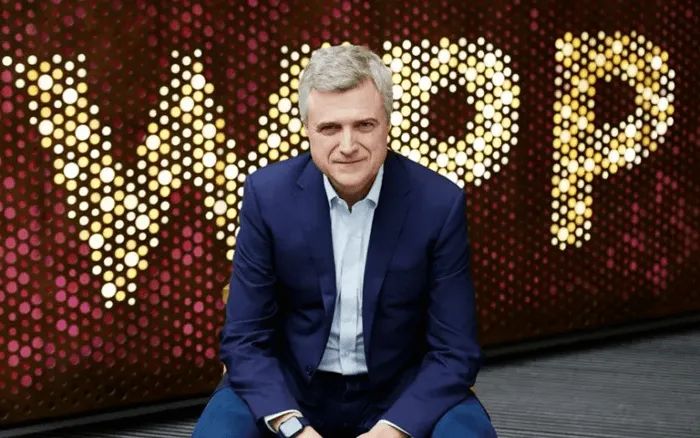
Core Viewpoint - WPP has appointed Cindy Rose as the new CEO, effective September 1, following a significant drop in the company's performance expectations and a sharp decline in stock price, indicating potential leadership accountability for the downturn [1][3]. Group 1: Leadership Change - Cindy Rose will replace Mark Read as CEO, who is leaving four months earlier than planned due to disappointing financial results [1]. - The announcement of Rose's appointment led to a short-term recovery in WPP's stock price, suggesting market optimism regarding the leadership change [3]. Group 2: Company Performance and Challenges - WPP has faced significant client losses in 2025, including major accounts like Coca-Cola and Paramount, which may hinder recovery efforts for the next 3-5 years [3]. - The competitive landscape is intensifying, particularly with the merger of Omnicom and IPG, further challenging WPP's market position [3]. - WPP's stock experienced an 18.09% drop, marking the largest single-day decline since 2020, following an unexpected earnings forecast revision [1]. Group 3: Cindy Rose's Background - Cindy Rose has a diverse background in transformation and technology, having worked in various industries, including Disney, Virgin Media, Vodafone, and Microsoft [4][5]. - At Microsoft, Rose led significant digital transformation initiatives, including the implementation of a "cloud-first" strategy that increased market share for Azure services [7][9]. - Her experience in restructuring and integrating teams aligns with WPP's current needs for organizational reform and efficiency [12][15]. Group 4: WPP's Historical Context - WPP has struggled with organizational complexity and inefficiencies stemming from aggressive acquisitions under its founder, Martin Sorrell, leading to a fragmented structure [10][11]. - Mark Read's tenure included efforts to streamline operations and integrate technology, but challenges from past mergers and a lack of effective collaboration persisted [12][14]. - The shift towards data-driven digital marketing has made WPP's traditional model less effective, necessitating a new approach that Rose is expected to implement [11][14].
WPP走下神坛
Hu Xiu· 2025-06-13 00:20
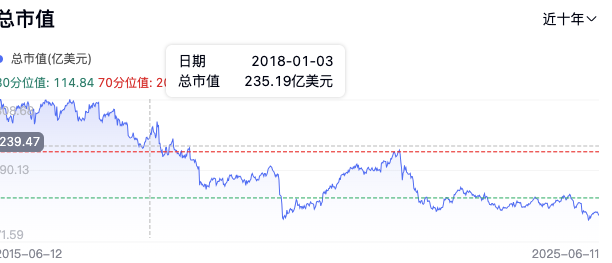
Group 1 - Mars Inc. announced a $1.7 billion advertising deal with Publicis Group, covering brands like M&M's and Snickers across 70 markets [1] - WPP, previously a major client of Mars, lost Coca-Cola's North American media business and has seen other significant clients end long-term relationships [2] - WPP's revenue is projected to decline, with Publicis Group expected to surpass WPP in revenue rankings by the end of 2024 [3] Group 2 - WPP CEO Mark Read announced his resignation after 30 years with the company, amid speculation about his performance and the company's struggles [4] - Following Read's departure, WPP's stock fell by 1.5%, with the company's market value dropping 65.6% from $23.5 billion in 2018 to $8.08 billion [5] - WPP's Q1 revenue decreased by 5%, with a 29% drop in stock price year-over-year, while emerging markets, particularly China, saw a significant decline of 17.4% [7] Group 3 - In contrast, Publicis Group reported a 9.4% increase in net income and a 4.9% organic growth, highlighting WPP's struggles in comparison [8] - The advertising industry faces challenges from tech giants like Meta, which announced plans for fully automated AI advertising by 2026 [9][10] - WPP is perceived to be in a precarious position, facing leadership changes, loss of major accounts, and declining performance [11][12] Group 4 - WPP's complex structure, resulting from aggressive acquisitions, has led to inefficiencies and internal competition among its 400+ agencies [14][20] - The shift towards digital marketing and AI has left WPP struggling to adapt, with internal divisions causing resource duplication and operational delays [23][24] - Read's "Radical Evolution" strategy aimed to streamline operations and integrate technology, but execution challenges have persisted [25][43] Group 5 - Significant mergers and acquisitions under Read's leadership aimed to reduce redundancy, but employee morale has suffered due to ongoing restructuring and layoffs [44][46] - The forced return to office policy sparked employee backlash, indicating deeper issues with internal communication and morale [47][49] - Despite investments in technology and AI, WPP has not been perceived as a tech company, limiting its market valuation potential [60][66]
玛氏全球媒介业务重磅更换:阳狮集团接棒,WPP再失一城
Jing Ji Guan Cha Bao· 2025-06-11 08:58
Core Insights - Mars has awarded its global media agency rights to Publicis Groupe, marking a significant shift in the advertising agency landscape and representing WPP's third major client loss in 2025 after Coca-Cola and Paramount [1][6][9] Group 1: Media Agency Transition - Publicis Groupe will establish a dedicated team named "OneMars" to oversee the global communication ecosystem for Mars, which includes media, production, e-commerce, social paid, and KOL marketing [1][2] - The media agency transition follows a competitive pitch that lasted nearly six months, involving major players like Publicis, Omnicom, and WPP, with Publicis emerging victorious [1][2][3] - Mars' previous media business was managed by WPP's EssenceMediacom, which had a four-year contract valued at $1.7 billion [3] Group 2: Strategic Context - The global pitch was initiated after Mars announced its acquisition of Kellanova for $35.9 billion in August 2024, significantly expanding its snack product portfolio [2][3] - The aim of the pitch was to integrate marketing resources, enhance communication efficiency, and create a unified global communication system, particularly for Mars' snack and pet food segments [3][6] Group 3: Implications for WPP - WPP has faced a series of client losses, including Coca-Cola's North American media account worth $700 million and Paramount's media business, which ended a 20-year partnership without a formal pitch [6][9] - WPP's CEO Mark Read is set to step down in December 2025 amid ongoing performance challenges, with a 5% year-over-year revenue decline reported in Q1 2025 [6] - The loss of Mars signifies a broader industry shift towards integrated and experience-driven communication strategies, challenging WPP's current restructuring efforts [6][7][8]
广告业又开始反腐了,媒介返点制该不该取消?
3 6 Ke· 2025-06-09 23:26
Core Points - Dentsu China's CEO Tommy Li was dismissed and detained for corruption, marking a significant event in the advertising industry [1] - The investigation has expanded to include several senior industry figures, indicating a broader issue of corruption within the sector [1] - The core issues under investigation involve inflated kickbacks, commission misappropriation, and opaque operations [1] - This case is seen as a continuation of the 8.2 billion yuan corruption scandal in the advertising industry from 2023 [1][2] Group 1 - The Dentsu case is linked to a larger pattern of corruption in the advertising industry, particularly involving media rebates [6][7] - The previous scandal involved senior executives from GroupM China, who faced severe penalties for misappropriating funds through inflated procurement costs [2][3] - The lack of transparency in media rebate practices has been identified as a key factor contributing to ongoing corruption issues [6][18] Group 2 - The advertising industry is characterized by a complex relationship between agencies, media platforms, and advertisers, often leading to conflicts of interest [15][16] - Media rebates, while commercially logical, raise ethical concerns and can lead to corrupt practices if not properly managed [11][16] - The industry's reliance on rebates has created a cycle of low-cost competition that undermines service quality and trust [17][18] Group 3 - The recent events highlight the urgent need for stricter auditing and oversight of media rebate practices to restore trust in the industry [18][19] - The ongoing investigations and legal actions signal a potential shift in how the advertising industry operates, particularly regarding transparency and ethical standards [2][5]