旅游业

Search documents
29省份晒春节旅游成绩单:广东“吸金”超800亿 “科技范”点亮传统年味
Zhong Guo Xin Wen Wang· 2026-02-28 03:15
Core Insights - The 2026 Spring Festival holiday saw record-breaking domestic travel and spending, with 596 million trips taken and total expenditures reaching 803.48 billion yuan, marking an increase of 126.48 billion yuan compared to the previous year [2][4]. Group 1: Travel Statistics - Guangdong province led the nation in tourist reception with 86.59 million visitors, followed by Jiangsu with 75.81 million [3]. - Other provinces such as Shaanxi, Henan, and Hubei each received over 60 million visitors, while Sichuan, Hunan, and Yunnan welcomed over 50 million [3]. Group 2: Revenue Generation - Guangdong achieved a tourism revenue of 84.89 billion yuan during the holiday, a 13.9% increase from the previous year [4]. - Yunnan's tourism spending reached 70.90 billion yuan, while both Zhejiang and Jiangsu surpassed 60 billion yuan in revenue, with Zhejiang growing by 26.5% and Jiangsu by 10.5% [5]. Group 3: Cultural and Technological Innovations - Various provinces enhanced traditional experiences through innovative cultural activities, such as non-heritage events in Shaanxi and interactive exhibits in Henan [6][7]. - Technological integration in tourism was highlighted by events like drone shows in Wuhan and the introduction of AI experiences in Beijing, which significantly increased visitor engagement [8]. Group 4: Market Outlook - Analysts from Everbright Securities noted that the extended holiday and favorable policies contributed to a robust tourism market, with both volume and price trends showing positive growth [8]. - Guojin Securities emphasized the continuation of consumer recovery trends from the New Year, indicating a stable increase in volume and notable price improvements in high-end consumption [8].
新春走基层丨这些小城为何成了马年春节热门旅游地?
Xin Hua Wang· 2026-02-28 02:30
Core Insights - The domestic tourism market in China is experiencing a shift towards unique, culturally rich small towns, moving away from overcrowded popular tourist spots [2][3] Group 1: Tourism Trends - Many travelers are opting for small towns with unique cultural experiences and moderate visitor numbers during the Spring Festival [2] - Data from Qunar indicates that hotels in over a thousand county-level cities were fully booked during the holiday, highlighting the popularity of these destinations [3] Group 2: Cultural Significance - The ethnic customs and unique cultural activities in places like Dehong Prefecture, Yunnan, have made them popular destinations, with Dehong receiving 2.3684 million domestic tourists during the Spring Festival, a 12.27% increase year-on-year [5] - The integration of local culture and tourism is becoming a core competitive advantage for attracting visitors, as seen in cities like Anyang and Yuncheng, where traditional cultural experiences are emphasized [7][10] Group 3: Future Development - The challenge for small towns is to maintain their appeal beyond being "Instagrammable" spots and to develop into long-term vacation destinations [9] - Experts suggest that the key to sustainable development in small town tourism lies in deepening the cultural experience and enhancing the quality-to-price ratio of travel products [10]

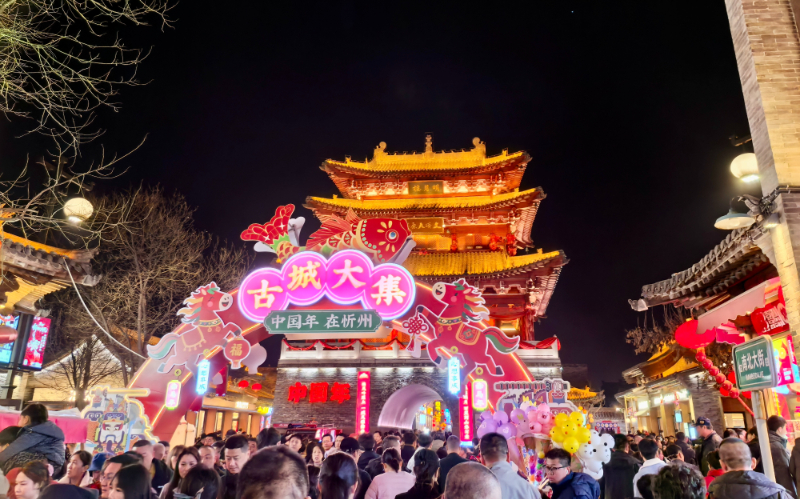
商务部研究院报告:入境游成服贸出口“新引擎”,推动服务贸易逆差显著收窄
Zhong Guo Jing Ji Wang· 2026-02-27 13:20
Core Insights - The report from the International Service Trade Research Institute of the Ministry of Commerce indicates that by 2025, China's inbound tourism market is expected to reach a record high, with 82.035 million foreign visitors, a year-on-year increase of 26.4% [1] - Travel service exports are projected to reach $55.16 billion, marking a significant year-on-year growth of 49.1%, which is 1.6 times that of 2019 [2] Group 1: Economic Impact - Inbound tourism is becoming a crucial channel for China to reduce its service trade deficit and optimize trade structure, with travel service exports growing significantly compared to the overall service export growth of 13.9% [2] - The tourism industry exhibits a consumption multiplier effect, where every 1 yuan of inbound revenue can generate 4.3 yuan in related industry income, leading to an estimated 14.3 million jobs created directly and indirectly by inbound tourism [4] Group 2: Policy and Market Dynamics - Visa-free policies are a significant driver of the current surge in inbound tourism, with 30.08 million foreign visitors entering through visa-free channels, accounting for 73.1% of total inbound visitors, reflecting a 49.5% year-on-year increase [3] - The report anticipates that by 2035, international tourist spending could reach approximately 1.5 trillion yuan, supported by the expansion of visa-free policies and the recovery of international flights [7] Group 3: Regional Trends - Inbound tourism destinations are shifting from major cities to smaller cities, with four- and five-tier cities experiencing an average annual growth rate of 134%, highlighting a growing interest in culturally unique and ecologically distinctive regions [5] - International tourists show a preference for destinations with cultural uniqueness, as evidenced by the high order volume for sites like the Shaanxi History Museum [5] Group 4: Digital Transformation - Digital platforms are becoming key drivers for high-quality development in inbound tourism, with significant contributions from companies like Ctrip, which is expected to facilitate $24 billion in consumer spending through its overseas platform by 2025 [6] - Ctrip's international collaborations and AI technology are enhancing the international reception capabilities of Chinese tourism businesses, allowing for real-time communication with overseas users [6]

从全球支付到AI应用:数字平台如何承托中国入境游的万亿级市场
Qi Lu Wan Bao· 2026-02-27 10:30
Core Insights - The report from the International Service Trade Research Institute of the Ministry of Commerce indicates that by 2025, China's inbound tourism market is expected to reach a record high, with 82.035 million foreign tourists entering and exiting, representing a year-on-year growth of 26.4% [1] - Travel service exports are projected to reach $55.16 billion, a significant increase of 49.1% year-on-year, and 1.6 times that of 2019 [1] - The report highlights that China's inbound tourism revenue currently accounts for less than 0.5% of GDP, compared to over 10% in Thailand and 1% to 3% in many Western countries, suggesting a potential market increase of 1 to 3 trillion RMB if aligned with international standards [1] Group 1: Trade Structure Optimization - Inbound tourism is a crucial channel for China to reduce its service trade deficit and optimize trade structure, with travel service exports reaching a historical high of $55.16 billion in 2025, growing at a rate significantly higher than the overall service export growth of 13.9% [2] - China is expected to maintain its position as the world's largest travel service importer, with imports reaching $253.78 billion, accounting for 15.2% of the global total [2] - The strong growth in travel service exports is anticipated to significantly narrow the service trade deficit, reducing it from $1,646.6 billion in 2024 to $1,160.2 billion in 2025, a year-on-year decrease of 7.2% [2] Group 2: Visa Policy Impact - The visa exemption policy has been a significant factor in the surge of inbound tourism, with 30.08 million foreign visitors entering through visa-free channels in 2025, making up 73.1% of total inbound tourists, a 49.5% increase year-on-year [3] - By the end of 2025, China will have unilaterally exempted visas for 48 countries, expanding the total number of visa-free countries to 77 [3] - The top five source countries for tourists are all visa-exempt nations, with notable growth in visitors from Russia, Italy, and Australia, particularly after the implementation of the visa exemption policy [3] Group 3: Economic and Employment Impact - The tourism industry exhibits a significant consumption multiplier effect, with every 1 RMB of inbound tourism revenue generating 4.3 RMB in related industry income [4] - Inbound tourism is projected to create over 14.3 million jobs directly and indirectly by 2025, with key positions in foreign-guided tours and high-end hotel services offering average monthly salaries exceeding 6,000 RMB [4] - Employment opportunities in border and rural areas are expected to earn 2 to 3 times more than traditional agricultural jobs during peak seasons [4] Group 4: Emerging Destinations - Inbound tourism is shifting from traditional metropolitan areas to lower-tier cities, with four and five-tier cities experiencing an average annual growth rate of 134% [6] - Notable growth is observed in regions like Qiannan, Heihe, and Xiangxi, with Chongqing seeing a 170% increase in inbound visitors due to its unique geography and social media presence [6] - The demand for cultural and ecological tourism is driving international visitors to regions with unique cultural heritage, such as Xi'an and the Chaoshan area, which are becoming increasingly popular [7] Group 5: Digital Platforms - Digital platforms are becoming a key driver for high-quality development in inbound tourism, with significant partnerships established for international payment solutions [9] - By 2025, it is estimated that 20 million tourists will book inbound travel through the Ctrip overseas platform, generating approximately $24 billion in consumption [9] - Over 150,000 Chinese tourism businesses are expected to engage with international tourists through this platform, with many participating for the first time [9] Group 6: Long-term Outlook - The report presents a positive long-term outlook for China's inbound tourism, predicting that by 2035, international tourist consumption could reach approximately 1.5 trillion RMB [10] - Factors contributing to this growth include the expansion of the visa exemption policy, the restoration of international flights, and the promotion of immediate tax refunds for shopping [10] - The World Travel and Tourism Council forecasts that the contribution of China's travel and tourism industry to the economy will exceed 27 trillion RMB by 2035, supporting over 100 million jobs [10]

2026年2月宏观经济月报:美欧经济再分化,国内消费更多元-20260227
BOHAI SECURITIES· 2026-02-27 09:31
Group 1: Overseas Economic and Policy Environment - The US economy faces stagflation risks, with Q4 2025 GDP growth below expectations due to government shutdown impacts[13] - Non-farm employment data showed unexpected rebound, but the unemployment rate remains a concern as it may adjust after March[14] - The Eurozone is experiencing weak recovery, with February manufacturing PMI entering expansion territory for the first time since mid-2025[21] Group 2: Domestic Economic Performance - During the Spring Festival, national consumption-related industries saw a daily average sales increase of 13.7% compared to last year[30] - Smart products like smart glasses and intelligent robots saw sales growth of 47.3% and 32.7% respectively during the holiday[30] - Manufacturing investment growth is expected to be strong, with key product operating rates exceeding January averages[38] Group 3: Domestic Policy Environment - The central bank's monetary policy remains cautious, focusing on structural tools to support key sectors while maintaining liquidity stability[5] - Fiscal policy is actively supporting economic stability, with over 1.5 trillion yuan in new local special bonds issued by February 26, 2026[46] - The government is expected to prioritize spending on technology innovation and social welfare in the first quarter[46] Group 4: Risks and Outlook - Geopolitical risks and unexpected economic changes pose significant threats to domestic economic stability[6] - Inflation concerns are rising, with the Fed's rate cut window likely closed in the first half of 2026, impacting future monetary policy decisions[15]
江西上饶:红土地上的马年新春
Zhong Guo Fa Zhan Wang· 2026-02-27 09:26
Core Viewpoint - The article highlights the vibrant development and cultural significance of Shangrao during the Spring Festival, emphasizing the integration of red culture, tourism, and rural revitalization as key drivers of economic growth and community well-being [1][2][9]. Economic Development - Shangrao is positioned as a central city in the Min-Zhe-Gan-An region, with major economic indicators expected to rank among the top in the province by 2025, showcasing solid progress in manufacturing and regional development [1]. - The city recorded a significant increase in social retail sales, urban employment, and per capita disposable income, indicating a steady improvement in living standards [3][4]. Cultural and Tourism Growth - The city experienced a remarkable surge in red tourism during the Spring Festival, with a 37.76% increase in visitor numbers, reaching 17.37 million, and a 36.28% rise in tourism revenue to 18.21 billion [5][6]. - Key tourist attractions like Sanqing Mountain and Wuyuan saw daily visitor numbers exceeding 20,000, contributing to the region's economic vitality [7][8]. Rural Revitalization - Shangrao has made significant strides in rural revitalization, with improved infrastructure and community engagement, showcasing a blend of traditional culture and modern amenities [8]. - The integration of agriculture and tourism has led to the development of local specialties and increased economic opportunities for residents, enhancing overall quality of life [8][9]. Community Well-being - The article emphasizes the importance of community services during the holiday season, with essential services operating normally to ensure residents' comfort and safety [3][4]. - The overall atmosphere during the Spring Festival reflects a sense of joy and community spirit, with various cultural activities and local traditions being celebrated [3][4].
每1元带动4.3元关联消费!入境游“乘数效应”激活县乡经济
Qi Lu Wan Bao· 2026-02-27 08:56
Core Insights - The report from the International Service Trade Research Institute of the Ministry of Commerce indicates that by 2025, China's inbound tourism market is expected to reach a record high, with 82.035 million foreign tourists entering and exiting, representing a year-on-year growth of 26.4% [1] - Travel service exports are projected to reach $55.16 billion, a significant increase of 49.1% year-on-year, and 1.6 times that of 2019 [2] Group 1: Inbound Tourism Growth - By 2025, inbound tourism revenue will account for less than 0.5% of China's GDP, compared to over 10% in Thailand and 1% to 3% in many Western countries, indicating a potential market increase of 1 to 3 trillion RMB if aligned with international standards [1] - The number of foreign tourists entering through visa-free channels is expected to reach 30.08 million, making up 73.1% of total inbound tourists, with a year-on-year growth of 49.5% [4] Group 2: Trade Balance and Economic Impact - The travel service export value is expected to reach $55.16 billion, significantly contributing to narrowing the service trade deficit, which is projected to decrease from $1,646.6 billion in 2024 to $1,160.2 billion in 2025 [2] - The tourism industry has a multiplier effect, where every 1 RMB of inbound revenue generates 4.3 RMB in related industry income, leading to over 14.3 million jobs created directly and indirectly by inbound tourism [5] Group 3: Emerging Destinations and Consumer Preferences - Inbound tourism is shifting from major cities to lower-tier cities, with a remarkable annual growth rate of 134% in four and five-tier cities [6] - International tourists show a preference for culturally unique and ecologically distinctive regions, with significant increases in visitor numbers to places like Xi'an and Chaozhou [6] Group 4: Digital Platforms and Future Projections - Digital platforms are becoming crucial for the growth of inbound tourism, with Ctrip facilitating $24 billion in consumer spending through its overseas platform [7][8] - By 2035, international tourist spending in China is projected to reach approximately 1.5 trillion RMB, supported by the expansion of visa-free policies and increased international flight availability [9]
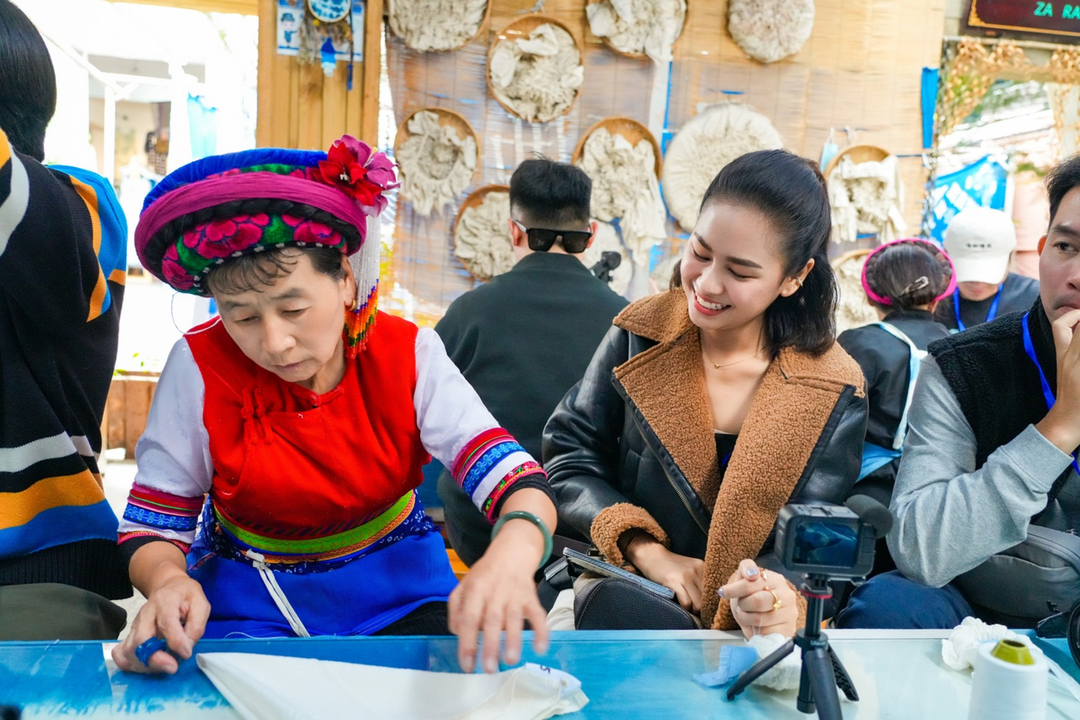
浙江离境退税销售同比去年春节增长340.27%
Zhong Guo Jing Ji Wang· 2026-02-27 08:22
Group 1 - The core viewpoint of the articles highlights the significant growth in the outbound tax refund sales in Zhejiang Province during the 2026 Spring Festival, with a year-on-year increase of 340.27% compared to the previous year [1] - As of the end of 2025, there were 869 outbound tax refund stores in Zhejiang, with 448 of them being "buy and refund" stores, and the total sales and tax refund amount for outbound tax refund goods increased by 119.77% year-on-year [1] - The continuous enhancement of the outbound tax refund policy and the optimization of the refund experience are reflected in the data, with the full coverage of tax refund services at air ports in Zhejiang since the opening of the Yiwu Airport tax refund service in October last year [1] Group 2 - At Hangzhou Xiaoshan International Airport's T4 terminal, 24/7 self-service tax refund terminals are available, providing convenient tax refund support for travelers from around the world [2] - From February 15 to 22, the number of inbound foreign tourists at Zhejiang ports increased by 18.9%, while the number of tax refund transactions and the total tax refund amount at Xiaoshan Airport customs grew by 219.2% and 44.7% year-on-year, respectively [2] - The establishment of a multilingual youth volunteer service team by the Hangzhou Gongshu District Taxation Bureau has enhanced the shopping experience for foreign tourists, providing face-to-face consultations and digital guidance [2] Group 3 - The diverse highlights of the "China Purchase" consumer market during the 2026 Spring Festival demonstrate the effectiveness of the country's targeted measures to optimize inbound consumption policies [3] - The convenience measures such as "buy and refund" and "one-click tax refund" not only meet the diverse shopping needs of foreign travelers but also stimulate inbound consumption vitality, providing a solid example for transforming tourism traffic into sustained consumption growth [3]
春节游火热之后,新加坡如何“加码”中国旅游市场?
Di Yi Cai Jing· 2026-02-27 08:19
Group 1: Tourism Growth and Trends - In 2025, 3.1 million Chinese tourists are expected to visit Singapore, maintaining the highest number among all visitor sources [1] - The number of Chinese tourists increased by approximately 20% during the recent Lunar New Year holiday, although the growth rate compared to 2024 is only 1% [1] - Singapore's tourism market is mature, making significant growth in visitor numbers challenging [1] Group 2: MICE Industry Development - Singapore aims to enhance its MICE (Meetings, Incentives, Conferences, and Exhibitions) industry, with MICE travelers spending twice as much as leisure travelers [1] - The Singapore Tourism Board has plans to develop the MICE sector as part of its "Tourism 2040" strategy [1] - A new convention center is planned in the city center to strengthen Singapore's position in the regional MICE industry [4] Group 3: China-Singapore Cooperation - The collaboration between Chinese enterprises and Singapore in the MICE sector is growing, with many Chinese companies choosing Singapore for international events due to its geographical proximity and cultural similarities [3] - A memorandum was signed to deepen cooperation in the exhibition industry, focusing on sectors like precision manufacturing, AI, healthcare, and digital technology [4] - Singapore recognizes China's advanced practices in sustainable agriculture and aims to explore collaboration in agricultural development [5] Group 4: Future Market Potential - The business travel market in the Asia-Pacific region is projected to grow by 1.5 to 2 times in the next decade, with Singapore expected to triple its MICE industry size within 15 years [5] - Chinese enterprises show a higher maturity level in international exhibition participation compared to other Asian countries, indicating strong potential for collaboration [6] - The complementary strengths of Chinese enterprises and Singapore's platform create vast opportunities for future cooperation in the MICE and trade sectors [6]
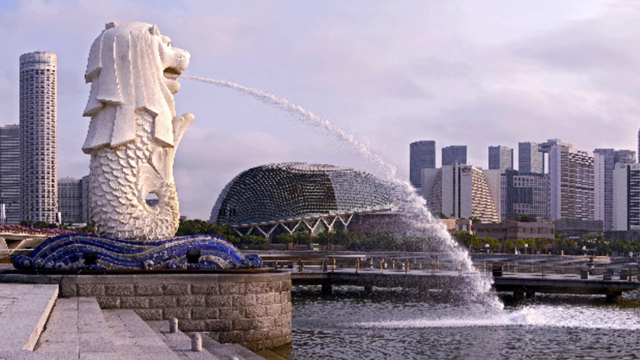
镜观中国丨影像回眸“十四五”——文化强国 繁荣兴盛
Xin Hua She· 2026-02-27 08:08
Core Insights - During the 14th Five-Year Plan period (2021-2025), China's economic and social development has achieved groundbreaking progress, transformative changes, and historic accomplishments, drawing global attention to China's achievements [1] Group 1: Cultural Development - The cultural sector and cultural industries in China have flourished during the "14th Five-Year" period, with a rich variety of spiritual cultural products contributing to cultural prosperity and the construction of a culturally strong nation [1] - Public cultural services have expanded to cover urban and rural grassroots, leading to continuous improvement in the civilizational quality and social civilization level of the populace [4] - The protection and utilization of cultural heritage and relics have been comprehensively strengthened, enhancing international communication effectiveness and increasing national cultural soft power and the influence of Chinese culture [6] Group 2: Cultural Events and Achievements - In 2025, the "National Tide" trend swept across China, with domestic intellectual properties (IPs) rising strongly, blending traditional and modern expressions that invigorate contemporary Chinese cultural landscapes and consumer trends [11] - The National Art Fund has supported over 3,500 projects in creation, performance, exhibitions, and talent development, leading to the emergence of high-quality works such as "The Great Journey," "Justice Must Prevail," and "Only This Green" [13] - By the end of 2024, there were 3,248 public libraries, 7,046 registered museums, and nearly 44,000 grassroots cultural institutions across the country, with significant improvements in the status of cultural relics protection [20] Group 3: Economic Impact of Cultural Industries - In 2025, the revenue of large-scale cultural and related industry enterprises reached 15,213.5 billion yuan, an increase of 1,045.1 billion yuan, representing a growth of 7.4% compared to the previous year [28] - The integration of culture and tourism has been deeply promoted, with the "Cultural + Hundreds of Industries" and "Hundreds of Industries + Cultural" approaches releasing multiplier effects that invigorate commerce, agriculture, sports, and transportation sectors [31] Group 4: International Cultural Exchange - China has engaged in extensive intergovernmental cooperation dialogues with various countries, strengthening exchanges with organizations like UNESCO and the United Nations World Tourism Organization, and expanding overseas Chinese cultural centers and tourism offices to over 70 [33] - The implementation of inbound tourism promotion plans and the optimization of visa, payment, and tax refund policies have made "China Travel" and "China Shopping" new trends among foreign visitors [41][44]