正餐

Search documents
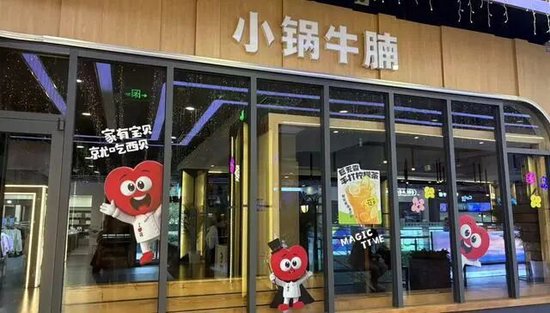
贾国龙推出的快餐子品牌都“凉”了
Xin Lang Cai Jing· 2025-09-18 02:38
Core Viewpoint - The recent controversy surrounding the well-known restaurant brand Xibei, triggered by a social media post from Luo Yonghao, has led to significant operational adjustments and the closure of several sub-brands, indicating challenges in the fast-food segment and a shift in strategic focus for the company [1][2]. Company Adjustments - Xibei announced it would complete nine adjustments by October 1, aiming to shift from centralized kitchen operations to on-site processing at stores [1]. - The sub-brand "Xibei Little Beef Braised Rice and Noodles," launched last year, has been closed, with remaining inventory being sold off [1][2]. - The founder, Jia Guolong, has faced setbacks with multiple fast-food sub-brands, including "Jia Guolong Chinese Burger," which was expected to open over 100 stores but was closed within a year [2][4]. Market Position and Competition - The fast-food market has seen rapid expansion from competitors like Tastin, which opened 3,772 new stores in 2023, contrasting with Xibei's struggles [2]. - Xibei's new brand "Jia Guolong Little Beef" is being developed from the former "Jia Guolong Chinese Burger" locations, with a goal of exceeding 100 stores [4]. Consumer Insights - The average price point for the new "Xibei Little Beef Braised Rice" is set at 35.9 yuan, significantly lower than the previous 80 yuan for "Jia Guolong Little Beef," indicating a strategic move to attract more price-sensitive consumers [5]. - Consumer feedback highlights concerns over pricing and portion sizes, with many feeling that even the reduced prices are still too high for the target demographic [5]. Industry Trends - The restaurant industry is experiencing low growth and intense competition, leading to a focus on cost-effective offerings, with over 60% of brands targeting a consumer spending range of 10-30 yuan [6]. - The trend of consolidating resources into main brands while eliminating underperforming sub-brands is becoming a common strategy in the industry, as seen with other companies like Jiumaojiu Group [7].

以产品主义著称的西贝,为何走上标准化快餐之路?
Sou Hu Cai Jing· 2025-09-16 10:38
Core Viewpoint - The controversy surrounding the restaurant chain Xibei, triggered by a critical social media post from entrepreneur Luo Yonghao, highlights the blurred lines between "pre-prepared dishes" and "pre-prepared processes" in the modern dining industry, raising consumer awareness about their rights [2][3] Company Overview - Xibei, founded by Jia Guolong in 1999, has grown into a national dining brand with over 360 locations and annual revenue exceeding 2 billion yuan at its peak, built on strong brand recognition, high average spending, and a focus on service experience [2][3] - The company initially focused on traditional dining but has attempted to pivot towards fast food through various sub-brands since 2015, aiming to replicate the success of global fast-food giants like McDonald's and KFC [3][5] Challenges Faced - Jia Guolong's attempts to standardize fast food offerings have led to operational inefficiencies, with slow service times and low table turnover rates, contradicting the fast-food model that prioritizes speed and cost-effectiveness [5][6] - The sub-brands have suffered from poor brand positioning and naming, leading to consumer confusion and low repeat purchase rates, as they failed to clearly communicate their value propositions [6][8] Strategic Missteps - The pricing strategy of the sub-brands has placed them in a "pricing trap," where they cannot compete effectively with either low-cost fast food or established chain brands, resulting in a lack of customer interest [6][8] - The organizational structure of Xibei, which is oriented towards traditional dining, lacks the necessary capabilities for fast food operations, leading to operational mismatches and consumer dissatisfaction [8][9] Future Direction - In June 2024, Jia Guolong announced a strategic shift, elevating "Jia Guolong Small Pot Beef" to a new growth line, moving away from low-cost fast food and refocusing on maximizing customer value and enhancing brand experience [9][10] - The lessons learned from the failed sub-brands emphasize the importance of sustainable profitability over mere expansion, suggesting that a more tailored approach to scaling in the Chinese dining market may be more effective than blindly pursuing the "ten-thousand store" model [9][10]

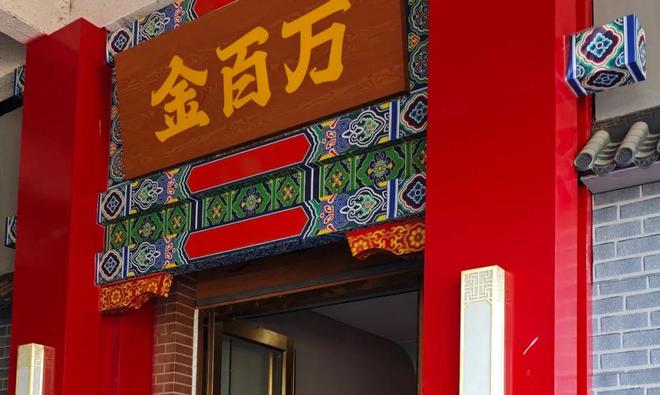
外卖下半场:开设快餐、孵化新品牌,金百万选择多元转型主动求变
Yang Guang Wang· 2025-08-13 09:02
Core Insights - The traditional dining brand Jin Million has faced significant challenges due to a pressured consumer environment and rising costs, leading to a decline in dine-in and takeaway orders since September of last year [1][3] - However, the entry of competitors like JD.com into the takeaway market and the launch of Taobao Flash Purchase have stimulated demand, resulting in unexpected business growth for restaurants [1][3] Group 1: Business Performance - Jin Million's daily order volume on Taobao Flash Purchase and Ele.me increased by 90% from April to July, rising from over 1,800 orders to over 3,500 orders [3] - Despite a decrease in the average transaction value due to subsidies, Jin Million's revenue grew by 42% due to the significant increase in order volume [3] - The proportion of revenue from takeaway services increased from 30% to 50%, indicating a shift in business dynamics [3] Group 2: Market Dynamics - The competition among multiple platforms has provided restaurants with more negotiating power and better policies, contrasting with previous market conditions where platforms dictated terms [3][5] - The influx of new customers has been significant, with new customer orders accounting for half of Jin Million's growth in takeaway orders [3][5] Group 3: Strategic Adaptation - Jin Million has evolved its view on takeaway services from a supplementary role to a standalone business segment, recognizing its irreversible nature and the need for professionalization [5] - The company is focusing on enhancing customer retention through product quality and cost-effectiveness while exploring new business models, such as fast food projects and a new Hunan cuisine brand targeting younger consumers [5][6] - The core logic of Jin Million's transformation is to internalize external market variables into organizational evolution and capability upgrades [6]
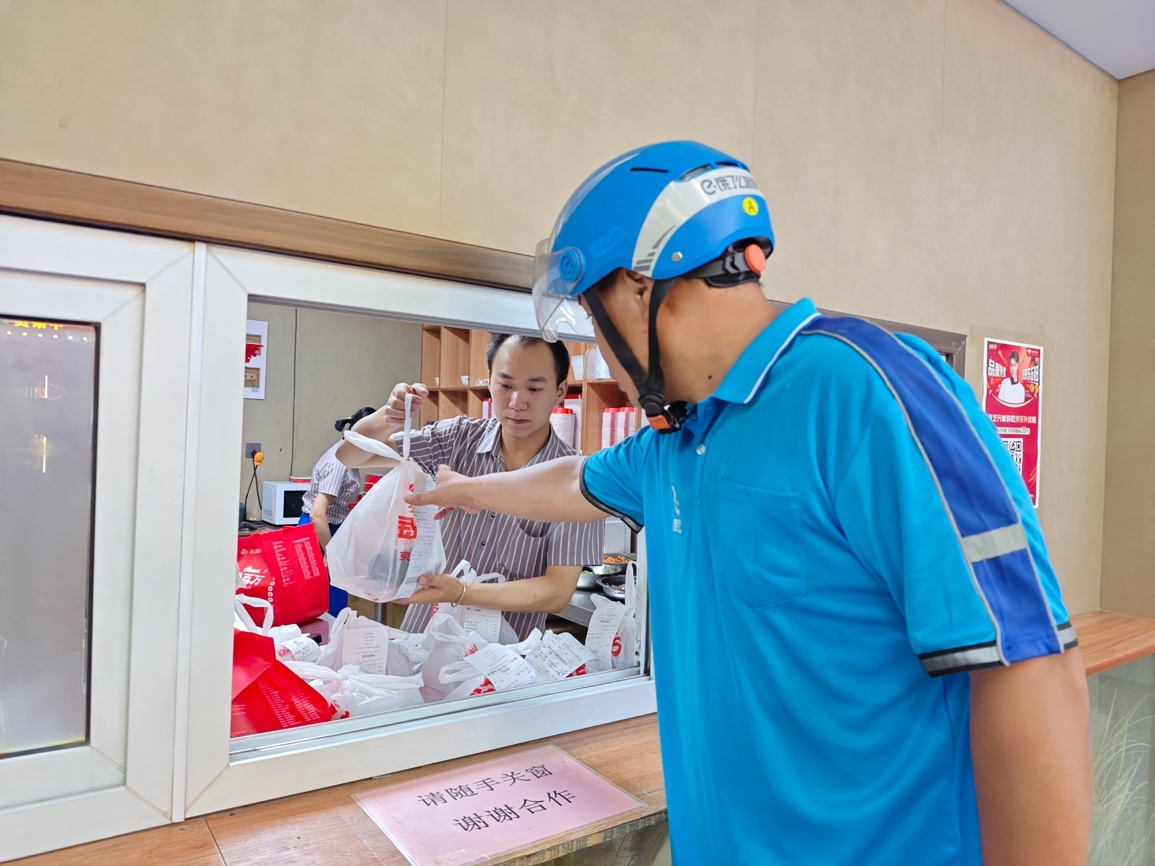
金百万总经理:外卖拉动整体收入、毛利额显著增长,良性竞争市场给予商家更多话语权
Sou Hu Cai Jing· 2025-08-13 06:07
Core Insights - The restaurant industry has faced growth bottlenecks due to ongoing consumer pressure and rising costs over the past two years [1] - The entry of major players like JD.com into the food delivery market has intensified competition, leading to unexpected business growth for restaurants [1][3] Group 1: Company Performance - Jin Million, a traditional restaurant brand, has seen a significant increase in daily orders, with a 90% growth in average daily orders from April to July, rising from over 1,800 to more than 3,500 [1][3] - Despite a decrease in the average customer spending due to subsidies, Jin Million's revenue increased by 42% due to the substantial rise in order volume [3] - The proportion of revenue from delivery services has increased from 30% to 50%, indicating a shift in business dynamics [3] Group 2: Market Dynamics - The competition among delivery platforms has provided restaurants with more leverage and better promotional policies, enhancing their operational autonomy [3][6] - The influx of new customers has been significant, with new customer orders accounting for half of the growth in Jin Million's delivery business [3] Group 3: Strategic Adaptations - Jin Million has evolved its view on delivery, transitioning from a supplementary service to a standalone business segment, recognizing the irreversible trend towards delivery as a primary consumption method [4] - The company is exploring new strategies, including utilizing dining halls for fast food projects and developing new brands to cater to younger consumers [6] - The shift from price competition to value-based competition is reshaping the industry, prompting Jin Million to focus on product quality and customer service [6]
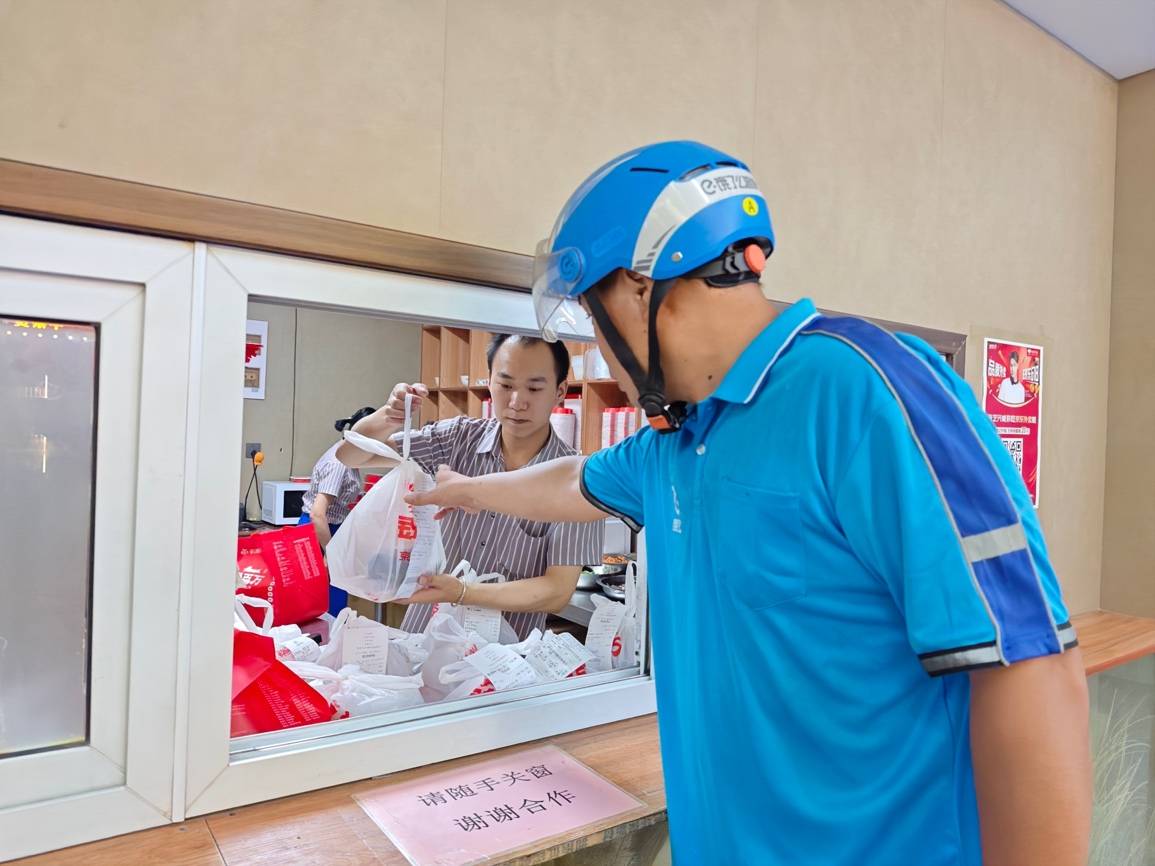
南京知名正餐品牌热议数字化转型:把握外卖平台良性竞争下的红利期
Sou Hu Cai Jing· 2025-08-12 15:56
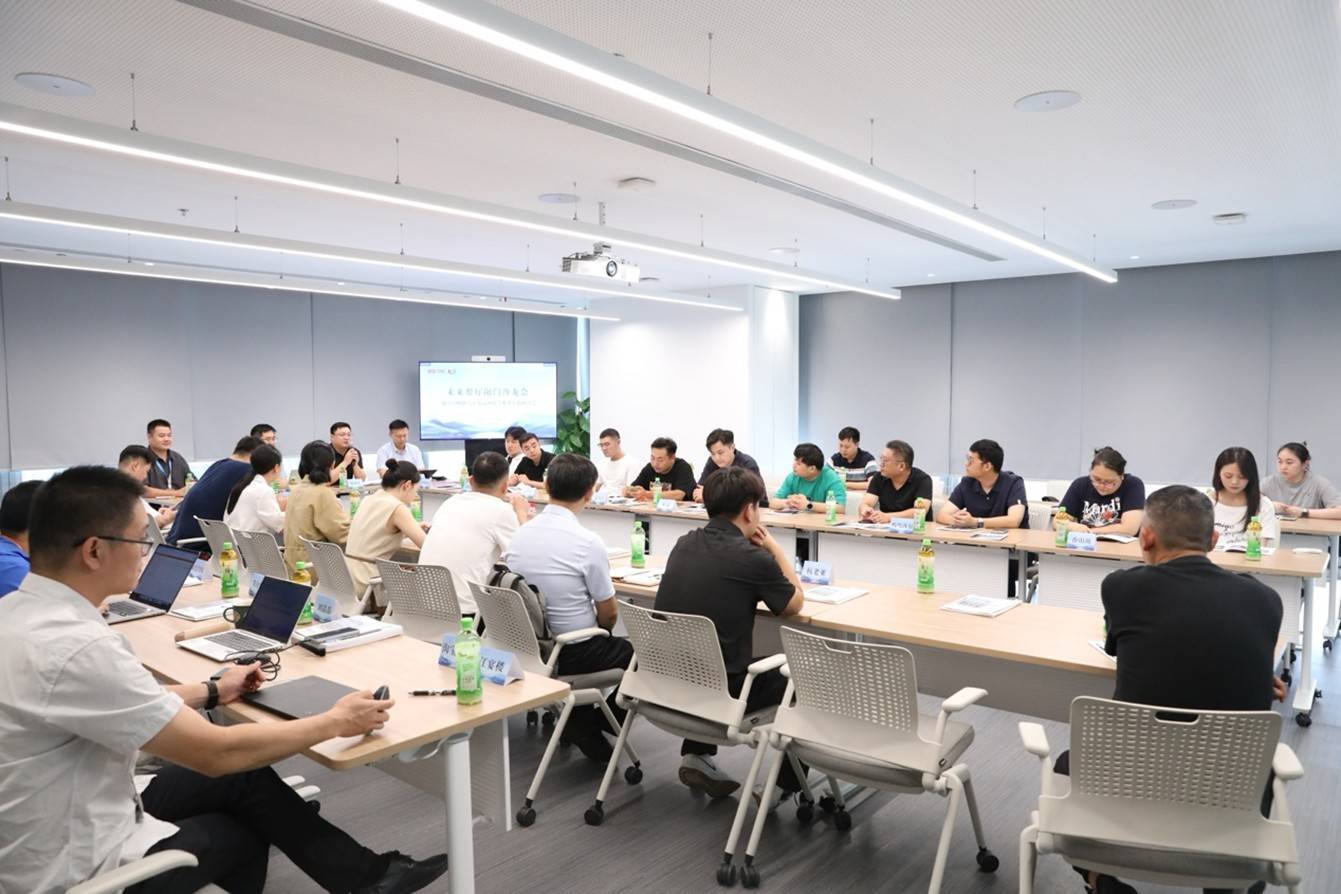
Group 1 - The "Future Restaurant Closed-Door Salon" held in Nanjing focused on enhancing digital operational capabilities for dining brands, with participation from over 20 well-known restaurant brands and representatives from Taobao Flash Purchase [2] - Since May, the external delivery market has seen significant growth, with daily orders increasing from 100 million to over 200 million, creating a favorable digital transformation period for many dining brands [4] - The multi-platform competition has empowered dining enterprises, enhancing their choice and voice, resulting in tangible benefits for both merchants and consumers [5] Group 2 - The executive chef of Nanjing Hongxing Restaurant reported that the restaurant has expanded operations on three delivery platforms, achieving over 280 daily orders since launching on Taobao Flash Purchase [7] - The restaurant's experience in Chengdu showed a 50% increase in delivery orders, with delivery revenue accounting for one-third of total revenue, excluding banquet reservations [7] - The restaurant has adapted its menu for delivery, focusing on popular dishes during peak hours, which has led to exceeding order expectations [8] Group 3 - Many mid-to-high-end dining enterprises are facing challenges due to reduced business dining activities, prompting them to innovate and embrace digital transformation [5][9] - The association's president suggested that traditional hotel businesses should leverage digital platforms for promotion and integrate online and offline operations to enhance brand vitality and diversify revenue streams [9] - Younger generations of restaurant leaders are taking on the responsibility of guiding established brands through digital transformation [10] Group 4 - The director of Jiming Soup Dumpling shared strategies for adapting their product for delivery, including extending preparation times and using insulated packaging to maintain quality [12] - Taobao Flash Purchase has launched a 50 billion consumption coupon initiative, resulting in a 274% increase in the number of "ten thousand order stores," indicating a boost in market vitality [12] - The platform is also implementing the "Excellent Store Leap Plan" to support quality dining establishments with commission waivers and traffic support [12]
外卖下半场:餐饮商家的新牌局
Di Yi Cai Jing Zi Xun· 2025-08-12 05:33
Core Insights - The restaurant industry is experiencing a resurgence due to a renewed competition in the food delivery market, driven by major platforms like JD.com, Taobao, and Meituan increasing subsidies and enhancing their services [1][6][12] - This competition is not merely a zero-sum game but is expanding the market by activating new consumer segments and increasing overall demand [15][24] Industry Overview - The restaurant sector has faced significant challenges over the past two years, including a decline in customer spending and rising costs, leading to a growth bottleneck [6][19] - The entry of JD.com into the local lifestyle market and the upgrade of Taobao's "hourly delivery" to "Taobao Flash Purchase" have disrupted the existing market dynamics [1][12] Competitive Landscape - The competition among the three major platforms has intensified, focusing on user subsidies, merchant support, and fulfillment efficiency, leading to a surge in daily order volumes [1][7] - The new competition has allowed restaurants to regain market choice and operational power, breaking the previous single-channel ecosystem [12][14] Impact on Restaurants - Established brands like Jinbaiwan and Hehegu have reported significant increases in order volumes due to the subsidies, with Jinbaiwan's daily orders rising from 1,800 to over 3,500 [8][10] - New brands like Yixin Rice Ball have also benefited, with their order volumes increasing significantly, demonstrating the effectiveness of the subsidy-driven growth [8][21] Consumer Behavior - The influx of subsidies has attracted new customers, particularly among younger demographics, indicating a shift in consumer behavior and preferences [15][24] - The platforms' strategies have lowered barriers for new consumers, expanding the potential customer base beyond traditional users [15][16] Long-term Strategy - Restaurants are viewing the current subsidies as strategic investments for long-term brand exposure rather than short-term price cuts [10][20] - The focus is shifting towards optimizing internal operations and enhancing customer experience to convert new users into loyal customers [21][22] Future Outlook - The competition is expected to drive a supply-side reform in the restaurant industry, pushing businesses to adapt and innovate in response to changing market dynamics [24][25] - The emphasis on multi-platform strategies is likely to continue, fostering a more transparent and competitive market environment that benefits both consumers and merchants [12][14]