
回锅肉

Search documents
(新春见闻)一席刨汤宴 巴蜀烟火情
Xin Lang Cai Jing· 2026-02-15 03:15
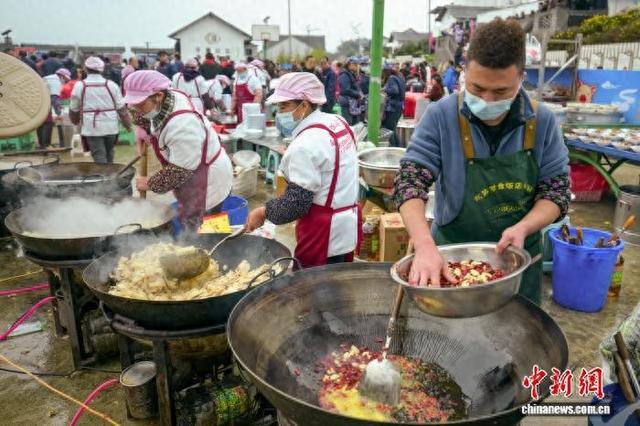
Core Viewpoint - The article highlights the cultural significance and communal aspect of the "刨汤宴" (Braised Soup Banquet) in Gaosun Township, Sichuan Province, emphasizing its role in bringing people together during the festive season, particularly around the Lunar New Year [3][4][6]. Group 1: Cultural Significance - The "刨汤宴" tradition dates back to the Qing Dynasty, serving as a means for dispersed communities to reconnect during festivals [6]. - The banquet has evolved from individual family gatherings to large communal events, with hundreds or thousands of participants, enhancing the sense of reunion and community [4][6]. Group 2: Culinary Aspects - The banquet features a variety of dishes, with the menu expanding from simple offerings to thirteen different dishes, maintaining a balance between richness and local flavor [3][4]. - The first dish served, "猪血旺" (Pig Blood Hotpot), symbolizes good fortune, while other dishes like "回锅肉" (Twice-Cooked Pork) and "烧肥肠" (Braised Pork Intestines) reflect traditional culinary practices [3]. Group 3: Social Dynamics - The event fosters social interactions, allowing neighbors and relatives to reconnect, share stories, and resolve misunderstandings in a festive atmosphere [4][6]. - The popularity of the "刨汤宴" has gained attention beyond local communities, with even individuals from Taiwan traveling to experience this cultural event [6].

百味烹出幸福年(文化中国行·中国年味 时代气象)
Ren Min Ri Bao· 2026-02-14 23:37
Group 1: Culinary Culture in Chengdu - Chengdu, recognized as the first "World Food City" in China, showcases a rich culinary culture that blends traditional techniques with innovative ideas, particularly during the Spring Festival [1] - The city is famous for its hot pot, which symbolizes the festive spirit of "red and prosperous," with chefs emphasizing the importance of high-quality ingredients and preparation methods [2][3] Group 2: Hot Pot Preparation - The preparation of hot pot involves meticulous selection of ingredients, such as high-quality beef and traditional spices, with a focus on local flavors to create authentic Sichuan taste [2][3] - A significant aspect of the hot pot experience is the live cooking demonstration, where chefs showcase the process of making the base broth, highlighting the use of specific ingredients like Han Yuan pepper and aged Doubanjiang [2] Group 3: Fusion Cuisine - The culinary scene in Chengdu also includes fusion cuisine, exemplified by a Turkish restaurant that combines Middle Eastern cooking techniques with local ingredients to cater to Chinese tastes [4][5] - The restaurant's signature dish, Shawarma, is adapted to include pineapple, aligning with modern dietary preferences for lighter, healthier options [5] Group 4: Local Agricultural Practices - The local agricultural sector plays a crucial role in the culinary landscape, with farmers like Hu Anxue focusing on sustainable practices, including organic farming and modernized pig farming techniques [8][9] - The integration of farming and culinary practices is evident in the preparation of traditional dishes like "Twice-Cooked Pork," which relies on fresh, locally sourced ingredients [6][7]
小年至,年味起,京东七鲜连续第六年“春节也服务”全面开启
Zhong Jin Zai Xian· 2026-02-10 09:24
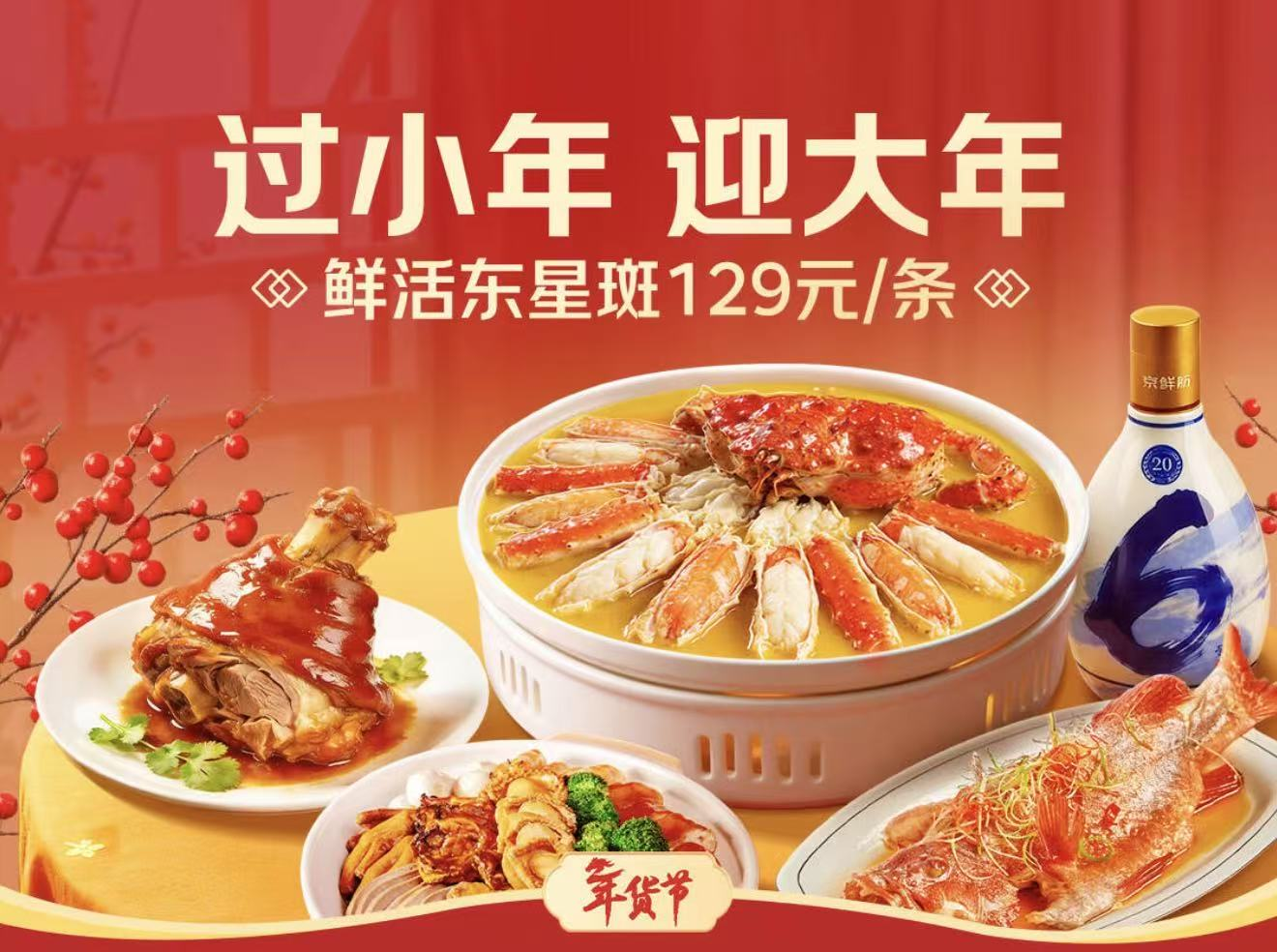
Core Viewpoint - JD Qixian is committed to enhancing consumer experience during the Spring Festival by extending store hours, increasing operational capacity, and offering a diverse range of festive products to meet the purchasing needs from "Little New Year" to "New Year's Eve" and throughout the holiday period [1][9]. Group 1: Store Operations - JD Qixian will extend store hours from February 13 to February 15, operating from 7 AM to 11 PM [3]. - On New Year's Eve (February 16), online channels will open at 6 AM, while physical stores will open at 6:30 AM to accommodate last-minute purchases for the New Year's Eve dinner [3]. - From February 17 (New Year's Day), physical stores will operate from 9 AM to 10 PM, and online delivery will be available from 7 AM to midnight [3]. Group 2: Festive Products - The company offers a variety of festive dishes, including live East Star grouper priced at 129 yuan each, live king crabs at 999 yuan each (weighing 1.5-2 kg), and live Boston lobsters at 189 yuan each [3][5]. - JD Qixian has introduced convenient ready-to-eat options such as braised pork ribs starting at 25.9 yuan per serving and various regional specialties, allowing consumers to enjoy traditional flavors easily [5][7]. - The company also provides quick-cooking dishes like stir-fried beef and spicy chicken, catering to younger consumers looking for easy meal solutions [7]. Group 3: Seasonal Decorations - JD Qixian has launched a range of New Year floral arrangements, including red silver willow priced at 15.9 yuan for 30 branches and Australian plum blossoms at 19.9 yuan per bundle, enhancing the festive atmosphere [9]. - The company emphasizes the importance of festive decorations as part of the New Year preparations, offering products that serve both as home decor and gifts [9].
郫县豆瓣的乡愁
Xin Lang Cai Jing· 2026-01-26 21:05
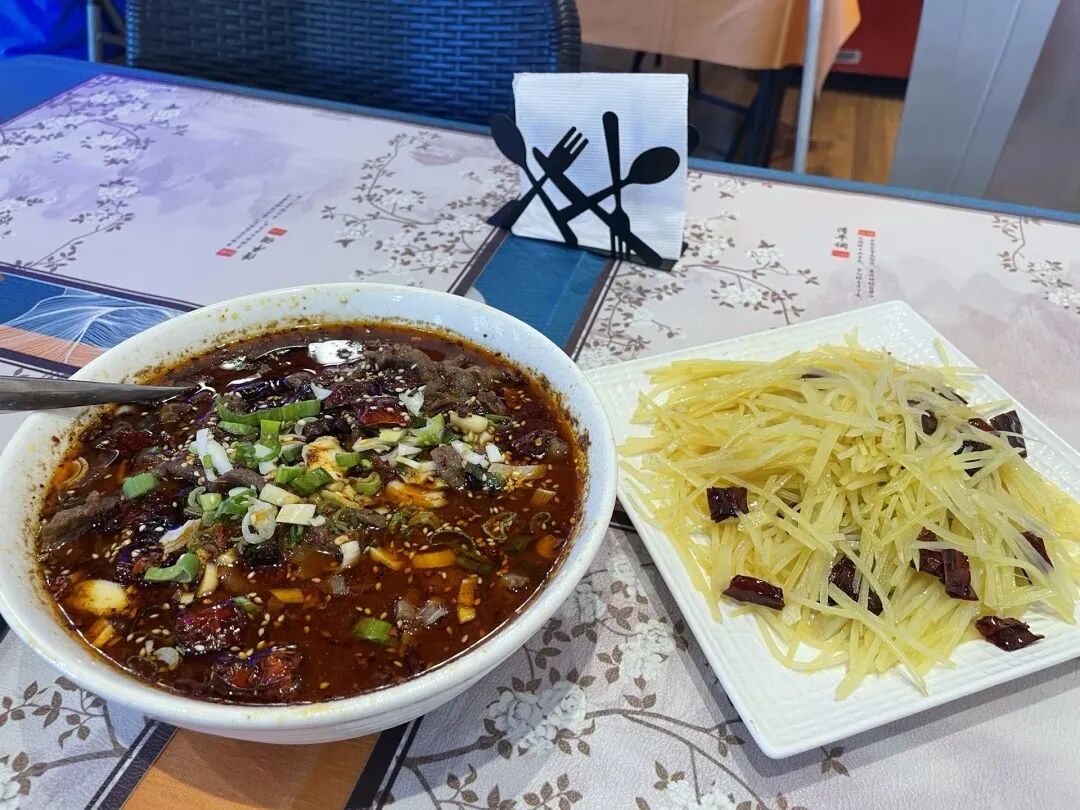
Core Viewpoint - The article emphasizes the cultural significance of "Pixian Douban" as a symbol of nostalgia for Sichuan people living away from home, highlighting its essential role in Sichuan cuisine and its emotional connection to home-cooked meals [1][2]. Group 1: Cultural Significance - "Pixian Douban" is described as the "soul of Sichuan cuisine," essential for achieving the unique flavors that characterize the region's dishes [1]. - The phrase "eating in Sichuan, tasting in Chengdu, and the soul in Pixian" reflects the deep-rooted culinary traditions and the importance of local ingredients in Sichuan cooking [1]. Group 2: Culinary Experience - The article illustrates the vibrant street food culture in Pixian District, where numerous small restaurants serve home-style dishes that evoke a sense of community and comfort [1][2]. - The emotional connection to food is highlighted through personal anecdotes, such as a student abroad missing the taste of home-cooked meals made with "Pixian Douban" [2]. Group 3: Consumer Demographics - The primary consumers of these street food establishments are young people, particularly students and young women, indicating a trend towards casual dining experiences among this demographic [2]. - The popularity of these small eateries is attributed to their ability to create a lively atmosphere where people gather to enjoy food and socialize [2].
井场“严选”暖胃又暖心
Xin Lang Cai Jing· 2026-01-12 20:06
Group 1 - The article highlights the importance of food quality and variety for workers at the Karamay Drilling Company, emphasizing that a diverse menu helps alleviate homesickness among the 46 workers from different regions [1] - The company implements strict food safety and quality measures, including procurement standards, chef training, and regular inspections to ensure fresh and safe ingredients [1] - A satisfaction survey conducted in 2025 showed a high approval rate of 93.24% among 11,852 participants, indicating the effectiveness of the company's efforts in providing quality meals [1] Group 2 - The drilling team operates in a remote desert area, with workers typically returning home every 20 days, highlighting the need for reliable meal services to maintain morale and energy levels [1] - The company ensures that meals are available four times a day, catering to both day and night shifts, which is crucial for the physical demands of the job [1] - The communal dining experience fosters a sense of connection among workers, enhancing their overall well-being [2]

“世界尽头”的中餐厅:家乡味道,温暖南极旅途
Xin Lang Cai Jing· 2026-01-01 07:30
Core Insights - The article highlights the growing popularity of a Chinese restaurant named "Xiao Yan" in Punta Arenas, Chile, which serves as a stop for tourists heading to Antarctica, particularly Chinese visitors during the Antarctic tourism season from November to March [1][2]. Group 1: Restaurant Operations - The restaurant operates a "dual menu" system to cater to both local Chileans and Chinese tourists, offering a fusion menu that aligns with local tastes and a classic Chinese menu featuring traditional dishes [3][5]. - The restaurant extends its operating hours during the tourist season to accommodate the influx of customers, sometimes staying open until midnight [2]. Group 2: Ingredient Sourcing and Challenges - Due to its remote location, sourcing ingredients for the restaurant poses challenges, with many Chinese condiments and ingredients needing to be procured from Santiago and flown back to Punta Arenas [5]. - The restaurant also hand-makes tofu, reflecting the effort to maintain authentic flavors despite ingredient limitations [5]. Group 3: Customer Experience - The restaurant has received positive reviews from tourists, with customers expressing satisfaction with the authentic taste of home-cooked Chinese meals, which they find particularly valuable while abroad [6]. - The owner emphasizes the emotional connection to familiar flavors, noting that the distance from home makes these tastes even more precious [6].
川菜困局:一片餐饮沃土,为何长出品牌的“盐碱地”?
3 6 Ke· 2025-12-25 00:32
Core Insights - The article discusses the challenges faced by Sichuan cuisine brands in achieving long-term brand value due to a reliance on a franchise model that prioritizes short-term cash flow over sustainable growth [1][17]. Group 1: Model Dependency - Sichuan cuisine is complex, leading 80% of restaurateurs to prefer simpler, more replicable business models like hot pot and snacks [4][5]. - The unique flavors and ingredients of Sichuan cuisine create a diverse culinary landscape, but this also complicates standardization and consistency in restaurant offerings [4][5]. Group 2: Resource Dependency - The abundance of culinary resources in Sichuan has led to a "resource curse," where the ease of creating popular dishes diverts focus from building unique Sichuan cuisine brands [6][8]. - Many entrepreneurs are drawn to quick success through single-item brands rather than investing in the long-term development of Sichuan cuisine [8]. Group 3: Marketing Dependency - A strong marketing culture in Chengdu has led to rapid brand creation and a focus on short-term gains, often at the expense of long-term brand value [9][12]. - Many new brands rely heavily on marketing to create buzz and quickly expand through franchising, which can lead to unsustainable business practices [12][18]. Group 4: Competitive Challenges - The high density of restaurants in Chengdu creates intense competition, where successful concepts are quickly imitated, leading to a cycle of rapid brand turnover [13][15]. - The prevalence of imitation and aggressive competition makes it increasingly difficult for brands to establish a lasting presence in the market [15][16]. Group 5: Conclusion - The challenges faced by Sichuan cuisine brands reflect a broader issue within the local restaurant ecosystem, where quick returns overshadow the pursuit of long-term brand value [17][18].
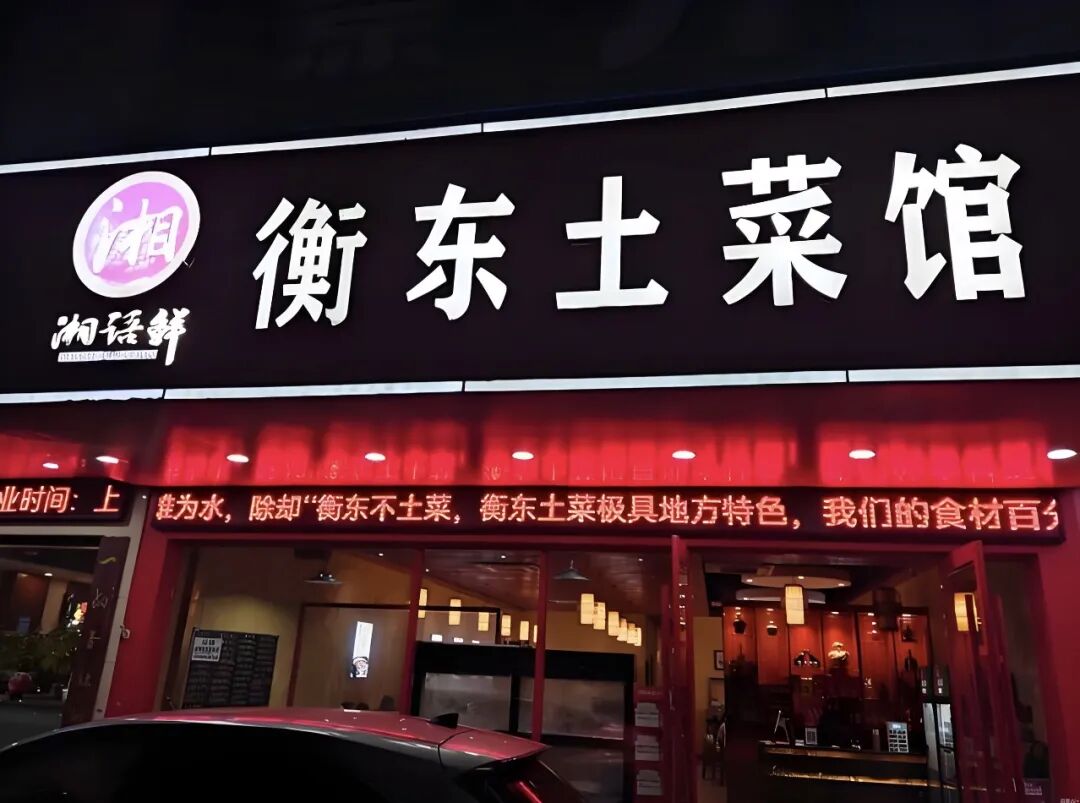
地方“土菜”出圈,却难走向全国
3 6 Ke· 2025-11-25 03:46
Core Insights - The rise of local cuisine is a response to consumer distrust towards pre-prepared meals, particularly after incidents like the Xibei pre-prepared dish controversy [1][9] - Local dishes are gaining popularity due to their fresh ingredients, on-site cooking, and high cost-performance ratio, with Douyin reporting a 76% year-on-year increase in local dish sales during the National Day holiday [3][7] - The trend reflects a broader shift in consumer sentiment towards food safety, emotional connection to cooking, and a return to value for money in dining experiences [9][11][13] Consumer Behavior - Consumers are increasingly prioritizing food safety and freshness, leading to a decline in trust towards pre-prepared meals [9] - The emotional connection to traditional cooking methods, such as the desire for "smoky" and "wok hei" flavors, drives consumers to wait for freshly cooked meals [11] - The average dining expenditure has decreased to 39.8 yuan, indicating a shift towards affordable yet quality local dishes [11] Market Dynamics - Local cuisine brands face challenges in national expansion due to the "impossible triangle" of maintaining quality, achieving scale, and controlling costs [14][24] - The contradiction between standardization and artisanal cooking poses a significant hurdle for local dishes aiming for broader market reach [16] - Regional supply chain limitations complicate the authenticity and quality of local dishes when expanded outside their native areas [18][20] Strategic Approaches - Successful local cuisine brands may find a balance between standardization and maintaining traditional cooking methods, potentially through "semi-standardization" [24] - Focusing on regional markets rather than aggressive national expansion can help maintain quality and brand integrity [26] - Concentrating on specific dish categories can streamline operations and enhance supply chain management [26] Industry Outlook - The restaurant industry is experiencing a contraction, with a 13.7% decrease in new registrations, highlighting the need for brands to focus on sustainability rather than mere growth [28] - The essence of dining is returning to its roots, emphasizing genuine cooking experiences over mass-market appeal [32] - The local cuisine market, projected to reach 5.6 trillion yuan in 2024, offers ample opportunities for diverse dining experiences to coexist [32]
吃饭挑选餐馆前需要关注的四大核心参考维度
Xin Lang Cai Jing· 2025-09-29 09:16
Core Viewpoint - The article emphasizes the importance of selecting restaurants based on safety, quality, and transparency, highlighting common issues such as misleading promotions and hidden charges that can lead to customer disappointment [1]. Group 1: Official Regulatory Channels - Official channels serve as a "touchstone" for assessing restaurant compliance, helping to eliminate safety hazards from the source [2] - The "National Enterprise Credit Information Publicity System" allows users to verify two key pieces of information: the restaurant's operating qualifications and its credit status, including any administrative penalties for food safety violations [2] - Local market supervision accounts may publish "red and black lists" of restaurants, aiding consumers in making informed choices based on hygiene and compliance records [2] Group 2: Reputation Evaluation Channels - Reputation evaluations act as a "barometer" for restaurant quality, with platforms like Black Cat Complaints providing risk warnings and complaint tags to identify potential issues [3] - Specific complaints can reveal critical insights, such as hidden charges or food quality concerns, guiding consumers to avoid problematic establishments [3] - The complaint resolution rate on these platforms reflects a restaurant's responsiveness to issues, indicating how disputes may be handled [3] Group 3: Menu and Dish Channels - The menu serves as a "business card" for restaurants, and understanding its details can help match consumer preferences and budgets [5] - Restaurants focusing on specific cuisines are more likely to deliver authentic flavors, while clear ingredient sourcing can indicate higher quality [5] - Dish evaluations on platforms can highlight must-try items and those to avoid, enhancing the dining experience [5] Group 4: Pricing and Package Channels - Properly checking prices and package rules can help consumers avoid spending traps and achieve optimal value [7] - Consumers should be aware of hidden costs like service fees and confirm any restrictions on promotional packages to prevent disappointment [7] - Verifying the bill before payment is crucial to ensure accuracy and that discounts are applied correctly [7]
四川优秀导游5天自助游攻略,计算单人成都5日游人均消费
Sou Hu Cai Jing· 2025-09-17 01:48
Core Points - Sichuan is highlighted as a treasure trove of tourism, featuring stunning natural landscapes and rich cultural heritage [1][3] - The region is known for its diverse and delicious cuisine, making it a paradise for food lovers [3][18][19][20] Group 1: Natural Attractions - Jiuzhaigou, referred to as a "fairy tale world," is famous for its colorful lakes that sparkle under the sun [1] - Gongga Mountain, known as the "King of Sichuan," features snow-capped peaks that remain frozen year-round [1] - Mount Emei, one of China's four major Buddhist mountains, offers breathtaking views and a mystical atmosphere [8] Group 2: Cultural Heritage - The Sanxingdui site represents an ancient civilization with unique bronze artifacts, sparking curiosity about its mysteries [1] - Sichuan is a significant birthplace of Three Kingdoms culture, with historical sites like Wuhou Shrine dedicated to figures like Zhuge Liang [1] Group 3: Culinary Highlights - Sichuan hotpot is renowned for its spicy and flavorful broth, with popular ingredients including tripe, duck intestines, and beef [18] - Chuan Chuan Xiang, similar to hotpot, features skewered ingredients that are easy to prepare and enjoy [19] - Classic Sichuan dishes like Mapo Tofu and Kung Pao Chicken are celebrated for their rich flavors and unique combinations [20] Group 4: Travel Experience - The tour itinerary includes a well-organized five-day plan covering major attractions like Chengdu, Dujiangyan, and Leshan [6][7][9][10] - The average cost for a satisfying travel experience in Sichuan is between 1000 to 1500 yuan per person [3]
